
A steno in the shadows during Vietnam
SARAH PARKINS-PYLES / Contributing Writer | Bonner County Daily Bee | UPDATED 3 weeks AGO
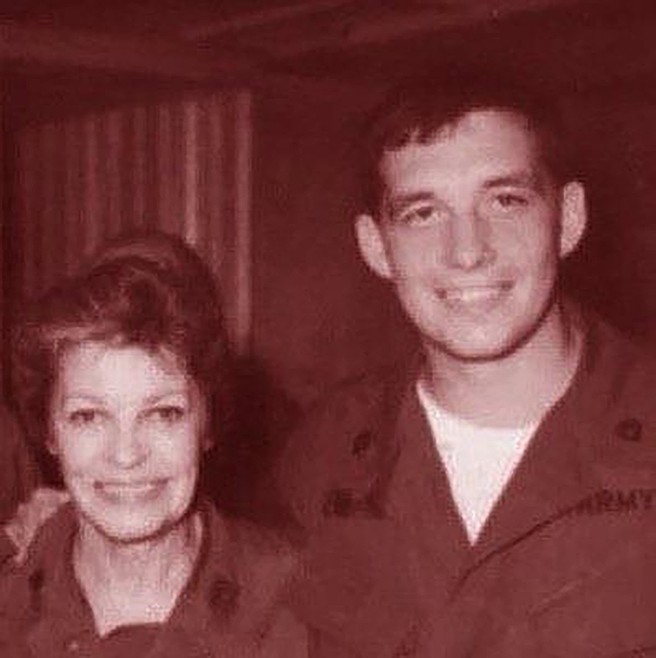
Michael J Parkins served in the U.S. Army with the 5th Special Forces, Green Beret, during the Vietnam War.
Photo courtesy SARAH PARKINS-PYLES
The humid air of Nha Trang clung to everything — typewriters, uniforms and nerves alike.
Michael J. Parkins, a young stenographer with the 5th Special Forces Group, Airborne, sat behind a battered metal desk in the headquarters compound, his fingers moving swiftly across the keys of an old Underwood machine. The sharp clack-clack-clack of each keystroke was his rifle fire, the rhythm of a man serving in the quietest corner of a war that was anything but quiet.
Mike’s orders placed him in the nerve center of Col. Robert B. Rheault, commanding officer of the 5th Group — a respected, formidable leader soon caught in what history would call “The Green Beret Affair.” From his desk, Mike saw the undercurrents few ever would: classified memos, intelligence cables and the whispered tension of men burdened by impossible decisions. The affair that shook the Special Forces to their core — accusations, secrecy and political maneuvering — unfolded just a few doors away. Mike, though a clerk, became a quiet witness to history, typing reports that would later echo through the Pentagon.
But even amid that storm, life in Nha Trang had its flashes of light. Mike remembered the laughter when Martha Raye — the beloved “Colonel Maggie,” honorary Green Beret and tireless entertainer — visited the base. She moved through the compound like a whirlwind of lipstick and morale, cracking jokes, hugging soldiers and reminding them that America hadn’t forgotten. Mike would later say that meeting her was the highlight of his entire tour — a moment of humanity amid the chaos.
He had been preparing for Airborne certification, dreaming of earning the wings that so many of his brothers wore with pride. Yet fate intervened. A sudden bout of rheumatic fever struck him down before he could complete jump school. The illness left him bedridden, fevered and weak — his body betraying him just as his spirit soared to join the men he admired. Not long after, the Army discharged him honorably, sending him home with his service incomplete but his duty unquestioned.
When he spoke of Vietnam years later, Mike didn’t talk about the politics or the controversy. He talked about the camaraderie, the pride of serving the Green Berets, and the day Martha Raye shook his hand and thanked him for his work.
He wasn’t the man behind the gun; he was the man behind the words — the steno who captured the heartbeat of a brotherhood in green.