
Juice your fruit!
Maryjane Butters | Hagadone News Network | UPDATED 15 years, 5 months AGO
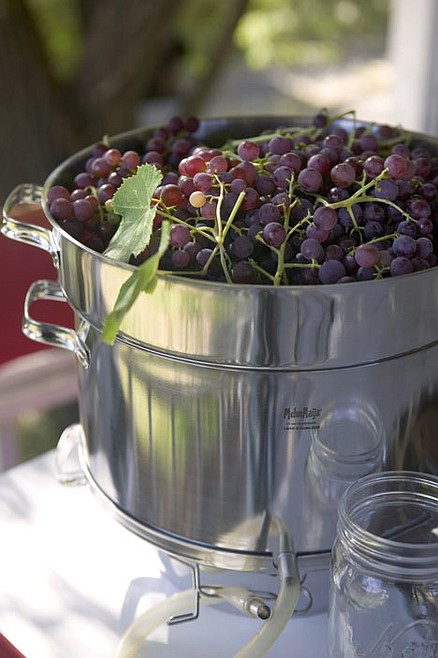
Juice your fruit!
If you have yet to sip fresh fruit juice first thing in the morning, you don't know what you're missing. The taste of fresh juice is positively brilliant, made even sweeter by the fact that you know exactly what went into your glass. According to recent news reports, testing by the Environmental Law Foundation (www.envirolaw.org) tested nearly 150 common juice and packaged fruit products, and they found that 85 percent contained alarming levels of lead. In some instances, individual servings of juice harbored lead levels substantially above the Food and Drug Administration's daily limit. This is really scary when it comes to kids, who can suffer developmental problems from even minute amounts of lead, but it's not a matter to take lightly no matter your age. The solution is simple (and simply delicious): Take the fruit juice out of the factory and bring it home to your kitchen. Maybe you have a surplus of fruit from the summer's harvest, or maybe you have a favorite local source of organically grown produce. Either way, I'll bet you have something fresh on hand right now that you can squeeze for a superbly refreshing drink. Savor it spur-of-the-moment, or store for later use.
Juicing 101
You can juice just about any kind of produce, but the fruits that work best are those that we typically associate with bottled juices (apples, grapes, oranges, lemons and tomatoes) plus a few succulent choices that aren't found as often in stores. Think cherries, melons, apricots and plums. Carrots, asparagus, celery, beets, garlic, onions, parsley, cilantro and other veggies are also great juicing candidates for savory beverages as well as soup stocks. When selecting produce, go for fresh, plump and fully ripe. Stay away from those with serious blemishes or fruit that looks withered.
Your choice of juicing equipment will depend on your particular needs. If you'll only juice occasionally to satisfy spontaneous cravings, you can go as low-tech as squeezing by hand or with a basic cone-shaped citrus juicer. To expand your options to less squeezable fruits, consider heating your produce in a pot until skins soften, then strain with cheesecloth. For the serious juicer interested in producing higher volumes to savor and store, I recommend investing in Lehman's Best Steam Juicer (www.lehmans.com). With no cranking, pressing or straining, this stovetop juicer will make 3 to 5 quarts of juice in about an hour, extracting every last drop. The juice you'll produce will be super safe for long-term storage since steam heat eliminates bacteria and germs that can cause juice to ferment. (The Best Steam Juicer is more expensive than Lehman's Good Steam Juicer, but don't skimp here. The Best Juicer is made of inert stainless steel, so it won't leach potentially harmful metals into your juices. The Good Juicer is made of aluminum, which is known to react with acidic foods.) Using a standard canning chart, you can now "can" your juice in bottles.
Preparing your fruit
Even when you buy organic produce, wash it well with warm water before juicing. Peel fruits with thick skins or rinds like citrus fruits, kiwis or melons. Remove pits and other inedible parts. (Note: peeling, pitting and removing stems are unnecessary with the Lehman's juicer.) Fruits that you plan to squeeze by hand can be cut into smaller pieces for easier handling.
Juice it!
If you use the simple heating method, simmer fruit in a glass, enamel or stainless-steel pot. Keep the heat low to prevent burning or excessive evaporation. Cook until tender, cool, then strain through two layers of cheesecloth. (Colanders or food mills can be used, but cheesecloth yields the cleanest juice.)
You likely won't need sugar in your homemade juice because there is so much fresh flavor in ripe fruit, but if you do want more sweetness, try a pinch of sugar, honey or stevia. A squeeze of lemon juice will add a tantalizing tang to sweet juices and will also help preserve color.
Easy freezing
There is no comparison to fresh-squeezed juice when it comes to flavor and nutrient content, but juices do freeze beautifully, preserving more of their natural goodness than commercially packaged varieties. If you have already heated your juice, you don't need to worry about blanching before freezing. Simply pour into glass jars or other freezer containers (leaving about 1/2 inch of space at the top to accommodate expansion), seal and freeze. You can also save smaller portions by freezing juice in ice cube trays, then storing the little blocks of frozen juice in freezer bags.
If you didn't heat your juice while processing, heat about a quart at a time to 185 F (not to boiling). Pour hot juice into glass freezer containers and freeze immediately, without letting juice cool at room temperature.
Copyright 2010, MaryJane Butters. Distributed by United Feature Syndicate Inc.
ARTICLES BY MARYJANE BUTTERS
Un-pinching your pennies
MaryJane's Everyday Organic
We like to talk a lot about frugality 'round these parts. And with the tough times folks have been facing lately, the value in such advice increases tenfold. But can I be honest with you? It's getting - well - a little old.
Fresh summer sauces are a snap
MaryJane's Everyday Organic
As you look forward to all of the barbecues and picnics that lie ahead this summer, you may not give much thought to three staple sauces that are bound to be in high demand: ketchup, mustard and mayonnaise. The basics. Chances are, you have a bottle of each in your refrigerator right now, and when they run out, it would be easy enough to grab more from the grocery store. But I'd like to ask you to stop and give another moment's consideration to your condiments.
Why we (still) need our girlfriends
MaryJane's Everyday Organic
Not a week goes by that we don't hear the results of another study on human behavior. These reports often try to explain present-day relationships in the context of evolutionary adaptations and the great race to survive. And it's truly interesting stuff. Up until very recently, well before the age of advanced social technology, people NEEDED each other, and not just for a pat on the back or company over a cocktail. They needed one another for basic survival. If men didn't have friends and neighbors to help them build their houses or tell them where to hunt, the family unit didn't make it. And if women didn't cozy up to other females for information and acceptance, well, they were just as doomed.