
Exhibiting Lincoln
Coeur d'Alene Press | UPDATED 13 years, 10 months AGO
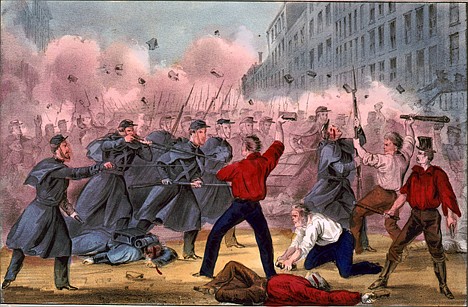
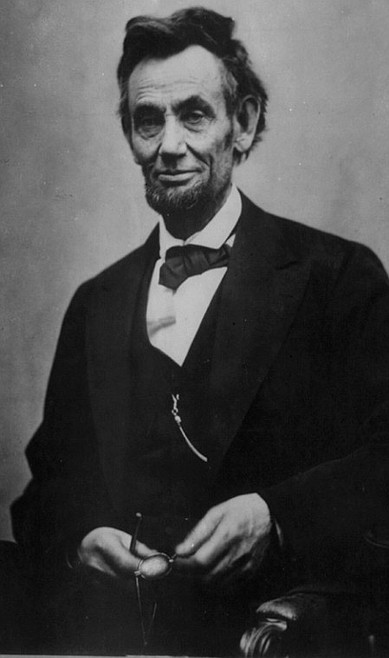
"Lincoln: The Constitution and the Civil War," a traveling exhibition opening at the Community Library Network, Post Falls, on Saturday, March 3, examines how President Lincoln used the Constitution to confront three intertwined crises of the Civil War - the secession of Southern states, slavery and wartime civil liberties.
Lincoln is widely acknowledged as one of America's greatest presidents, but his historical reputation is contested. Was he a calculating politician willing to accommodate slavery, or a principled leader justly celebrated as the Great Emancipator?
This exhibition provides no easy answers. Rather, it encourages visitors to form a nuanced view of Lincoln by engaging them with Lincoln's struggle to reconcile his policy preferences with basic American ideals of liberty and equality. This exhibition develops a more complete understanding of Abraham Lincoln as president and the Civil War as the nation's gravest constitutional crisis.
Abraham Lincoln was elected president of the United States in 1860, at a time when the nation was on the brink of war.
Lincoln struggled to resolve the basic questions that divided Americans at the most perilous moment in the nation's history: Was the United States truly one nation, or was it a confederacy of sovereign and separate states? How could a country founded on the belief that "all men are created equal" tolerate slavery? In a national crisis, would civil liberties be secure?
President Lincoln used the Constitution to confront these three crises of war, ultimately reinventing the Constitution and the promise of American life.
"This is the first time Post Falls has hosted an exhibit this size," said Library Director John Hartung. "As a new president, Abraham Lincoln was faced with enormous challenges. This exhibition shows how Lincoln struggled with issues of secession, slavery and civil liberties - all questions our country's founding charter left unanswered. Each section of the exhibit features information about a different aspect of Lincoln's presidency. For example, the section about slavery examines the various policy options Lincoln once embraced and how his thoughts about slavery evolved over time. Most importantly, the exhibit helps visitors understand why Lincoln's struggle with the Constitution still matters today."
The National Constitution Center and the American Library Association Public Programs Office organized the traveling exhibition, which was made possible by a major grant from the National Endowment for the Humanities (NEH): Great ideas brought to life. The traveling exhibition is based on an exhibition of the same name developed by the National Constitution Center.
The traveling exhibition is composed of informative panels featuring photographic reproductions of original documents, including a draft of Lincoln's first inaugural speech, the Emancipation Proclamation and the 13th Amendment.
The library is sponsoring free programs and other events for the public in connection with the exhibition. Contact (208) 773-1506 or visit CommunityLibrary.Net/LincolnExhibit for more information. "Lincoln: The Constitution and the Civil War" will be on display at the library until April 5.
Lincoln and Idaho - Presented by David LeRoy
This talk explores the unique relationship between the 16th president and Idaho Territory, which he created in 1863, appointed friends to govern, mentioned in two State of the Union speeches, and even considered on the afternoon he was assassinated.
Leroy defends the claim that more than Kentucky, Indiana or Illinois, Idaho is the state most related to Lincoln!
Sponsored by the Idaho Humanities Council.
• Thursday, March 8, Post Falls library, 6:30-7:30 p.m.
• Friday, March 9, Garden Plaza Retirement (Post Falls), 2:30-3:30 p.m.
• Saturday, March 10, Hayden library, 2-3 p.m.
Underground Railroad Quilts - Presented by Barb Tilton and Joanne Moore
There is still controversy among historians and scholars over the quilt code theory, and whether or not escaping slaves actually used codes concealed within quilt patterns to follow the escape routes of the Underground Railroad. Join us to learn more about this fascinating subject.
• Tuesday, March 13, Post Falls library, 6:30-7:30 p.m.
Mary Todd Lincoln, The First "First Lady" - Presented by Janet Worthington
Mary Todd Lincoln was one of the daughters in a prominent family in Lexington, Ky. In 1839, Mary moved to Springfield, Ill., and Abraham Lincoln won her heart, and in 1842, she married him. As Janet Worthington explores Mary Lincoln's life as first lady, she describes refurbishing the White House, her opposition to slavery, and her strong support of her husband's pro-Union policies. Sponsored by the Idaho Humanities Council.
• Tuesday, March 20, Post Falls library, 6:30-7:30 p.m.
• Wednesday, March 21, Bestland Retirement Center, 3-4 p.m.
• Thursday, March 22, Heritage Place Retirement Center, 2:30-3:30 p.m.
A President for the Ages: Lessons from Lincoln's Presidency - Presented by David Adler
When Lincoln dies, one of his cabinet members remarked, "Now he belongs to the Ages." And so he does. This talk explores Lincoln's views about presidential power and the relevance of his presidency for the challenges that confront America as it attempts to balance security concerns with constitutional government in an Age of Terrorism. Sponsored by the Idaho Humanities Council.
• Tuesday, March 27, Post Falls library, 6:30-7:30 p.m.
• Wednesday, March 28, Pinehurst library, 3-4 p.m.
• Thursday, March 29, Athol library, 6-7 p.m.
• Friday, March 30, Spirit Lake library, 5-6 p.m.