
Region once hooked on commercial fishing
Bob Gunter Columnist | Hagadone News Network | UPDATED 13 years, 10 months AGO
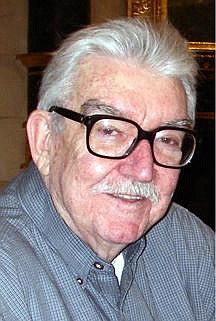
Bob Gunter
(It was on Sept. 30, 2000, that Erik Daarstad and I met with Bob Selle in his home to interview him for the “Sandpoint Centennial” movie. One area he enjoyed talking about was fishing. Today, Bob shares in his own words about fishing for whitefish. In his way of speaking, them became ’em, because often became ’cause and anything to be emphasized was done with a “yeah” or, if very important, “yeah, -yeah.” Bob Selle died at his Sunnyside home on Sept. 1, 2004, at the age of 88.)
Question: Bob, a lot of fishing going on in the early days of the lake. Did you ever do any commercial fishing?
Selle: Yes. We used to fish the whitefish before they had commercial fishing. When we went to school that is how we’d get our spending money. We’d go catch a dozen whitefish that would weigh about a pound a piece — nice fish.
We’d bootleg ’em — we’d sell ’em from door to door and of course you didn’t have any trouble selling ’em because we’d sell ’em for one dollar a dozen and remember they weighed about a pound a piece, cleaned. So people got 12 pounds of meat for a dollar, see, so you didn’t have any trouble selling ’em at the very first door you knocked on.
And then later when we were older and at work, you’d get laid off in the wintertime no matter what you did, you know, because they didn’t have nothing to plow snow with so all the logging would shut down and then we’d go and they had commercial fishing and you could buy a license for $10 and then you could take so many more fish.
In fact, with a commercial license you could take 50 fish a day and sell ’em. We got 10 cents a pound for ’em so if you could get a limit of fish, you could get $5.
I did that kind of commercial fishing even after I was married. When I got laid off in the winter, I used to walk across the train bridge and then walk on over to Bottle Bay. I had a cabin rented over there and I’d stay there a week and then the fish buyer would come there and buy the fish.
You had to sell them to a licensed dealer because it was all organized back then. I would stay in this cabin and fish six days, sometime seven days, and then I’d go home. I’d walk home on Saturday night and give my wife all the money I had earned so she could feed the kids and get what she needed. I would then go back over the railroad bridge to my cabin and start fishing again.
Question: How did you fish for whitefish?
Selle: With a hand line, a hand line with a sinker on the end and with one hook baited with maggots. It was a small hook, a number ten, wrapped with the iron and a shank. Yeah.
Question: Bob, you said that a person could get so many fish a day. Do you think anyone ever exceeded their limit?
Selle: Oh, yes. We didn’t pay any attention to that cause the dealers were buying, you see. ’Cause they wanted the fish and you caught all the fish that you could catch. Yeah, I know I did. Fish and Game never bothered us.
Question: Who were the dealers?
Selle: Well, you want names of the dealers? There was one named Fay Williford and then the big dealer was Evans and he had the smoke house that’s on the other end of the bridge and the building is still there. Evans also had a place set up in Sandpoint cause the dealers would sell the fish fresh and they also would smoke ’em and ship ’em. They shipped ’em all over the world, believe it or not, because there was that much of a market for ’em. They were that good. Boy, they were really good smoked fish — whitefish were. Yeah.
(Next week, Bob will tell us all about the bootleggers in town.)
ARTICLES BY BOB GUNTER COLUMNIST

Dearborn Hill lives on through magical memories
Sandpoint Furniture/Carpet One, home of The Ponderay Design Center and Selkirk Glass & Cabinets (208-263-5138), sponsors this column and it will appear in your Daily Bee each Sunday.

Bootleggers found a niche in area during Prohibition
(It was on Sept. 30, 2000, that Erik Daarstad and I met with Bob Selle in his home to interview him for the “Sandpoint Centennial” movie. Bob relived the excitement of his life experiences and his words reflected his enthusiasm. In his way of speaking, them became ‘em, because often became ‘cause, and anything to be emphasized was done with a “yeah.” Today, Bob shares, in his own words, about the days of Prohibition and bootlegging in Sandpoint. Notice that he starts telling about the “other kids” but near the end he becomes an active player in the booze adventure. Bob Selle died on Sept. 1, 2004, at the age of 88.)

Baldy offered little help in achieving dream garden
It is that time of year when people start dreaming of starting a garden. Some will lovingly caress the packets of seed just purchased hoping to impart to said seed the desire to grow to a lustrous adulthood. Some will visit their mail-order shrine consisting of little cups of dirt in which a seed has been poked to await the light generated by an artificial sun. No matter what method is used, present is an undying hope that this year will be better than last year.