
Spring in Yellowstone is a joy to behold
Don Bartling Outdoor Writer | Hagadone News Network | UPDATED 9 years, 6 months AGO
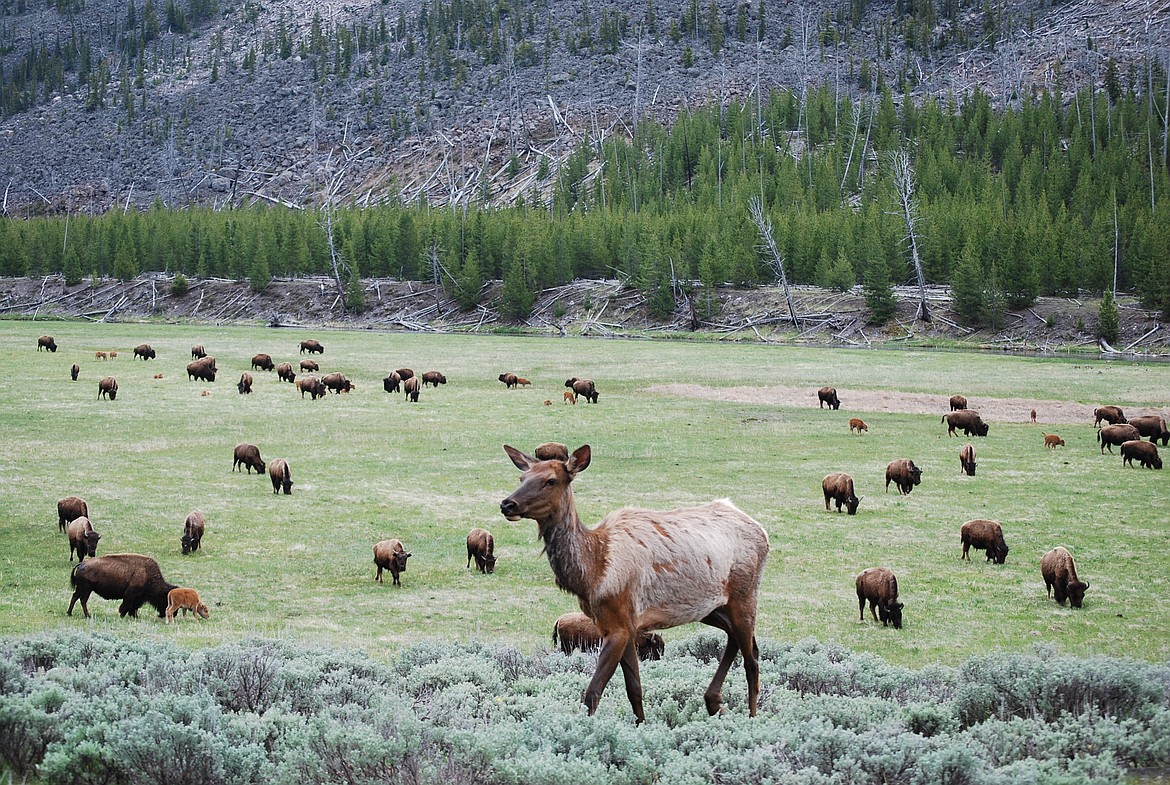
Photo by DON BARTLING An elk wanders through a herd of bison at Yellowstone National Park.
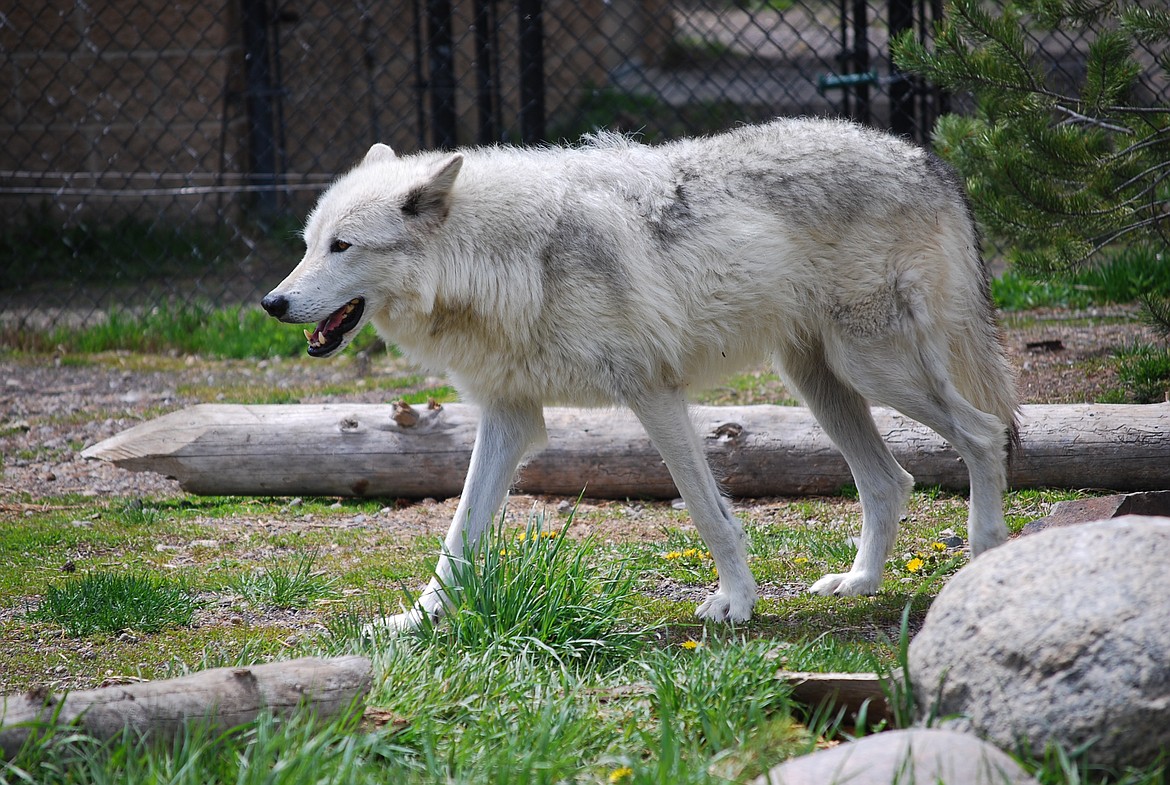
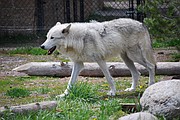
Photo by DON BARTLING A wolf in the exhibit at Yellowstone.
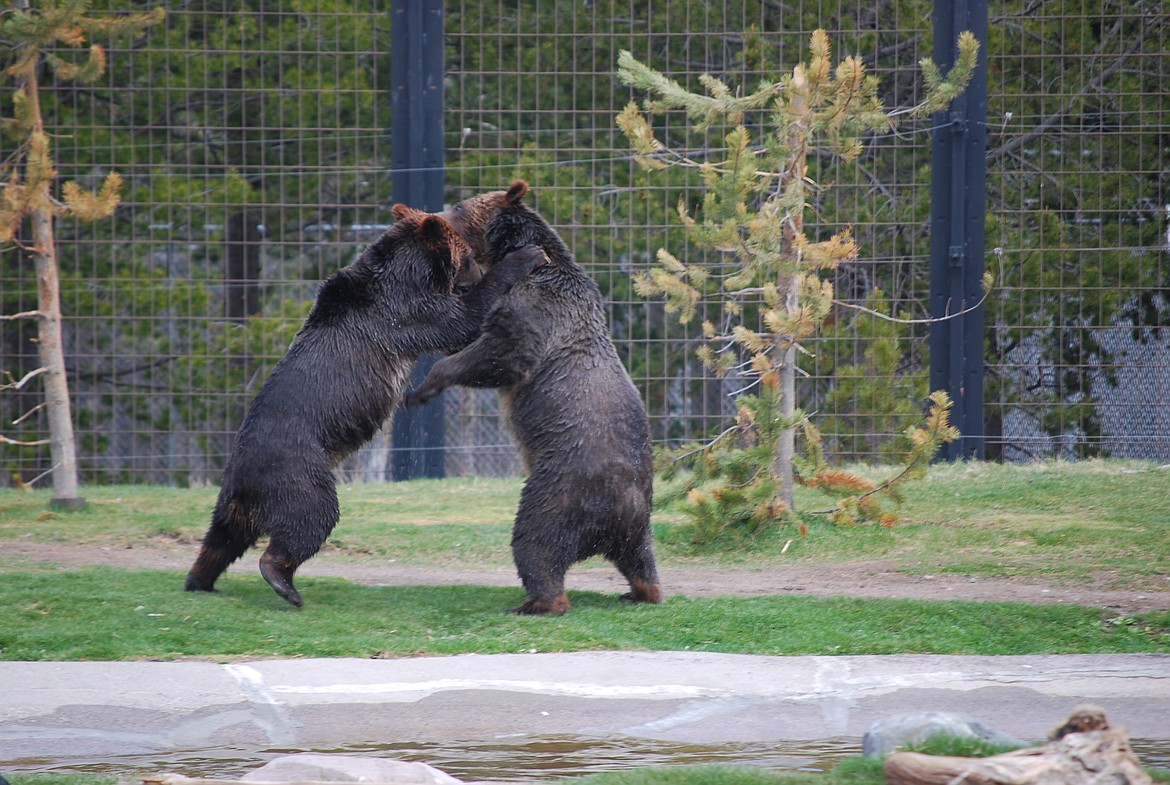
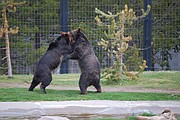
Photo by DON BARTLING Two sibling bears wrestle at Yellowstone National Park.
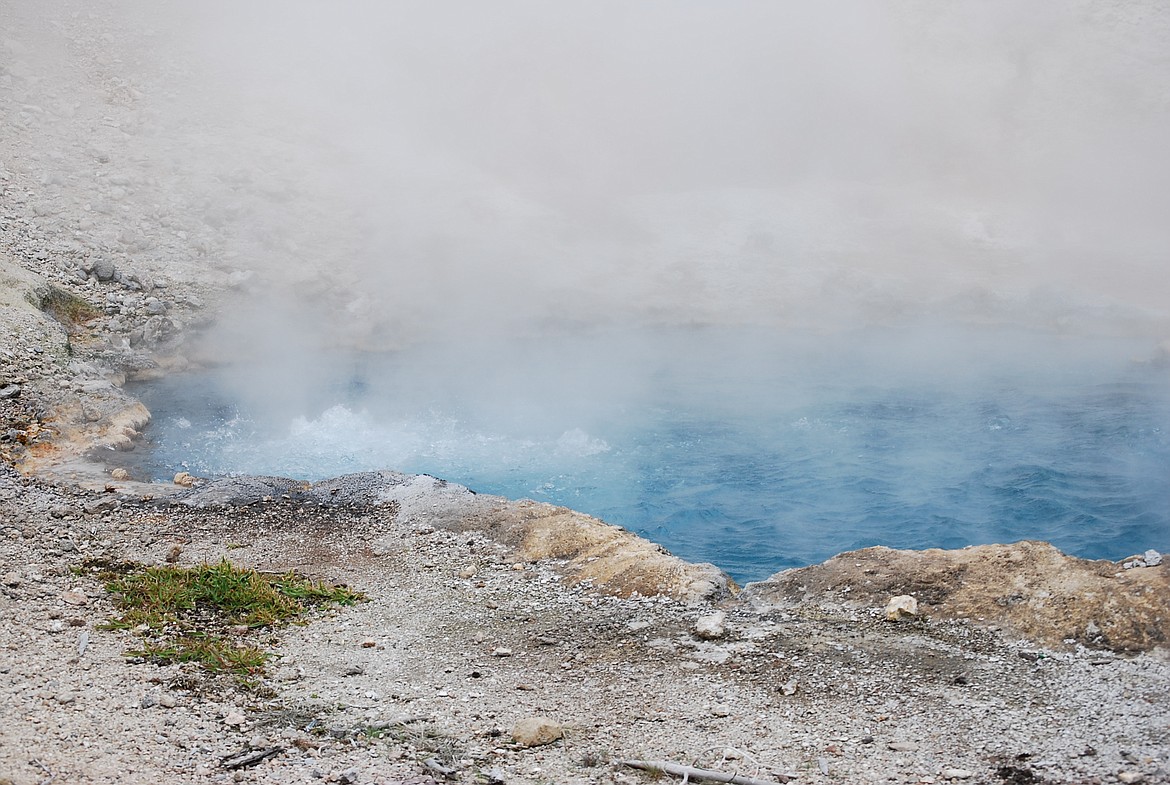
Photo by DON BARTLING Yellowstone is known for it’s geysers and hot springs.
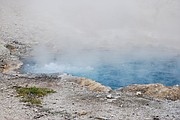
This year our spring vacation took my wife and I to the east entrance of Yellowstone, 53 miles west of Cody Wyoming to one of the most impressive national parks in the United States. After entering the east gate and traveling the 27 miles to Fishing Bridge we were impressed with the vast beauty of the park and the immenseness of Lake Yellowstone. The park has over 40 major waterfalls, approximately 300 active geysers and about 10,000 thermal features. The Grand Canyon of the Yellowstone is 1,500 to 4,000 feet wide and 1500 feet deep.
Spring in Yellowstone is a feast for your senses. Young animals are being born all around the park, birds are returning or passing through in their timeless migration, frogs call in the ponds. Just by listening, looking and enjoying the spring air you can tell this is a special time of the year.
As we traveled by the many geysers on our drive through the park we were reminded that preserved within Yellowstone National Park are Old Faithful and the majority of the world’s geysers and hot springs. An outstanding mountain wildland with clean water and air, Yellowstone is home to the grizzly bear and wolf and free-ranging herds of buffalo and elk. Centuries-old sites and historic buildings that reflect the unique heritage of America’s first national park are also protected. Yellowstone National Park serves as a model and inspiration for national parks through the world.
National Parks 100 years in the making
Established in 1872, Yellowstone National Park is America’s first national park. The park was dedicated by President U.S. Grant. Twenty years before Montana, Idaho and Wyoming were granted statehood.
Forty four years later on August 25, 1916, President Woodrow Wilson signed the act creating the National Park Service. This service now comprises more than 400 areas covering more than 84 million acres in 50 states. On August 25, 2016 the National Park Service will celebrate its 100th birthday. For a century the National Park Service has cared for and protected wildlife, land waterways, accomplishments, lessons and stories belonging to the citizens of the United States.
The park claims to have 50 mammal species, 311 bird species, 18 fish species, 6 reptile species, 4 amphibian species, and 5 endangered or threatened species. It is estimated that Yellowstone has 2000 earthquakes yearly. There are only 30 active volcanoes in the world and Yellowstone Park is one of them and the only one to be located on land.
Joining the Herd
As our journey continued we traveled the 16 miles from Fishing Bridge to Canyon Village beside the Yellowstone River and the next 12 miles to Norris. During this leg of our journey we were reminded of the many buffalo contained in the park. Buffalo are animals of the grasslands, from which they get their primary nutrition. The buffalo or bison are the largest land mammal in North America. Cows, calves, and some younger bulls comprise a herd. Mature bulls spend most of the year alone or with other bulls, except during the rut.
Calves can keep up with the herd about 2-3 hours after birth and are protected by their mothers and other herd members.
As we traveled through the buffalo herds, we were impressed with how they would graze peacefully through a valley as the young calf’s butted heads and frolicked in the green grass. On one occasion a bull walked along the highway in the east bound land and held up traffic with his slow gate for 10 minutes. Taking the opportunity for a good picture of the grazing herd of buffalo I stopped at one of the many pull out sections. After taking a number of pictures of the herd I noticed an elk wandering by between me and the herd. The resulting photograph made it look like the cow elk had a native rock on her head she was using to disguise herself as she passed by the herd.
West Yellowstone, Montana
In the afternoon we traveled the 16 miles from Norris to Madison and the last 14 miles to West Yellowstone Montana. We took advantage of the opportunity to see the Grizzly bear and Wolf exhibit, which housed 4 Grey Wolves and 6 Grizzly bears.
The two yearling grizzly bears entertained the viewers with a combative show while they wrestled each other which appeared to be a hostile battle but was merely a sibling rivalry.
For more articles visit www.naturallynorthidaho.com.
ARTICLES BY DON BARTLING OUTDOOR WRITER
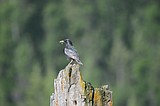
Startled by a starling leads to a special moment
Last week I was driving on a gravel road by Myrtle creek when I noticed a 12 foot tall old tree stump or snag. It had been dead for years and had several round holes visible, seemingly the size to fit a bird. I started to study the tree when on the northwest side I saw two small yellow beaks and then two heads and soon another head trying to peek out. Just when I realized there were three young birds waiting for their mother to feed them the mother showed up, landed on the top of the old wooden tree and gave me a scolding. I was startled by her aggressive action. I was impressed with her shiny purple black feathers, long and pointed yellow bill and short tail. However, I quickly reviewed my “Birds of Idaho” book to discover that she was a European Starling. I was startled by a Starling!

The hum of hummingbirds a welcome sound in N. Idaho
For the past 15 years that my wife and I have lived in North Idaho we have enjoyed the wildlife of Boundary County including the migration of many birds. One of our favorite migrating bird is the hummingbird. Last May 1, we heard the welcoming humming helicopter sound of small wings by our west kitchen window. Fortunately the feeder was full and the hummingbird became busy eating the nectar. We don’t know if it was one of the same hummingbirds that had been to our property last year, but we would like to think so. Some studies and some scientist believe many hummingbirds return season after season to the same nesting and feeding area.

Oh deer! The fawns are here! Keep an eye out
Everyone thinks whitetail deer fawns are cute and playful; and they are! Last week I was driving by the Kootenai River in western Boundary County when I had the good fortune of spotting a pair of Whitetail twin fawns with their mother beside the road in a grassy open area. They were only a few days old and had some difficulty in managing the terrain and running too safety, but were soon out of sight hiding in the grass and brush. The following morning I saw a single Whitetail fawn beside his mother, he appeared to be only hours old and had trouble walking and keeping up with her, but followed his mother’s lead and was soon gone from my vision, vanishing in the pine trees. I thought how wonderful it is to live in north Idaho where there is an abundance of wildlife and to appreciate their habitat.