
With unusually warm weather, disease carrying ticks are active
Chris Peterson Hungry Horse News | Hagadone News Network | UPDATED 9 years, 9 months AGO
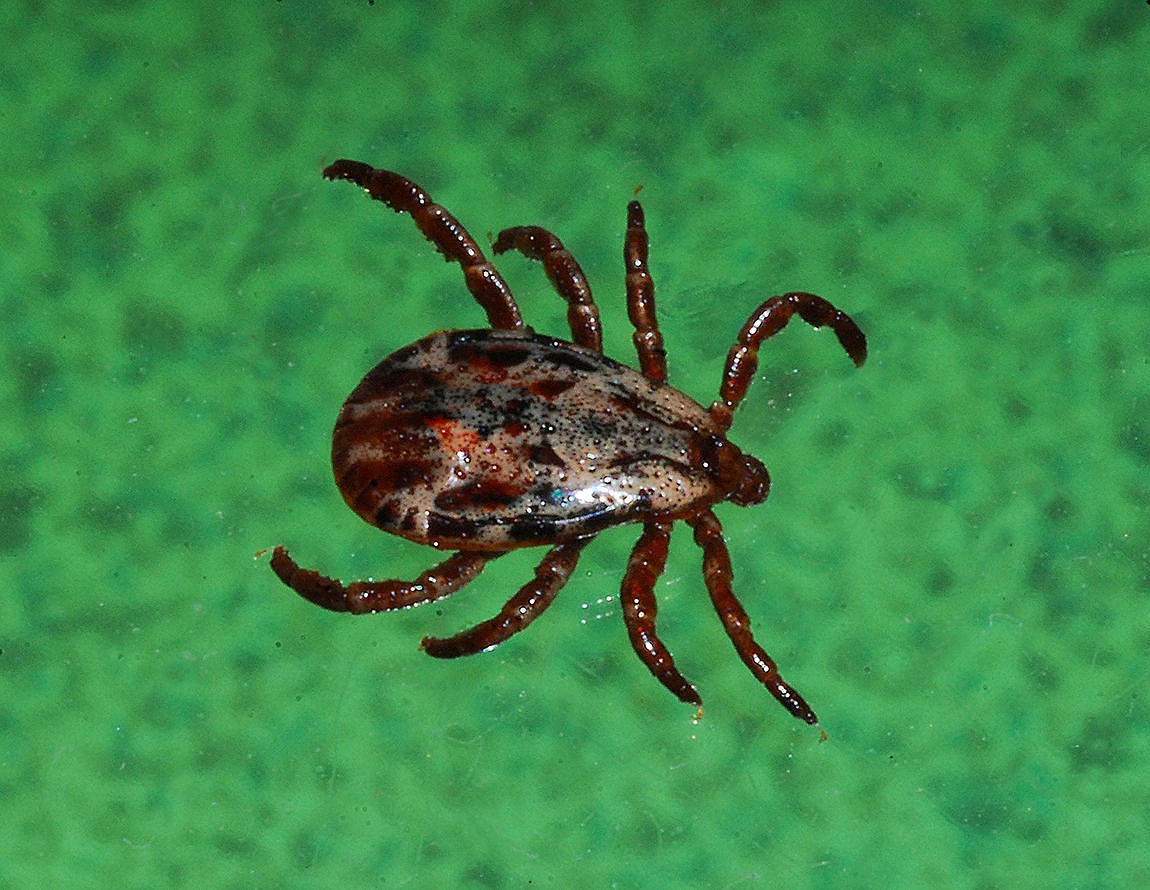
A wood tick
The recent spate of warm weather has wood ticks active in the Flathead Valley. Ticks normally aren’t active this early, but rains have melted low elevation snows and temperatures last week were in the 40s and 50s. The high temperature last Friday was 54.
Ticks normally aren’t active until snows melt in April and May.
Wood ticks can carry at least two known illnesses, including Colorado Tick Fever and Rocky Mountain Spotted Fever, according to the Centers for Disease Control.
The CDC recommends that ticks that are biting a person should be removed with tweezers by pulling straight up, so the mouth parts do not break off in the skin. The wound should then be cleaned with an antiseptic like rubbing alcohol or soap and water. Ticks should not be crushed — it can spread the bacteria inside them. Flush them down the toilet or place in alcohol, a sealed container or wrap tightly in tape and dispose of it.
Hikers should wear light clothing and use insect repellent when hiking in tick country. The light-colored clothing makes it easier to see ticks. Ticks are especially common on south-facing, brushy slopes. Ticks can live for an extended period of time in vehicles, clothing and packs.
Ticks find their hosts by detecting a person’s or animal’s breath and body odors, or by sensing body heat, moisture, and vibrations. Some species can even recognize a shadow. In addition, ticks pick a place to wait by identifying well-used paths. Then they wait for a host, resting on the tips of grasses and shrubs. Ticks can’t fly or jump, but many tick species wait in a position known as “questing.”
While questing, ticks hold onto leaves and grass by their third and fourth pair of legs. They hold the first pair of legs outstretched, waiting to climb on to the host. When a host brushes the spot where a tick is waiting, it quickly climbs aboard. Some ticks will attach quickly and others will wander, looking for places like the ear, or other areas where the skin is thinner, the CDC notes.
If a person has been hiking in tick country, it’s best to check oneself afterwards. Ticks love to crawl into armpits, behind ears, belly buttons and other dark soft areas of the body.
ARTICLES BY CHRIS PETERSON HUNGRY HORSE NEWS
Experts forecast flooding by area rivers and streams
With continued cold weather, the potential for flooding by area rivers and streams has increased, the National Weather Service warned last week.
Search suspended for missing skiers
The search in Grand Teton National Park for two men with ties in the Flathead has been suspended because of inclement weather. The men are believed to be lost in an avalanche.