
'Detroit' delivers
Coeur d'Alene Press | UPDATED 9 years, 1 month AGO

With the Oscar-winning “The Hurt Locker” and the galvanizing “Zero Dark Thirty,” director Kathryn Bigelow and writer Mark Boal have engineered their own subgenre of fact-based thrillers. Both films take unflinching, ground-level perspectives on war and terrorism to demonstrate how such violence influences the individuals tasked with living through it.
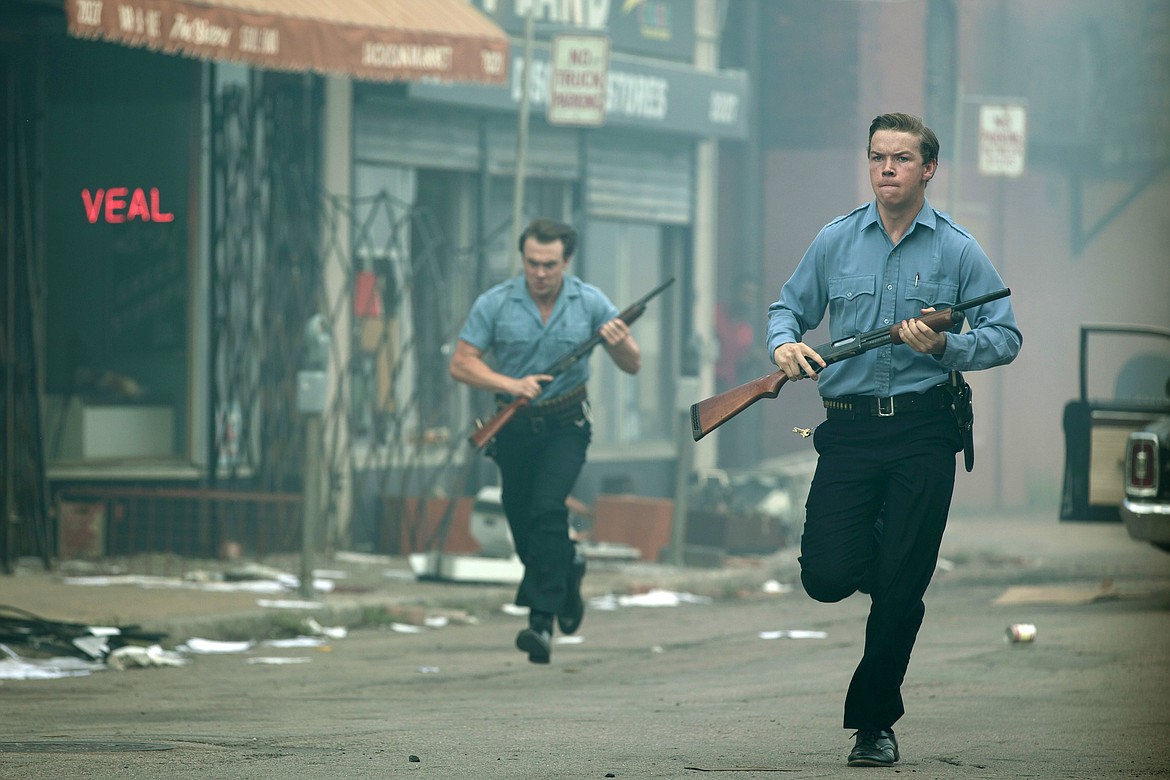
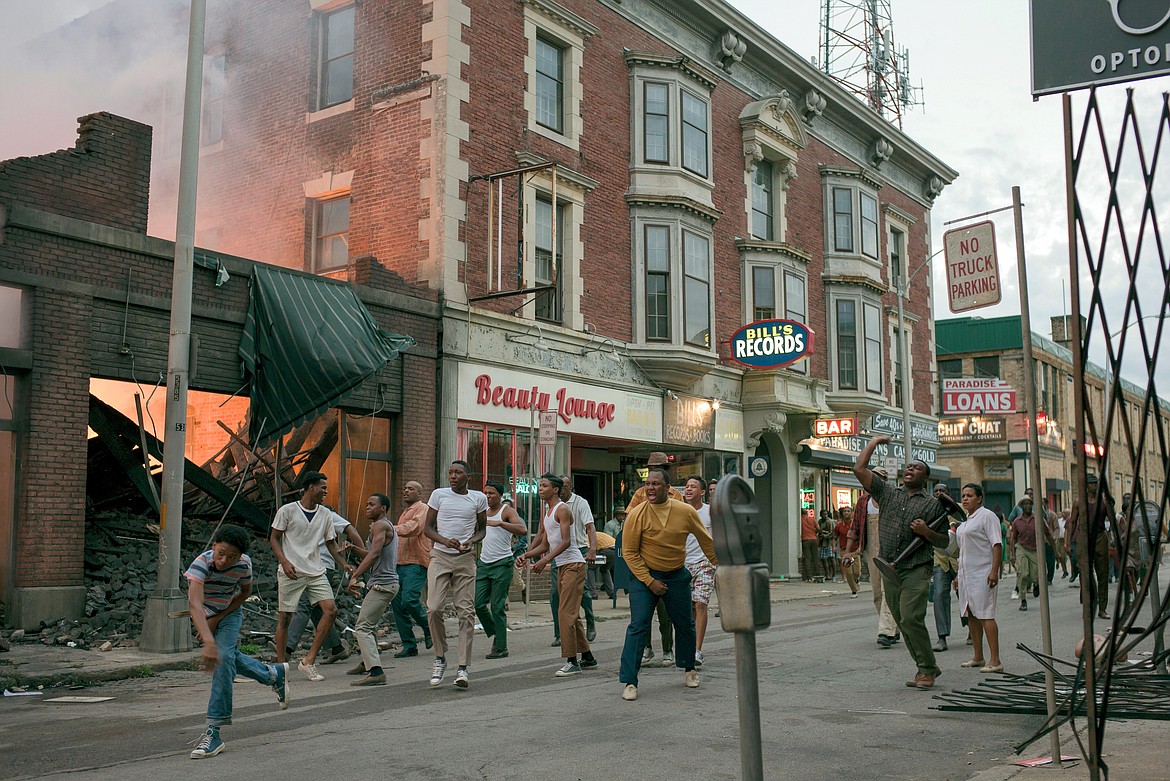
Their newest collaboration, “Detroit,” attempts to do the same with the 1967 Detroit street riots, and most notably an incident at the Algiers Motel that led to the death of three black men after police responded to reports of a sniper at the motel.
Unlike “Hurt Locker” and “Zero Dark Thirty,” “Detroit” shifts perspectives between several individuals involved in the incident, including a black private security guard (John Boyega), an aggressive white police officer (Will Poulter), a war veteran staying at the motel (Anthony Mackie) and an up-and-coming R&B singer (Algee Smith) who rents a room after a music hall performance is interrupted by rioting.
Bigelow and Boal balance these multiple storylines remarkably well, folding some character introductions into the riot-focused first act while saving others for when the confrontation begins at the Algiers. Many movies find it difficult to establish a meaningful arc for a single character, whereas “Detroit” creates at least a half dozen compelling character threads, with Smith’s musician being the most crucial to the film’s dramatic punch.
The Algiers standoff takes a majority of the film’s running length, and Bigelow’s masterful staging is frantic and unforgettable. It’s a difficult hour to watch, as the film puts you on the line with these characters as police interrogate and beat them into providing information on the apparent sniper. (The film posits, based on multiple accounts of the incident, that the gunshots heard from the hotel were from a harmless starter gun).
The Algiers sequence is as enthralling as anything in Bigelow’s career, and the film provides an unforgettable perspective that surely will inspire moviegoers to connect the depiction with more recent incidents of police vs. citizen violence. The movie itself, despite its intensity, plays its politics somewhat down the middle — even making time to show the racist actions of a few officers as unrepresentative of a broader problem.
Talking about the racial and political undertones of “Detroit” should be left to those more experienced in those arenas, though many film critics have raised the issue of whether white filmmakers can truly provide an honest perspective on the African-American experience during that time and how it relates to modern conflict.
Just looking at the film itself, “Detroit” is well-researched and provocative in its depiction of the Algiers incident, though it makes a point at the end to say that some creative license was taken to extrapolate on the unknowns in the case.
Where the film really stumbles is in its last act, when Boal’s screenplay condenses the aftermath of the incident into broad, generic strokes. There’s too much devoted to the court case against the police officers, especially in how it telegraphs that inevitable climax. The strong character focus from the first two acts also just peters out in favor of cliché historical drama declarations. It leaves the audience with the equivalent of a history class lecture, which exists in contrast to the immersive nature of the Algiers sequence.
Bigelow is one of the best working directors around, and for much of its running time, “Detroit” lives up to her recent acclaimed output. Regardless of its lackluster ending, its existence should spark a conversation of the Algiers incident and how that either resembles or stands apart from more recent confrontations. Even in its weakest moments, the film doesn’t telegraph how it wants people to feel about it, which is the same quality that enriches “Hurt Locker” and “Zero Dark Thirty.” “Detroit” is authentic enough to influence without pandering.
- • •
Tyler Wilson can be reached at [email protected]