
'Neither Wolf Nor Dog' bridges gap between cultures, worlds
Bonner County Daily Bee | UPDATED 9 years AGO
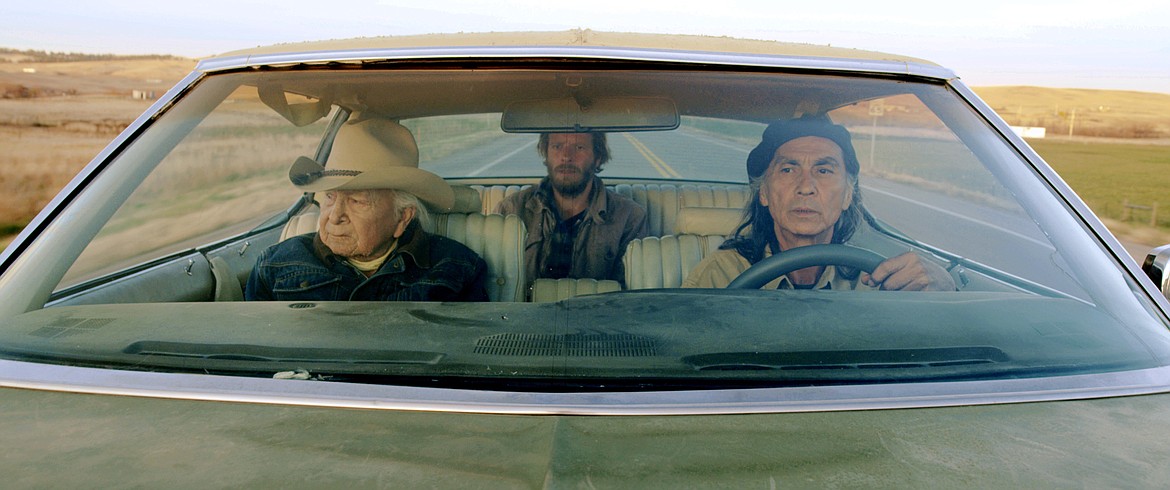
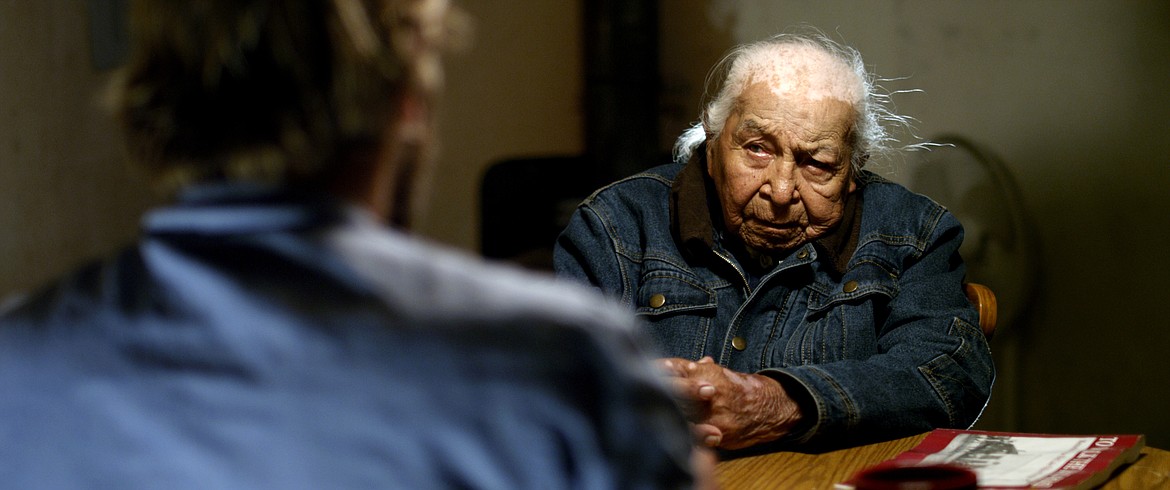
The movie is based on a popular book by Kent Nerburn that blends fictional and true elements, and he co-wrote the screenplay with director Steven Lewis Simpson.
Kent (solidly played by Christopher Sweeney) has compiled an oral history book with the help of Indian students in Minnesota. After the success of that project, he gets a rather curt call summoning him to visit an elderly Lakota man, Dan (a stellar performance by Dave Bald Eagle).
Kent’s wife is heading out of town and his father recently has died. He’s feeling a bit unmoored, so he decides to make the 1,000-mile trip across the Great Plains to the old man Dan’s clapboard shack on a bleak and poverty stricken reservation.
Dan interrogates Kent as to his motives for working with Natives. Satisfied, Dan hands Kent a shoe-box full of notes and tells him to turn them into a book. (One example is “When white people won, it was a victory. When we won, it was a massacre.”) Kent is stunned by their profound insights about American culture and the Native perspective. In a desolate motel Kent tries to construct a chapter from the notes.
Upon return to read it to Dan he’s subjected to a frosty reception from Dan’s granddaughter, Wenonah and his friend, Grover, who describes it as “tom tom” garbage. Upset, Kent frantically reworks it but fails. Dan convinces him to ask Grover for help. Grover agrees but persuades Dan to burn the notes. Kent is horrified. “Now we’ll do it the Indian way,” Grover states. “Now you’re the box. Now we’re going to fill you up.”
After a tormented night, Kent wakes resolved to quit but upon returning to tell Dan, Wenonah informs him “Dan’s gone on a little trip.” Kent confronts Wenonah as to their terrible treatment of him but she silences him with a barrage of the horrors Dan has faced. Kent angrily speeds away; ironically, his truck revolts and dies. In despair he leaves it in the hands of Jumbo, a 400-pound mechanic. Grover and Dan emerge and suck Kent into a road trip deep into Lakota Country; stopping at an old, ruined homestead, visiting a “frontier town” museum and helping a drunk Lakota man and his girlfriend. Throughout Dan talks sporadically, echoing the notes in the box. Kent records it all.
We hear more stories taken from Dan’s box of papers, and see the trio’s encounters with both white people and Native Americans. Along the way, Kent begins to understand more about the men and learns to look beyond the stereotypes.
During a stop Kent tells Dan’s granddaughter Danelle about his mission. She reveals that Dan’s son — her father — was trying to create such a book from those burnt notes when he was killed in a car accident. “You don’t know what you’ve gotten yourself into Kent!” He realizes that she is right. He feels lost as they then drive deeper into the wilderness; the Badlands.
A storm engulfs them, which Dan interprets as a voice from the dead willing them to Wounded Knee. As they walk by the mass grave, Dan talks about the massacre and confronts Kent until he breaks through an emotional wall. Kent connects with a guilt over what his people perpetrated, merged with an empathy for the Lakota people and the horrors inflicted upon them that fateful day. Kent finally understands why Dan sucked him unwittingly into this journey; not just to translate Dan’s words, but to convey the entirety of their whole trip in the book including his own enlightenment.
The film is quite strong when it comes to creating a sense of place; you feel like a visitor in the tiny kitchens and museums they step into (the movie was filmed on the Pine Ridge Indian Reservation in South Dakota and small Rushville, Neb.). The movie’s warmth and sincerity are effective. So is the interplay between Kent and Dan. Bald Eagle died last year at age 97 after filming was completed, and his disarmingly natural performance jumps off the screen. He really gives the movie a heart.
The film is showing at the Panida today at 7:30 p.m.; Friday, Aug. 18, at 5:30 p.m.; and Sunday, Aug. 20, at 3:30 p.m.
Information: panida.org