
'Food for the soul'
Coeur d'Alene Press | UPDATED 8 years, 1 month AGO
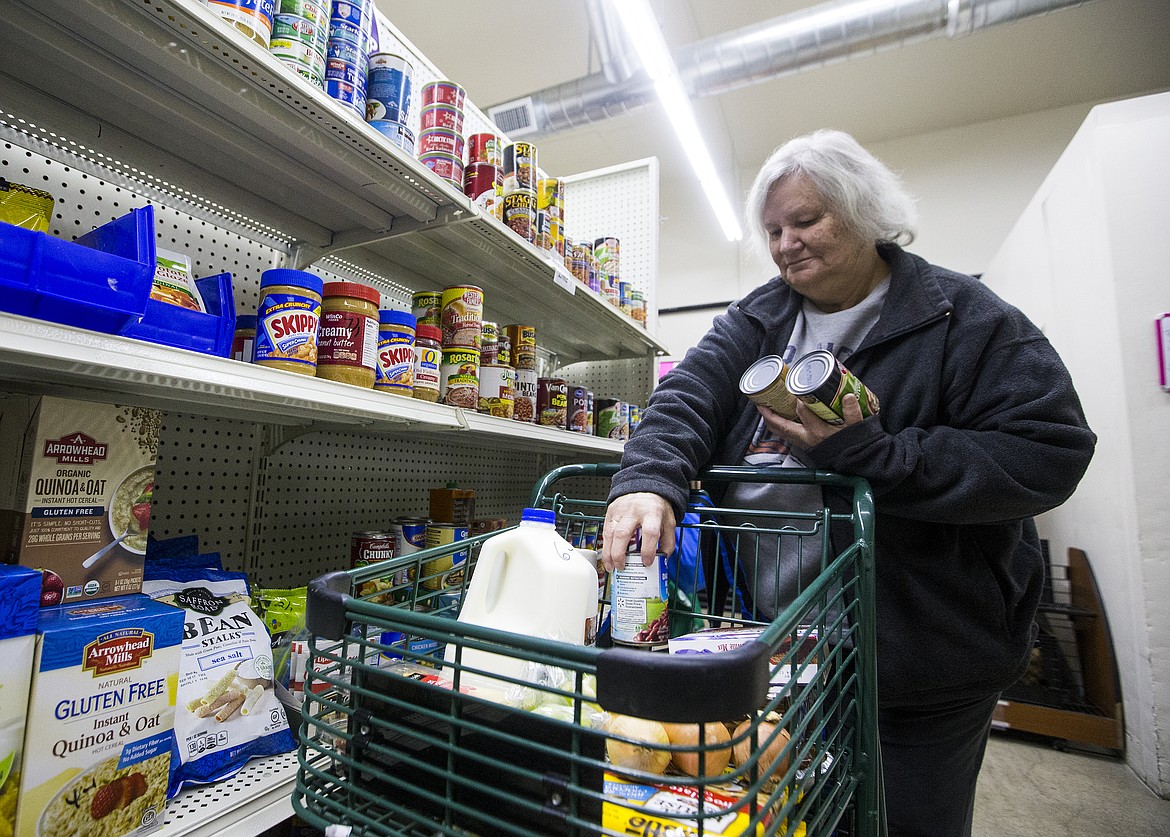
Post Falls resident Pat Walls places canned beans inside her shopping cart Tuesday morning at the Post Falls Food Bank. LOREN BENOIT/Press
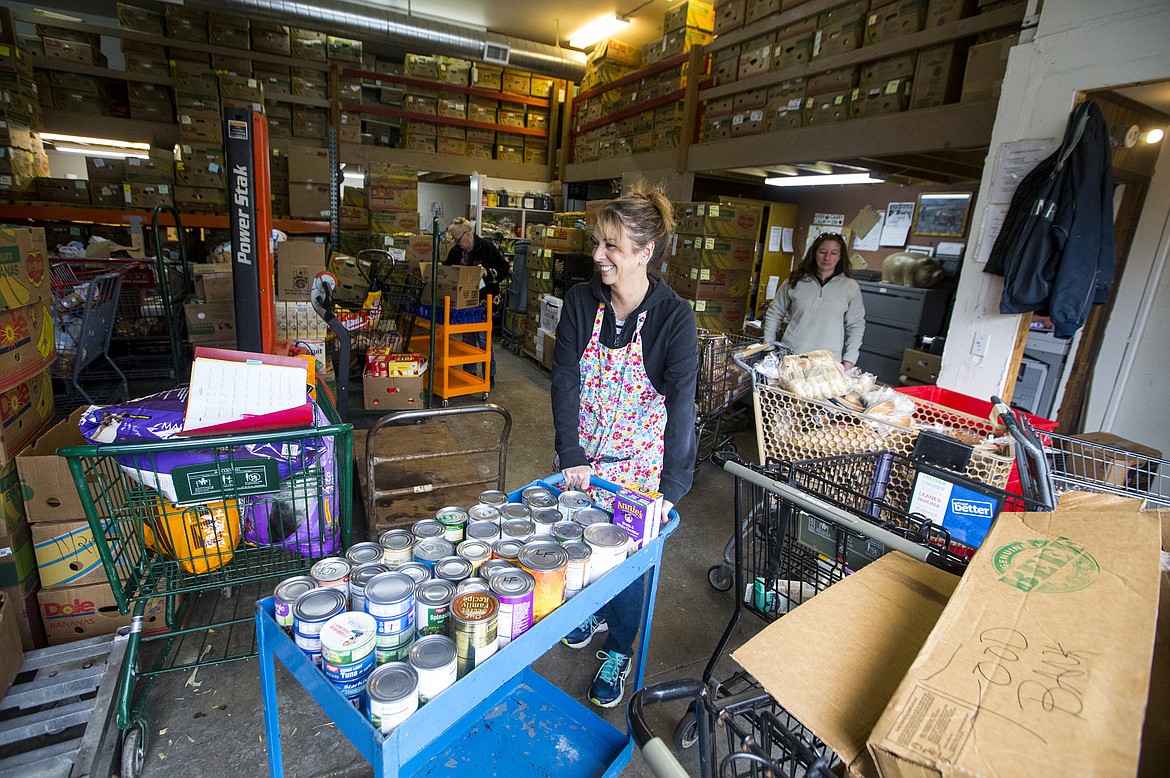
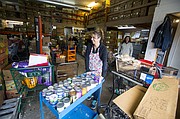
LOREN BENOIT/PressVolunteer Tia Brown moves canned beans and soup from storage to the front floor at the Post Falls Food Bank on Tuesday.
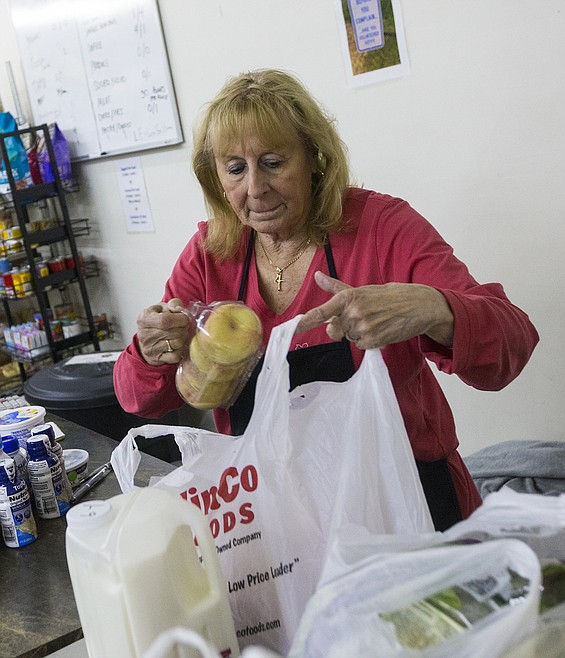
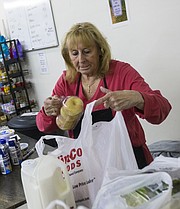
LOREN BENOIT/PressVolunteer Augusta Lazzari bags groceries for a customer at the Post Falls Food Bank on Tuesday.
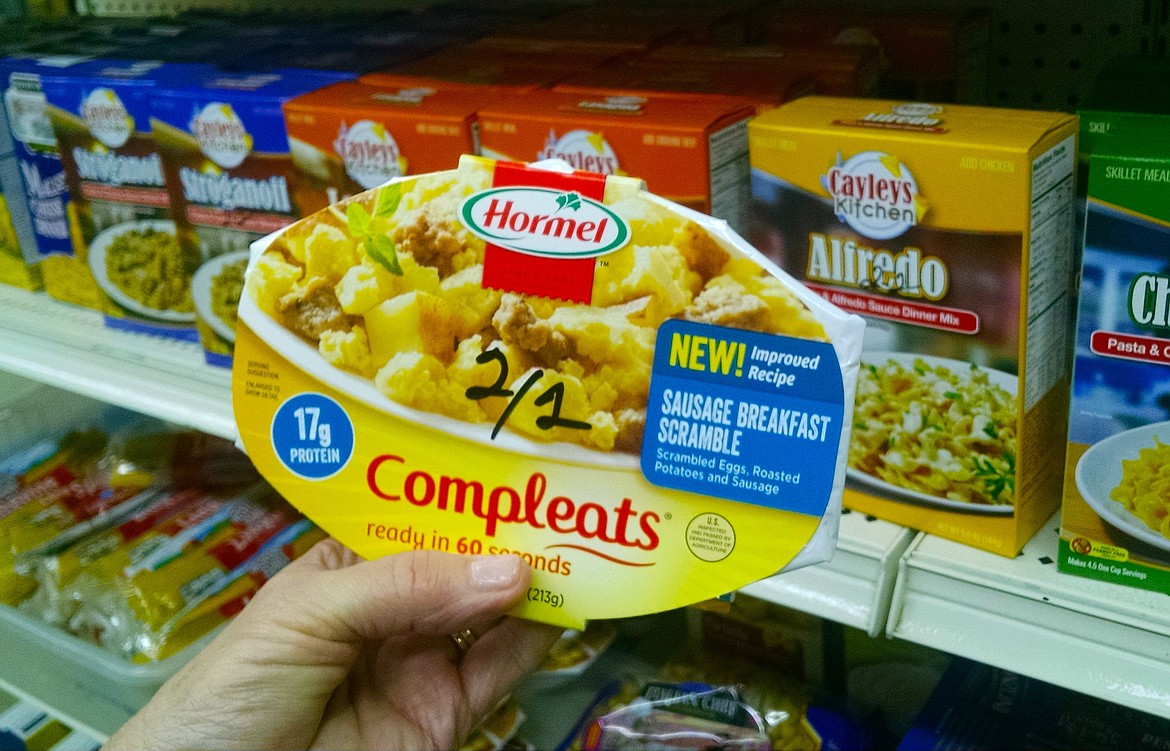
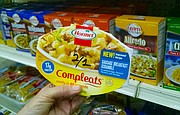
BRIAN WALKER/Press Goods in the Post Falls Food Bank's marketplace are marked with two numbers. The first shows how many points the item is worth. The second is the limit on how many of the items guests can have per visit.
By BRIAN WALKER
Staff Writer
POST FALLS — With a sheet to track points she's issued to receive food at the Post Falls Food Bank, DeAnna Sanders pondered how much she appreciates the nonprofit's efforts to get folks back on track.
"This is almost paradise for someone who needs help because there's so many options," Sanders said as she waited to check out from the food bank's marketplace resembling a mom-and-pop grocery store.
Sanders was speaking of the recent changes at the food bank, including the point system that allows guests to choose their own groceries and learn budgeting, assigned days for clients to come in, easy-to-follow recipes, visits from service providers, food samples and upcoming cooking classes on healthy meals.
"I feel blessed," Sanders said softly. "I love the market because it has quality foods such as fresh fruits, dairy, meat and canned goods, and they always make you feel welcome here. You get what you personally need and are not just given a box of food."
About two years ago the food bank underwent a $55,000 remodel that divides the facility into four sections — a warm front reception area, the market, a processing section and the warehouse.
When guests first come to the food bank, they chat with staff about their situation and provide proof of income and other documentation.
"Our resource specialist (Lori Weaver) knows all about their problems, kids, dogs and living circumstances," said. Leslie Orth, executive director. "A relationship is built from the minute they walk in the door."
Guests are allowed monthly points based on the number of people in their family and need. They are assigned dates to shop once a week at the marketplace and, in the process, learn budgeting and critical-thinking skills.
"They take ownership of their points and very mindful of how they spend them," Orth said, adding that the point system and assigned days also stretches resources.
Goods on the shelves are marked with two numbers — the first is the point "cost" and the second is their limit number. Larger items are marked with "LF" for large families. Points can not be rolled over to the following month.
No points are deducted for produce.
"We have it that way very purposefully," Orth said. "People in poverty tend to be malnourished. They could be 100 pounds overweight and still malnourished. If people go to the grocery store with $50 in their pocket, they're likely not going to hang out in produce because it's expensive. They're going to go to the cheapest area and get processed or dried food and unfortunately those don't have the most nutrients."
The food bank collaborates with the University of Idaho's Eat Smart Idaho program to provide easy-to-follow healthy recipes and food samples.
Orth said cooking classes are expected to start in January. She has applied for a grant to purchase 30 Crock Pots to give to families at the end of six classes.
"We want them to change how they eat, so they can save money and eat healthier," Orth said. "Our goal is to have families move into a better situation in a year, and we'll reach that by not just handing them food with no value. We have programs intended to change their lives."
Representatives from Heritage Health and employment agencies visit the food bank frequently to assist with helping clients improve their situations.
"Our end game is, 'How can we help you move out of this situation?'" said Orth, adding that poverty will never be eliminated and others will need help in the future. "The kindest and most loving thing we can do is to help our guests so they can feed their family on their own."
Orth said several of the food bank's staff of six and 50 volunteers will speak with guests, if asked, about cooking as simple as boiling spaghetti noodles.
The food bank has about 3,500 check-ins each month.
The nonprofit is also unique from some other food banks in that it doesn't use federal funding to operate. It is run on donations from local businesses and residents and grants.
"When you accept money or food from the government there are a lot of strings attached and you give up control of your programs," Orth said. "I choose not to get into that arena. This really is a community-supported food bank."
Items needed for the upcoming holiday season includes tuna, canned fruit and vegetables, chili, spaghetti sauce, crackers, pancake mix and toilet paper.
The food bank assists other nonprofits such as soup kitchens and a weekend backpack program for students in need of food.
A logo in the food bank's lobby states, "Food for the Soul."
"You're not just getting a basket full of food and told, 'See you later,'" Orth said. "You have human contact, take control of your nutrition and hopefully your heart is full as well."