
More flexibility for fairs under new funding law
Emry Dinman Staff Writer | Hagadone News Network | UPDATED 7 years, 12 months AGO
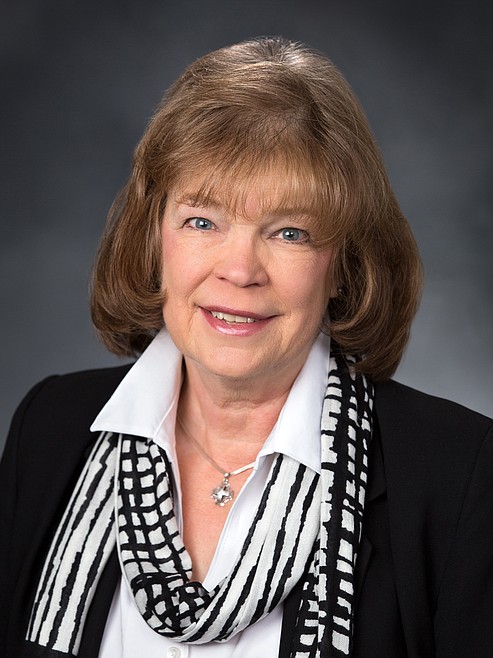
Warnick
A bill from Sen. Judy Warnick, R-Moses Lake, to make funding more flexible for the approximately 64 fairs in Washington was signed into law Tuesday.
The bill represents the first update to fair funding in 50 years, according to a newsletter. Under existing law, the state treasurer transfers $2 million annually to the state’s fair fund, which fairs have been able to apply for to cover the cost of premiums and prizes awarded to those showing animals, crops or crafts.
The bill updates existing statutes to allow fairs to apply for these funds for operational costs, something Warnick said was requested by fair boards and the state Department of Agriculture.
“Some of our smaller fairs need just a little bit extra in order to operate,” Warnick said.
While opening up state funds for a fair’s operational cost, flexibility was a key concern from stakeholders who wanted premiums and prizes to still be considered a priority.
“I grew up showing animals in 4-H, so I know when you get a premium check after the fair, sometimes those checks aren’t very much, but it makes you feel like you benefited from all the hard work you did,” Warnick said.
The bill also changes statutes that require fairs to take place every year or lose out on state funding, creating an exemption for fairs canceled due to natural disasters.
Ferry County was forced to cancel its county fair last year due to wildfires, and Kittitas County has narrowly avoided having to do the same in the past.
Another bill introduced by Warnick would have implemented a sales tax derived from use of fairgrounds which would have added up to another million dollars into the state’s fair fund. The legislation died in the state House, but Warnick said she plans to bring it forward again next year.
State and county fairs are tremendous benefits to communities, Warnick said, whether it’s the economic boost to local businesses, the opportunity for kids with 4-H or Future Farmers of America to show animals, or to educate the public about agriculture.
The law will be effective 90 days after the end of the legislative session, which was March 8.
ARTICLES BY EMRY DINMAN STAFF WRITER

Manweller won't resign unless re-elected
Rep. Matt Manweller, R-Cle Elum, said Monday that he will continue to serve the remainder of his term but will resign if re-elected this November. Manweller is still urging voters to elect him, as state law would allow the seat to be filled by another Republican.

Cave B Estate Winery, rooted in the Columbia Basin
It takes a certain clarity of vision to get temporarily distracted with a little, incidental side-project – creating the Gorge Amphitheatre – only to retire from managing the hottest music venue in the Northwest to dedicate more time to an older passion: making premiere Washington wine.

Evaluating innovation at Augie's Ag Sales
EPHRATA — When Augie Kooistra of Augie Ag Sales sells his customers corn seed, he wants to know that the product he’s selling is reliable. After all, corn that does well in the Midwest doesn’t always do well in the West, despite the best marketing from dozens of different companies saying their seed will bring farmers good fortune.