
Outlook predicts warm winter with less snowfall
HEIDI DESCH | Hagadone News Network | UPDATED 7 years, 11 months AGO
DEPUTY EDITOR, FEATURES Heidi Desch is the Deputy Editor at the Daily Inter Lake, overseeing coverage of arts, culture, lifestyle, community, and business. Desch leads reporters in developing stories that highlight the people, traditions, and events shaping Northwest Montana, guiding content across print and digital platforms. With more than 20 years of journalism experience, including serving as managing editor of the Whitefish Pilot, Desch is a graduate of the University of Montana School of Journalism. She has received multiple Montana Newspaper Association awards, including part of the team leading the Daily Inter Lake to Best Daily Newspaper in Montana Award and the General Excellence Award in 2024 and 2025. IMPACT: Heidi’s work connects readers with stories that deepen the understanding of the community beyond daily news. | October 31, 2018 6:40 AM
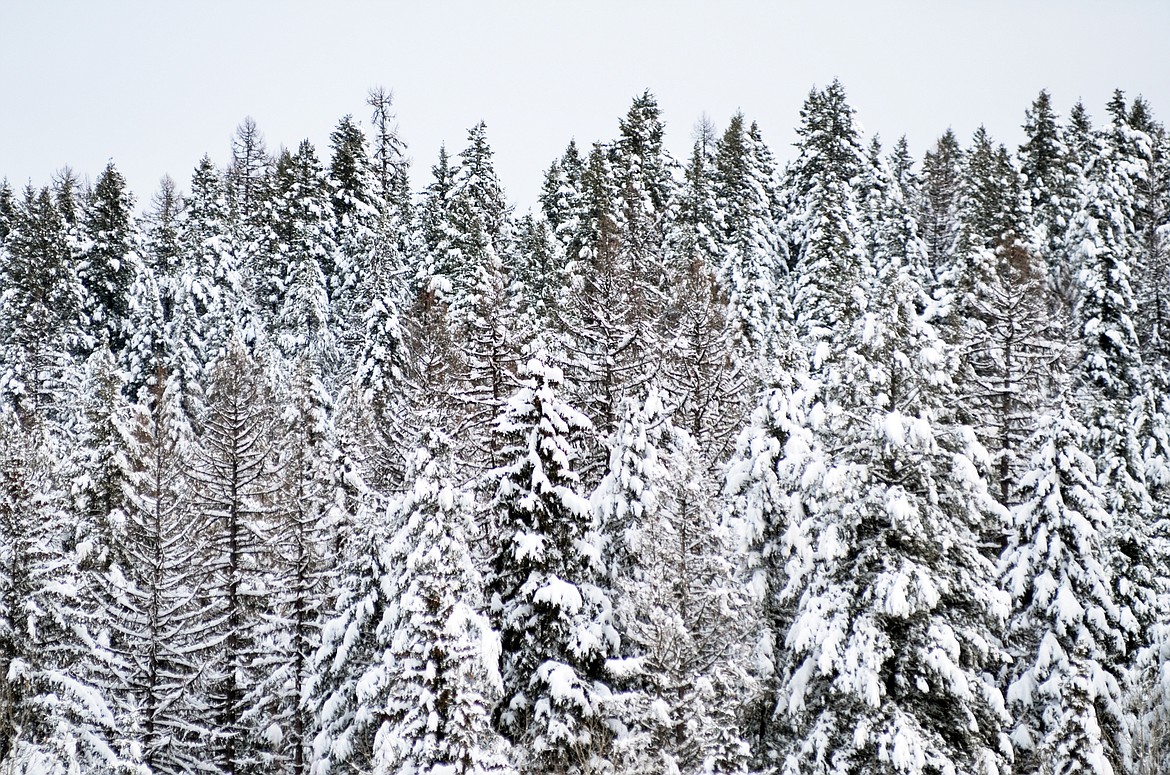
The winter of 2018-19 could be warmer with less snowfall than normal, if weather predictions hold true.
The National Weather Service in Missoula Monday released its winter outlook for the northern Rockies predicting a high likelihood for a weak El Niño system this winter. Bob Nester, climate program manger, said the last couple of years were marked by pretty harsh winters with near record snowfall and cold Arctic systems, but this winter is likely to be different.
“We’re expecting at or below normal snowpack,” he said. “And above normal temperatures especially with valley inversions.”
Nester cautioned that the forecast is a seasonal outlook for December to February and variations in that prediction are likely to occur.
A weak El Niño system for western Montana is likely to mean below average snowpack.
“For the basins in western Montana the average is 68 to 82 percent of normal,” he said. “That’s pretty low especially when last year we averaged over 140 percent of normal.”
During a weak El Niño year, the Flathead Basin averages 79 percent of normal snowpack on April 1 at the end of the winter season and average snowfall for December to February for Kalispell average 50 to 75 percent of normal.
Nester said that it doesn’t mean that western Montana won’t see precipitation, it just may not come in the form of snow.
“That is due to above normal temperatures over the winer,” he said. “So you get higher temperatures and not as much snow.”
“This does not mean we won’t see snowfall,” he cautioned. “Or perhaps have a big event here and there, but over the course of the season fewer events are expected.”
During El Niño, drier conditions are usually present in the Pacific Northwest and Alaska, he noted.
The confidence is high for above normal temperatures across much of the Western United States for the winter season based upon temperature records from 1950 to 2010 generally showing above normal temperatures during a weak El Niño. Precipitation varies at above, below or near normal.
The National Weather Service also recently released its winter outlook for the entire country for December through February, which is calling for a mild winter in store across the northern and western United States.
Forecasters are saying there is a 70 to 75 percent chance of El Niño developing.
ARTICLES BY HEIDI DESCH
Whitefish wildfire protection plan up for City Council review
Fourteen areas of concern that are primed for mitigating wildlife risk are at the center of a draft Whitefish Community Wildfire Protection Plan.

Kalispell resident advocates for more women in the trades after being crowned Mrs. America
Standing on the stage in Las Vegas, wearing a white formal gown accented with feathers on one shoulder, Qadra Evans gripped hands with a fellow competitor.

Whitefish mulls updates to community growth plan
Whitefish City Council on Monday will consider updates to its community plan including language that looks to protect the historic character of its downtown amid state requirements allowing buildings up to 60 feet in height in certain zoning districts.