
Yep, it's chick season, but please don't kiss the birds
CHRIS PETERSON | Hagadone News Network | UPDATED 6 years, 9 months AGO
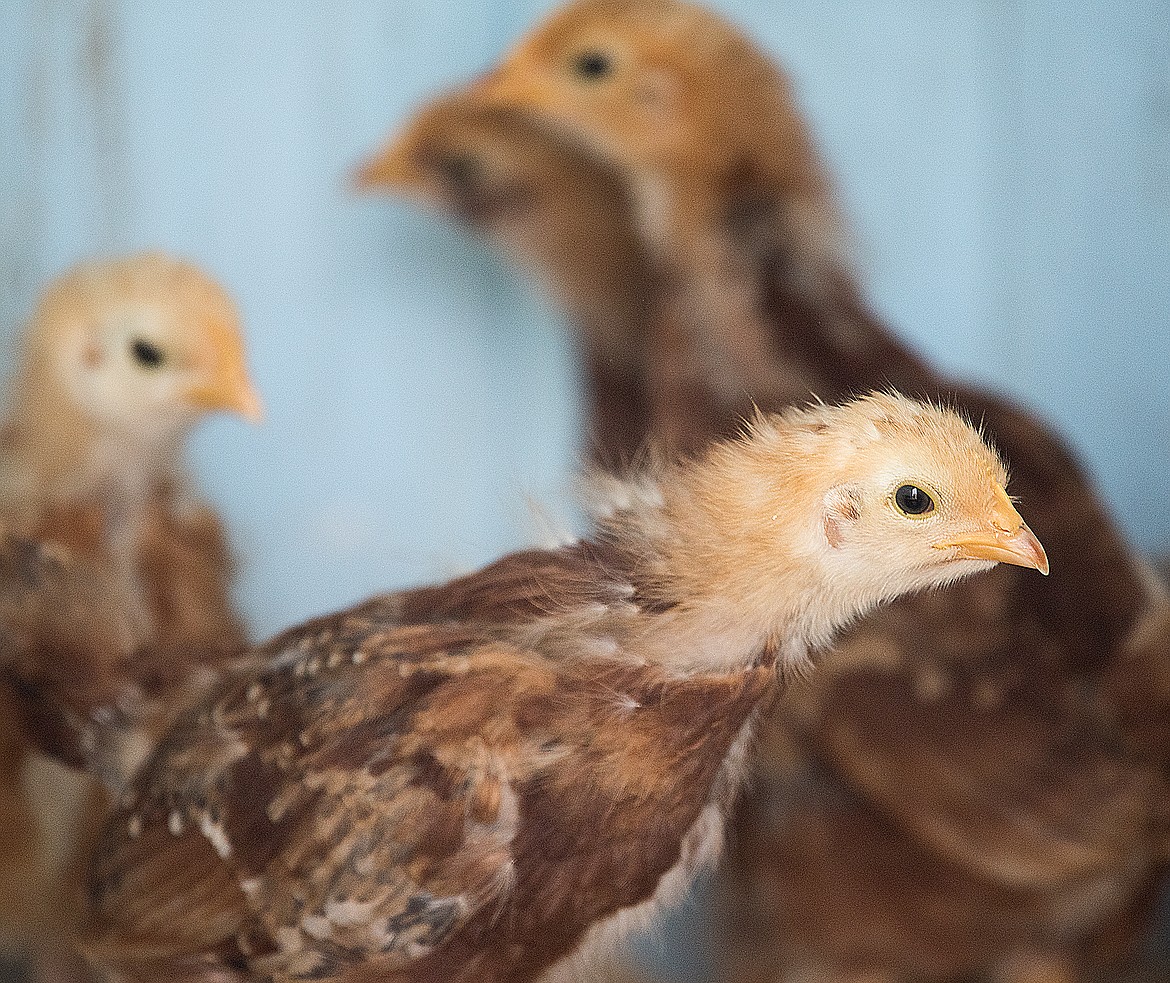
Chicks may be cute, but they can also carry harmful bacteria that will make you sick.
Chris Peterson is the editor of the Hungry Horse News. He covers Columbia Falls, the Canyon, Glacier National Park and the Bob Marshall Wilderness. All told, about 4 million acres of the best parts of the planet. He can be reached at [email protected] or 406-892-2151. | March 20, 2019 6:56 AM
With virtually every feed store in the valley selling live chicks, the state Department of Health and Human Services and the Department of Livestock is again reminding folks that birds can carry illnesses and disease that can make people sick, or worse, if the birds are not properly handled.
In addition, people raising chickens are also urged to use electric or other fencing to keep bears and other predators out of coops and feed.
On the human health side of raising chickens, poultry can carry and shed bacteria such as Salmonella without showing any signs of disease. Salmonella can cause illness in humans and can be spread while handling live poultry or objects in their environment.
When raising birds, the following precautions are advided:
- Wash your hands with soap and water after handling animals
- Avoid touching your mouth after animal contact
- Don’t eat or drink around animals
- Avoid kissing or snuggling your birds
- Keep chicks and ducks outside of the home
- Supervise small children around animals.
In 2018, 12 percent of Montanans who were diagnosed with Salmonella or Campylobacter had a history of poultry contact before they became ill.
“Even if animals appear healthy and clean, they can still transmit disease to people,” Rachel Hinnenkamp, epidemiologist for the DPHHS Public Health and Safety Division said. Children under five and people with weakened immune systems, such as pregnant women, the elderly, and those with chronic disease, are at the highest risk for infection and should avoid handling live poultry.
“When caring for backyard flocks, these prevention methods will help keep you and your families healthy and enjoying the benefits of raising animals,” said DOL Assistant State Veterinarian Dr. Tahnee Szymanski. “While using proper safety precautions, raising your own backyard poultry can be a fun and safe experience.”
To keep bruins and other predators away from birds, Montana Fish, Wildlife and Parks recommends an electric fencer that has a high joule rating of 0.7-1.0 stored joules or 0.5-0.7 output joules. In short, that type of fencer gives a significant shock to bear or other animal.
Electric fences are also effective against skunks, raccoons, fox, coyotes and domestic dogs, which can also wreak havoc with chickens and chicken coops.
They also recommend electrified net fencing as a portable alternative.
Bears will be coming out of their dens in the coming weeks. The first awake bruins have already been spotted in Yellowstone National Park.
FWP has a free brochure of how to set up and electric fence properly at http://fwp.mt.gov/fishAndWildlife/livingWithWildlife/beBearAware/bearAwareTools.html
ARTICLES BY CHRIS PETERSON

Columbia Falls School District makes pitch for charter school
Columbia Falls School District Superintendent Cory Dziowgo and staff recently made a pitch to the Montana Board of Public Education for a new Columbia Falls Trades Academy.

Columbia Falls concerned sewer system could be bottleneck for growth
The City of Columbia Falls could see a significant bottleneck in future growth due to its sewage treatment plant, depending how the city and the state calculate the sewage treatment plant’s maximum treatment capacity without a major upgrade.
Columbia Falls City Council tables e-bike law
The Columbia Falls City Council last week voted to table a city ordinance that would restrict e-bikes and e-motorcycles along with other electrically powered vehicles on its sidewalks and city parks.