
Beaver Lake success story for invasive species removal
HEIDI DESCH | Hagadone News Network | UPDATED 7 years, 6 months AGO
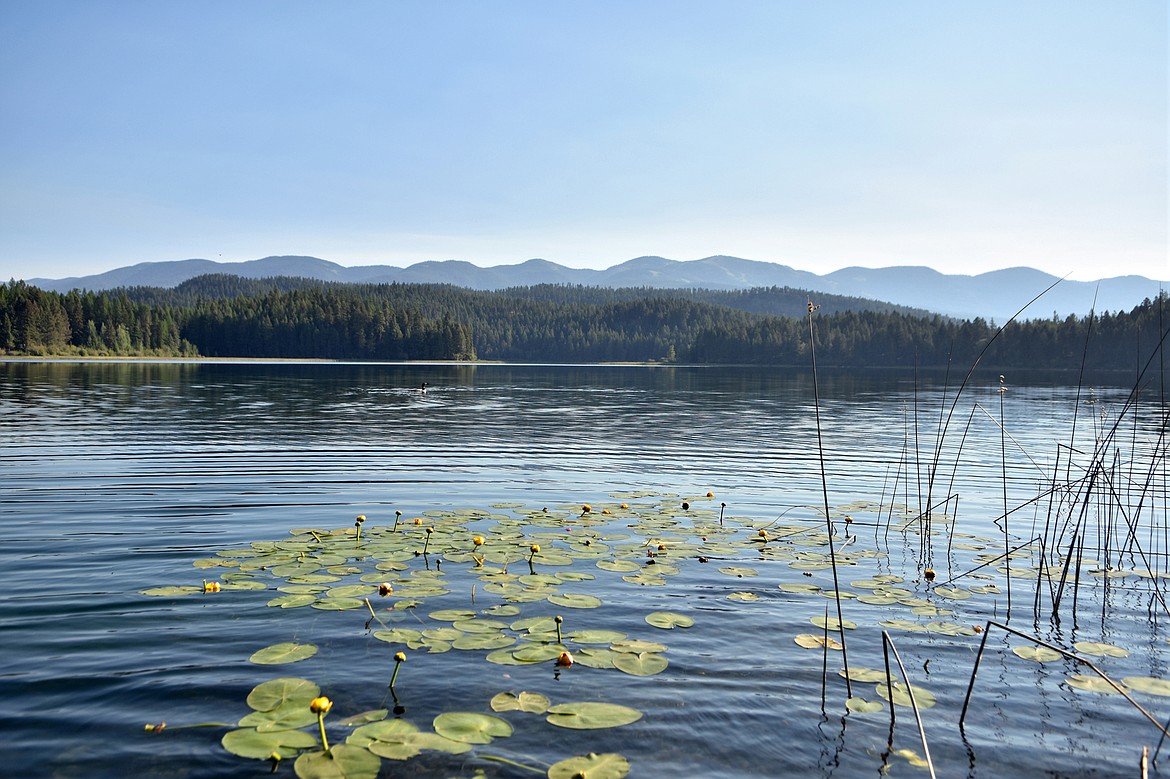
Beaver Lake is west of Whitefish. (Heidi Desch file photo/Whitefish Pilot)
DEPUTY EDITOR, FEATURES Heidi Desch is the Deputy Editor at the Daily Inter Lake, overseeing coverage of arts, culture, lifestyle, community, and business. Desch leads reporters in developing stories that highlight the people, traditions, and events shaping Northwest Montana, guiding content across print and digital platforms. With more than 20 years of journalism experience, including serving as managing editor of the Whitefish Pilot, Desch is a graduate of the University of Montana School of Journalism. She has received multiple Montana Newspaper Association awards, including part of the team leading the Daily Inter Lake to Best Daily Newspaper in Montana Award and the General Excellence Award in 2024 and 2025. IMPACT: Heidi’s work connects readers with stories that deepen the understanding of the community beyond daily news. | March 27, 2019 5:07 AM
Efforts to eradicate an aquatic invasive species from Beaver Lake continue to be successful in a way that is rare.
Last summer no plants of Eurasian watermilfoil were found in the lake following a multi-year effort to contain and eliminate the invasive species after it was discovered in 2011.
Mike Koopal, executive director of Whitefish Lake Institute, said nationwide there are few AIS eradication success stories.
“This is a huge success story,” Koopal said. “Usually when you get AIS it is in a damage control situation.”
In 2012 there was 23.5 pounds of watermilfoil removed from the lake and that has dropped every year since then. In 2017 less than a quarter of a pound of it was removed and only two plants were found in the lake.
In the summer of 2018, no plants were removed or found in the lake.
Montana Department of Natural Resources and Conservation in October 2011 discovered Eurasian watermilfoil near the boat ramp at Beaver Lake west of Whitefish. Eurasian watermilfoil is an aquatic plant that grows in still or slow-moving water. If left untreated, it can form dense vegetation mats on the water, which can threaten the health of the affected water body and interfere with recreational activities like fishing, swimming and boating.
After the discovery of the invasive species, a multi-agency cooperative effort by deploying bottom barriers near the boat ramp, which were successful in eradicating the largest population patches of the infestation.
Following that, the WLI with assistance from the city of Whitefish began suction dredge operations to control and eradicate isolated patches. Suction dredging involves a diver identifying plants and then suction dredging the plants from the roots to prevent fragmentation.
Koopal said management efforts in Beaver Lake have been highly effective and suggest that the invasive species can be eradicated, but he says efforts are still needed into the future to ensure that no plants remain. He points out that Beaver Lake is hydrologically connected to Whitefish Lake, and requires continued work to ensure if there is still AIS in Beaver it doesn’t spread.
“Just because we didn’t find any last year doesn’t mean that there isn’t more and we want to ensure that we get everything,” he said.
WLI also deploys and maintains a sediment curtain owned by the Flathead Lakers near the lake outlet to Beaver Creek to prevent downstream drift of any plant fragments.
This summer, WLI plans to replace that curtain, along with a diver survey of the lake and removal of any watermilfoil, if necessary.
ARTICLES BY HEIDI DESCH

Whitefish wildfire protection plan up for City Council review
Fourteen areas of concern that are primed for mitigating wildlife risk are at the center of a draft Whitefish Community Wildfire Protection Plan.

Kalispell resident advocates for more women in the trades after being crowned Mrs. America
Standing on the stage in Las Vegas, wearing a white formal gown accented with feathers on one shoulder, Qadra Evans gripped hands with a fellow competitor.

Whitefish mulls updates to community growth plan
Whitefish City Council on Monday will consider updates to its community plan including language that looks to protect the historic character of its downtown amid state requirements allowing buildings up to 60 feet in height in certain zoning districts.