
Panhandle snowpack means plenty of water this summer
RALPH BARTHOLDT | Hagadone News Network | UPDATED 5 years, 8 months AGO
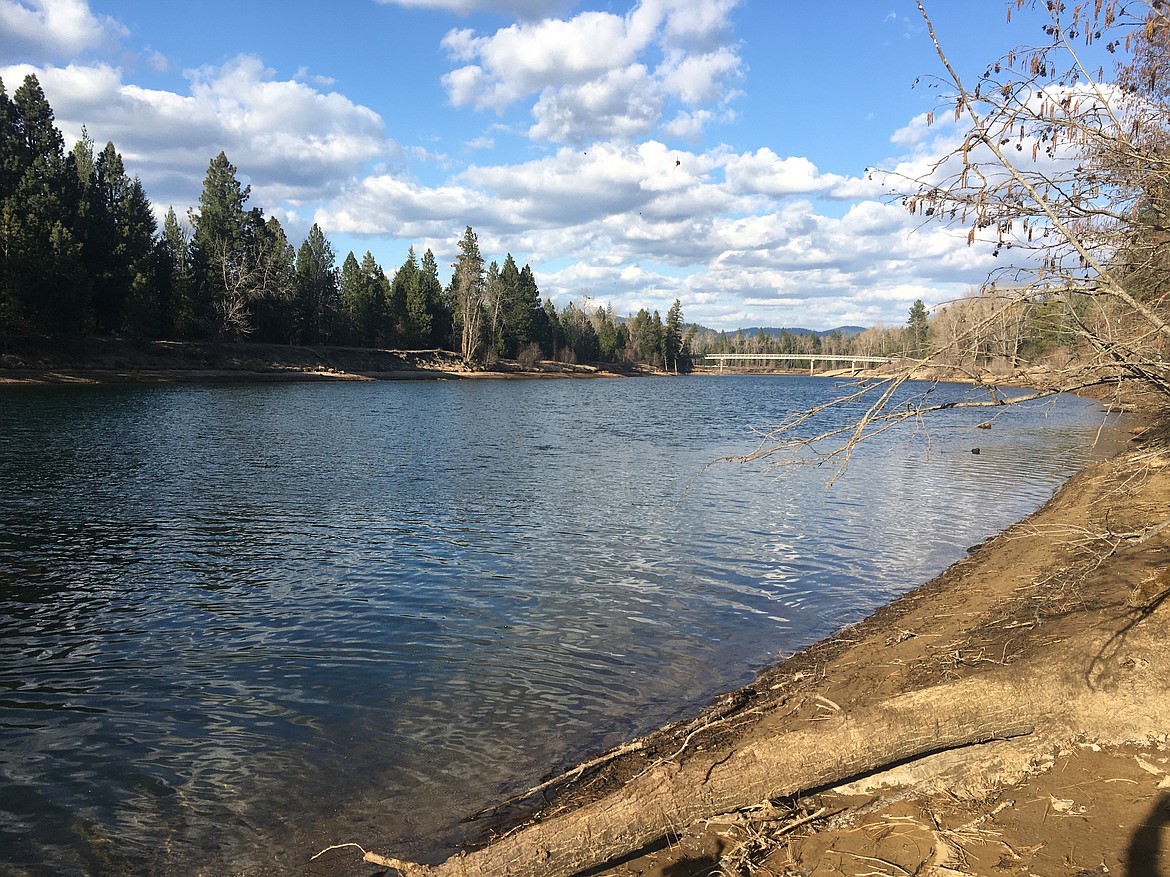
Snowpack is above normal in the mountains of the Coeur d’Alene River basin. Beginning this month flows such as in the Coeur d’Alene River — seen here near Rose Lake — will increase. Hydrologists hope a slow melting snowpack will recharge rivers through June.
BILL BULEY/Press
The snowpack in Idaho’s northern mountains is above normal and hydrologists expect an average year of runoff in the Coeur d’Alene and St. Joe river basins.
That means flood water isn’t expected to exceed normal spring levels in the floodplains of Panhandle rivers and tributaries.
Unusual weather patterns could change that.
“There are a lot of factors that come into play,” said hydrologist Robin Fox of the National Weather Service.
So far this spring, however, mountain snowpack in the Coeur d’Alenes is around 112 percent, and St. Joe River basin snowpack is 101 percent, according to the data collected at Snotel sites — snowpack monitoring stations scattered around the Idaho Panhandle National Forest. The data is compiled by the Natural Resource and Conservation Service.
“By all indications it’s a normal snow year,” said Dan Tappa of the conservation service, which daily checks snowpack.
Since loading up with snow earlier in the year, higher elevations in the Panhandle have recorded little additional precipitation this spring.
“So we’re not adding a lot to that,” Fox said.
The latest report published this month shows snowpack at 109 percent of normal in the Spokane River Basin, which is fed by both the St. Joe River and the Coeur d’Alene River system.
The depth of the snowpack at Lost Lake in the St. Joe basin is normal at 148 inches, with a 52-inch snow-to-water equivalent.
The snow water equivalent, or SWE, is the amount of water contained in the snow, Tappa said.
“It’s the more important measurement,” he said.
It can be thought of as how much water would result if the snowpack melted all at once.
At 107 percent of normal, snowpack at Mica Creek of the St. Joe is reported to be 64 inches deep with a 22-inch SWE. Fourth of July Summit, which feeds the Coeur d’Alene River system, is 23 inches deep, with an 8.5-inch SWE. That is 250 percent of normal, according to the conservation service.
The deepest snowpack in the Coeur d’Alene system is at Mosquito Ridge, where snow depth is 115 inches with a 40-inch SWE, according to the data.
Unless North Idaho hits an arid spell, the water stored in the mountains should stave off any shortages this summer, Tappa said.
“Unless we have an extremely dry spring, there’s no reason to expect drought conditions,” Tappa said.
Fox views the data from another perspective.
Because the conservation service doesn’t do flood forecasts, those are left to the weather service. So far the forecasts look normal, Fox said, but anything can happen.
“Ideally, we’d like the snow to melt off slowly,” Fox said.
Cool nights, with modest daytime highs through May, with little added precipitation would let meltwater trickle downhill in a manageable manner, filling the rivers and recharging the aquifers.
A perfect script would fill the rivers slowly beginning this month, with peak flows coming in June.
“We’ll see increases until then, and then we’ll see a flow recession,” Tappa said.
In a good year, river and stream flows level off in July and August before the autumn low water season that lasts until winter.
Although the weather has stayed on script so far, the weather service predicts a warmer than usual late April and May, which could offset the plan.
“Last year we didn’t have much of a flood season,” Fox said.
The last time there was flooding in the Coeur d’Alene system was in 2017, she said. It was spurred by a lot of rain.
“It could be all OK,” Fox said. “We just have to see how all those factors come into play.”
ARTICLES BY RALPH BARTHOLDT

Idaho child marriage bill fails
BOISE – The Idaho House has quashed a bill that would have prohibited children under 16 from getting married.

Doctor receives prison sentence
COEUR d’ALENE — A Silver Valley physician who was found guilty of more than 60 counts of illegally dispensing opiates will serve 16 years in prison, a federal judge ruled Wednesday in Coeur d’Alene.
Norris endorsed by deputy sheriff's association
Sheriff candidate Robert Norris got the endorsement late Friday from the Kootenai County Deputy Sheriff’s Association, which passed over a captain in its own ranks to endorse Norris.