
Bill would kill property tax
Coeur d'Alene Press | UPDATED 5 years, 11 months AGO

By CRAIG NORTHRUP
Staff Writer
The clamor for property ownership relief in Idaho reached a new high this week when a legislator introduced a bill that would exempt all property from taxes.
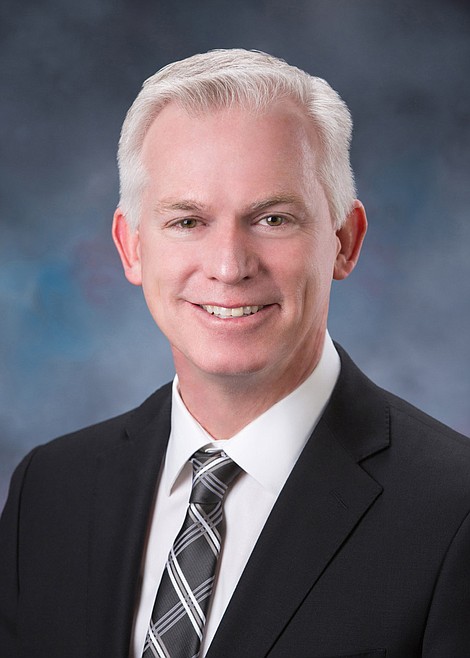
“You can never really, truly own any [property],” Rep. Jason Monks (R-Nampa) said Thursday. “The way our system is set up now is, you just continue to rent, as far as tax collection is concerned. Owners are having to pay every year. That’s not ownership. This bill gives real ownership back to Idahoans.”
Monks’ bill calls to replace those funds — which make up half of Coeur d’Alene’s budget and generates more than $2 billion per year statewide — with a jump in the sales tax: from 6.25 percent to 11.3 percent.
House Bill 399 not only calls to eliminate property taxes, but would establish a constitutional amendment that would prevent future legislatures from implementing a property tax. Monks said that specific clause would be critical to Idaho taxpayers and represents both Idaho’s values and constitution.
“My biggest fear is that we’d do this massive raise to the sales tax, and then down the road — I’m sure for a legitimate cause — someone would say property taxes needs to be raised,” he said. “This amendment would prevent that.”
Monks has been a firm opponent of taxation since taking office in 2012, representing Nampa and the nearby swath of eastern Idaho that includes the Snake River Birds of Prey National Conservation Area, though he said he actually resides in Meridian. The legislator for seat 22B said the bill is by no means complete.
“This is what I call a ‘thought grenade,’” he said. “We throw this out there, and we see what the response would be so we can gauge whether or not it should go forward.”
When asked if the jump in sales tax would disproportionately impact poorer families, Monks said:
“Does it hurt the poor? I’m not sure I agree with that. Sales tax is really just a consumption tax. Food, for example, is one of those consumptions. A grocery tax exemption and housing assistance will help offset those challenges, so I’m not sure I’d agree that it hurts the poor more than anyone else, especially when everyone pays the same amount for it.”
Ultimately, Monk added, Idaho’s responsibilities to pay taxes falls on the resident, rich or poor.
“You control the taxes you pay directly,” he said. “If you don’t have enough money, you have to buy less stuff … I think it puts a lot of freedom back into Idahoans’ hands.”
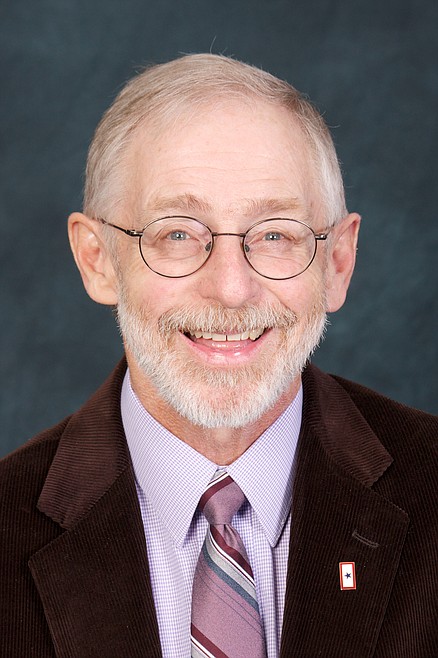
Dan English, a Coeur d’Alene City Council member who has led nonprofits, said Monks’ proposal is textbook regressive, impacting lower-income families and renters who have to pay a substantially higher percentage of their available funds. He said the move is part of a series of proposed tax shifts that would hurt poorer families.
“I am very skeptical of tax shifts these days down in the [Idaho] Legislature,” English said.
Since introducing the bill, Monks was skeptical about its chances but has since added he’s been building hope in Boise over the past week.
“A legislator came up to me [Wednesday] night,” he recalled. “She said, ‘I love your idea. How do we make it work?’”
That said, introducing the bill was one of a hundred moving parts that would need to line up for legislative passage.
“Big changes require time,” he said. “Right now, the bill doesn’t place all the money where it needs to be, so it will take some collaboration to work through that.”
The other obstacle Monks said lies in front of citizens is not even math, but just numbers.
“I think 11 percent is a little hard for people to swallow,” he said. “It looks big, but it adds up about the same revenue.”