
I’LL DO IT TOMORROW …
DEVIN WEEKS | Hagadone News Network | UPDATED 5 years, 9 months AGO

Procrastination plagues pupils, says Brainly.com. Idaho ranks No. 3 for states where kids procrastinate most. National Procrastination Week begins on Sunday, so be productive. Or don’t. (Image via Shutterstock)

According to Brainly.com, the world’s largest online homework site, Idaho ranks No. 3 in the list of states where students procrastinate most, with 13 percent of students admitting they always procrastinate on their schoolwork.
Image via Shutterstock
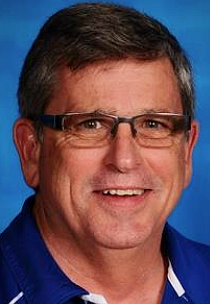
Jones
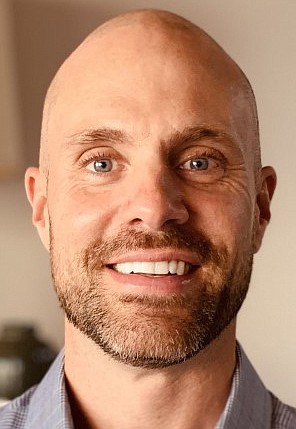
Moore
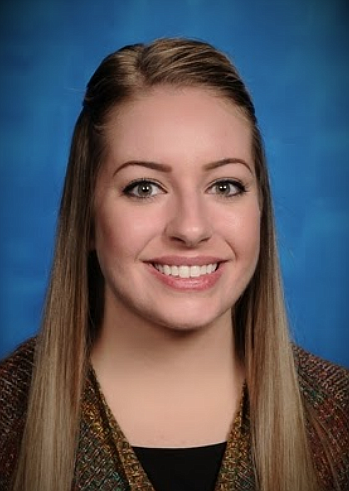
Litzko
Devin Weeks is a third-generation North Idaho resident. She holds an associate degree in journalism from North Idaho College and a bachelor's in communication arts from Lewis-Clark State College Coeur d'Alene. Devin embarked on her journalism career at the Coeur d'Alene Press in 2013. She worked weekends for several years, covering a wide variety of events and issues throughout Kootenai County. Devin now mainly covers K-12 education and the city of Post Falls. She enjoys delivering daily chuckles through the Ghastly Groaner and loves highlighting local people in the Fast Five segment that runs in CoeurVoice. Devin lives in Post Falls with her husband and their three eccentric and very needy cats. | March 1, 2020 1:05 AM
Idaho weighs in at No. 3 in student procrastination
"Never do tomorrow what you can do today. Procrastination is the thief of time. Collar him!"
Those words spoken by Charles Dickens' fictional character Mr. Micawber in the 19th century novel "David Copperfield" still make sense today, especially as National Procrastination Week begins.
But Micawber didn't have 24/7 streaming services or internet devices at his disposal.
Modern teens, on the other hand, are deluged by procrastination-inducing distractions at all times, making "tomorrow" just seem like a better day to get things done.
"The electronic distractions are huge, and unfortunately, for many, the steady diet of electronics begins before they can even walk," Coeur d'Alene High School counselor Rick Jones said Friday. "There's research out there that shows that those electronic distractions are literally rewiring their brains."
Electronic distraction or otherwise, procrastination is problematic for Idaho's teens.
According to Brainly.com, the world's largest online homework site, Idaho ranks No. 3 in the list of states where students procrastinate most, with 13 percent of students admitting they always procrastinate on their schoolwork. Idaho is just behind California and Florida, which are tied at 15 percent. Louisiana tops the list with 19 percent.
Jones said he was initially surprised that Idaho ranks so high on the list. But Gem State students aren't alone. Brainly's survey of 1,700 high school students ages 14 to 18 revealed that 82 percent said they procrastinate on their homework at least some of the time. The survey reported that 74 percent of high schoolers procrastinate because they’d rather be doing other things, and 26 percent said it’s because they don’t know how to do the work or where to start.
"It's a matter of, in terms of procrastination in general, what's the motivator?" Jones said. "It's my belief that people continue to do what they're doing until it becomes uncomfortable. Then they do something different."
Jones has been a school counselor since 2001. He said the "not knowing how or where to start" piece annually shows up when high school seniors start their senior projects, which require research, working with mentors, writing reports and giving oral presentations.
"Part of it is nerves. It is fear of what’s going to happen," he said. "Being overwhelmed by the magnitude of what is in front of them, some students say it's no big deal. Others say, 'Oh my gosh.'"
Evan Moore, founder of Real Frequency, a Spokane-based consulting firm that helps students transition from high school to postsecondary education, frequently works with North Idaho students. He sees procrastination behaviors from his young clients all the time.
"Procrastination has a lot to do with stress response," said Moore. "They put something off until it is absolutely dire time to do it, they get a boost of energy from it and they get the job done. But it leads to higher stress rates and lower success rates."
He doesn't agree that students don't know how to do the work. They just need the right motivation.
"I believe Idaho is high on the list because we’re not giving students the credit they deserve to learn the subjects that are high in need, like career and technical education and STEM (science, technology, engineering and mathematics), at the level that they're capable of and the manner in which they will be intrinsically motivated to learn," he said.
At the primary level, Twin Lakes Elementary School counselor and Idaho School Counselor of the Year Justine Litzko said even though the survey focuses on high-schoolers, elementary students are not exempt from procrastination habits.
"This is partly due to the fact that our young students are still learning foundational skills, whether they be academic or social emotional," she said.
She offered time management tips including using agendas, setting clear expectations and creating partnerships between home and school.
"If we work together, we can help build these skills with our kids,” Litzko said.
The first week of March is annually designated as National Procrastination Week, a time to put off chores and relax while allowing stress and anxiety levels to decrease.
Or, if procrastination is a familiar foe for students and non-students alike, maybe it's time to hop to it and finally tackle those shelved and dusty projects.
Then again, there’s always tomorrow.

ARTICLES BY DEVIN WEEKS

Lake City High economics students have banner year for Give Back Project
Lake City High economics students have banner year for Give Back Project
Christmas shopping is always better with friends. When those friends are festively clad classmates with a common goal of shopping for families in need while keeping to a budget, it makes that shopping experience much merrier. “It’s really nice and I’m super happy that I can bring joy to people who can’t afford as much as they would like,” Lake City High School senior Aurora Johnson said Thursday morning. "It’s a really fun and great activity, and I love how passionate our class is for it.”

FAST FIVE Tammy Blackwell's ministry of movement
Meet Tammy Blackwell, a dedicated and passionate fitness instructor who has spent more than 20 years teaching seniors and encouraging active, healthy lifestyles.

Lakeland High celebrates successful blood drive
Lakeland High School is celebrating a successful Friday blood drive that brought in 85 units that will impact up to 255 people in local hospitals. The school will also be receiving a $5,000 check from Vitalant that will be used to buy equipment, books or laboratory projects that promote and support Lakeland High School science, technology, engineering or mathematics programs. Hosted by the Lakeland Honor Society, the annual blood drive is a longstanding tradition for the high school. "Lakeland High School ran blood drives before I arrived back in 1997," said honor society adviser Frank Vieira, who has been the blood drive coordinator for 28 years.