
Local officials begin rolling out vaccinations
DERRICK PERKINS | Hagadone News Network | UPDATED 5 years, 9 months AGO
NEWS EDITOR Derrick Perkins serves as News Editor at the Daily Inter Lake. He oversees daily news coverage and works closely with reporters to plan, edit and publish stories across print and digital platforms. Perkins helps coordinate coverage of local government, public safety, business and community developments throughout Northwest Montana. He works with the reporting staff to strengthen journalism while maintaining consistent daily coverage. His role helps ensure the newsroom delivers timely, accurate reporting that readers rely on. IMPACT: Derrick’s work keeps readers informed about the decisions and events shaping their communities every day. | January 5, 2021 7:00 AM
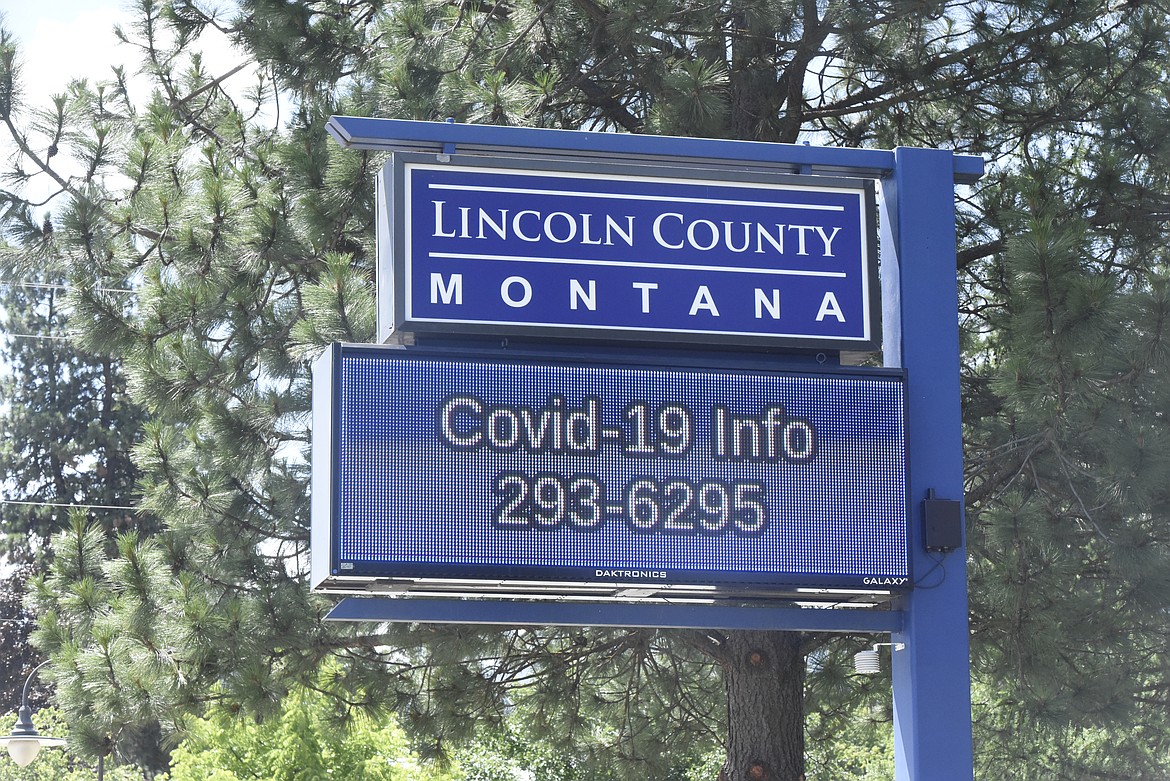
Coronavirus vaccinations are rolling out in Lincoln County, but officials caution that many factors will determine how and when residents receive a jab.
Two vaccines are approved for use in the U.S.: one developed by the multinational corporation Pfizer-BioNTech and the other by Cambridge, Mass.-based Moderna. Jennifer McCully, public health manager for Lincoln County, said officials here mostly have received the Moderna vaccine. The first shipments have gone to the Northwest Community Health Center, Cabinet Peaks Medical Center and North Valley Hospital in Eureka, she said.
The vaccine is being distributed according to an allocation plan adopted by the state. Health workers, those on the front lines or working with patients, and personnel at long-term care or assisted living facilities, are the first to receive the doses.
Each of the approved vaccines requires two doses. A second shot is given a few weeks after the first.
Under the state’s plan, the first round of vaccinations — those aimed mostly at the health care field — will be completed by mid-January. This group is known as Phase 1A.
McCully said the county received extra vaccines, meaning officials can begin doling them out to workers at private clinics, like the Center for Asbestos Related Disease, and begin working on other individuals considered priority, first responders, for example.
Meanwhile, county staffers are compiling a list of people interested in receiving the vaccine who become eligible in later phases. That’s because it’s not clear when Lincoln County will receive another supply of the vaccines, McCully said.
Phase 1B includes what are deemed “frontline essential workers,” like the aforementioned first responders as well as teachers, grocery store employees, public transit workers and critical infrastructure workers. It also includes residents aged 75 or older. Those vaccinations are expected to begin in mid-January and run through March, but that again depends on the supply, McCully warned.
“We’re reaching out to those groups to get their information,” she said. “It’s going to be go time when the vaccines land. We’re going to start calling and folks need to be available.”
Phase 1C includes more essential workers as well as residents at least 65 years of age or with high-risk medical conditions. Tentatively scheduled to begin mid-March, that phase will see vaccines given to workers in the fields of transportation, food service, construction, information technology, law, media, government, water and wastewater, among others.
That round is expected to finish by mid-July, which is when Phase 2 begins. That group incorporates all remaining residents over the age of 16 interested in receiving the vaccine.
Where an individual receives the vaccine depends on what entity in the county receives a shipment. McCully stressed that the medical and health entities in Lincoln County were working cooperatively on the vaccination rollout. That said, the health department might receive one shipment and Cabinet Peaks Medical Center another, she said.
“We’re organized and we’re working together to make sure the vaccine gets to the folks that need it and fall into those triage categories,” she said. “If the next allocation comes to us, we’ll look at providers to get to persons 75 and older and work through the people on the 1B list. If the vaccines go to hospital, it will be the [reverse] and they’ll work with us.”
While residents can contact the county health department for vaccine information, McCully said her colleagues were, at the moment, mainly focused on identifying those in Phase 1B interested in getting vaccinated.
“Interested” remains a key word. McCully said residents have the choice of not getting vaccinated, though the county health department recommends receiving it.
“People should get the vaccine if they want it,” McCully said.
A limited public awareness campaign for the vaccination is in the work, she said. But that effort will be focused on helping residents understand how the vaccines work.
In December, Dr. Kelli Jarrett gave curious residents a brief overview of how the two approved vaccines differ from those in the past during an informational Lincoln County Health Board meeting.
Normally, vaccines introduce a dead or weakened form of a virus into the body, she said. The host’s body reacts, producing antibodies and effectively creating a memory of how to fight it.
To combat the coronavirus, researchers developed what’s known as an mRNA vaccine. Jarrett said the shot injects residents with genetic information that allows your cells to produce the spike protein of the virus. That spike is how the virus attaches to and sickens an individual, Jarrett said.
Once cells begin producing the spike, the body reacts — creating antibodies — and learns to keep the virus at bay. Afterward, the body breaks down the instructions to make the protein spike, according to the Centers for Disease Control and Prevention. The end result leaves the individual vaccinated against the coronavirus without risking contracting the illness.
The other advantage of the mRNA vaccine is that they can be developed and produced much faster than traditional options, according to both the CDC and Jarrett.
Both vaccines have undergone phase three trials, Jarrett told residents last month.
Looking at the Pfizer data, Jarrett said that the vaccine had been tested on about 44,000 people over the age of 16. About 27 percent reported adverse reactions, which include fevers, muscle aches and nausea, she said. That’s par for course when it comes to vaccines, Jarrett said.
Serious reactions occurred in 0.6 percent of participants.
The Pfizer vaccine was shown to be 95 percent effective at preventing laboratory-confirmed COVID-19 illness in those individuals that received both shots, according to the CDC. The Moderna version is considered 94.1 percent effective.
“Ninety-five percent is considered very good,” Jarrett said.
ARTICLES BY DERRICK PERKINS
Disagreement between neighbors in Hungry Horse allegedly ends in gunfire
Reginald Arthur Walker Jr., 58, faces felony counts of assault with a weapon and criminal endangerment in Flathead County District Court following the alleged Sept. 29 shooting near Fourth Avenue South in Hungry Horse.
Domestic dispute allegedly sparked deadly Kalispell shooting
A domestic dispute allegedly led to last week's deadly shooting outside of a Kalispell apartment complex.

Live updates: President Trump campaigns in Kalispell
Live updates from President Donald Trump's campaign stop in Kalispell.