
Whitefish looks to make affordable housing program voluntary
HEIDI DESCH | Hagadone News Network | UPDATED 5 years, 4 months AGO
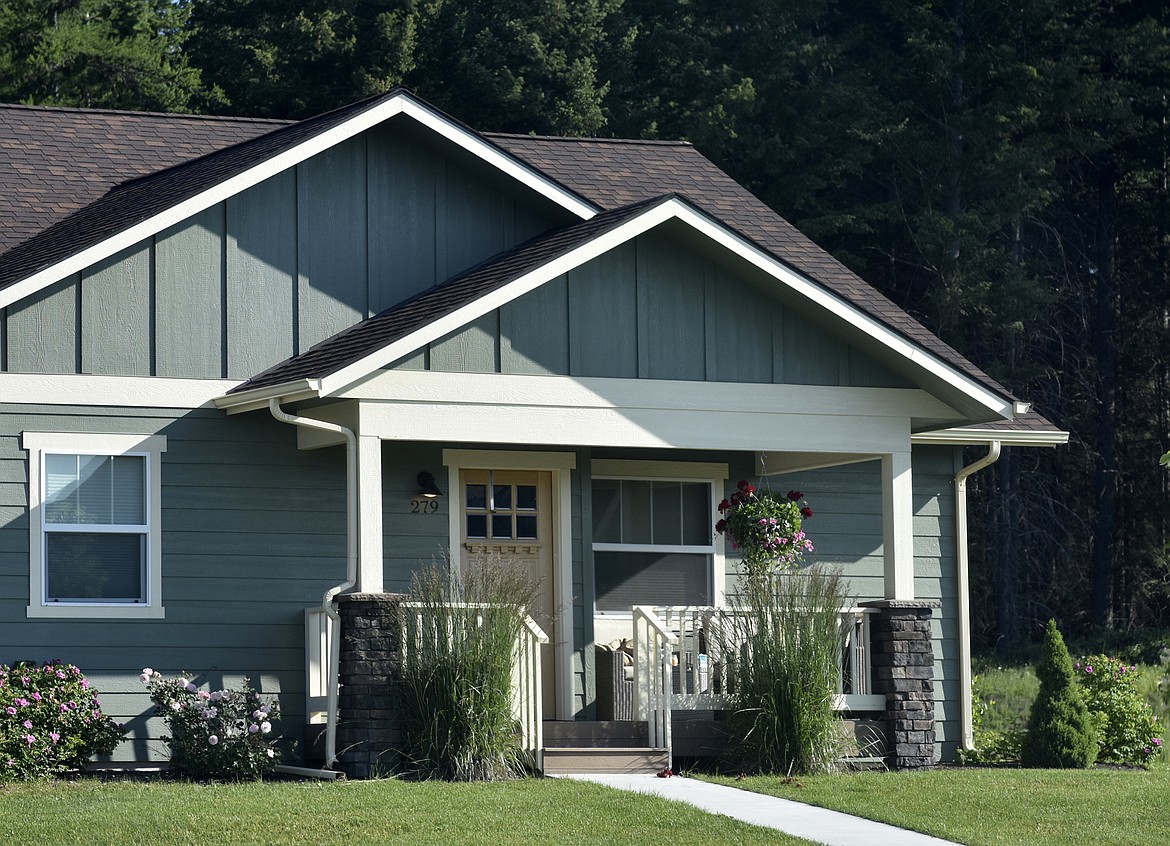
A house in Whitefish.
DEPUTY EDITOR, FEATURES Heidi Desch is the Deputy Editor at the Daily Inter Lake, overseeing coverage of arts, culture, lifestyle, community, and business. Desch leads reporters in developing stories that highlight the people, traditions, and events shaping Northwest Montana, guiding content across print and digital platforms. With more than 20 years of journalism experience, including serving as managing editor of the Whitefish Pilot, Desch is a graduate of the University of Montana School of Journalism. She has received multiple Montana Newspaper Association awards, including part of the team leading the Daily Inter Lake to Best Daily Newspaper in Montana Award and the General Excellence Award in 2024 and 2025. IMPACT: Heidi’s work connects readers with stories that deepen the understanding of the community beyond daily news. | June 23, 2021 1:00 AM
Whitefish is looking to remake its once mandatory affordable housing program into a voluntary one.
The city’s Legacy Homes Program had utilized inclusionary zoning to require most new developments to provide a certain percentage of housing as deed-restricted affordable housing. But a bill signed into law this spring by Montana Gov. Greg Gianforte made inclusionary zoning illegal.
Now, Whitefish is planning to turn the framework of its Legacy Homes Program into a voluntary program that would provide incentives for developers who commit 10% of housing in new developments to affordable housing.
During a work session, Council earlier this month decided it wanted to move forward with public hearings and a subsequent vote that would make the Legacy Homes Program available as a voluntary means of creating affordable housing.
“We put a lot of framework into that program and we would lose a lot of that if we let that go away,” Councilor Ben Davis said. “There is a lot of value in having a voluntary program.”
Councilor Rebecca Norton seemed pessimistic about what the city might be able to get from development projects, but said it was worth keeping the program in place.
“The land value has gone up so high I don't know if it’s even reasonable to get workforce housing,” she said. “But it’s good to have a voluntary program in place for people that are looking for projects. This way we have an option if we find the right builder.”
Prior to implementing a mandatory housing program, the city had a voluntary affordable housing program but that only generated about 10 units over the course of several years.
Planning and Building Director Dave Taylor pointed out that the voluntary program only provided incentives for developers who used the city’s planned unit development process to create affordable housing.
By making the incentives of the Legacy Homes Program apply to all residential developments even on a voluntary basis it could pave the way for more affordable housing, he noted.
“If a developer knows that City Council wants affordable housing they might include that in their project knowing that maybe that gets their project approved,” he said.
The Legacy Homes Program was adopted in 2019 and used inclusionary zoning by requiring that 20% of most new housing units be deed-restricted as permanently affordable or that developers pay a fee in lieu of providing units.
Under the proposed new voluntary program, a developer could provide 10% of housing as deed-restricted or pay the fee-in-lieu and subsequently take advantage of a list of incentives.
Those incentives for multi-family housing include a reduction in parking requirements, an increase in allowed building height, increased lot coverage and an increase to the allowed maximum density. For subdivisions, incentives include a reduction in the minimum lot size, an increase in density, a reduction in minimum lot width and an increase in the maximum lot coverage.
The planning board is set to consider the new voluntary Legacy Homes Program at its July 15 meeting and the update is set to go before City Council in August.
The Legacy Homes Program came as a result of the city’s 2017 Strategic Housing Plan that identified inclusionary zoning as a tool to build affordable housing by requiring a certain percentage of homes to be deed restricted for long-term affordability.
A 2016 housing needs assessment found that Whitefish needed to add almost 1,000 new units of housing by the end of 2020 to keep up with demand. The city is planning to do an update of the assessment.
ARTICLES BY HEIDI DESCH

Whitefish wildfire protection plan up for City Council review
Fourteen areas of concern that are primed for mitigating wildlife risk are at the center of a draft Whitefish Community Wildfire Protection Plan.

Kalispell resident advocates for more women in the trades after being crowned Mrs. America
Standing on the stage in Las Vegas, wearing a white formal gown accented with feathers on one shoulder, Qadra Evans gripped hands with a fellow competitor.

Whitefish mulls updates to community growth plan
Whitefish City Council on Monday will consider updates to its community plan including language that looks to protect the historic character of its downtown amid state requirements allowing buildings up to 60 feet in height in certain zoning districts.