
Forecasters predict record heat for Western Montana
MATT BALDWIN | Hagadone News Network | UPDATED 4 years, 9 months AGO
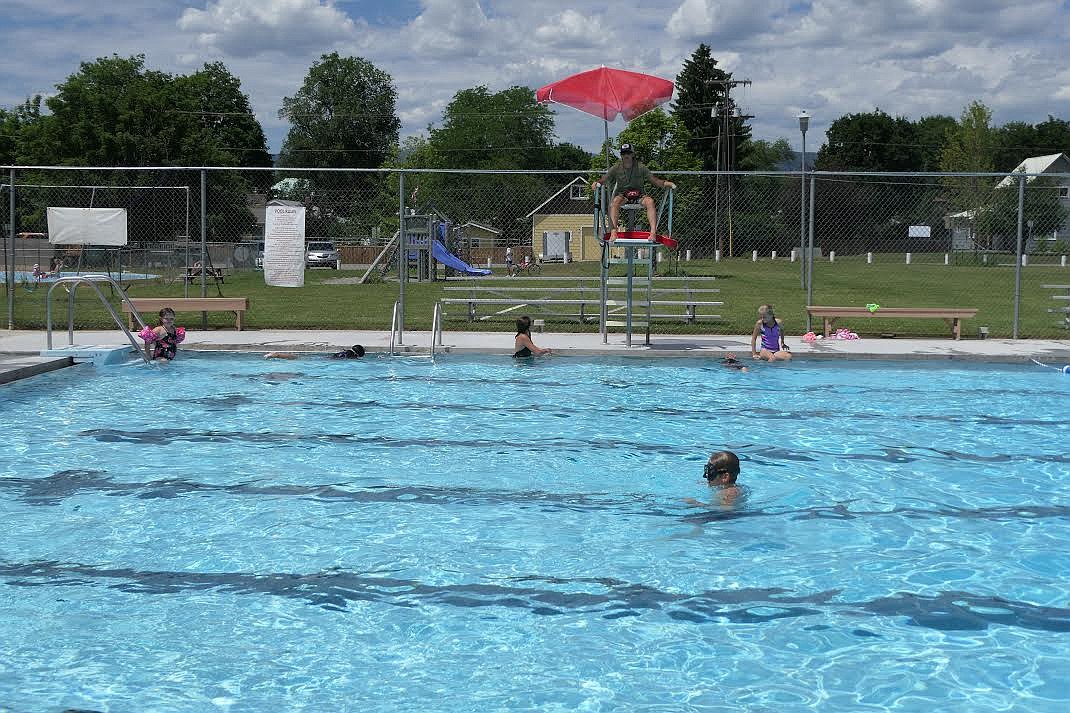
With temperatures at the century mark, the Plains Community Pool is sure to be extremely popular this week. (Adam Lindsay/Valley Press)
Hagadone Media Montana REGIONAL MANAGING EDITOR Matt Baldwin is the regional editor for Hagadone Media Montana, where he helps guide coverage across eight newspapers throughout Northwest Montana. Under his leadership, the Daily Inter Lake received the Montana Newspaper Association’s Sam Gilluly Best Daily Newspaper in Montana Award and the General Excellence Award in 2024 and 2025. A graduate of the University of Montana School of Journalism, Baldwin has called Montana home for nearly 30 years. He and his wife, Sadie, have three daughters. He can be reached at 406‑758‑4447 or [email protected]. IMPACT: Baldwin’s work helps ensure Northwest Montana residents stay connected to their communities and informed about the issues that shape their everyday lives. | June 30, 2021 12:00 AM
A heatwave of unprecedented stature is on track to swamp Western Montana this week, and residents are advised to take it seriously.
According the the National Weather Service in Missoula, there is high confidence that temperatures across all of Western Montana will eclipse the 100 degree mark beginning Monday through at least Thursday, July 1.
Meanwhile, places like Lincoln, Sanders and Mineral counties could see 106, while North Central Idaho locations could climb to 113.
The prolonged nature of temperatures of 100 and higher, along with little relief in the way of cooling temps overnight, is what sets this heatwave apart from others, the Weather Service warned in its media advisory Thursday.
“This is not your average heatwave,” said Brian Conlan, a meteorologist with the National Weather Service. “It’s going to have exceptional longevity and it’s coming a little bit earlier in the season.”
It the forecast works out, he said, it will be a record-setting event.
“To put this heat into perspective: two of our climate sites in Western Montana have only had 100+ degree weather in June once in their reporting history, both occurring on June 27-28, 2015,” the Weather Service noted in its forecast discussion. “A few sites in north-central Idaho, which are not official climate sites, could see record high temperatures for 5 consecutive days.”
A Pacific high pressure system will amplify and migrate east over the Northern Rockies beginning Saturday. The hottest of hot days will be Tuesday and Wednesday.
“We’re thinking the extreme heat is going to be just west of the Flathead Valley and in the lowest portions of the I-90 corridor west of Missoula,” Conlan noted.
Lows in the 60s and 70s won’t offer much overnight cooling.
“That’s just miserable,” Conlan said with dread.
“There’s not going to be much relief, even at higher elevations.”
Residents are advised to take precautions in advance of and during the heatwave. Hydrate, take breaks when working outside, be cognizant of kids or pets in cars, and check on friends and neighbors who are more vulnerable to heat.
“Please take care with this,” Conlan reiterated.
Following the heat spike, Conlan said there is potential for monsoon moisture hitting the region, but it’s too early to be sure.
ARTICLES BY MATT BALDWIN

PHOTOS: No Kings protest draws crowd to Whitefish
A No Kings protest against the Trump administration drew hundreds of people to Grouse Mountain Fields in Whitefish on Saturday, March 28, 2026. The event, hosted by Flathead Democracy, was one of thousands held across the U.S., according to national event organizers.
Avalanche danger high after 2 to 3 feet of new snow
Dangerous backcountry conditions prompted a special avalanche warning Friday morning after Northwest Montana mountains were buried in 2 to 3 feet of snow.
Avalanche danger high after 2 to 3 feet of new snow
Dangerous backcountry conditions prompted a special avalanche warning Friday morning after Northwest Montana mountains were buried in 2 to 3 feet of snow.