Moving history forward
RICHARD SHELDON/Museum of North Idaho | Coeur d'Alene Press | UPDATED 4 years, 2 months AGO
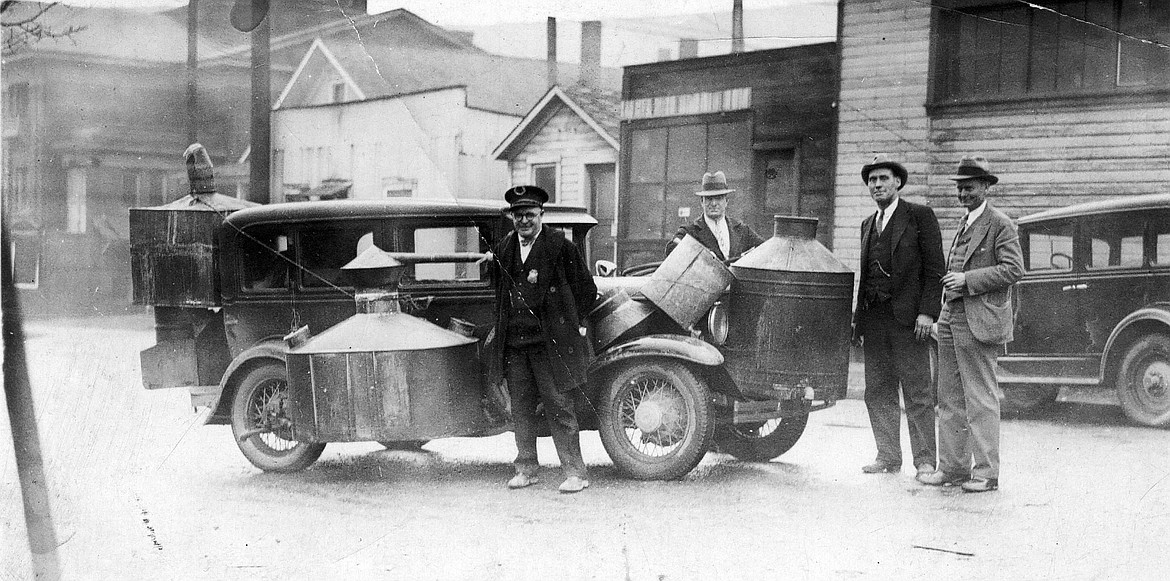
The 18th Amendment (The Volstead Act) passed by Congress in 1913 would take until 1920 to require law enforcement agencies to start shutting down breweries and distilleries, confiscating and destroying stores of alcohol, eliminating supply lines and closing saloons, bars and any other sites where alcohol was sold. It didn’t go well.
The job would turn out to be impossible. North Idaho, especially Coeur d’Alene, would prove to be an example of what was occurring all over the U.S. The city of Coeur d’Alene voted to go “dry” in 1911 and the state Governor Moses Alexander backed a bill in 1916 that successfully became law, making the state “dry.” In 1920, the population of Coeur d’Alene was 6,447 and the state’s was 431,866. Alcoholic beverages were readily available everywhere. Being a “scofflaw” would become a badge of honor.
WWI was over and the demand for potatoes to feed hungry troops ended. The price for Idaho potatoes fell in two years from $1.51/bushel to 31 cents/bushel and the value of farmland crashed to a third its value. Times were hard and unsold potatoes were easy to turn into alcohol. All this just eight years before the Great Depression of 1929.
During the “Roaring Twenties,” our culture of freedom of speech saw the emergence of interesting persons such as Billy Sunday, the hellfire and damnation preacher who attacked the anti-prohibitionists with unrelenting fervor.
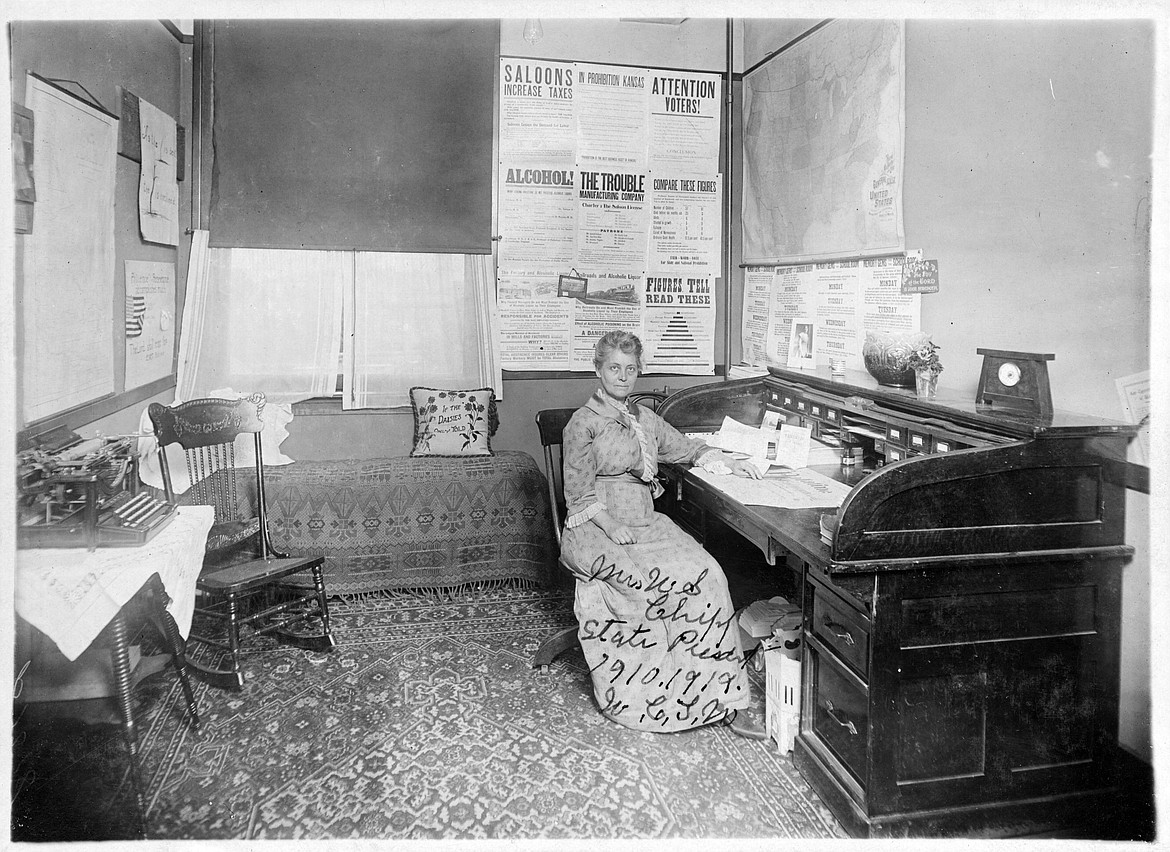
Another potent force was the Women’s Christian Temperance Union (WCTU). Formed in 1874 to combat the harmful effects alcohol had on families, they fought hard to get the 18th Amendment passed and to keep it permanent. Despite the great disappointment caused by the repeal, they remain very active today in the drive to empower women in all aspects of American life.
In the depth of the Great Depression, FDR was elected president in 1932. While campaigning, he promised to keep prohibition alive plus keep us on the “gold standard.” Within 60 days of his inauguration, he had reversed his position on both issues. As a result, the 21st Amendment repealed Prohibition in 1933.
The Museum of North Idaho currently has an exhibit focused on North Idaho and Prohibition. There you can watch a 1920s black and white video showing Billy Sunday “givin’ um hell.” And, you can learn more about Nettie Chipp, the Representative for North Idaho to the WCTU. This exhibit helps you understand what it was like to be living in a period of our history when the law was flaunted, yet law enforcement tried to perform their sworn duty.