
A splash of color
JOEL MARTIN | Hagadone News Network | UPDATED 4 years, 2 months AGO
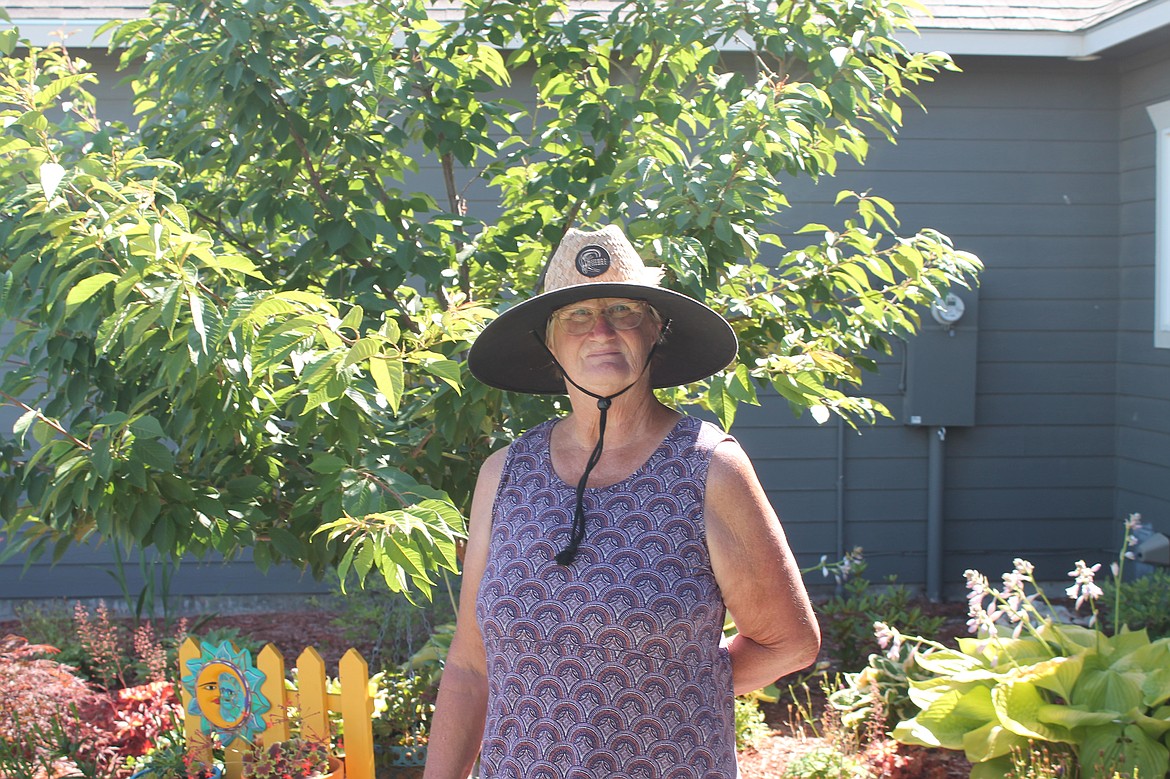
Tamara Wallace of Moses Lake likes to make her garden an oasis of color in the desert landscape. An Idaho native, she and her husband have lived throughout the country and settled in Moses Lake a few years ago.
JOEL MARTIN/COLUMBIA BASIN HERALD
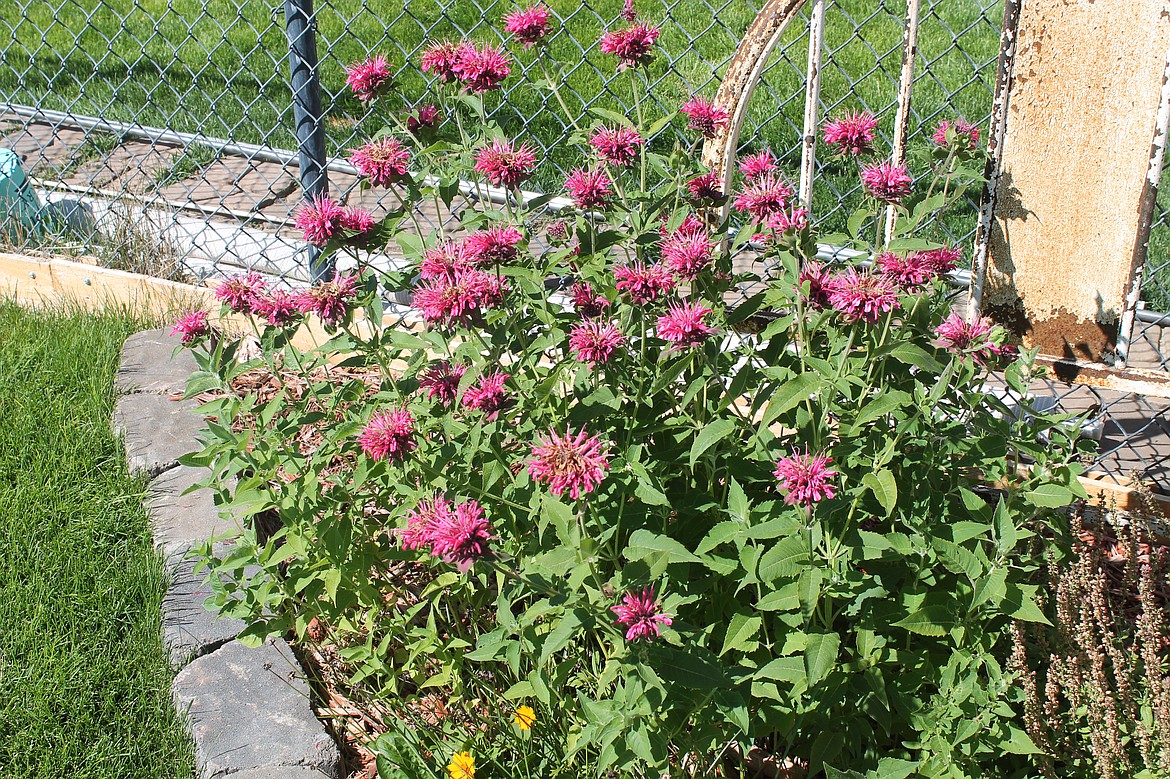
Many of the flowers Tamara Wallace cultivates, like these gayfeathers, would be considered ditch weeds in Kansas, where she learned to love them.
An old bed frame lends a touch of whimsy to Tamara Wallace’s garden.
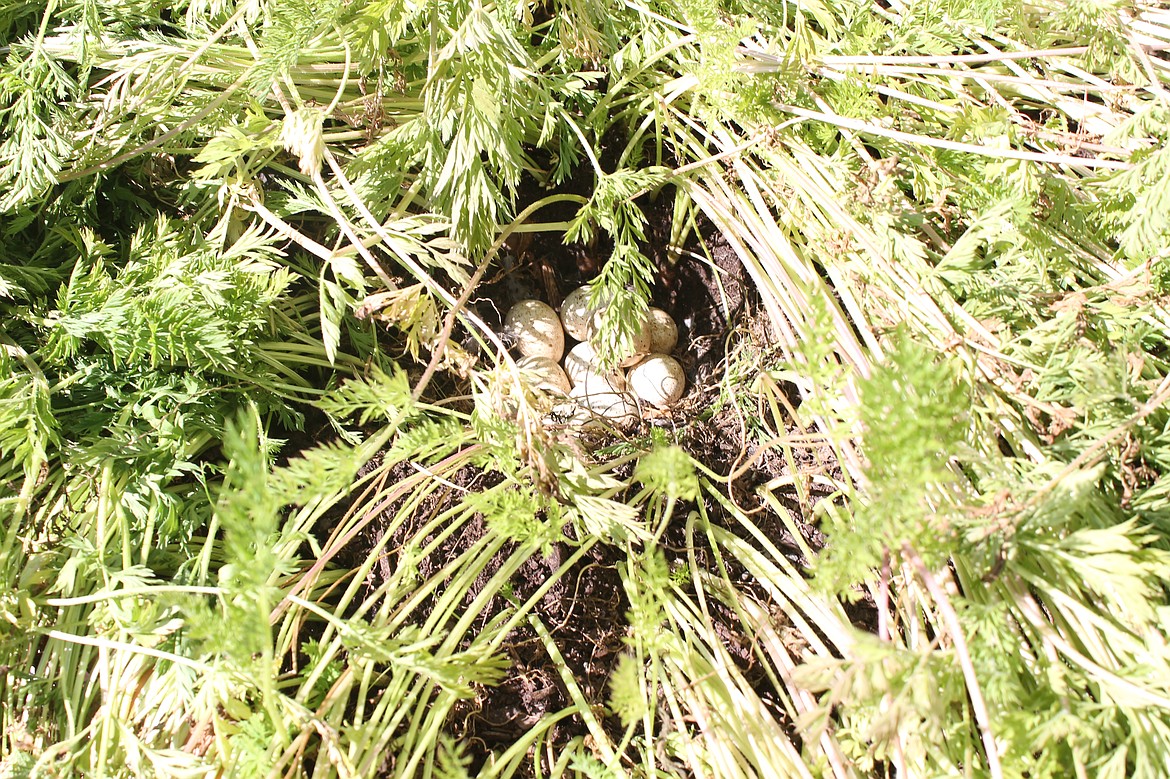
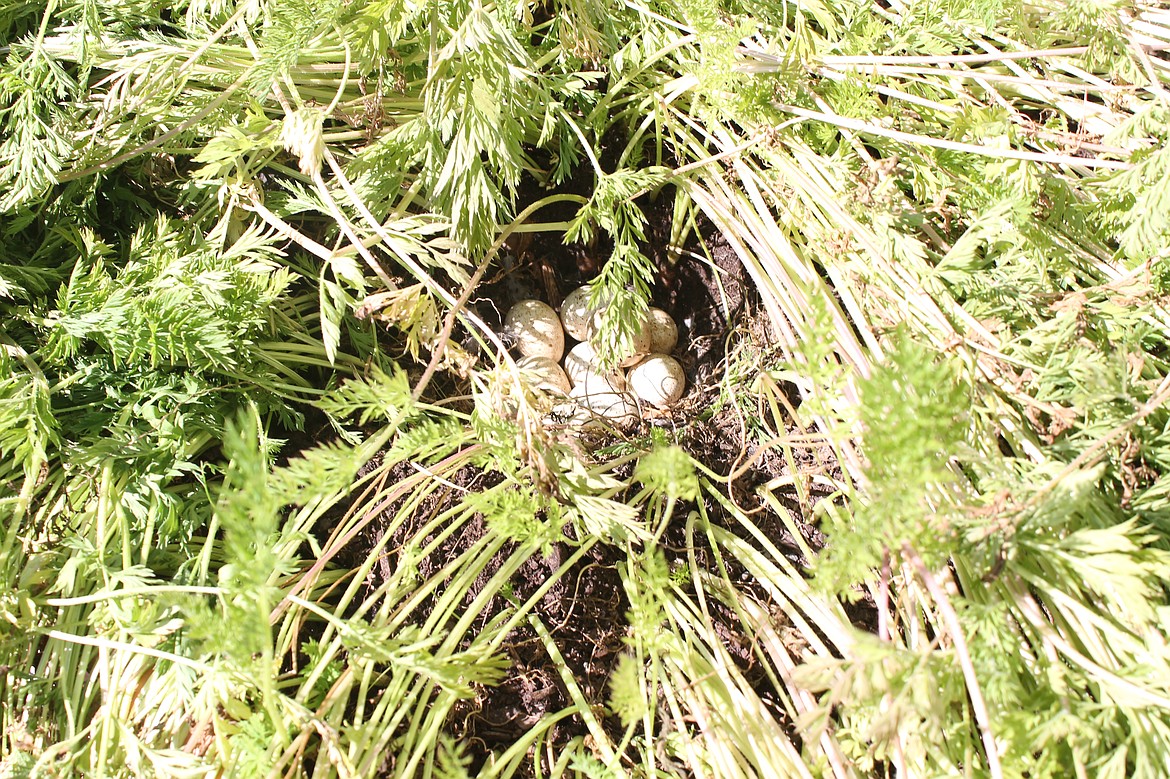
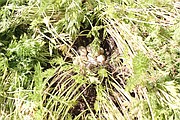
A thick clump of carrot tops masks this nest of quail eggs. Mama quail flew off when Tamara Wallace pulled the greenery aside, but she’ll be back, Wallace said.
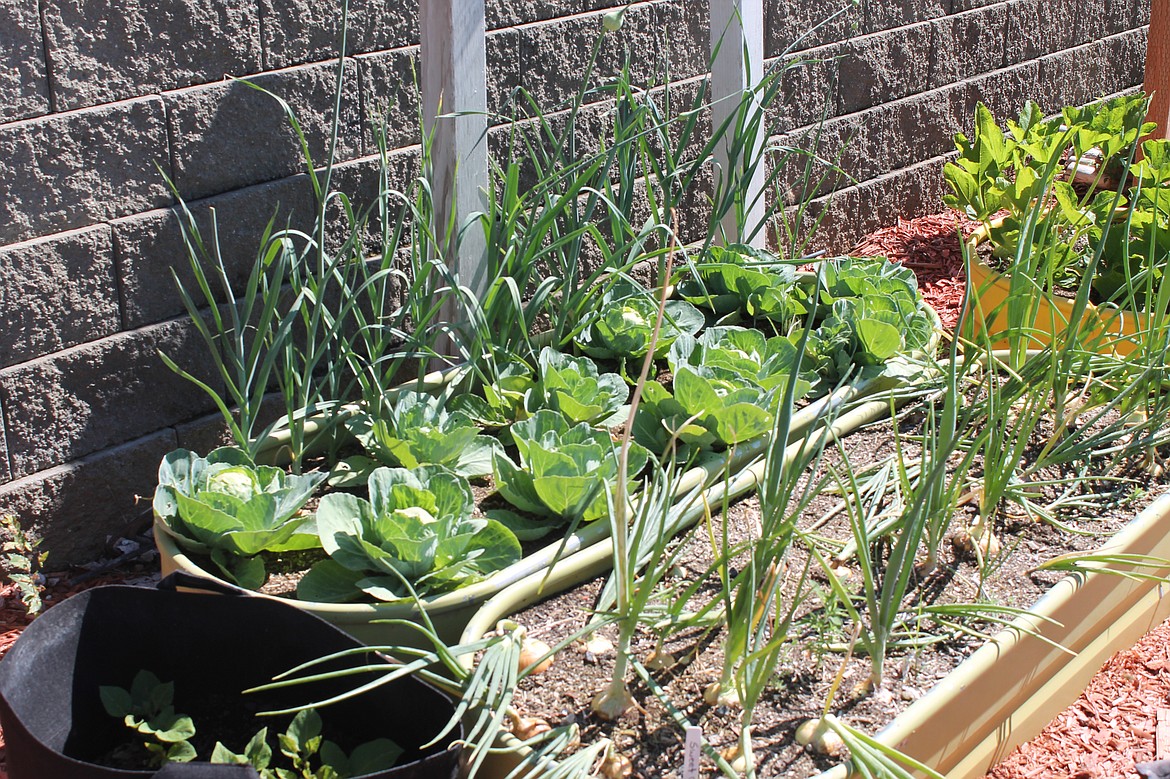
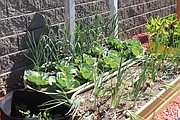
Tamara Wallace plants her cabbages and kale alongside a wall that gives shade in the morning, which lets her grow two crops a year, she said. Currently she’s getting ready to start harvesting for sauerkraut.
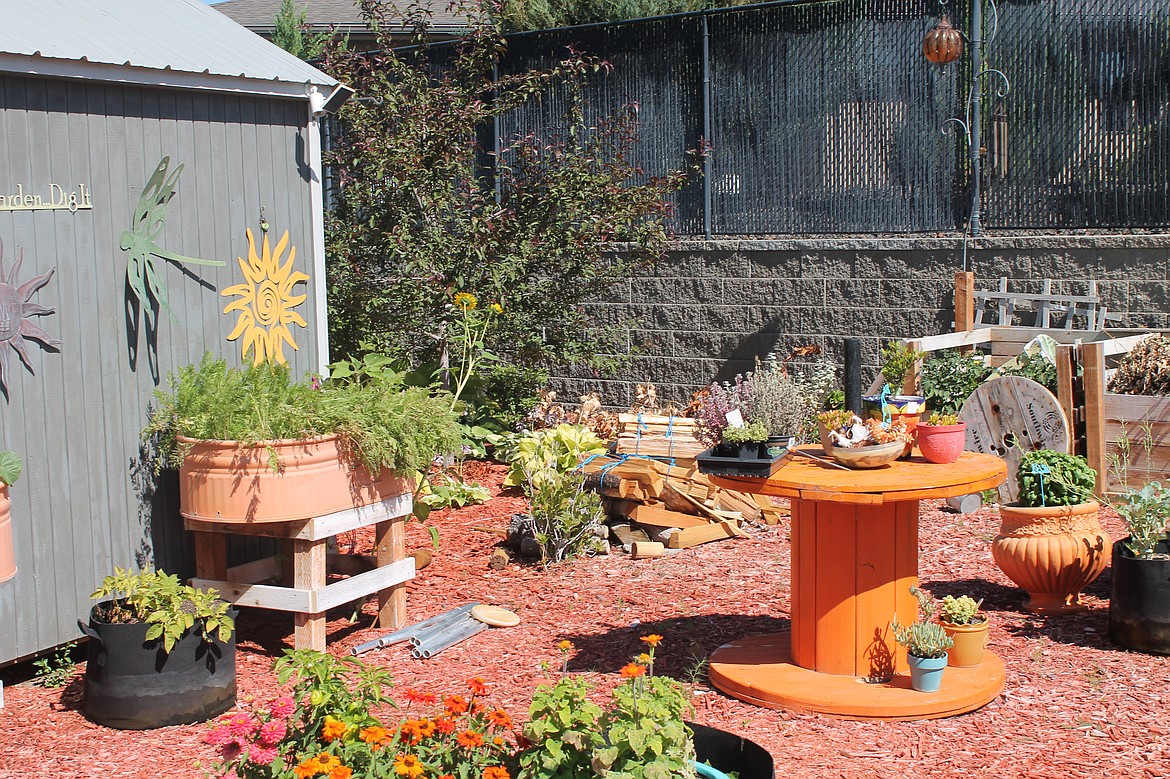
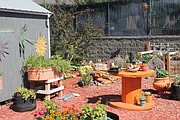
Tamara Wallace’s garden contains a mishmash of planters and containers on a surface of bright red bark.
Joel Martin has been with the Columbia Basin Herald for more than 25 years in a variety of roles and is the most-tenured employee in the building. Martin is a married father of eight and enjoys spending time with his children and his wife, Christina. He is passionate about the paper’s mission of informing the people of the Columbia Basin because he knows it is important to record the history of the communities the publication serves. | July 22, 2022 1:20 AM
MOSES LAKE — Tamara Wallace likes bold colors, and she surrounds her home with them.
“I don't fit in with the rest of the neighborhood,” she said, gesturing at the more conservatively-landscaped lawns around her. “We're just kind of this little gem at the end of the road. Everything's bright and colorful.”
Wallace has been in her Mae Valley home for four years. When she and her husband Glenn moved in, she said, there was no landscaping at all except a couple of trees. Since then she’s transformed her yard into a little haven of green, red and orange. Behind her storage shed is a large area where an above-ground pool once stood. Today it’s covered in bright red bark and dotted with metal and plastic planters filled with growing tomatoes, cabbages, kale, carrots and more flowers than you can shake a trowel at.
The first year, those planters were metal bins, but Wallace followed them up with some handmade wooden ones.
“It's just been this year we went to plastic because wood is so bloody expensive,” she said.
Wallace is an Idaho native, but she and her husband have lived all over the country. They moved to Moses Lake after five years in North Carolina, and before that they lived in Kansas. Several of the flowers she grows, like butterfly weed and gayfeathers, are considered ditch weeds in Kansas, she said.
Some gardeners are bothered by insects in their gardens, Wallace said, but she welcomes them.
“I'm very big into pollinators and providing for wildlife and birds,” she said. “You see, a lot of people who garden, they always are freaking out because there's bugs and birds and that's not how I garden. I want them in my garden because they provide me with benefits. They pollinate my vegetables.”
Wallace keeps several birdhouses in the garden, so the birds can eat the bugs. Her garden is so critter-friendly there’s even a quail currently sitting on a nest full of eggs in her carrot planter.
“I don't use any pesticides,” she said. “I try not to use any herbicides but it doesn't always work.”
Wallace planted her cabbages and kale alongside a rock wall that gives shade in the morning, which enables her to raise two crops. She’s just about to harvest her first crop, she said, and is already preparing to plant a second one that will last through the winter. Tomatoes, too, are going to be in good supply this year.
“Pretty soon I'll have more tomatoes than I know what to do with and then I take them to the neighbors and pawn them off,” she said. “It keeps me busy.”
Besides the planters, Wallace has an old bed frame set up in her garden, and of course, the obligatory gnome. She’s also started a berry patch and some grape vines on the other end of the yard.
“This is my happy spot,” she said. “A lot of people go on vacation to see beautiful things. I walk out in my yard and I get to see something beautiful.”
Joel Martin can be reached via email at [email protected].
ARTICLES BY JOEL MARTIN

Endless battle
Noxious Weed Control Board works to keep invasive plants under control
MOSES LAKE — Some of the nastiest plants in Grant County were the topic of a class led by Jay Johnson, a consultant with the Grant County Noxious Weed Control Board, Tuesday. The Noxious Weed Control Board, as its name would suggest, is tasked with keeping weeds under control in Grant County. That’s not a small job; the board’s website lists 129 species of noxious weeds that are found around Grant County. A noxious weed is defined as an invasive, non-native plant that threatens agricultural crops, local ecosystems or fish and wildlife habitat, according to the Noxious Weed Control Board. Washington state law requires that these weeds be identified and their spread kept to a minimum, if not completely eradicated. “We’re one of those agencies a lot of people don’t really understand,” Johnson said. “We’re a county office and … our funding is tax-based assessment. When you get your tax bill and you look down at all the expenses that you pay for, there we are.”

BASIN EVENTS: Oct. 16-24
COLUMBIA BASIN — Whether you feel like shopping, crafting, learning or seeing a show, there’s something happening for you this week in the Basin. Oct. 16 ‘My Family (Mi Familia)’ screening Spanning three generations, “My Family (Mi Familia)” is a heartfelt drama that follows the Sánchez family as they build their lives in East Los Angeles. Through love, hardship, triumph, and sacrifice, the film explores the immigrant experience, the strength of family bonds, and the traditions that connect one generation to the next. Lowrider show and taco truck before the screening. Sponsored by Columbia Basin Allied Arts, EDUBS C/S and the Moses Lake Creative District. $12 per person. Doors open at 6 p.m., film begins at 7 p.m. at the Moses Lake Civic Center Auditorium, 401 S. Balsam St. Tickets and info: www.cba-arts.org.

Moses Lake author encourages women to look beyond church culture norms
MOSES LAKE — A Moses Lake author’s book, “A Christian Woman Striving to Live Her Faith in a Man-Controlled World,” takes aim at the role to which many churches relegate the female half of their congregations. “It’s to encourage women in the faith,” Linda Curran said. “A lot of churches say, ‘Teach Sunday school, do this, do that, but don’t (evangelize.)’" In her book, Curran recounts a time when she moved to a new community and joined a church there. She was surprised to learn that, as a new female member, she had been automatically assigned church cleaning duties. When she questioned it, she wrote, she was met with condescension and her objections were brushed aside. In other churches, she said, women who were capable of teaching were relegated to “women’s ministry.”