Organic or Conventional Seed and Plants: What’s the Difference?
CANDACE GODWIN | Coeur d'Alene Press | UPDATED 4 years, 4 months AGO
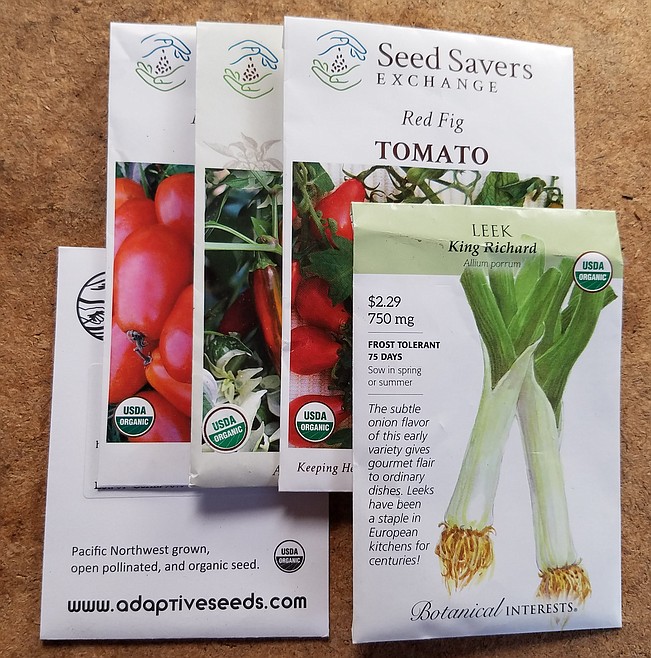
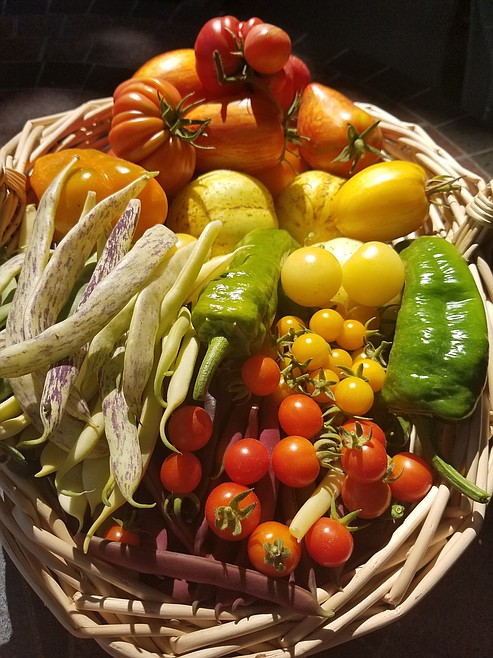
If you’ve shopped at a nursery or garden center, you’ve no doubt seen plants labeled as “organic.” But wait, aren’t all plants organic? Well, yes, but organically grown plants are produced in an entirely different way than conventionally-grown plants. It all starts with the seed — and how it is produced.
Seed crops (plants grown for their seeds) remain in the ground for a much longer period than edible crops. The longer a crop remains in the field, the greater the opportunity for pests and disease to strike.
A good example is the carrot plant — a biennial that has a two-year life cycle. The first year the plant produces a carrot, but if left in the ground, the second year it will flower, produce seed and die off.
Edible carrot roots are harvested in about 70 days, but it takes nearly two years to harvest carrot seed. This increases the risk of pests and diseases to the plant and can result in growers applying more chemicals over a longer time period.
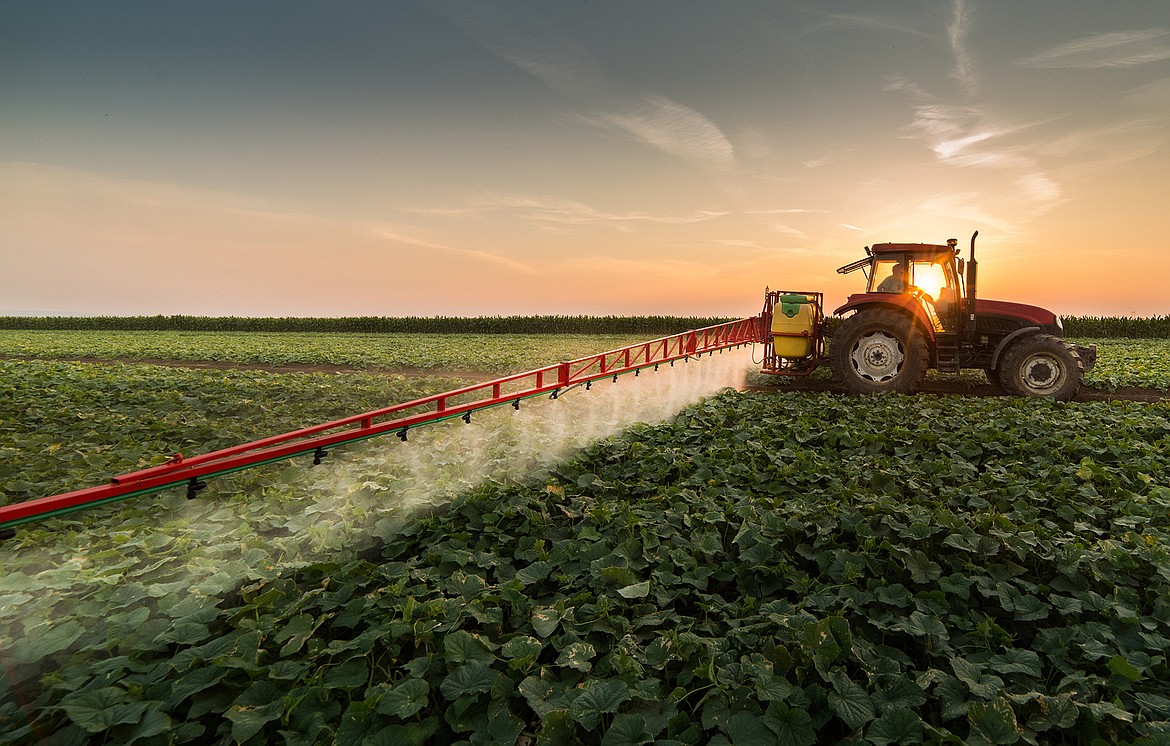
Most seed crops harvested are eventually used to grow food, but because the crop itself is not grown for human consumption, it’s not subjected to the same regulations as edible crops. Seed crop regulations are much less stringent and allow for a greater application of chemicals during the growing process.
Conventionally grown seed follows growing practices that rely on synthetic fertilizers and potentially harmful pesticides. The seed and resulting plants are often treated with chemicals from the time they are sown in the field with a pre-emergent herbicide, through harvest, when they may be treated with additional fungicides before packaging.
The liberal application of chemicals on conventionally-grown seed can lead to lower plant resiliency, leaving them less able to fight pests and disease on their own, especially when compared to organic seed.
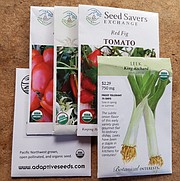
Certified organic seed is produced from plants that are grown under the strict organic growing protocols mandated by the U.S. Department of Agriculture (USDA). While USDA organic growing practices allow for the use of certified organic pesticides and fertilizers, the options available are greatly limited when compared to conventionally produced seed and plants.
To produce healthy plants, organic growers focus on healthy soils, integrated pest management techniques, and limit the use of chemicals in the growing system. This results in seed and plants that are naturally more vigorous and resilient to pests and disease. Growers only select the strongest, most resilient plants for seed harvesting.
Choosing organic or conventionally grown seeds and plants is a matter of preference, economics and availability. Organic tend to be more costly than conventionally grown, and not all edible plant varieties are available as “organic.”
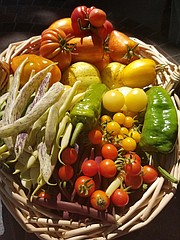
I am committed to seed diversity, resilient plants, fewer chemicals in the environment and I try to grow as many of my edible plants from organic seed — but not everything — it’s just not possible. But, choosing organic and following organic growing practices, while reducing the use of synthetic fertilizers and pesticides, will allow you to grow healthy, vigorous plants that produce the safest and tastiest food in your garden.
Candace Godwin is a Certified Idaho Master Gardener. The University of Idaho Extension, Kootenai County Idaho Master Gardener program is located in the UI Research Park, 958 S. Lochsa St., in Post Falls. Learn more about us at https://www.uidaho.edu/extension/county/kootenai/garden or on Facebook. Visit us in person, email us at [email protected], or call us at 208-292-2525. IMG services are free to the public.