
Homes on wheels
JOEL MARTIN | Hagadone News Network | UPDATED 4 years, 5 months AGO
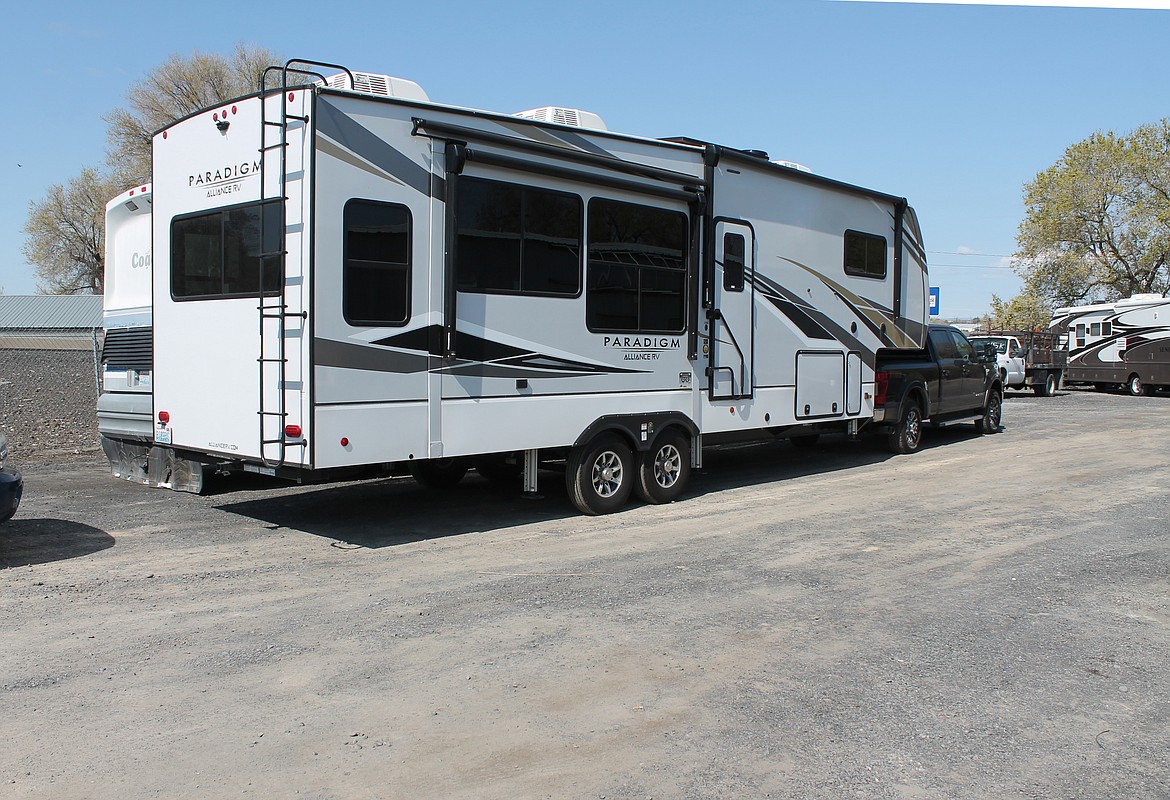
A recreational vehicle can serve as either a moving or a stationary home but the maintenance needs are different from an ordinary house.
Joel Martin/Columbia Basin Herald
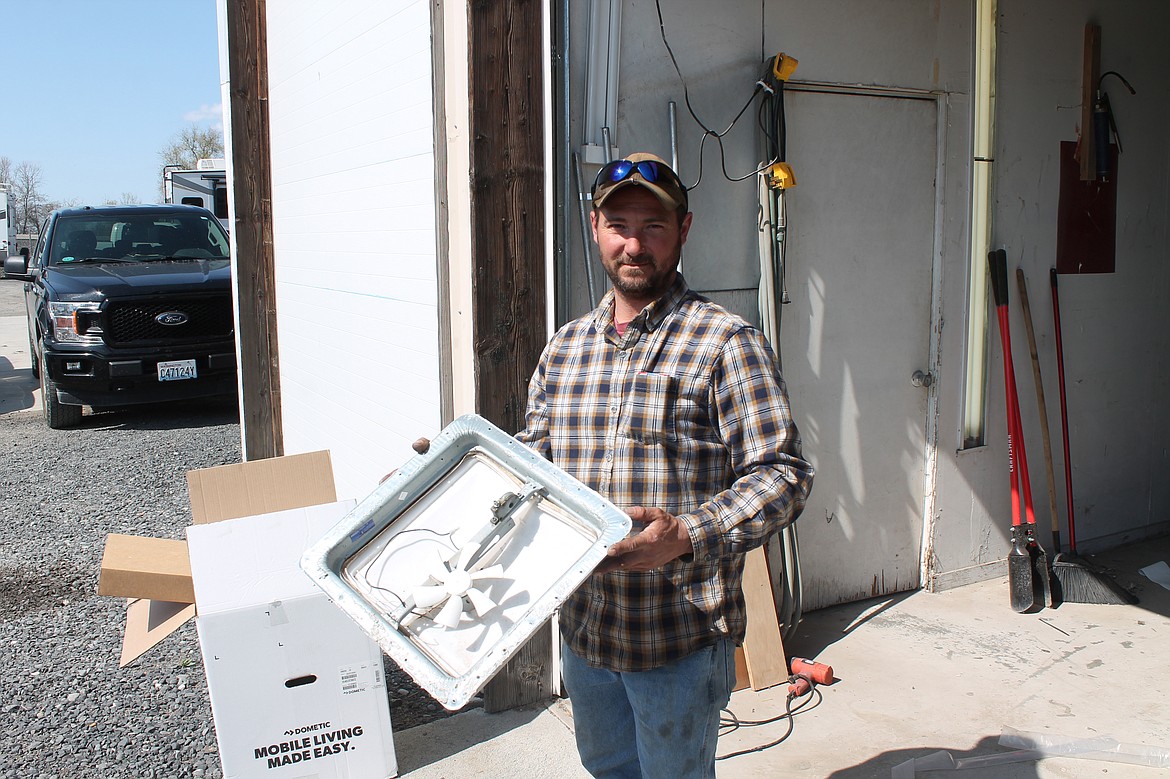
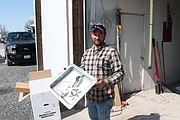
Basin RV Repair technician John Meier shows a skylight that needed to be replaced on an RV. Ventilation is important in a camper just as it is in a home.
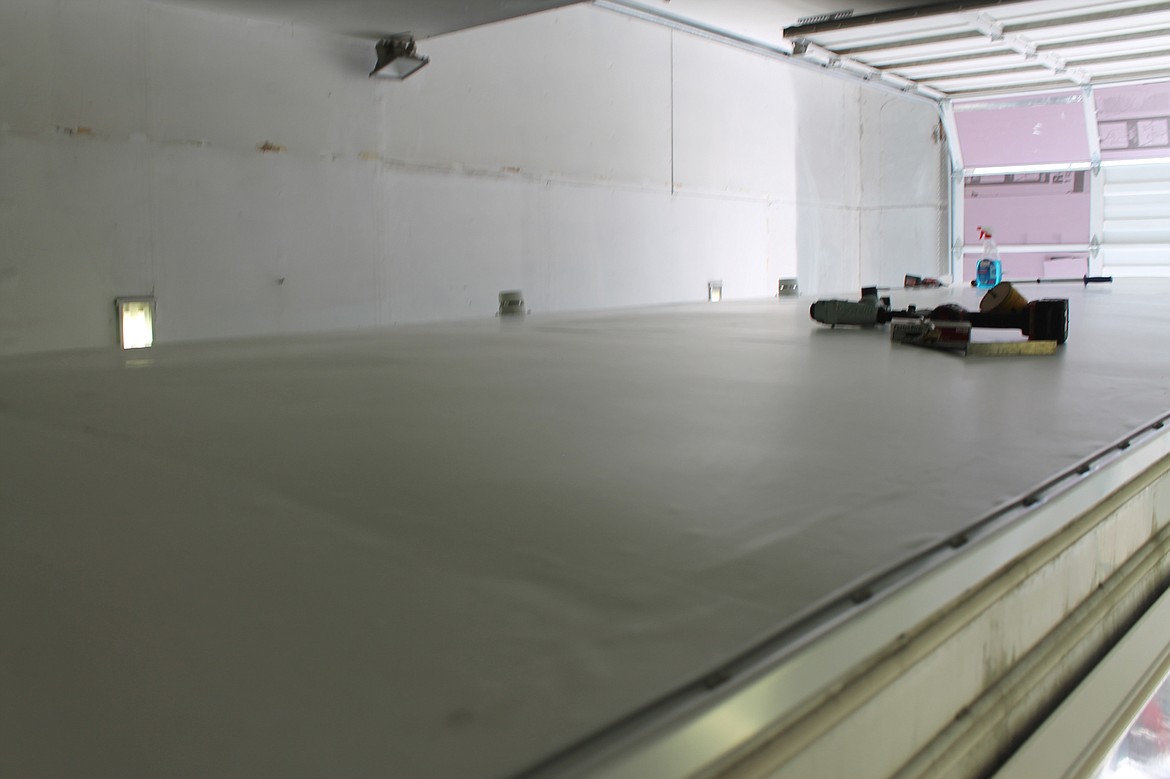
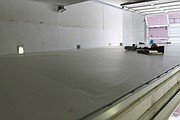
A PVC roof on an RV at Basin RV Repair in Moses Lake. Roofs are an especially vulnerable part of an RV, according to professionals.
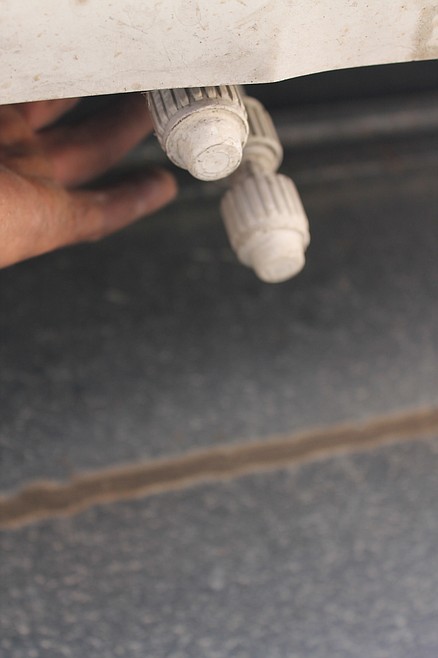
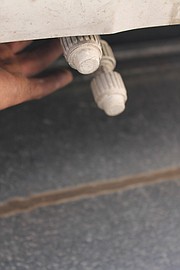
Basin RV Repair technician John Meier shows the low point drain on an RV. Opening these to drain the water out of the vehicle’s pipes is an important part of winterization.

A blown tire ripped through the skirting on this RV. A home that travels at highway speeds requires special care.
Joel Martin has been with the Columbia Basin Herald for more than 25 years in a variety of roles and is the most-tenured employee in the building. Martin is a married father of eight and enjoys spending time with his children and his wife, Christina. He is passionate about the paper’s mission of informing the people of the Columbia Basin because he knows it is important to record the history of the communities the publication serves. | May 6, 2022 1:00 AM
MOSES LAKE — Some people travel in them. Some people keep them parked. Either way, a home on wheels is still a home, and needs to be kept up.
“Most customers can do their own stuff if they watch what they're doing and think about it,” Dave Quade, a technician at Basin RV Repair in Moses Lake said. “It's not rocket science.”
Maintaining a recreational vehicle is mostly a matter of common sense and keeping up, he added.
Much of the work of keeping up an RV is seasonal. Water heaters and toilets can develop leaks if they’re not maintained.
“In the spring, there were a lot of freeze-ups (brought to the shop), because people didn’t drain their (water) heaters right,” said John Meier, a Basin RV Repair technician.
Quade said being familiar with the vehicle or trailer in question helps mitigate such issues.
“Most RVs have low point drains,” said Quade. “You just open the low-point drain and all the faucets and pull the plug in the hot water tank and pour antifreeze down the P-traps, and you’ve pretty much got it covered.”
P-traps are the curved bit of piping under a sink that prevent unpleasant odors from coming up out of the plumbing.
If an RV is going to be used during the winter, it’s important to put heat tape on your hoses and good skirting around the bottom to keep out the cold, Quade said.
Roofs are another vulnerable point in an RV. They can come in contact with tree branches and other items that scrape them up, and when you’re on the highway they’re exposed to what amounts to a 60-mile-per-hour wind. Unlike the roof on a house, they’re usually made of some kind of plastic or rubber. Skylights in particular are prone to go bad, said Meier.
So what should a customer look for when buying an RV, used or new? Again, leaks, Quade said.
“Open all the cupboards. look inside the cupboards and the back corners and make sure there's no water stains, that's where they'll leak first,” he said.
“Fire everything up, make sure it runs,” he added. “The problem with that is the refrigerator takes 12 hours to cool down, before it gets cold. So sometimes that's kind of rough unless you tell the guy you're buying it from to turn it on before you get there. If they won't, that's normally a pretty good sign that you're (going to be) buying a refrigerator. And a cooling unit's $1,250. So it's a little spendy.”
Both Quade and Meier agreed that motorhomes are more of a hassle than trailers, both for the owner and the repair professional.
“Motor homes are kind of a pain in the … um … rear end,” said Meier.
Quade agreed, and said electrical concerns can be costly.
“They're just electrical nightmares,” said Quade. “They bring them in because they have an electrical issue and you can spend days trying to figure it out. Most customers don't want to pay for 24 hours of diagnosis at $110 an hour.”
Joel Martin can be reached via email at [email protected].

ARTICLES BY JOEL MARTIN

Endless battle
Noxious Weed Control Board works to keep invasive plants under control
MOSES LAKE — Some of the nastiest plants in Grant County were the topic of a class led by Jay Johnson, a consultant with the Grant County Noxious Weed Control Board, Tuesday. The Noxious Weed Control Board, as its name would suggest, is tasked with keeping weeds under control in Grant County. That’s not a small job; the board’s website lists 129 species of noxious weeds that are found around Grant County. A noxious weed is defined as an invasive, non-native plant that threatens agricultural crops, local ecosystems or fish and wildlife habitat, according to the Noxious Weed Control Board. Washington state law requires that these weeds be identified and their spread kept to a minimum, if not completely eradicated. “We’re one of those agencies a lot of people don’t really understand,” Johnson said. “We’re a county office and … our funding is tax-based assessment. When you get your tax bill and you look down at all the expenses that you pay for, there we are.”

BASIN EVENTS: Oct. 16-24
COLUMBIA BASIN — Whether you feel like shopping, crafting, learning or seeing a show, there’s something happening for you this week in the Basin. Oct. 16 ‘My Family (Mi Familia)’ screening Spanning three generations, “My Family (Mi Familia)” is a heartfelt drama that follows the Sánchez family as they build their lives in East Los Angeles. Through love, hardship, triumph, and sacrifice, the film explores the immigrant experience, the strength of family bonds, and the traditions that connect one generation to the next. Lowrider show and taco truck before the screening. Sponsored by Columbia Basin Allied Arts, EDUBS C/S and the Moses Lake Creative District. $12 per person. Doors open at 6 p.m., film begins at 7 p.m. at the Moses Lake Civic Center Auditorium, 401 S. Balsam St. Tickets and info: www.cba-arts.org.

Moses Lake author encourages women to look beyond church culture norms
MOSES LAKE — A Moses Lake author’s book, “A Christian Woman Striving to Live Her Faith in a Man-Controlled World,” takes aim at the role to which many churches relegate the female half of their congregations. “It’s to encourage women in the faith,” Linda Curran said. “A lot of churches say, ‘Teach Sunday school, do this, do that, but don’t (evangelize.)’" In her book, Curran recounts a time when she moved to a new community and joined a church there. She was surprised to learn that, as a new female member, she had been automatically assigned church cleaning duties. When she questioned it, she wrote, she was met with condescension and her objections were brushed aside. In other churches, she said, women who were capable of teaching were relegated to “women’s ministry.”