
Checking it out
JOEL MARTIN | Hagadone News Network | UPDATED 3 years, 6 months AGO
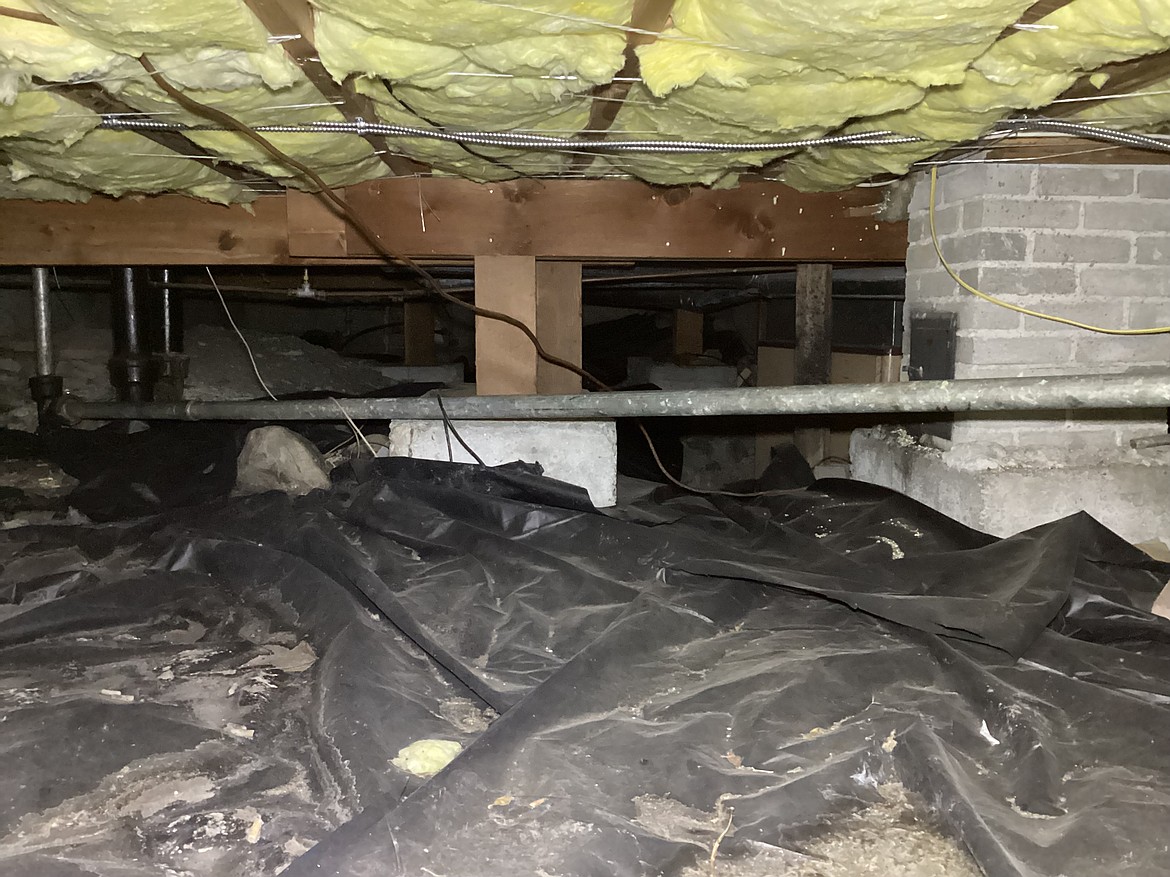
A crawl space under a home can reveal a great deal about the house’s condition. The insulation is correctly installed, with the paper side facing the inside of the house, Counter said, which isn’t something installers always get right.
Courtesy photo/Henry Counter, Pillar to Post Home Inspectors
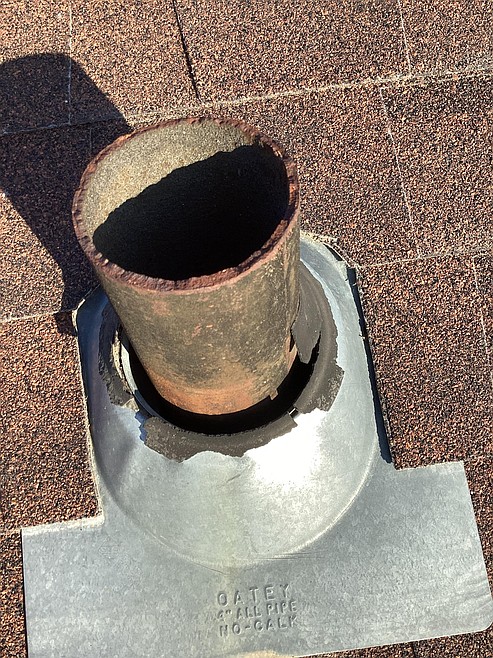
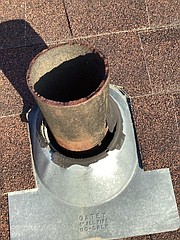
The boot on this roof vent is largely missing, which spells water damage down the road if it’s not repaired.
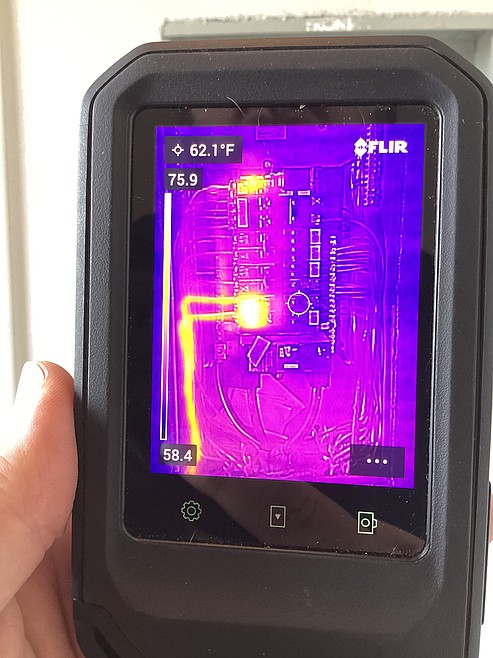
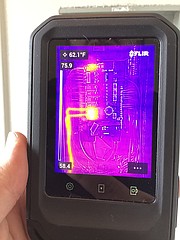
Henry Counter uses an infrared sensor to check the temperature of electrical wiring and connections. The small white circle in the middle indicates the target area, which is at 62.1 degrees Fahrenheit, while the numbers to the side show the complete temperature range. These numbers are well within safe parameters, he said.
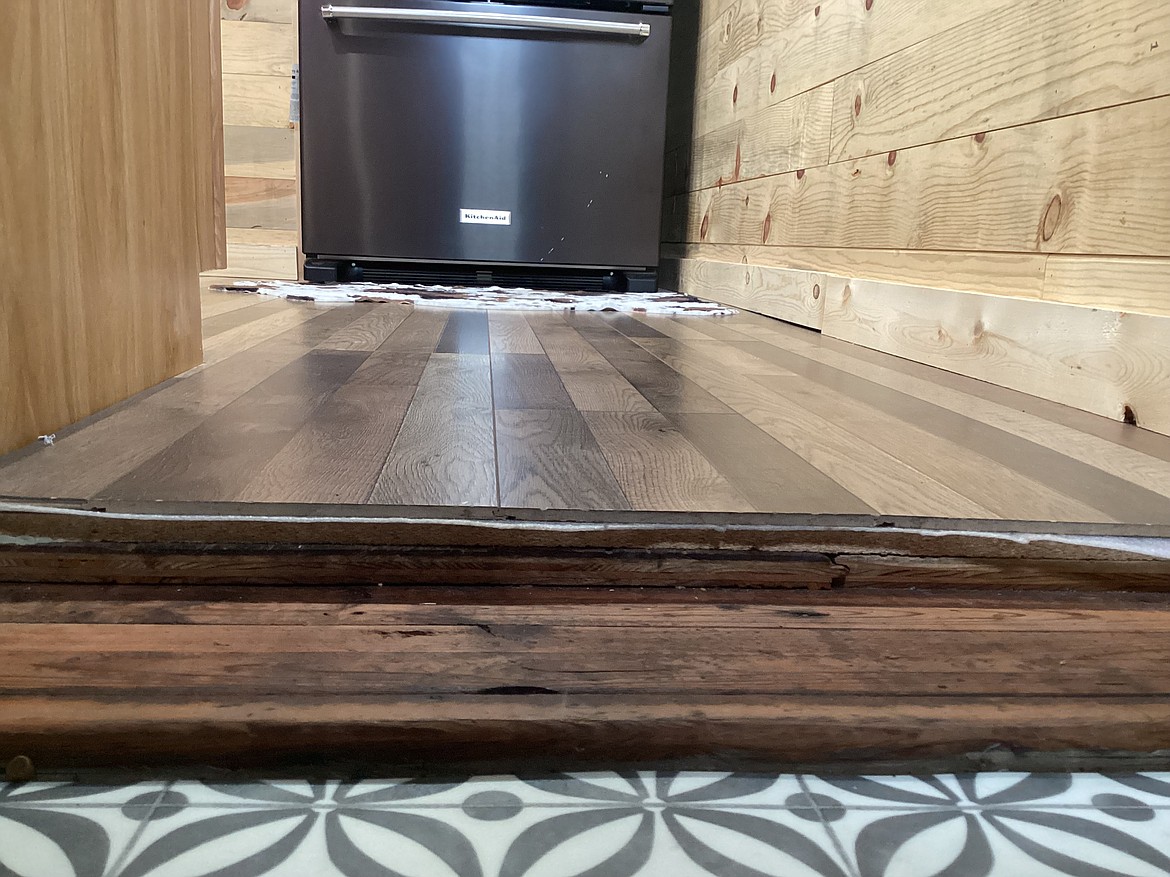
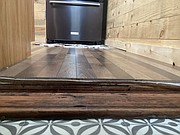
This worm’s-eye view of a floor shows a trip hazard between rooms, a safety hazard the buyer will probably want to repair, Counter said.
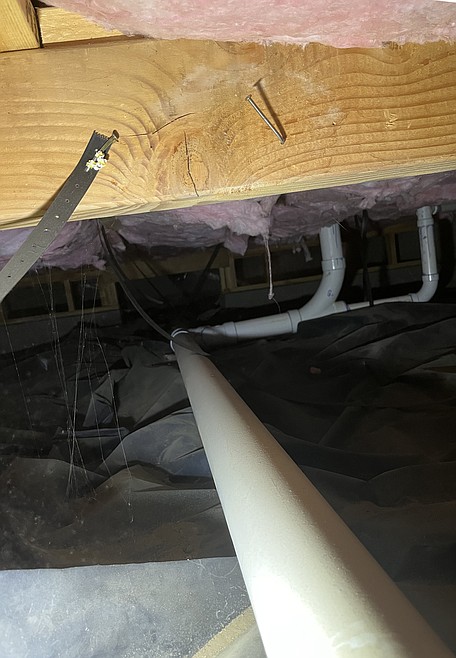
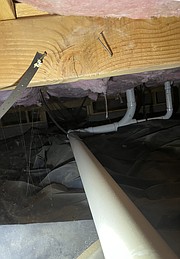
In this crawl space under a house, the strap on the left has been cut, leaving the drain pipe unsupported. This can lead to bad drainage, Counter said.
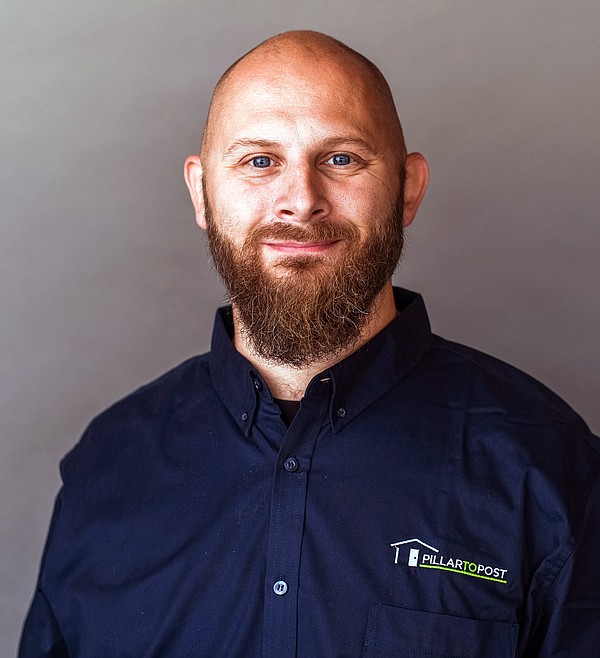
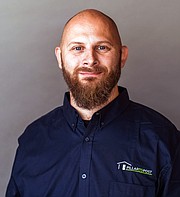
Henry Counter, owner of Pillar to Post Home Inspectors in Ephrata.
Joel Martin has been with the Columbia Basin Herald for more than 25 years in a variety of roles and is the most-tenured employee in the building. Martin is a married father of eight and enjoys spending time with his children and his wife, Christina. He is passionate about the paper’s mission of informing the people of the Columbia Basin because he knows it is important to record the history of the communities the publication serves. | April 7, 2023 1:00 AM
MOSES LAKE — Buying a home can be a risky proposition. There are many things that could go wrong with the home or the land, so many things that prospective buyers could miss that could cost them a lot of money down the road. That’s where a professional home inspector comes in.
“I've looked at houses and fallen in love with the house,” said Henry Counter, owner of Pillar to Post Home Inspectors in Ephrata. “And then after you move in, you find everything that's wrong with it.”
“Home inspections are a critical part of the home buying and selling process,” the National Association of Realtors wrote on its website. “Failure to obtain a home inspection could potentially cost you a great deal of money and hassles in the long run.”
A home inspection is a vital part of the process, whether the home is new or used, Counter said.
“The Realtor representing the home buyer should always get an inspection, even if it's a brand-new construction,” Counter said. “I've been out there on brand-new construction, houses that haven't had anyone live in them, and some of the sewer lines aren't angled the correct way. So you're gonna have a sewer line just at a straight line. It's gonna have troubles draining.”
Naturally, a home inspector needs to have a pretty thorough knowledge of the process. To be licensed in Washington, a prospective inspector must take a Washington State Home Inspectors Board-approved, 120-hour course, followed by 40 hours of field training with a mentor, according to the Washington State Department of Licensing. They have to perform at least five inspections as well and pass a rigorous exam before receiving their license.
Counter starts at the top with his inspections.
“I'll go up on the roof and check all the roofing materials to make sure they're all in good shape, and will withstand a good while longer, as well as to make sure there are no exposed nails, check all the vents and make sure they all have the right kind of drip edge or the right kind of collars. This way, you don't have water coming into your house.”
He showed a photo of a roof vent with a broken boot, the thing that seals the space between the vent pipe and the roof surface.
“This is begging for water damage,” he said. “It's allowing water to get into the attic, which obviously gets into the insulation or worse yet, gets to other parts of the house like the drywall.”
The inspection continues from there.
“Then we do a full perimeter: checking all the siding, checking all the windows for caulking, checking (at ground level). And then we check all the hose bibs … check for any cracks in the foundation, then check everything inside the house, from the water heaters to all the appliances in the house, checking every accessible outlet that's available, opening and closing all cabinets, all windows, all doors, making notes of anything that’s not the way it should be.”
Counter also checks the electrical system using an infrared sensor that detects overheating wiring and connections, and then gets down and dirty underneath the house.
“Hopefully you get lucky and there's no bugs or animals down there,” he said.
But it’s necessary to get down there, he said, showing a photo of a problem that wouldn’t have been noticed from the outside. Under the house, in a tight crawl space, were PVC drain pipes at too shallow an angle to ensure good drainage, he said. Somebody, in an effort to get better access in the crawlspace, had cut a strap that held the pipe at a higher angle and had not replaced it.
“So this has about a 35-foot section of pipe that's not supported, where we like to see in the PVC pipe supported about every 10 feet or so,” he said. “There's no wear and tear on the pipe itself, and not too much of a bend up in the line. But this is something that they would want to have addressed to make sure that's draining properly.”
The consumer advocacy website Checkbook.org recommends that prospective buyers or sellers seek out their own inspector, rather than trusting the decision to their broker, and that they ask some probing questions of their inspector, such as their background and experience, their references and whether they charge for followup questions after the initial inspection. Checkbook.org also recommends asking specific questions about guarantees, since an inspection covers so many things.
“Inspection outfits might tell you they carry errors and omissions insurance coverage, but don’t assume this coverage grants you recourse if the company misses a big defect,” their website says. “These policies provide legal representation to the inspection company in the event of a lawsuit and pay (rare) judgments against them; this insurance is not carried to protect you from lousy work.”
Checkbook.org also recommends that customers be present for the inspection, and if the inspector won’t allow that, it’s a huge red flag. Counter agreed.
“(The customer should) feel educated about the home, make sure they feel comfortable. And that's one of the things I offer and suggest with every customer is, feel free to go with me around the house and I'll show you everything that I'm seeing. But at the same time, if we ever get separated, I let them know that we're gonna go over every single photo that I take, and everything that's going to be in the report. So this way they can know what things to be being taken care of, those big items. Obviously, you'd want them to be addressed sooner rather than later.”
Counter takes pride in the knowledge that his work makes the home-buying process less of a gamble, he said.
“It's very rewarding for me to teach them something about their house that they had no idea about,” he said.
Joel Martin can be reached via email at [email protected].
ARTICLES BY JOEL MARTIN

Endless battle
Noxious Weed Control Board works to keep invasive plants under control
MOSES LAKE — Some of the nastiest plants in Grant County were the topic of a class led by Jay Johnson, a consultant with the Grant County Noxious Weed Control Board, Tuesday. The Noxious Weed Control Board, as its name would suggest, is tasked with keeping weeds under control in Grant County. That’s not a small job; the board’s website lists 129 species of noxious weeds that are found around Grant County. A noxious weed is defined as an invasive, non-native plant that threatens agricultural crops, local ecosystems or fish and wildlife habitat, according to the Noxious Weed Control Board. Washington state law requires that these weeds be identified and their spread kept to a minimum, if not completely eradicated. “We’re one of those agencies a lot of people don’t really understand,” Johnson said. “We’re a county office and … our funding is tax-based assessment. When you get your tax bill and you look down at all the expenses that you pay for, there we are.”

BASIN EVENTS: Oct. 16-24
COLUMBIA BASIN — Whether you feel like shopping, crafting, learning or seeing a show, there’s something happening for you this week in the Basin. Oct. 16 ‘My Family (Mi Familia)’ screening Spanning three generations, “My Family (Mi Familia)” is a heartfelt drama that follows the Sánchez family as they build their lives in East Los Angeles. Through love, hardship, triumph, and sacrifice, the film explores the immigrant experience, the strength of family bonds, and the traditions that connect one generation to the next. Lowrider show and taco truck before the screening. Sponsored by Columbia Basin Allied Arts, EDUBS C/S and the Moses Lake Creative District. $12 per person. Doors open at 6 p.m., film begins at 7 p.m. at the Moses Lake Civic Center Auditorium, 401 S. Balsam St. Tickets and info: www.cba-arts.org.

Moses Lake author encourages women to look beyond church culture norms
MOSES LAKE — A Moses Lake author’s book, “A Christian Woman Striving to Live Her Faith in a Man-Controlled World,” takes aim at the role to which many churches relegate the female half of their congregations. “It’s to encourage women in the faith,” Linda Curran said. “A lot of churches say, ‘Teach Sunday school, do this, do that, but don’t (evangelize.)’" In her book, Curran recounts a time when she moved to a new community and joined a church there. She was surprised to learn that, as a new female member, she had been automatically assigned church cleaning duties. When she questioned it, she wrote, she was met with condescension and her objections were brushed aside. In other churches, she said, women who were capable of teaching were relegated to “women’s ministry.”