
Salmonella outbreak hits Washington state
JOEL MARTIN | Hagadone News Network | UPDATED 2 years, 9 months AGO
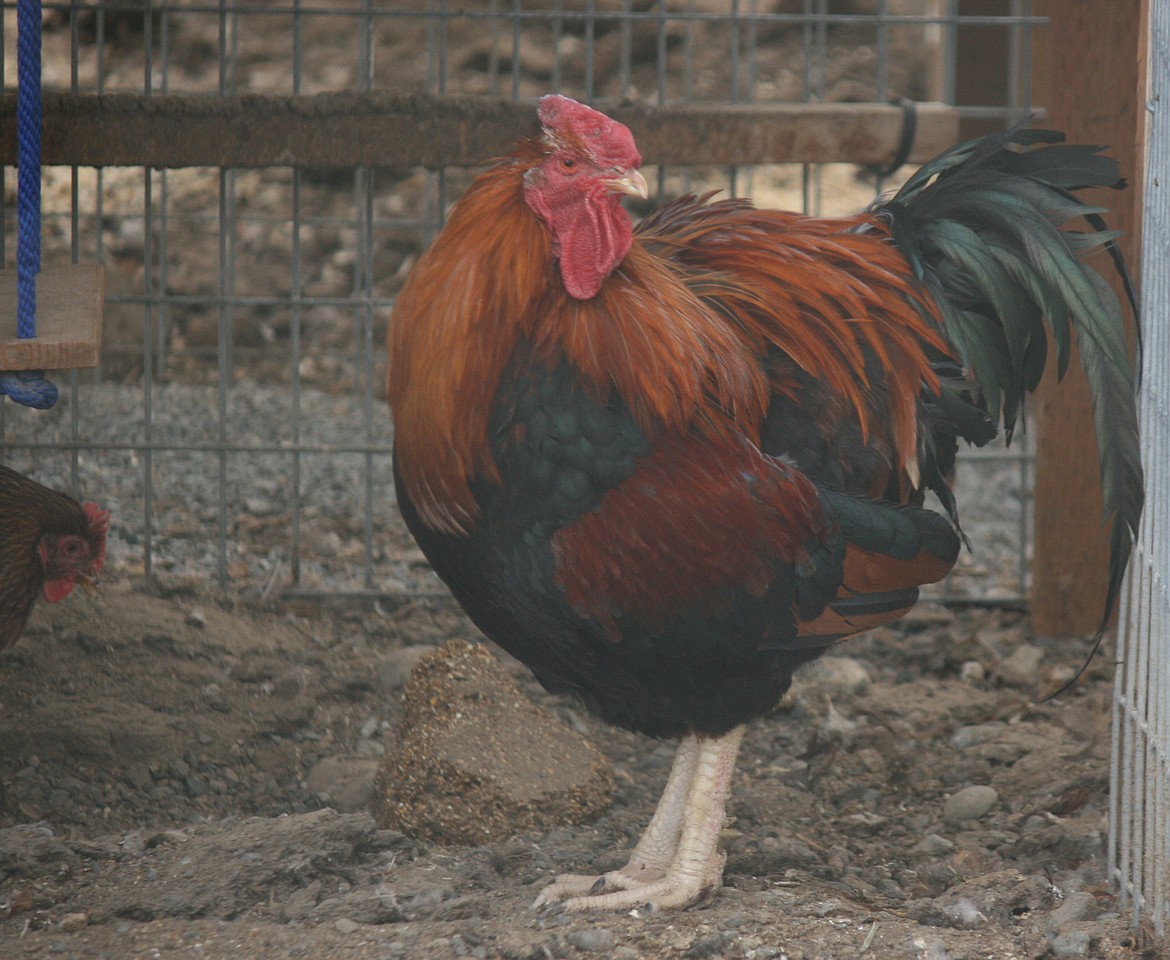
The Washington Department of Health is urging people to take precautions when handling poultry in the wake of a salmonella outbreak.
FILE PHOTO
Joel Martin has been with the Columbia Basin Herald for more than 25 years in a variety of roles and is the most-tenured employee in the building. Martin is a married father of eight and enjoys spending time with his children and his wife, Christina. He is passionate about the paper’s mission of informing the people of the Columbia Basin because he knows it is important to record the history of the communities the publication serves. | June 2, 2023 9:01 PM
OLYMPIA — An outbreak of salmonella has sickened 13 people in Washington state, one of them in Grant County, according to a statement from the Washington State Department of Health.
This is part of a nationwide outbreak that has sickened 104 people in 31 states, the statement said. In Washington, four people have been hospitalized and no deaths have been reported, it said.
Salmonella is a bacteria that can be found in poultry manure which can make people sick, the statement said. Backyard poultry, like chickens and ducks, can carry salmonella even if they look healthy and clean. The bacteria can easily spread to cages, coops, hay, plants, and soil in the area where they live. You can get sick from salmonella by touching your mouth or food with unwashed hands, the DOH wrote.
“If you have a backyard flock, take steps to protect yourself and your family from salmonella infection,” Washington State Chief Science Officer Tao Sheng Kwan-Gett wrote in the statement. “Always wash your hands with soap and water after you've touched poultry, or soil or objects they’ve had contact with.”
People infected with salmonella usually become sick one to three days after exposure, the statement said. Symptoms include diarrhea that can be bloody, fever, chills, stomach cramps and occasionally vomiting. Most people recover within four to seven days without treatment. However, some people may experience more severe illnesses that require medical treatment or hospitalization. Children under five, adults over 65, and those with weakened immune systems are most likely to get severely sick from salmonella and should avoid handling backyard poultry or anything in the environments where poultry live or roam.
To avoid infection and protect your flock, the DOH urges these prevention steps:
• Wash your hands with soap and running water after touching backyard poultry or anything where they live and roam.
• Don’t kiss or snuggle poultry.
• Don’t eat or drink around your poultry.
• Keep poultry and the supplies you use to care for them outside of your home.
• Supervise children around birds; children younger than five should not touch birds.
• Separate your flock from wildlife.
• Practice good biosecurity.
• Safely handle, cook and store eggs.
More information on staying healthy while caring for backyard poultry can be found at https://bit.ly/43Hhbuo.
ARTICLES BY JOEL MARTIN

Space Burger booth open March 13-15
MOSES LAKE — Those who can’t wait for the Grant County Fair can get their Space Burger fix next weekend, according to an announcement from the Lioness Club of Moses Lake. The iconic Grant County sandwiches will be available at the Grant County Fairgrounds March 13-15, according to the announcement. There is no admission fee to get into the fairgrounds that weekend.

SENIOR EVENTS: March 2026
COLUMBIA BASIN — Plays, art shows, auctions and more await seniors in the Columbia Basin this month. Here are some opportunities to get out and about in March.

Valentine’s Day cards flood Brookdale Hearthstone with love
MOSES LAKE — Residents at Brookdale Hearthstone Assisted Living in Moses Lake got Valentine’s Day greetings from across the country last month. “I believe that the only states we have not received (cards from) yet are Vermont and Maine,” Lifestyle Director Imelda Broyles said Feb. 24. “We keep receiving new cards every single day. They have not stopped. My residents are in awe with every single one of the cards that we’ve been receiving.” The Hearts Across America project started as a way for children in school classrooms to exchange Valentine’s Day cards with classes in other states or even countries, but the idea has expanded to senior living facilities, according to the project’s social media.