
Feds announce changes to reverse mortgage program
JOEL MARTIN | Hagadone News Network | UPDATED 2 years, 11 months AGO
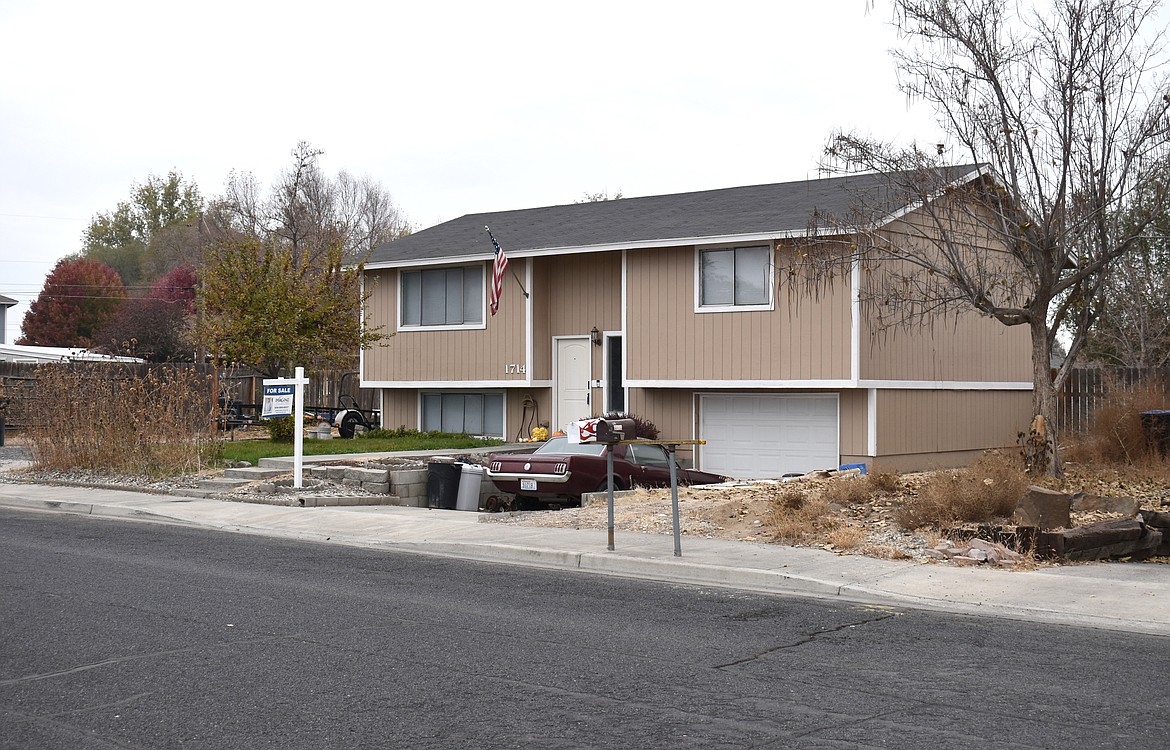
A home for sale in Moses Lake. The Federal Housing Administration announced changes Wednesday to its Home Equity Conversion program.
JOEL MARTIN/COLUMBIA BASIN HERALD
Joel Martin has been with the Columbia Basin Herald for more than 25 years in a variety of roles and is the most-tenured employee in the building. Martin is a married father of eight and enjoys spending time with his children and his wife, Christina. He is passionate about the paper’s mission of informing the people of the Columbia Basin because he knows it is important to record the history of the communities the publication serves. | November 3, 2023 1:30 AM
WASHINGTON, D.C. — The Federal Housing Administration released new proposed policy updates to its Home Equity Conversion Program, according to a statement issued Wednesday by the Department of Housing and Urban Development.
“At HUD, we’re constantly working to enhance, update, and streamline our key programs to make them accessible and easy to navigate for those we serve,” HUD Secretary Marcia L. Fudge wrote in the statement. “We urge the public to provide us feedback on our new proposed changes to Home Equity Conversion Mortgages, so we can best benefit seniors, their families, and lenders.”
Home equity conversion mortgages, also called reverse mortgages, can be a boon for seniors who own their homes but whose income has dropped. With a HECM, the lender makes payments to the borrower based on the equity in the home. The loan does not need to be repaid until the borrower no longer lives in the home or fails to meet the obligations of the loan. When the loan becomes due, it can be repaid by selling the home or using other assets. If the home is sold, the proceeds are used to repay the loan, and any remaining equity goes to the borrower or their heirs.
The proposed changes would streamline certain requirements and reduce operational challenges associated with servicing an HECM portfolio, according to the statement. Key changes include:
• Allowing mortgage servicers to contact borrowers by phone to verify occupancy for the program’s required annual occupancy certification;
• Allowing outstanding homeowner’s association dues to be included in the calculation of a repayment plan for borrowers who are behind on their HECM financial obligations;
• Expanding the ability of mortgage servicers to work with borrowers who are behind on their property tax or hazard insurance by an amount up to $5,000 without calling the mortgage due and payable;
• Allowing mortgage servicers to assign a HECM to HUD after the servicer has funded a cure for a borrower’s delinquent financial obligations so long as the borrower has made all property charge payments for one year and all other assignment eligibility criteria are met;
• Streamlining requirements for executing alternatives to foreclosure and updating existing incentive payments for successful completion of loss mitigation options; and
• Providing a new incentive payment to mortgage servicers for completing these alternatives.
“The HECM program remains one of the cornerstone programs on the market to help seniors who want to stay in their own homes as they age,” Federal Housing Commissioner Julia R. Gordon wrote in the statement. “These proposals benefit seniors with HECM mortgages as well as their families, and they also facilitate participation in the program by HECM lenders.”
ARTICLES BY JOEL MARTIN

Endless battle
Noxious Weed Control Board works to keep invasive plants under control
MOSES LAKE — Some of the nastiest plants in Grant County were the topic of a class led by Jay Johnson, a consultant with the Grant County Noxious Weed Control Board, Tuesday. The Noxious Weed Control Board, as its name would suggest, is tasked with keeping weeds under control in Grant County. That’s not a small job; the board’s website lists 129 species of noxious weeds that are found around Grant County. A noxious weed is defined as an invasive, non-native plant that threatens agricultural crops, local ecosystems or fish and wildlife habitat, according to the Noxious Weed Control Board. Washington state law requires that these weeds be identified and their spread kept to a minimum, if not completely eradicated. “We’re one of those agencies a lot of people don’t really understand,” Johnson said. “We’re a county office and … our funding is tax-based assessment. When you get your tax bill and you look down at all the expenses that you pay for, there we are.”

BASIN EVENTS: Oct. 16-24
COLUMBIA BASIN — Whether you feel like shopping, crafting, learning or seeing a show, there’s something happening for you this week in the Basin. Oct. 16 ‘My Family (Mi Familia)’ screening Spanning three generations, “My Family (Mi Familia)” is a heartfelt drama that follows the Sánchez family as they build their lives in East Los Angeles. Through love, hardship, triumph, and sacrifice, the film explores the immigrant experience, the strength of family bonds, and the traditions that connect one generation to the next. Lowrider show and taco truck before the screening. Sponsored by Columbia Basin Allied Arts, EDUBS C/S and the Moses Lake Creative District. $12 per person. Doors open at 6 p.m., film begins at 7 p.m. at the Moses Lake Civic Center Auditorium, 401 S. Balsam St. Tickets and info: www.cba-arts.org.

Moses Lake author encourages women to look beyond church culture norms
MOSES LAKE — A Moses Lake author’s book, “A Christian Woman Striving to Live Her Faith in a Man-Controlled World,” takes aim at the role to which many churches relegate the female half of their congregations. “It’s to encourage women in the faith,” Linda Curran said. “A lot of churches say, ‘Teach Sunday school, do this, do that, but don’t (evangelize.)’" In her book, Curran recounts a time when she moved to a new community and joined a church there. She was surprised to learn that, as a new female member, she had been automatically assigned church cleaning duties. When she questioned it, she wrote, she was met with condescension and her objections were brushed aside. In other churches, she said, women who were capable of teaching were relegated to “women’s ministry.”