
Veggie tech: Kennewick conference highlights advances in agriculture
JOEL MARTIN | Hagadone News Network | UPDATED 2 years, 10 months AGO
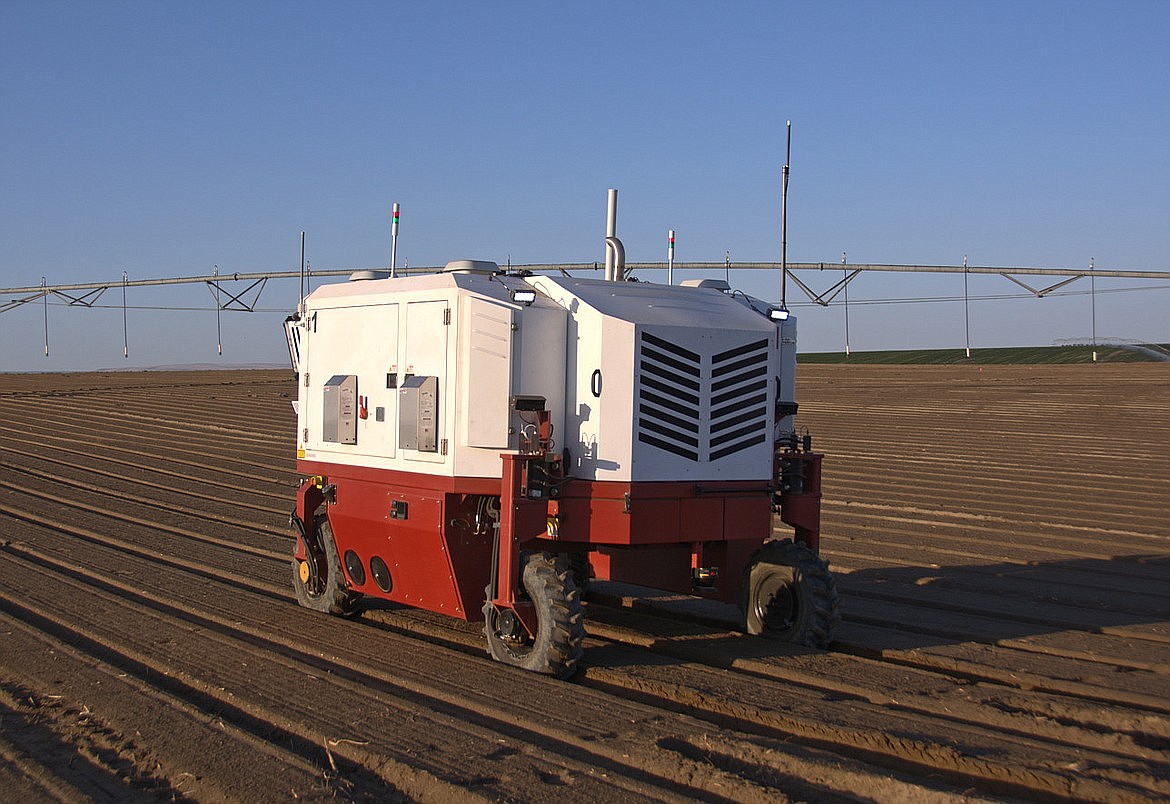
The Carbon Robotics laser weeder, pictured, is one of the tech advances highlighted at the 2023 Northwest Vegetable Association conference in Kennewick last week.
FILE PHOTO
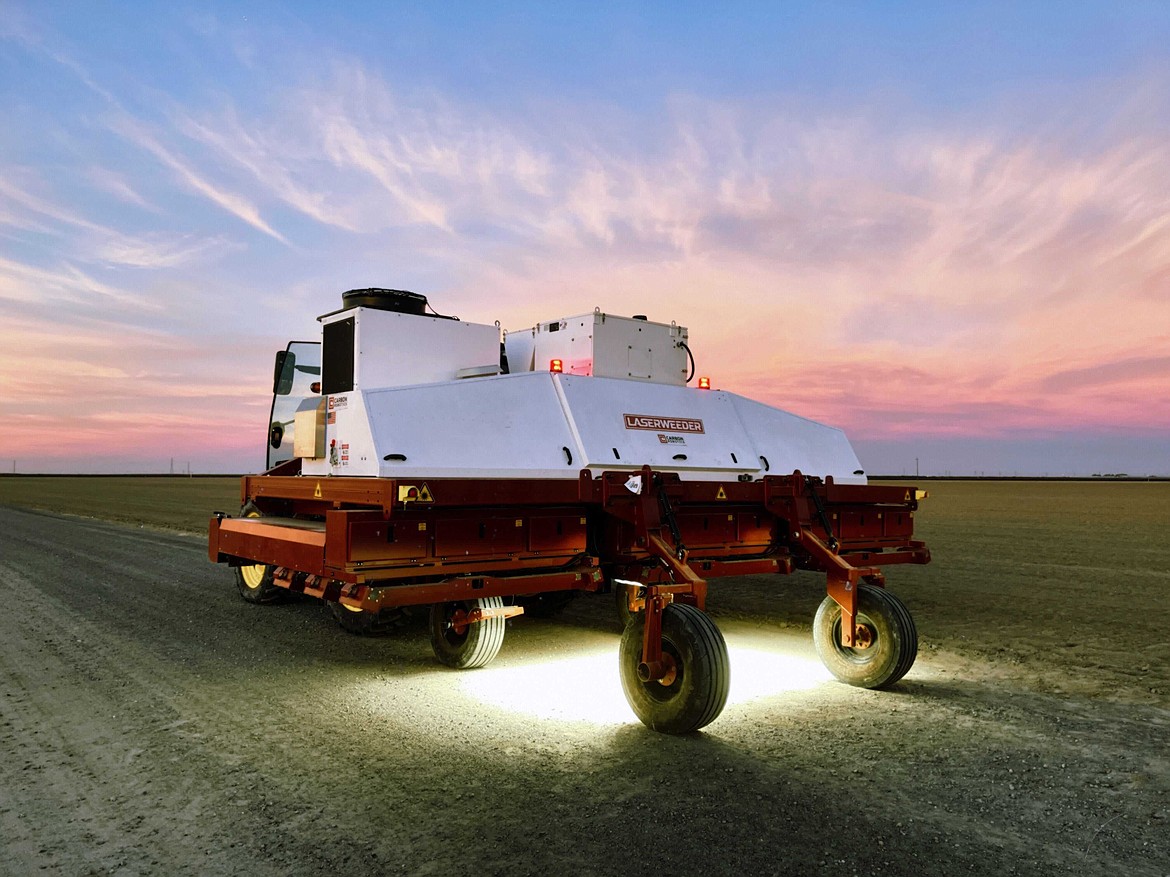
The laserweeder has some impressive gear that even Batman might appreciate. Underneath its body, there are 150 LED lights that make the lighting about four times that of the sun, according to Carbon Robotics VP of Marketing Brett Goodwin. It also has 42 predict and targeting cameras that can direct lasers to eliminate 5,000 weeds per minute.
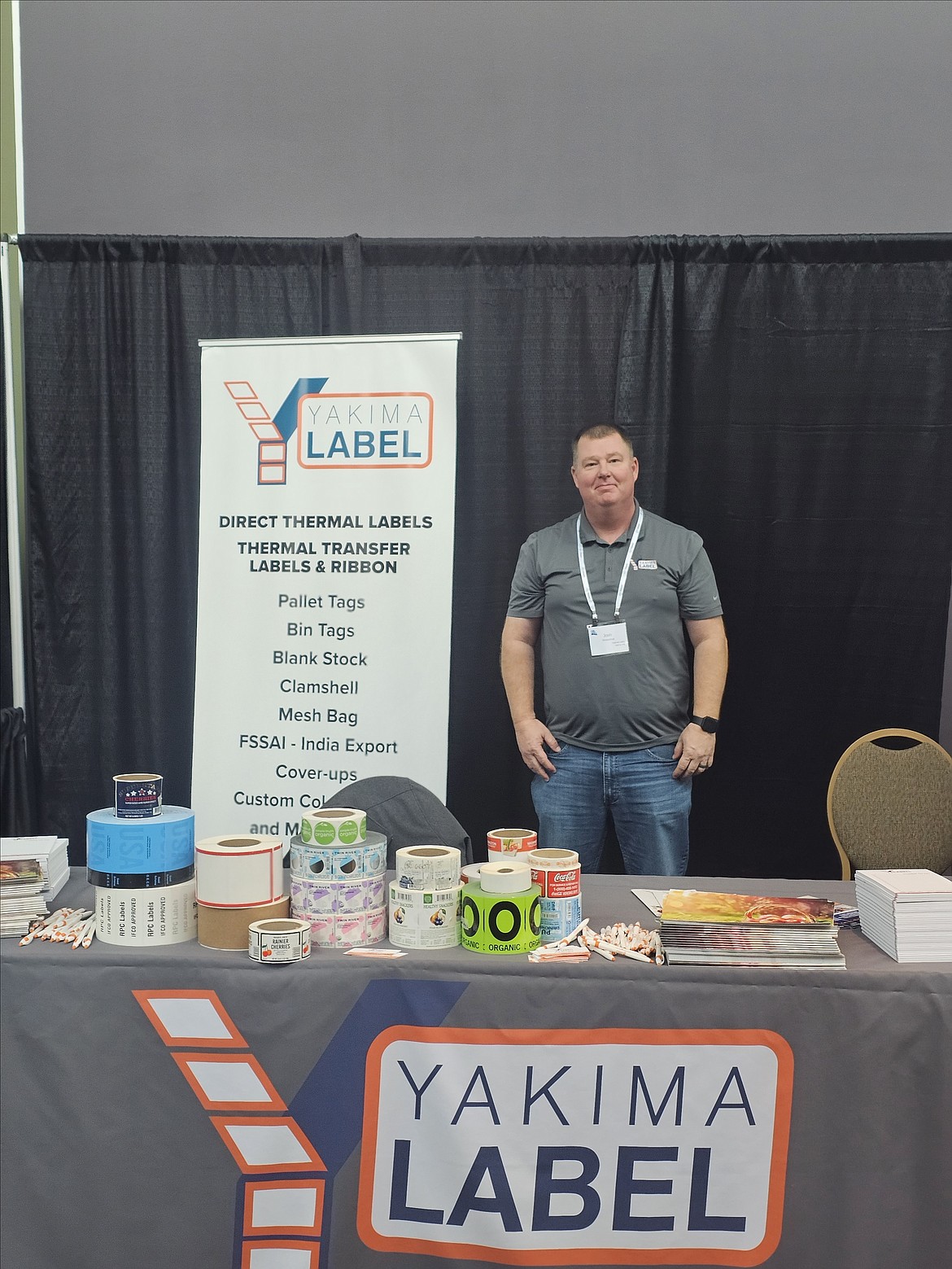
The folks at Yakima Label were at the conference to discuss labeling solutions with agriculture professionals.
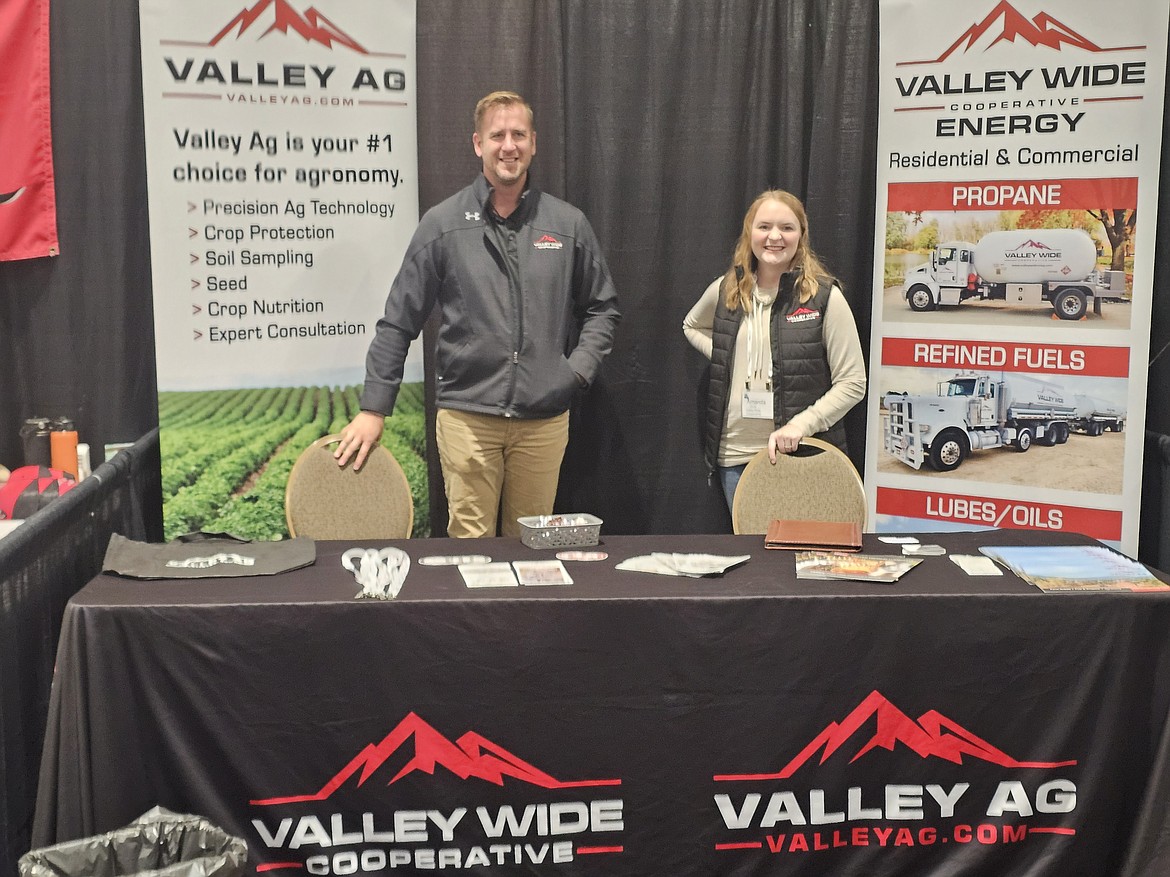
Valley Ag was at the veggie conference to talk about the science of agriculture. From soil sampling to examine the viability of a plot of land for farming to looking at what nutrients a crop needs to thrive, they offer a variety of consultation and tech services to help farmers thrive.
Joel Martin has been with the Columbia Basin Herald for more than 25 years in a variety of roles and is the most-tenured employee in the building. Martin is a married father of eight and enjoys spending time with his children and his wife, Christina. He is passionate about the paper’s mission of informing the people of the Columbia Basin because he knows it is important to record the history of the communities the publication serves. | November 21, 2023 1:30 AM
KENNEWICK — Veggies have gotten very high-tech, based on presentations by the exhibitors at the 2023 Pacific Northwest Vegetable Association conference and trade show.
The conference, held Nov. 15-16 at the Three Rivers Convention Center in Kennewick, offered seminars on techniques and developments in farming by experts drawn from universities and businesses all over Washington, Oregon and Idaho. Classes covered a range of topics, although pests and diseases — always a source of concern for vegetable growers — dominated the schedule.
The trade show went a little farther afield, so to speak. Interspersed among the seed growers and fertilizer dealers were things that sounded like something out of a science fiction story.
One of those was Seattle-based Carbon Robotics, which uses artificial intelligence to train its autonomous laser weeders.
“Right now we're running on 62 different crops,” said Demo Engineer Travis Palmer. “It's able to discern from the crop to the weed so that you could be on onions at one point, and then drive across the street to a carrot field, hit the model for the carrot, and away you go. It's preprogrammed, and it's continually gathering data from what it’s seen — what the weed density is, what the crop looks like — gathering that information and sending it off. It is compiling a very robust program for that type of crop.”
The weeder, nicknamed “Slayer,” is 20 feet wide and fires 30 lasers with sub-millimeter precision to weed as much as two acres in an hour. The weeders are improving at an exponential rate, Palmer said.
“The last couple of years, the machine speed has doubled, and almost maybe (tripled) depending on what crop you’re on,” he said. “That's a big, big thing. The farmers are always saying, ‘We need more speed, and we need more lasers.’ So what's happened is, each laser used to shoot four times per second, then it went to eight times per second in the last two years, then in the last six months, we've gone to 16 times per second. So now we have 30 lasers shooting at 16 times per second.”
Carbon Robotics VP of Marketing Brett Goodwin said the lighting underneath the weeder allows it to operate day or night. The efficiency of the unit allows for the elimination of about 5,000 weeds per minute. Additionally, the remote data link allows the onboard computing hardware — about 24 times the computing power of a Tesla — to receive updates and submit field data to software. Farmers in turn can examine crop density and quality and anywhere that weeds are more prevalent and adjust planning for their crops accordingly.
Not far away, Breann Speer, operations manager for MAF PNW in Yakima, was singing the praises of the MAF Roda Agrobotic’s Globalscan system, which can sort and size fruits and vegetables at high speed. It’s a set of high-speed cameras that can take as many as 60 photos of each apple, pear, cherry or almost any other fruit at high speed, sizing it precisely and ferreting out defects both inside and out.
“Outside the effect would be like a limb rub or tail damage or maybe (it’s) just low in color because it was on the inside of the tree instead of the outside, so that's a downgrade. Internally you could have internal browning you could have water core … (The camera shines) a light spectrum through it and based on the results on the far side we know whether or not it has issues.”
The laser weeder and sorting technology are just two examples of technologies that are changing agriculture. With GPS being integrated into farm equipment and drones stepping into the mix on the pest control front, growing food is — in some cases — less labor-intensive and more tech-focused than in times past.
 The laserweeder has some impressive gear that even Batman might appreciate. Underneath its body, there are 150 LED lights that make the lighting about four times that of the sun, according to Carbon Robotics VP of Marketing Brett Goodwin. It also has 42 predict and targeting cameras that can direct lasers to eliminate 5,000 weeds per minute.
 The folks at Yakima Label were at the conference to discuss labeling solutions with agriculture professionals.
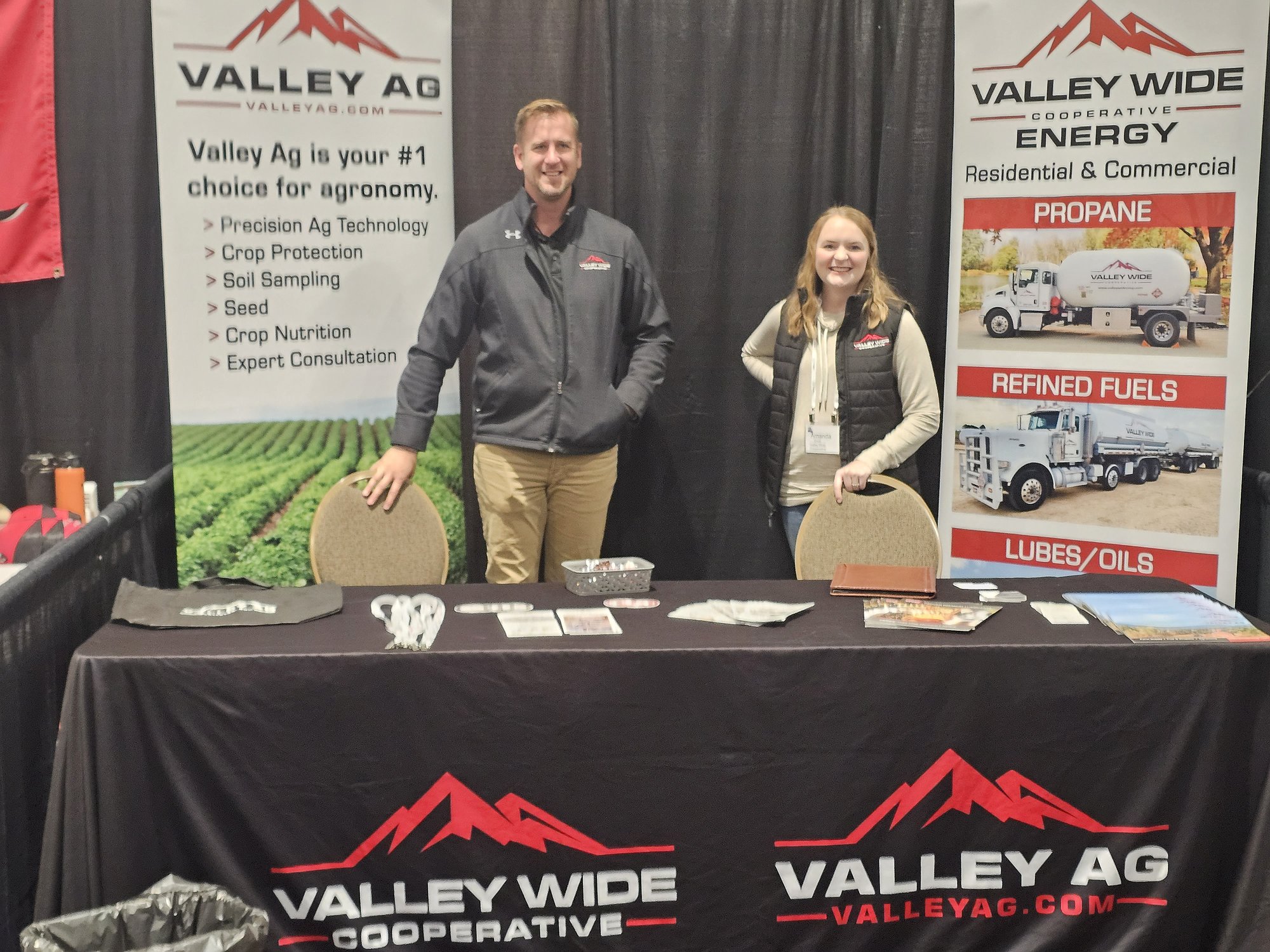 Valley Ag was at the veggie conference to talk about the science of agriculture. From soil sampling to examine the viability of a plot of land for farming to looking at what nutrients a crop needs to thrive, they offer a variety of consultation and tech services to help farmers thrive.
ARTICLES BY JOEL MARTIN
Endless battle
Noxious Weed Control Board works to keep invasive plants under control
MOSES LAKE — Some of the nastiest plants in Grant County were the topic of a class led by Jay Johnson, a consultant with the Grant County Noxious Weed Control Board, Tuesday. The Noxious Weed Control Board, as its name would suggest, is tasked with keeping weeds under control in Grant County. That’s not a small job; the board’s website lists 129 species of noxious weeds that are found around Grant County. A noxious weed is defined as an invasive, non-native plant that threatens agricultural crops, local ecosystems or fish and wildlife habitat, according to the Noxious Weed Control Board. Washington state law requires that these weeds be identified and their spread kept to a minimum, if not completely eradicated. “We’re one of those agencies a lot of people don’t really understand,” Johnson said. “We’re a county office and … our funding is tax-based assessment. When you get your tax bill and you look down at all the expenses that you pay for, there we are.”
BASIN EVENTS: Oct. 16-24
COLUMBIA BASIN — Whether you feel like shopping, crafting, learning or seeing a show, there’s something happening for you this week in the Basin. Oct. 16 ‘My Family (Mi Familia)’ screening Spanning three generations, “My Family (Mi Familia)” is a heartfelt drama that follows the Sánchez family as they build their lives in East Los Angeles. Through love, hardship, triumph, and sacrifice, the film explores the immigrant experience, the strength of family bonds, and the traditions that connect one generation to the next. Lowrider show and taco truck before the screening. Sponsored by Columbia Basin Allied Arts, EDUBS C/S and the Moses Lake Creative District. $12 per person. Doors open at 6 p.m., film begins at 7 p.m. at the Moses Lake Civic Center Auditorium, 401 S. Balsam St. Tickets and info: www.cba-arts.org.

Moses Lake author encourages women to look beyond church culture norms
MOSES LAKE — A Moses Lake author’s book, “A Christian Woman Striving to Live Her Faith in a Man-Controlled World,” takes aim at the role to which many churches relegate the female half of their congregations. “It’s to encourage women in the faith,” Linda Curran said. “A lot of churches say, ‘Teach Sunday school, do this, do that, but don’t (evangelize.)’" In her book, Curran recounts a time when she moved to a new community and joined a church there. She was surprised to learn that, as a new female member, she had been automatically assigned church cleaning duties. When she questioned it, she wrote, she was met with condescension and her objections were brushed aside. In other churches, she said, women who were capable of teaching were relegated to “women’s ministry.”