
Library leaders react to 'Protection Act'
DEVIN WEEKS | Hagadone News Network | UPDATED 1 year, 8 months AGO
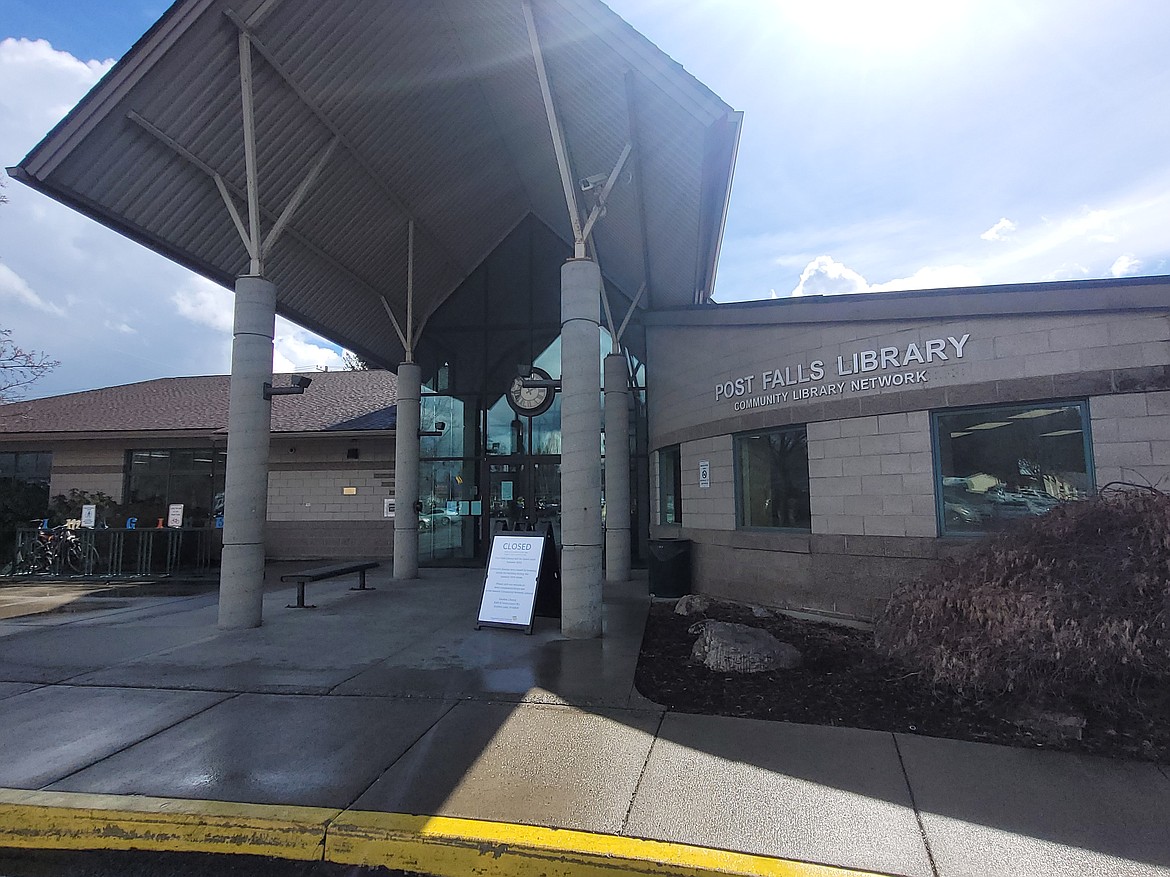
Gov. Brad Little signed House Bill 710 into law Wednesday morning. Also called the "Children's School and Library Protection Act," the law prohibits those who work in schools and public libraries to make available to minors books, pictures and other materials depicting nudity, sexual conduct or sado-masochistic abuse. Pictured: The Post Falls Library, March 28.
DEVIN WEEKS/Press
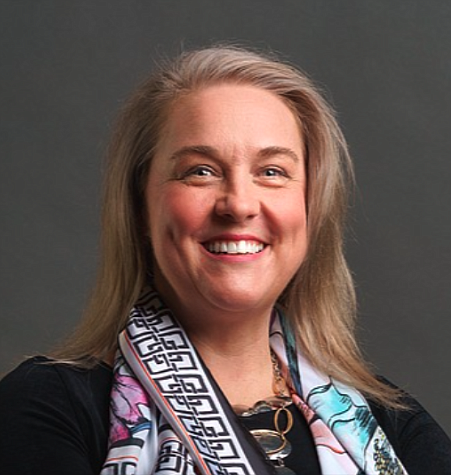
Eccles
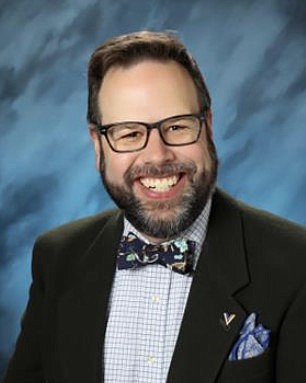
Windisch
Devin Weeks is a third-generation North Idaho resident. She holds an associate degree in journalism from North Idaho College and a bachelor's in communication arts from Lewis-Clark State College Coeur d'Alene. Devin embarked on her journalism career at the Coeur d'Alene Press in 2013. She worked weekends for several years, covering a wide variety of events and issues throughout Kootenai County. Devin now mainly covers K-12 education and the city of Post Falls. She enjoys delivering daily chuckles through the Ghastly Groaner and loves highlighting local people in the Fast Five segment that runs in CoeurVoice. Devin lives in Post Falls with her husband and their three eccentric and very needy cats. | April 11, 2024 1:08 AM
Gov. Brad Little signed House Bill 710 into law Wednesday morning.
Also called the "Children's School and Library Protection Act," the law prohibits those who work in schools and public libraries to make available to minors books, pictures and other materials depicting nudity, sexual conduct or sado-masochistic abuse.
“I share the cosponsors’ desire to keep truly inappropriate library materials out of the hands of minors," Little wrote in a letter to legislators. "That said, I still believe a greater harm confronts our children — content accessible to them on their phones and devices."
Prior to signing the bill, Little's office received 4,923 emails and 2,227 phone calls in opposition of the legislation as well as 1,297 calls and 2,954 emails in favor, press secretary Madison Hardy confirmed.
"This is my personal opinion and does not necessarily reflect the rest of the board, but I opposed this legislation," Jim Windisch, chair of the Coeur d'Alene Public Library's board of trustees, said Wednesday evening.
"Many books written for teens deal with heavy issues including abusive relationships, drug use and self-harm," Windisch said. "These are the books that are most often brought up as having material some feel is inappropriate. However, those books can save lives. Reading about those issues can inspire young adults to recognize those problems in their friend groups or in their own lives so they can get the needed help."
Windisch said this law does not honor personal responsibility or parental rights. He said the Coeur d'Alene library gives new cardholders welcome packets that include a guide for parents and caregivers, which is also prominently linked in the policy section of the library's website, cdalibrary.org. The guide explains how to manage access to materials by using one library card as a family or using online access to a minor's account to monitor what is checked out, Windisch said.
"In addition, a minor must have parental permission to get their own library card," he said. "These safeguards put parents in control of what was appropriate for their individual family."
According to the new law, school and library staff members who provide youths under 18 with materials deemed to be "harmful to minors" will be at risk of incurring $250 fines and other potential consequences. The law goes into effect July 1.
Windisch said the Coeur d'Alene Public Library has had a book challenge/relocation policy for many years. It was updated in May 2022 following the last time books were challenged.
"At that time, we tried to streamline the policy to make the process easier," he said. "The new law forces us to go back to a process with more steps, but a short timeline in which to complete those. In my opinion, this is legislation made by people who are far removed from the management of local libraries. Trustees and library staff already have policies and practices in place that allow families to manage what their children check out while still allowing access to a wide range of materials that represent viewpoints and experiences of all community members."
He said the biggest benefit of this new legislation is that it makes people aware of library policies for challenging books.
"Over the past three years, we have had people coming to board meetings to read passages from books they deem inappropriate. Only once has someone followed the challenge policy to review books they shared with the board," Windisch said. "Following book challenge procedures allows everyone involved, from the person objecting to the book to library staff and trustees, to gather information, share perspectives and come to an informed decision.
"I think using the process set in policy will be more productive than the theatrics of reading a passage out loud in a public meeting," he said.
Violations of the new law will include distributing objectionable materials to minors and failing to restrict minors' access to the objectionable materials. Requests to relocate such materials to adults-only locations must be made in writing to the school or library 30 days before legal action is taken.
Windisch said the biggest negatives of the new law come with the requirements of having to create an "adults only" section of the library and allowing for legal action against the library if a book that has had its challenge accepted is found outside that "adults only" section.
"We will need to figure out the best way to manage those requirements," he said.
Community Library Network Director Alexa Eccles, who oversees seven libraries and a Bookmobile throughout North Idaho, said she doesn't believe any materials owned by the Community Library Network meet this new library law’s definition of "harmful to minors."
Eccles said the Community Library Network prefers to be ahead of or in front of library and community issues, and as the Idaho Legislature has been discussing minors and libraries for three years, she is not surprised by a new law and refined definitions.
She said the CLN has a long history of working with concerned community members and parents to ensure children have access to suitable library materials.
"Seen as a statewide leader within the library community, last year, CLN began offering tiered minor access library cards and created a teen collection just for 13- to 15-year-olds in addition to a collection for young adults aged 16 to 18," she said, adding that public libraries nationwide typically offer only a singular collection for all teens, ages 13 to 18.
"I am proud that CLN listens and is very responsive to our local community members. We are stronger and a better library district because of it," Eccles said. "I anticipate the board and staff will continue taking a thoughtful, innovative and positive approach to implementation. The new law is certainly an opportunity to see changes in libraries around Idaho."
• • •
Bill Buley contributed to this article.
 Eccles
 Windisch
ARTICLES BY DEVIN WEEKS

Lake City High economics students have banner year for Give Back Project
Lake City High economics students have banner year for Give Back Project
Christmas shopping is always better with friends. When those friends are festively clad classmates with a common goal of shopping for families in need while keeping to a budget, it makes that shopping experience much merrier. “It’s really nice and I’m super happy that I can bring joy to people who can’t afford as much as they would like,” Lake City High School senior Aurora Johnson said Thursday morning. "It’s a really fun and great activity, and I love how passionate our class is for it.”

FAST FIVE Tammy Blackwell's ministry of movement
Meet Tammy Blackwell, a dedicated and passionate fitness instructor who has spent more than 20 years teaching seniors and encouraging active, healthy lifestyles.

Lakeland High celebrates successful blood drive
Lakeland High School is celebrating a successful Friday blood drive that brought in 85 units that will impact up to 255 people in local hospitals. The school will also be receiving a $5,000 check from Vitalant that will be used to buy equipment, books or laboratory projects that promote and support Lakeland High School science, technology, engineering or mathematics programs. Hosted by the Lakeland Honor Society, the annual blood drive is a longstanding tradition for the high school. "Lakeland High School ran blood drives before I arrived back in 1997," said honor society adviser Frank Vieira, who has been the blood drive coordinator for 28 years.