
Powering affordability
JOEL MARTIN | Hagadone News Network | UPDATED 2 years, 5 months AGO
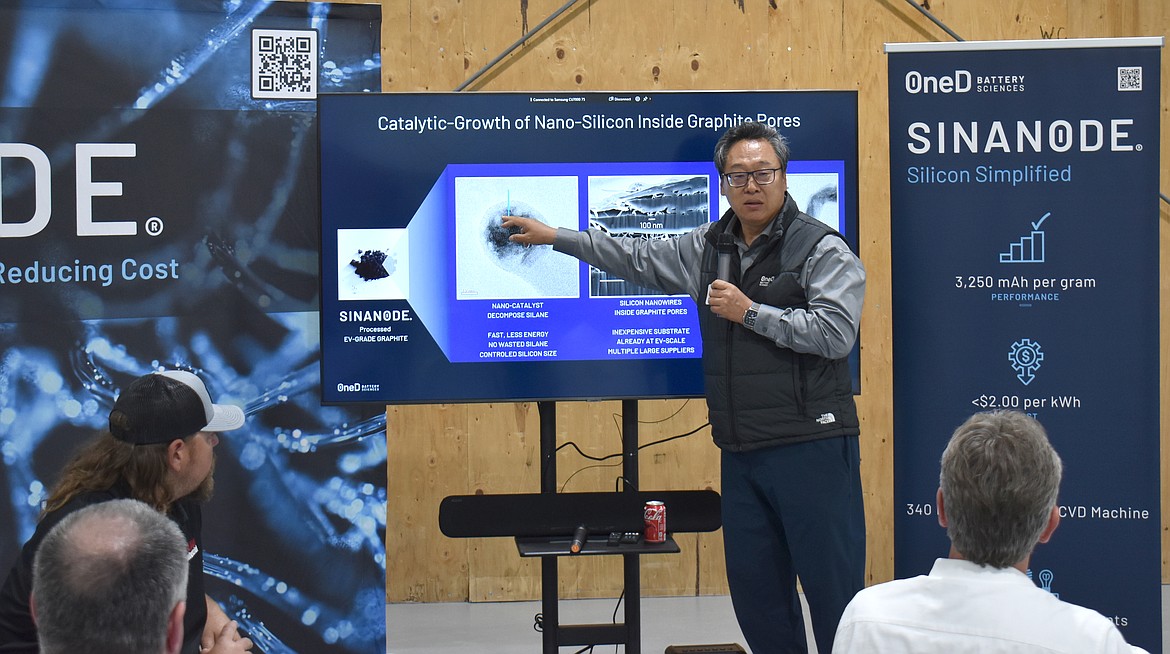
OneD Battery Sciences Chief Technical Officer Yimin Zhu discusses how silicon nanowires are used to enhance graphite in an electric vehicle battery.
JOEL MARTIN/COLUMBIA BASIN HERALD
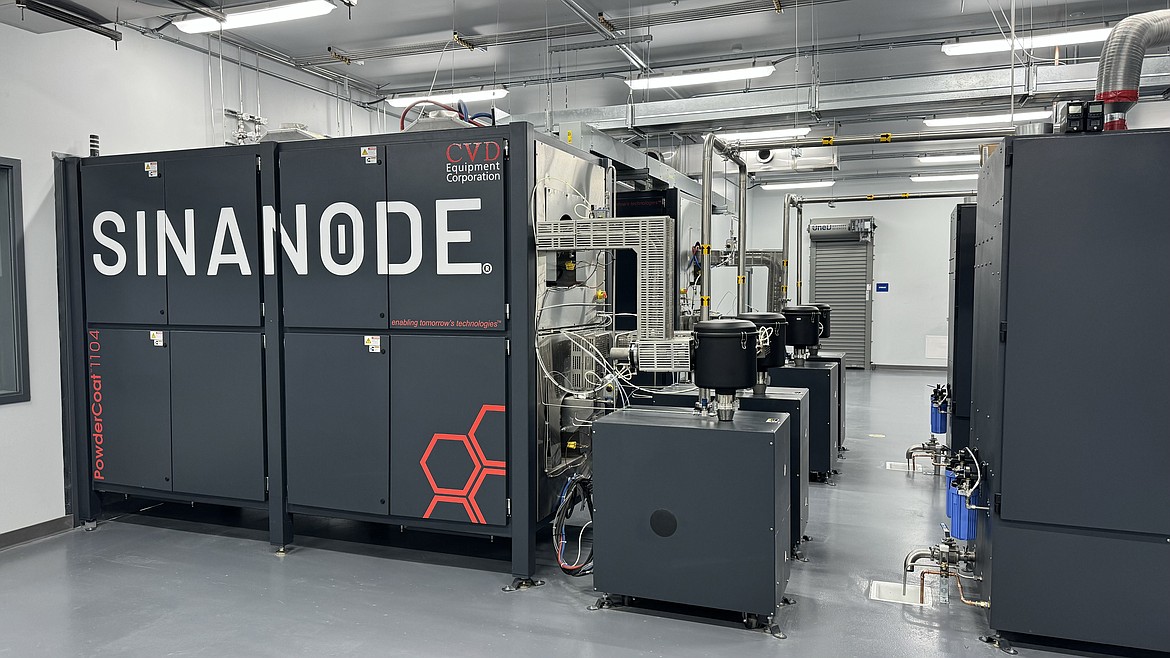
This CVD machine in the Moses Lake SINANODE plant is used to create an enhanced graphite that increases the storage capacity of an electric vehicle battery, resulting in a lower-cost battery and lower-cost vehicle.
Joel Martin has been with the Columbia Basin Herald for more than 25 years in a variety of roles and is the most-tenured employee in the building. Martin is a married father of eight and enjoys spending time with his children and his wife, Christina. He is passionate about the paper’s mission of informing the people of the Columbia Basin because he knows it is important to record the history of the communities the publication serves. | April 25, 2024 7:06 PM
MOSES LAKE — More affordable electric vehicles are on the way.
That was the takeaway from a tour that OneD Battery Sciences offered to a small contingent of Moses Lake community members Thursday afternoon at the company’s SINANODE plant on Road N Northeast.
“Most EVs today are too expensive,” said OneD CEO Vincent Pluvinage. “They cost $40,000, $50,000, $60,000; most people cannot afford it. So we have read in the papers that the growth of EVs is slowing, and the reason is that after the early adopters, you run out of people that have enough money to buy the expensive stuff.”
OneD calls its battery technology SINANODE, a portmanteau word – a word that blends sound and meanings from two words – combining “silicon” with “anode.” A lithium-ion battery consists of a cathode, made of lithium combined with various other metals, and an anode, usually made of graphite. The battery emits electricity by moving lithium ions from the anode to the cathode; the battery is recharged by reversing the process and moving ions back into the anode, according to an article by the U.S. Department of Energy. This means a battery can only store as much power as the anode can hold at one time.
OneD’s solution is to insert silicon nanowires, miniscule strands of silicon about 1/1000 the width of a human hair, into the pores of the graphite to increase the storage capacity. The silicon is obtained by processing silane gas, which is produced at REC Silicon down the road. The storage capacity of silicon is 10 times that of graphite, according to Chief Operating Officer Jan-Marc Luchies, which means that adding 10% silicon to the graphite can double the graphite’s capacity.
This is more efficient than replacing the graphite altogether with silicon, Pluvinage said, because large-scale battery manufacturers are already geared up to work with graphite; OneD’s process enhances an existing product rather than creating a new one.
The research and development work is being done at OneD’s facility in Palo Alto, California, said Luchies. The purpose of the Moses Lake plant is use what the R&D team learns to create a consistent product made to the customer’s specifications.
“We are capable of doing different levels of silicone with a throughput of about 100,000 kilos (about 110 tons) of material,” Luchies said.
The Moses Lake plant is kind of a middle stage, Pluvinage said in an interview Monday. OneD has another facility planned elsewhere in North America that will be able to process 40,000 tons a year, using silane that OneD produces itself.
“All of our customers use different types of graphite, and use different amounts of silicon,” Pluvinage said. “So (we) first start in Palo Alto, where we make smaller quantities, and then they need to qualify that in a large number of EV cell batteries before production, and that will come out of Moses Lake.”
The Moses Lake plant will also serve as a showcase, said Construction Manager Tyson Olson, with a window-lined corridor through the plant that will allow potential customers to observe the process. The plant is essentially set up as a building within a building for safety reasons, Olson said, with an 8,000-square-foot workspace inside of a 12,000-square-foot edifice.
“The reason we have a building-in-building concept is we are dealing with powder, which is graphite,” Pluvinage said. “Every industry with a powder – that can even be sugar – we have to be careful with it; can be even explosive … We also want to make sure that it doesn't get out in the open. That is what’s called containment … On top of that all our equipment and our movement of materials is also always within equipment or confined so we can keep containment.”
The facility was built in an impressive time frame, Olson said, going from a nearly empty building at the end of January to almost ready to fire up this month. Over the next couple of months, Pluvinage said, the company plans to move the rest of the equipment up from Palo Alto and train the Moses Lake crew, and then the plant should be fully operational by the end of the quarter.
“And then it’s off to the races,” he said.
Joel Martin may be reached via email at [email protected].
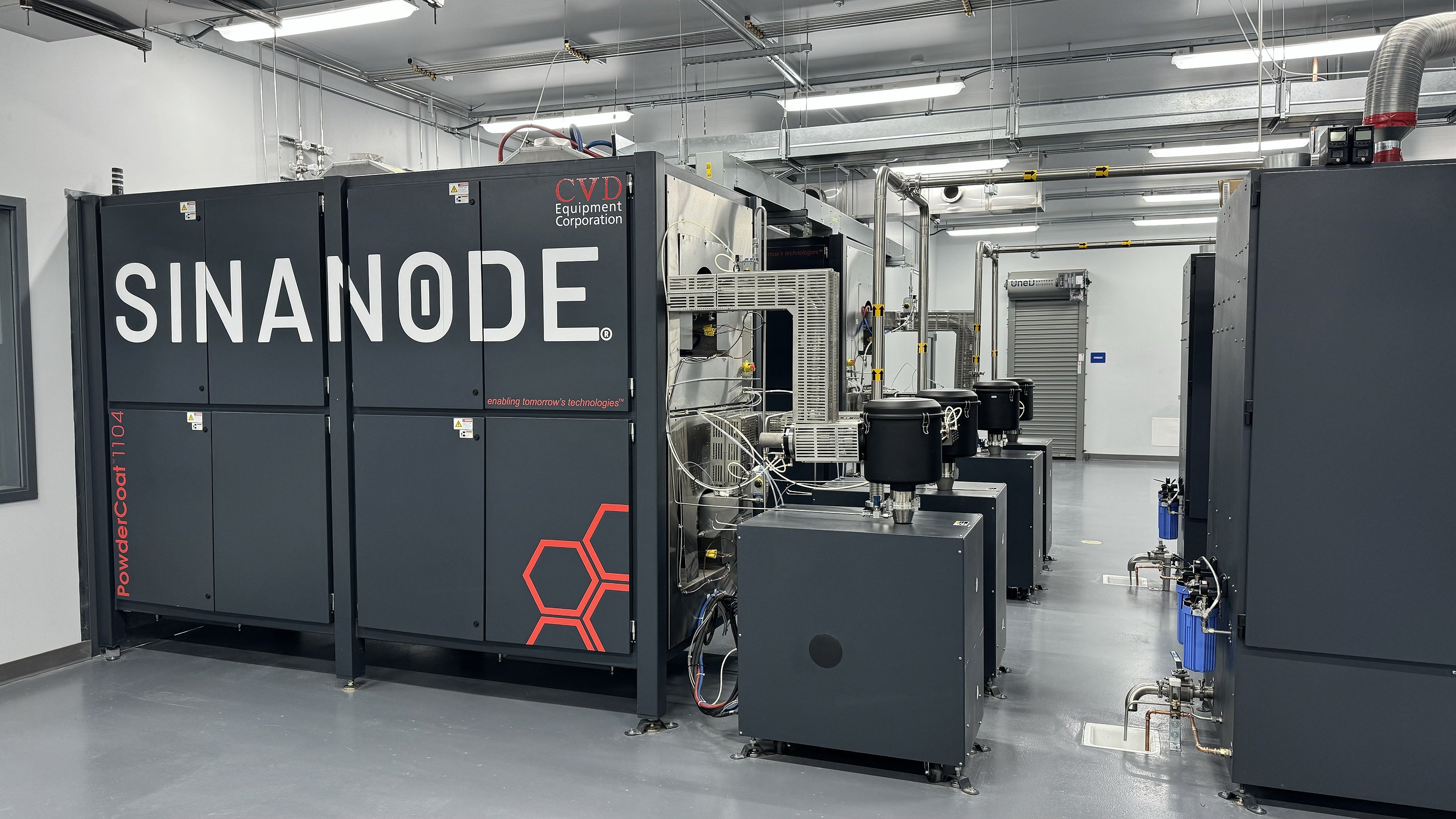 This CVD machine in the Moses Lake SINANODE plant is used to create an enhanced graphite that increases the storage capacity of an electric vehicle battery, resulting in a lower-cost battery and lower-cost vehicle.
ARTICLES BY JOEL MARTIN
Endless battle
Noxious Weed Control Board works to keep invasive plants under control
MOSES LAKE — Some of the nastiest plants in Grant County were the topic of a class led by Jay Johnson, a consultant with the Grant County Noxious Weed Control Board, Tuesday. The Noxious Weed Control Board, as its name would suggest, is tasked with keeping weeds under control in Grant County. That’s not a small job; the board’s website lists 129 species of noxious weeds that are found around Grant County. A noxious weed is defined as an invasive, non-native plant that threatens agricultural crops, local ecosystems or fish and wildlife habitat, according to the Noxious Weed Control Board. Washington state law requires that these weeds be identified and their spread kept to a minimum, if not completely eradicated. “We’re one of those agencies a lot of people don’t really understand,” Johnson said. “We’re a county office and … our funding is tax-based assessment. When you get your tax bill and you look down at all the expenses that you pay for, there we are.”

BASIN EVENTS: Oct. 16-24
COLUMBIA BASIN — Whether you feel like shopping, crafting, learning or seeing a show, there’s something happening for you this week in the Basin. Oct. 16 ‘My Family (Mi Familia)’ screening Spanning three generations, “My Family (Mi Familia)” is a heartfelt drama that follows the Sánchez family as they build their lives in East Los Angeles. Through love, hardship, triumph, and sacrifice, the film explores the immigrant experience, the strength of family bonds, and the traditions that connect one generation to the next. Lowrider show and taco truck before the screening. Sponsored by Columbia Basin Allied Arts, EDUBS C/S and the Moses Lake Creative District. $12 per person. Doors open at 6 p.m., film begins at 7 p.m. at the Moses Lake Civic Center Auditorium, 401 S. Balsam St. Tickets and info: www.cba-arts.org.
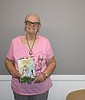
Moses Lake author encourages women to look beyond church culture norms
MOSES LAKE — A Moses Lake author’s book, “A Christian Woman Striving to Live Her Faith in a Man-Controlled World,” takes aim at the role to which many churches relegate the female half of their congregations. “It’s to encourage women in the faith,” Linda Curran said. “A lot of churches say, ‘Teach Sunday school, do this, do that, but don’t (evangelize.)’" In her book, Curran recounts a time when she moved to a new community and joined a church there. She was surprised to learn that, as a new female member, she had been automatically assigned church cleaning duties. When she questioned it, she wrote, she was met with condescension and her objections were brushed aside. In other churches, she said, women who were capable of teaching were relegated to “women’s ministry.”