
House of hope
JOEL MARTIN | Hagadone News Network | UPDATED 2 years, 1 month AGO
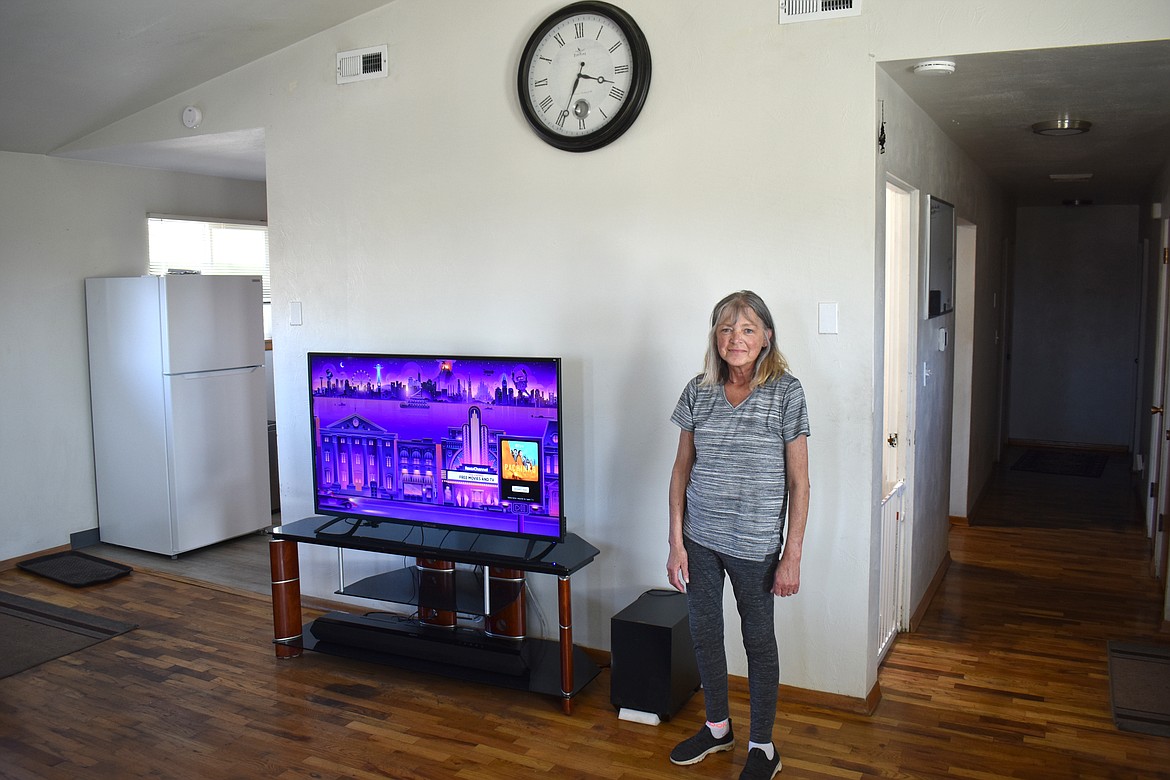
Shelly Johnson stands in the living room of Oxford House Blue Heron, where she lives with four other women in recovery. Blue Heron was a men’s house but was turned into a home for women and women with children earlier this month.
JOEL MARTIN/COLUMBIA BASIN HERALD
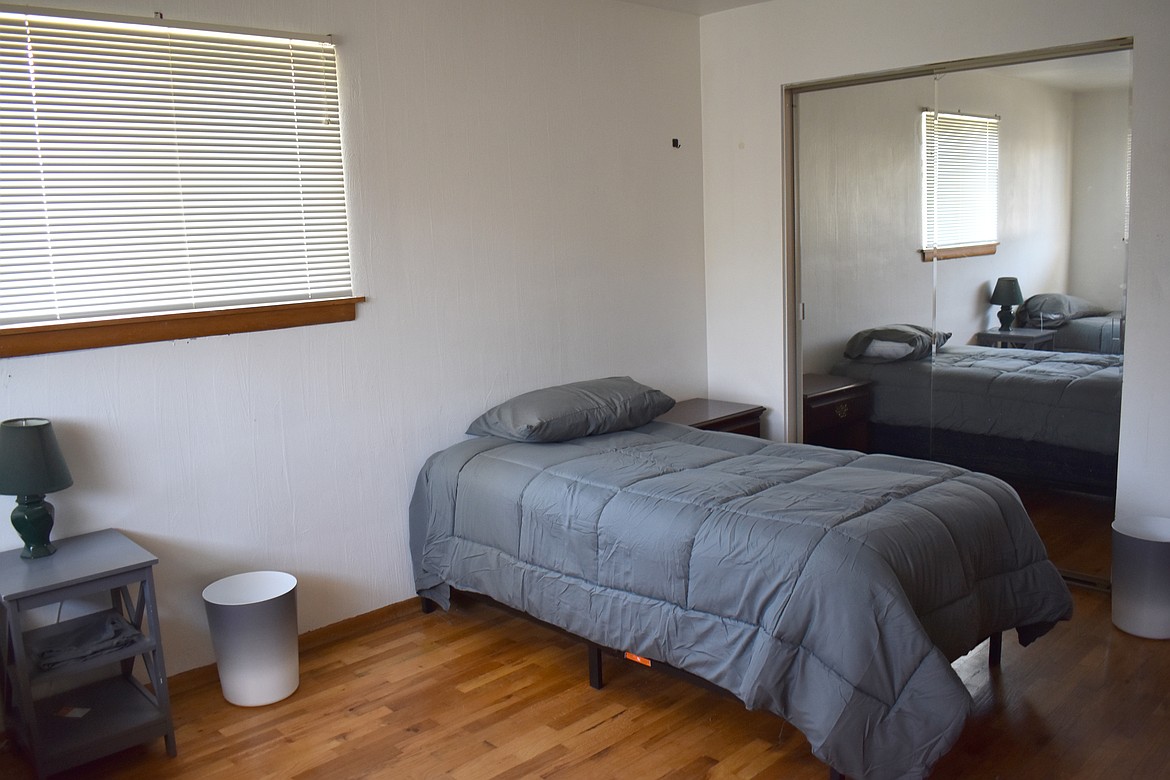
The bedrooms at Oxford House Blue Heron aren’t huge, but they have room for one or two women or for a woman and her child.
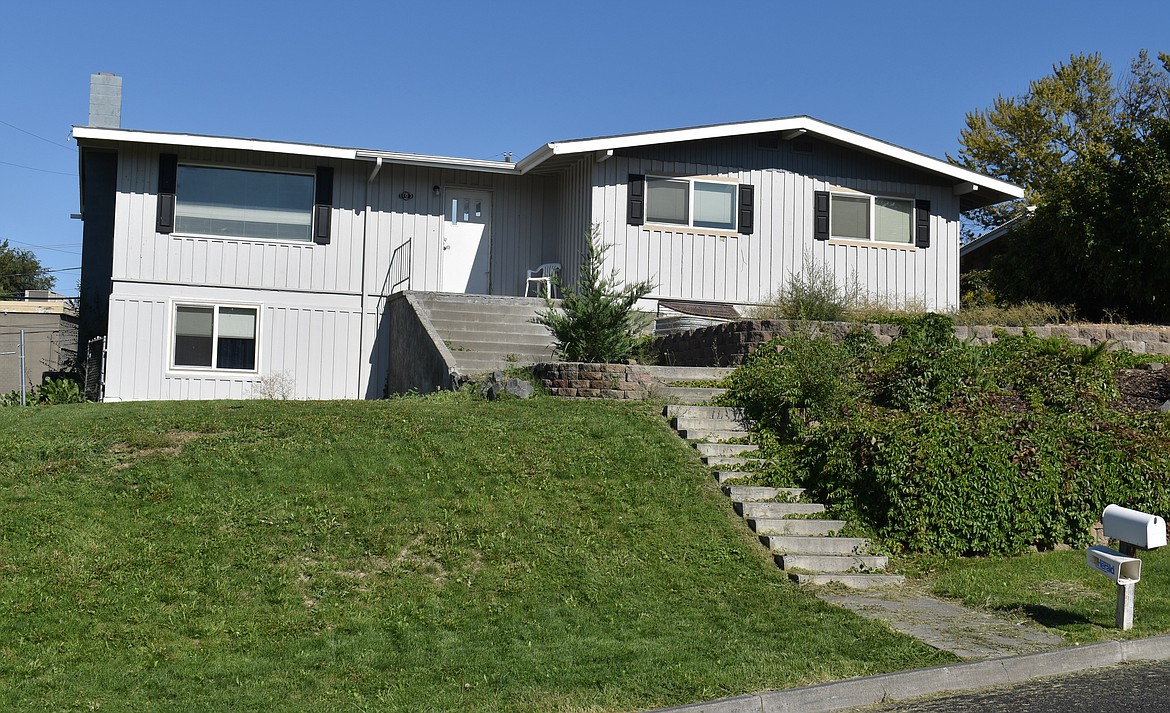
From the outside, Oxford House Blue Heron looks like any other house. Oxford House outreach workers said they tend to get along well with their neighbors, in part because they don’t party.
Joel Martin has been with the Columbia Basin Herald for more than 25 years in a variety of roles and is the most-tenured employee in the building. Martin is a married father of eight and enjoys spending time with his children and his wife, Christina. He is passionate about the paper’s mission of informing the people of the Columbia Basin because he knows it is important to record the history of the communities the publication serves. | August 28, 2024 3:00 AM
MOSES LAKE — The house on Ashley Way looks like most other houses in the neighborhood. It’s got an upstairs and a downstairs, bedrooms, bathrooms, a kitchen and a deck. But it’s an Oxford House, which means it also holds hope.
“When I first moved into (an) Oxford house. Dec. 5, 2022, everything I owned fit in this briefcase, maybe three feet long,” said Shane Reed, who lives in another Oxford House across town. “And now I have my own car, license, insurance, a full-time job. I can't fit all my stuff in the storage shed, if I wanted to … I have a daughter that's 24 and about six months ago, I found out I'm a grandfather.”
Oxford House is a sort of halfway house for recovering addicts and alcoholics, with a twist: the residents run the place themselves. There’s a zero-tolerance policy on relapsing; one use of drugs or alcohol and you’re out. The residents all share equally in the rent and the household chores, and everything is voted on. The houses are rented, not purchased, in neighborhoods that don’t have a history of crime or drugs. It may sound like a risky proposition — addicts policing themselves — but Oxford House alumni have a better than 80% chance of staying clean, according to Oxford House statistics.
“There are other places that house people with addictions, or house people that are on probation, and we are not connected with any of them whatsoever,” said Nokey Pando, an outreach worker for Oxford House Inc. “A (common) misconception is that in that recovery house over there, there'll be people that are using. That's not the thing with Oxford house; the model states that a relapse is immediate removal from the home, so there's never a second chance at that moment. They can leave and then reapply later in 30 days, but it's automatic removal from the house for relapse.”
There are three Oxford Houses in Moses Lake right now. There’s the house where Reed lives, in the Polo Ridge neighborhood, and another in the Montlake neighborhood. Both of those houses are for men only, but the one on Ashley Way, called Oxford House Blue Heron, is for women, both with and without children.
“There's not many of the women and children's houses, because it's just a difficult thing to get done,” said Shelly Johnson, one of five residents at the Ashley Way house. “You want to keep families together and I think that’s very, very important. I spent some time as a single mom, and it was gravely important that I found treatment to go to where I could take my children.”
“There's large rooms, so the women can have their children in their rooms with them,” said Oxford House Outreach Worker Kelly Rimbey. “There (are) cribs to toddler beds to extra twin beds for their children. (Child Protective Services) loves Oxford House, in my experience, because it's safe housing. They're clean, they’re structured. We pass all of their guidelines when they come and look at the houses.”
For moms who must have supervised visitation with their children, it’s a safe environment too, Pando said, and much better for both mother and child than meeting somewhere impersonal like a park. Oxford House Blue Heron has room for nine occupants, and there are currently five. There are no children yet, but two women with small children have applied to live there, Pando said.
“It's wonderful, and it's an opportunity to have a safe, clean and sober place to live, where you can grow and still have interaction with other people,” Johnson said. “The girls with cars take the girls that don't have them to meetings and everybody kind of just works together. And if there’s a problem, then you sit down and you discuss it.”
The Oxford House idea was created in Maryland in 1975 by a recovering alcoholic named Paul Malloy. Malloy had been living in a conventional halfway house for a few months when the owner of the building announced it would have to close because he couldn’t afford to keep it running, according to a 1989 Washington Post article. With nowhere else to go, Malloy and 12 others rented the house themselves. Soon they were branching out and helping other groups of recovering addicts do the same. Today there are thousands of Oxford Houses across the country. The organization owns no homes themselves; all are rented from private landlords.
Because people in recovery are protected by fair housing laws and residents all live in a family arrangement, there are no zoning requirements beyond what would apply to any family renting the house, Rimbey said. Not that it matters much in practical terms, because Oxford House residents tend to make good neighbors, both she and Pando said.
“A lot of people wouldn’t even know that their neighbors are people in Oxford House,” Pando said.
“Except for a few extra cars,” Rimbey added. “But then again, we could just be a big family. We’re actually great neighbors because we don’t party.”
Because the residents all have jobs and things to do in the community, it’s seldom that everybody is home at once, Rimbey said.
“In this day and age, you're liable to live next door to anybody,” Pando said. “My neighbor can be like a struggling alcoholic or somebody that's struggling with addiction, or just obnoxious. I can't know. Or I got this house over here that's full of people in recovery who are obligated to have accountability at the end. I'll take that house any day.”
For more information, or to apply for a spot at the Oxford House, visit www.oxfordhouse.org.
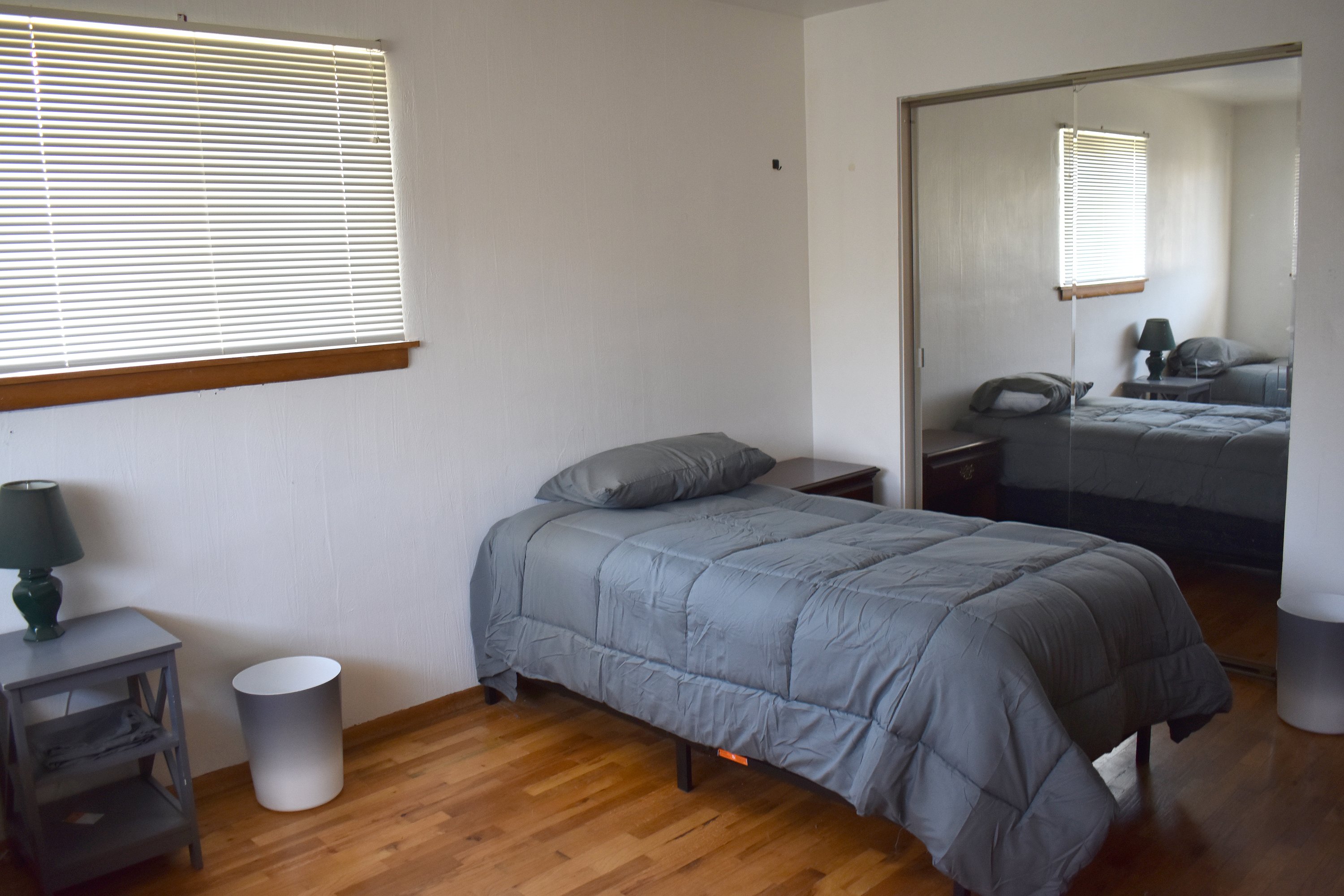 The bedrooms at Oxford House Blue Heron aren’t huge, but they have room for one or two women or for a woman and her child.
 From the outside, Oxford House Blue Heron looks like any other house. Oxford House outreach workers said they tend to get along well with their neighbors, in part because they don’t party.
ARTICLES BY JOEL MARTIN

Endless battle
Noxious Weed Control Board works to keep invasive plants under control
MOSES LAKE — Some of the nastiest plants in Grant County were the topic of a class led by Jay Johnson, a consultant with the Grant County Noxious Weed Control Board, Tuesday. The Noxious Weed Control Board, as its name would suggest, is tasked with keeping weeds under control in Grant County. That’s not a small job; the board’s website lists 129 species of noxious weeds that are found around Grant County. A noxious weed is defined as an invasive, non-native plant that threatens agricultural crops, local ecosystems or fish and wildlife habitat, according to the Noxious Weed Control Board. Washington state law requires that these weeds be identified and their spread kept to a minimum, if not completely eradicated. “We’re one of those agencies a lot of people don’t really understand,” Johnson said. “We’re a county office and … our funding is tax-based assessment. When you get your tax bill and you look down at all the expenses that you pay for, there we are.”

BASIN EVENTS: Oct. 16-24
COLUMBIA BASIN — Whether you feel like shopping, crafting, learning or seeing a show, there’s something happening for you this week in the Basin. Oct. 16 ‘My Family (Mi Familia)’ screening Spanning three generations, “My Family (Mi Familia)” is a heartfelt drama that follows the Sánchez family as they build their lives in East Los Angeles. Through love, hardship, triumph, and sacrifice, the film explores the immigrant experience, the strength of family bonds, and the traditions that connect one generation to the next. Lowrider show and taco truck before the screening. Sponsored by Columbia Basin Allied Arts, EDUBS C/S and the Moses Lake Creative District. $12 per person. Doors open at 6 p.m., film begins at 7 p.m. at the Moses Lake Civic Center Auditorium, 401 S. Balsam St. Tickets and info: www.cba-arts.org.

Moses Lake author encourages women to look beyond church culture norms
MOSES LAKE — A Moses Lake author’s book, “A Christian Woman Striving to Live Her Faith in a Man-Controlled World,” takes aim at the role to which many churches relegate the female half of their congregations. “It’s to encourage women in the faith,” Linda Curran said. “A lot of churches say, ‘Teach Sunday school, do this, do that, but don’t (evangelize.)’" In her book, Curran recounts a time when she moved to a new community and joined a church there. She was surprised to learn that, as a new female member, she had been automatically assigned church cleaning duties. When she questioned it, she wrote, she was met with condescension and her objections were brushed aside. In other churches, she said, women who were capable of teaching were relegated to “women’s ministry.”