
Not my problem
KRISTI NIEMEYER | Hagadone News Network | UPDATED 2 years, 7 months AGO
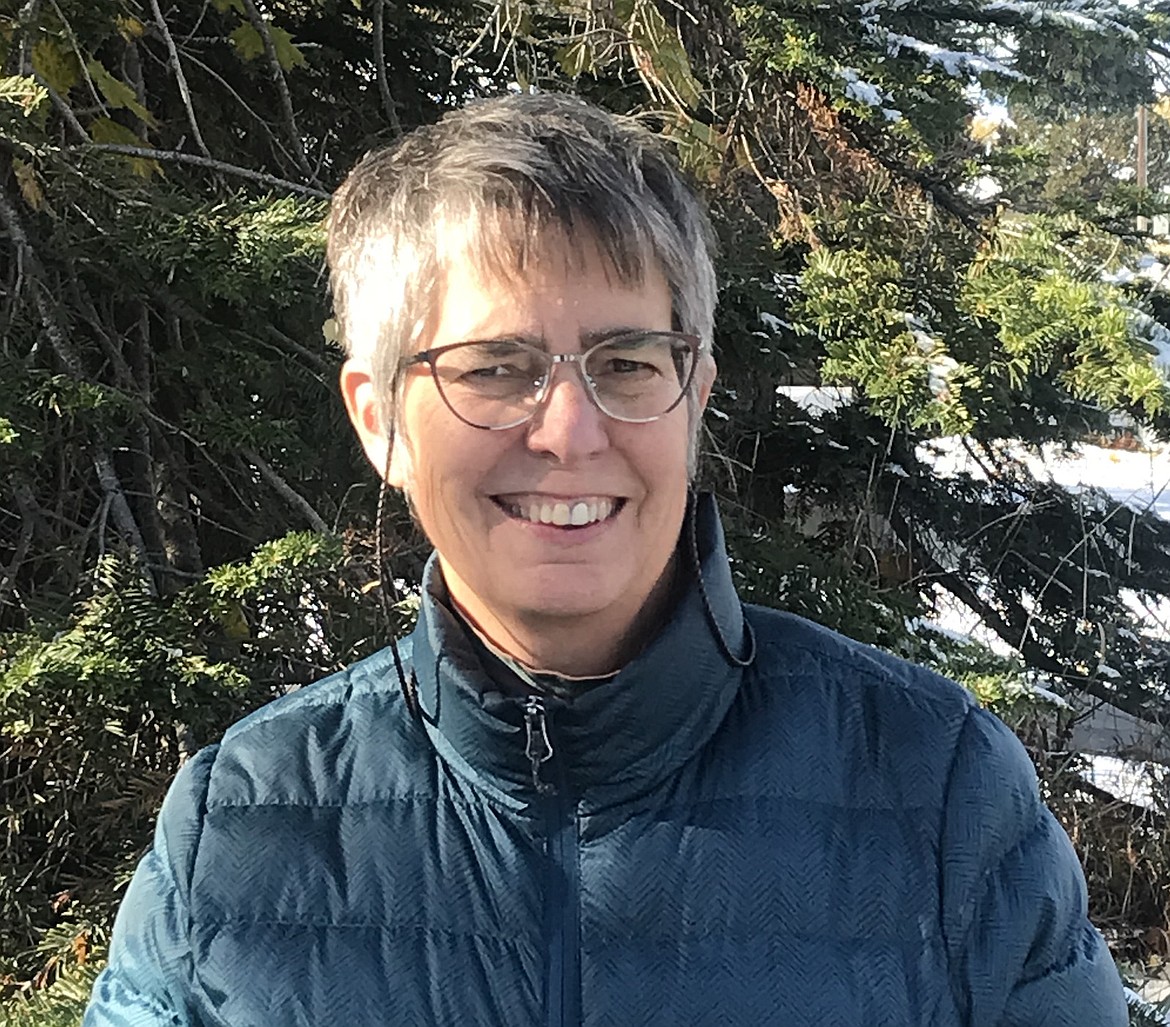
Leader editor Kristi Niemeyer
Kristi Niemeyer learned her newspaper licks at weekly newspapers, beginning at the Mission Valley News in 1981, then at the helm of the Ronan Pioneer and, eventually, as co-editor of the Lake County Leader until 1993. She launched and co-published Lively Times, a statewide arts and entertainment monthly, before returning to the Leader in 2022, and serving as its editor until July 2026. Reach her at [email protected] | March 6, 2024 11:00 PM
Governor Greg Gianforte finally responded to Lake County’s formal decision to pull out of Public Law 280 with a letter that could be paraphrased as “Not my problem.”
And indeed, in a letter that refers to CSKT as the Consolidated Salish and Kootenai Tribes and makes no mention of his veto of a bill that would have helped the county, tribal government and state navigate a path forward together, it’s clear the governor isn’t terribly concerned about the future of law enforcement in these parts.
His letter also ignores District Court Judge Amy Eddy’s legal ruling in a case filed by the county against the governor last year, asking that the state take some financial responsibility for the costs of felony jurisdiction over tribal members on the Flathead Reservation.
Eddy wrote that “while the mechanics and effect of Lake County withdrawing its consent have not been addressed by either party, it is clear that … the State is obligated to provide for criminal jurisdiction on the Flathead Reservation, with or without the consent of Lake County.”
Read that again please: “The State is obligated to provide for criminal jurisdiction on the Flathead Reservation.”
Yet, in his letter to commissioners, Gianforte ignores the judge’s decision. Instead, he offers a kindly platitude that makes no mention of the state as a partner or participant: “I hope you are able to resolve your concerns in coordination with CSKT, the federal government, and the counties and cities located within the Flathead Reservation.”
And he offers what could be construed as a threat, since no one I’ve spoken to in tribal government or local law enforcement seems to want the feds taking over: “The only potential tool available to me is to initiate retrocession of felony criminal jurisdiction to the United States.”
Actually, the governor has had plenty of tools at his disposal. He could have heeded Judge Eddy’s ruling and showed up at the table last November with a proposal on how the state would fulfill its “obligation” to provide for criminal jurisdiction on the reservation.
Or, he could have signed HB 479 last spring, which would have allocated $2.5 million a year for two years, forced the county to remain in the agreement that he’s described as “a model of success” and brought the Tribes and Department of Justice to the table to study the issue and report their findings to the governor and the Legislature in 2025.
Or, he could have shown true leadership and initiated conversations with the county and Tribes about the issue before it came to this thorny impasse.
The governor seems to assume that Lake County is like any other county holding its hand out to the state for more money, and that the Flathead Reservation is like every other reservation in Montana. However, neither assumption is true, which is perhaps why Rep. Jean Turnage, a tribal member who eventually became Chief Justice of the Montana Supreme Court, originally supported PL-280 precisely because the federal government wasn’t getting the job done.
And it’s naïve of Gov. Gianforte, especially in light of the upsurge in drug-related crimes, to think that what seemed like an easy cost for the county to absorb in 1965 wouldn’t become burdensome almost 60 years later.
Fortunately, the people of Lake County have tools too, including dedicated city, county and tribal law enforcement personnel who will assuredly put community safety above politics. As Sheriff Don Bell said at a meeting on the issue last December, “You have my commitment that – no matter what happens going forward – if you call 911, we're coming. We don't care, frankly, who the bad guy is until we know everybody's safe.”
That position was echoed by CSKT Police Chief Craige Couture. “Realistically, we just want to reassure the public we're going to be out there, regardless.”
Of course, we still need to know where tribal members accused of felonies will be incarcerated, who will investigate and prosecute those crimes, and in which courtroom cases will be heard after May 20.
In a press release Tuesday, the Tribes expressed confidence that they are equipped to take the lead and "collaborate with all jurisdictions across the Reservation to provide robust law enforcement services and ensure the safety of all citizens in our communities."
While that's reassuring, it would have been helpful to have the county at the table too.
ARTICLES BY KRISTI NIEMEYER

Polson Farmers Market takes break after productive season
“My body’s ready for a break, but it’s been a good year,” said Eric Gedenk between sales at the Ploughshare Farm stand. The organic farm in Moiese is a regular vendor at the Polson Farmers Market, which wrapped up for the season last Friday morning.

The Ripple Effect: Poolside party raises more than $20,000 for aquatic center
The Ripple Effect, a fundraiser for Mission Valley Aquatics and Fitness in Polson, drew nearly 200 supporters to the poolside Saturday night for games, drinks, appetizers and auctions.

Incumbent Shelly Fyant faces Republican Charles Headley in HD 91 race
Incumbent Democrat Shelly Fyant is running for a second term in the House of Representatives against Charles Headley.