
The Cost of farming: Irrigation expenses follow a unique set of rules
JOEL MARTIN | Hagadone News Network | UPDATED 2 years, 5 months AGO
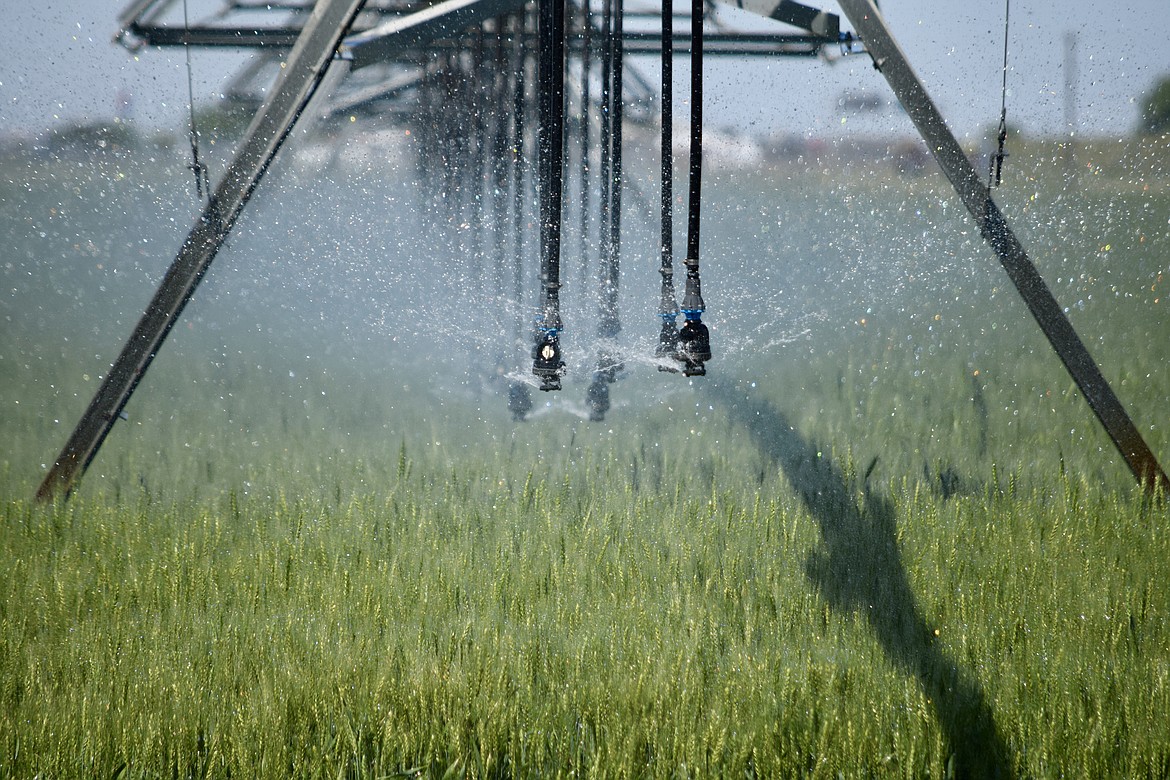
An irrigation pivot waters a wheat field south of Moses Lake. Irrigation is unusual among agricultural expenses, in that the material itself is free, but delivery and storage costs fluctuate.
FILE PHOTO
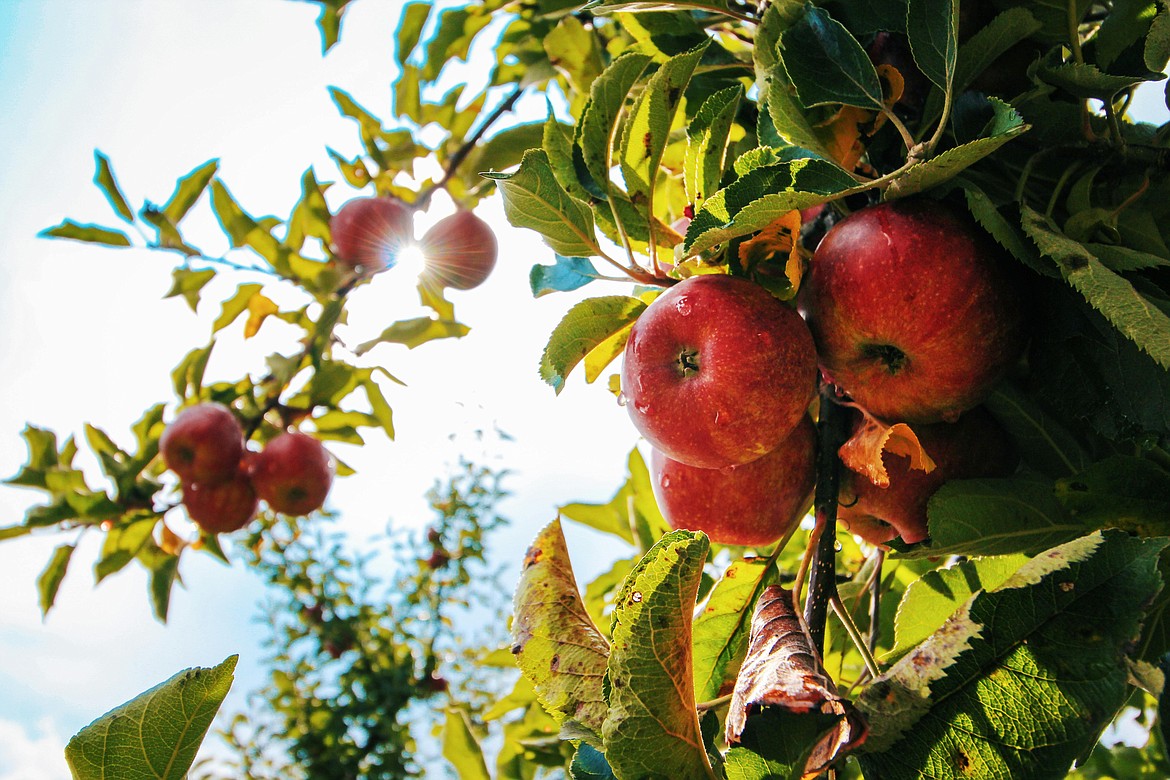
Irrigating an orchard takes a different strategy than irrigating a wheat field or asparagus crop. As a result, the associated costs are different.
Joel Martin has been with the Columbia Basin Herald for more than 25 years in a variety of roles and is the most-tenured employee in the building. Martin is a married father of eight and enjoys spending time with his children and his wife, Christina. He is passionate about the paper’s mission of informing the people of the Columbia Basin because he knows it is important to record the history of the communities the publication serves. | May 2, 2024 1:30 AM
MOSES LAKE — When it comes to the cost of farming, irrigation — especially in the Columbia Basin — is a cost that has to be factored in and planned for with each acre having a place in the water-cost equation.
“If somebody has 40 acres, and maybe 35 of those are classed as irrigable, they’re paying an assessment based on that,” said Scott Revell, manager of the Roza Irrigation District, which snakes down through the Yakima Valley from Selah to north of Benton City. “So if (the assessment) is $200, it’s that times 35 irrigable acres.”
Each irrigation district, of which Washington has 27, sets its own assessment per irrigable acre, regardless of how much water each grower receives, Revell explained. Because water is a public resource, the irrigation districts don’t charge for the water itself, only for the delivery costs, and those costs vary from district to district and from year to year. This year’s assessment in the Roza Irrigation District is $202 per acre, increased by $8.10 from last year. At the same time, the Naches-Selah Irrigation District is charging $240 per acre this year, whereas the Kittitas Reclamation District is assessing $97.85.
Much of that has to do with the kinds of crops grown, Revell said. In the Yakima Valley, much of the irrigable acreage is planted in tree fruit, grapes, berries and hops, all of which require a steady supply of water.
“If it were things like potatoes, and corn and hay and alfalfa, if the old ditch blew out, and it took a week or so to fix it, well, it wasn't the end of the world,” Revell said. “With permanent crops like hops, and particularly blueberries, the plant dies if it's 95 degrees for three days with no water. It just depends on the crop mix. And the crop mix is usually what's going to drive the board of directors to get more aggressive about taking care of their infrastructure.”
Infrastructure matters. In 2014, the Naches-Selah Irrigation District was forced to upgrade its water delivery system, which included leaky wooden flumes that were more than 100 years old, according to its website. Those costs were covered by loans, which then had to be repaid, but which resulted in much more efficient water delivery for future years. Some irrigation districts use more aquatic herbicides to control weeds in the delivery system than others, Revell added, depending on the temperature of the water.
“We go through $400,000 or $500,000 in chemicals, just in our district,” he said.
Simply getting the water to a farm, ranch or orchard isn’t the only expense. Once the water is there, the grower has to find efficient ways to use it. Irrigation districts charge the grower for the full allotment of water whether it all gets used or not, so every drop counts.
“Orchards have historically used overhead cooling irrigation to prevent sunburn on apples,” said Jon DeVaney, executive director of the Washington Tree Fruit Growers Association. “The systems have gotten more and more efficient. So now if you invest in more misting systems instead of existing overhead sprinklers, you can still get that evaporative cooling effect, but use less total water. But that involves going in and changing the physical infrastructure in your trellis orchard to switch to a different type of misting sprinkler heads, for example.”
That need for efficiency is more acute in drought years, when growers don’t get the full amount of water they’re entitled to. This year, for instance, junior water rights holders in the Yakima Basin will receive only 63% of the water they’re entitled to, according to the Kittitas Reclamation District. That means every drop will count when the temperatures begin to crack the three-digit mark this summer, and growers will need to get creative in maximizing efficiency.
“So you might use shade cloth instead of overhead cooling in a particular year,” DeVaney said. “And a lot of orchards have installed larger ponds on their operations so that they've got water available for peak uses … they can regulate and manage their water use on the farm so that if there are limited days of water availability or interruptions to deliveries during a curtailed water year, then they've got some water stored in a pond, which they can use to preserve their crop.”
Joel Martin may be reached at [email protected].
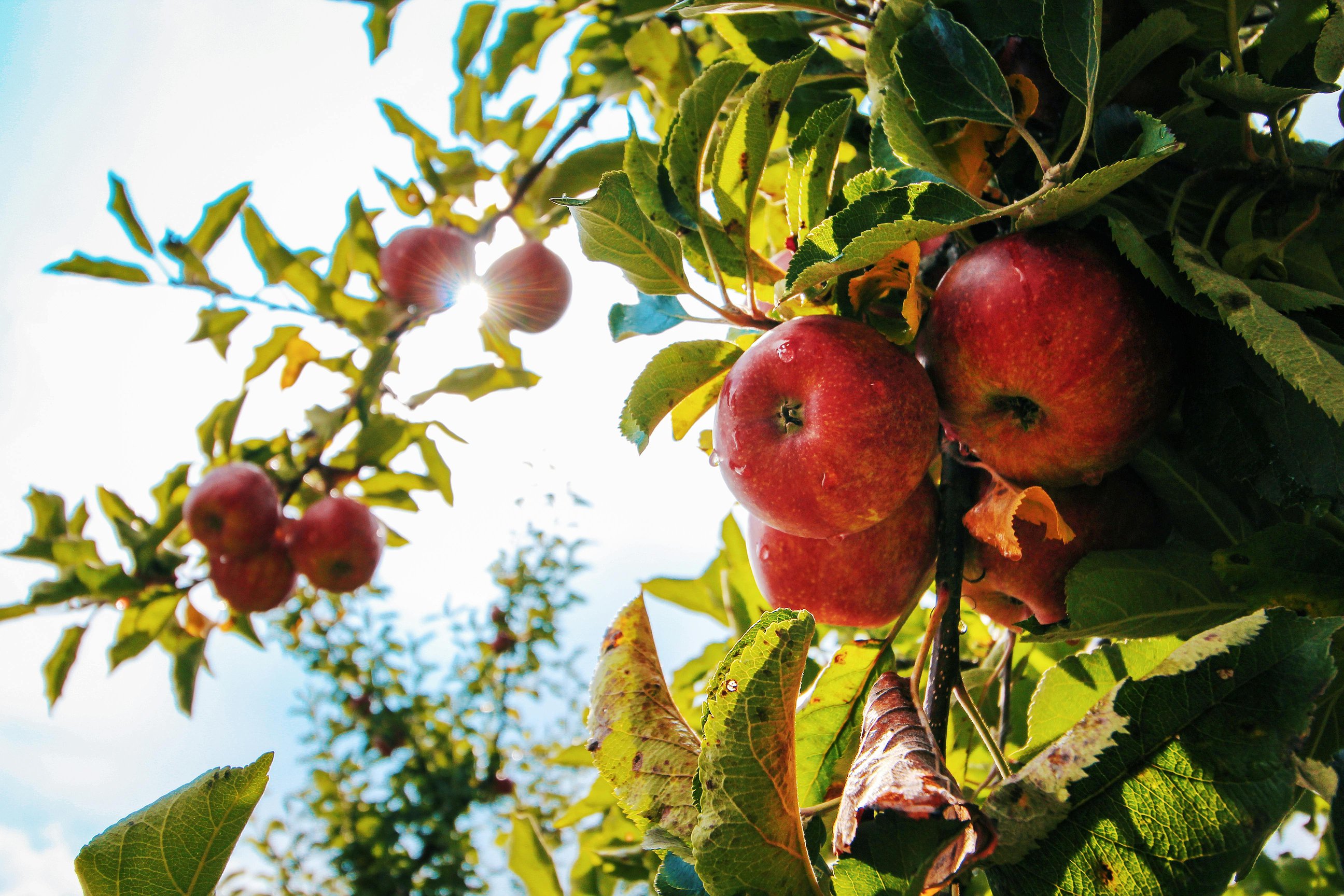 Irrigating an orchard takes a different strategy than irrigating a wheat field or asparagus crop. As a result, the associated costs are different.
ARTICLES BY JOEL MARTIN
Endless battle
Noxious Weed Control Board works to keep invasive plants under control
MOSES LAKE — Some of the nastiest plants in Grant County were the topic of a class led by Jay Johnson, a consultant with the Grant County Noxious Weed Control Board, Tuesday. The Noxious Weed Control Board, as its name would suggest, is tasked with keeping weeds under control in Grant County. That’s not a small job; the board’s website lists 129 species of noxious weeds that are found around Grant County. A noxious weed is defined as an invasive, non-native plant that threatens agricultural crops, local ecosystems or fish and wildlife habitat, according to the Noxious Weed Control Board. Washington state law requires that these weeds be identified and their spread kept to a minimum, if not completely eradicated. “We’re one of those agencies a lot of people don’t really understand,” Johnson said. “We’re a county office and … our funding is tax-based assessment. When you get your tax bill and you look down at all the expenses that you pay for, there we are.”

BASIN EVENTS: Oct. 16-24
COLUMBIA BASIN — Whether you feel like shopping, crafting, learning or seeing a show, there’s something happening for you this week in the Basin. Oct. 16 ‘My Family (Mi Familia)’ screening Spanning three generations, “My Family (Mi Familia)” is a heartfelt drama that follows the Sánchez family as they build their lives in East Los Angeles. Through love, hardship, triumph, and sacrifice, the film explores the immigrant experience, the strength of family bonds, and the traditions that connect one generation to the next. Lowrider show and taco truck before the screening. Sponsored by Columbia Basin Allied Arts, EDUBS C/S and the Moses Lake Creative District. $12 per person. Doors open at 6 p.m., film begins at 7 p.m. at the Moses Lake Civic Center Auditorium, 401 S. Balsam St. Tickets and info: www.cba-arts.org.

Moses Lake author encourages women to look beyond church culture norms
MOSES LAKE — A Moses Lake author’s book, “A Christian Woman Striving to Live Her Faith in a Man-Controlled World,” takes aim at the role to which many churches relegate the female half of their congregations. “It’s to encourage women in the faith,” Linda Curran said. “A lot of churches say, ‘Teach Sunday school, do this, do that, but don’t (evangelize.)’" In her book, Curran recounts a time when she moved to a new community and joined a church there. She was surprised to learn that, as a new female member, she had been automatically assigned church cleaning duties. When she questioned it, she wrote, she was met with condescension and her objections were brushed aside. In other churches, she said, women who were capable of teaching were relegated to “women’s ministry.”