
Prayer space: Moses Lake’s first mosque moves into renovated church building
JOEL MARTIN | Hagadone News Network | UPDATED 2 years, 5 months AGO
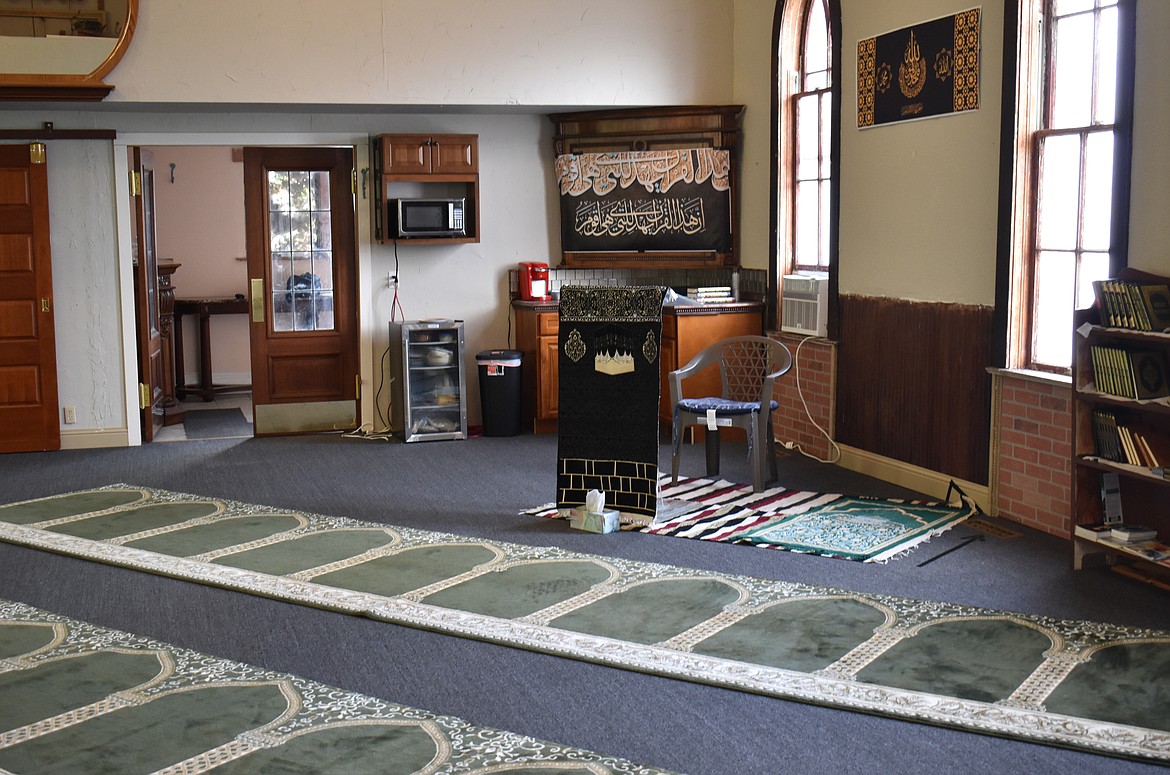
The Moses Lake Islamic Center has renovated a former church building for its mosque, removing the pews and installing carpet, prayer mats and a lectern for Friday prayers, called Jumu’ah. The congregants preferred not to be photographed for this article.
JOEL MARTIN/COLUMBIA BASIN HERALD
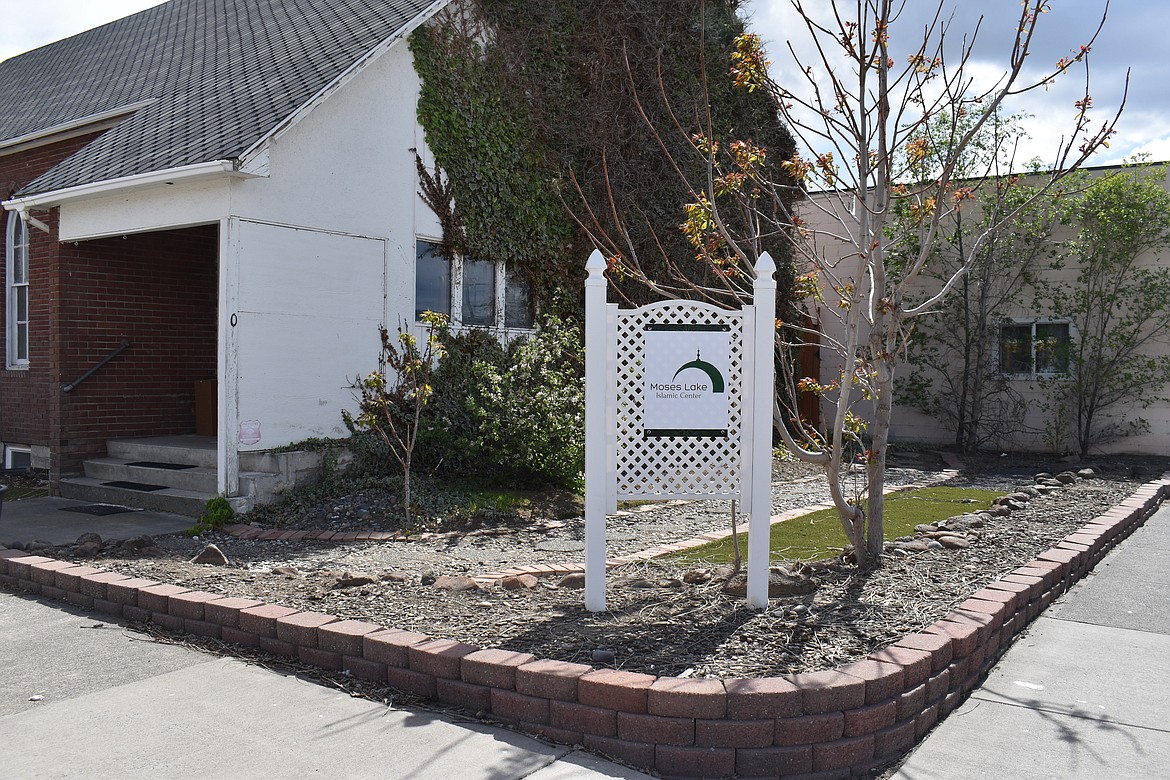
The former church building at Third Avenue and Elm Street in Moses Lake is now the home of the Moses Lake Islamic Center.
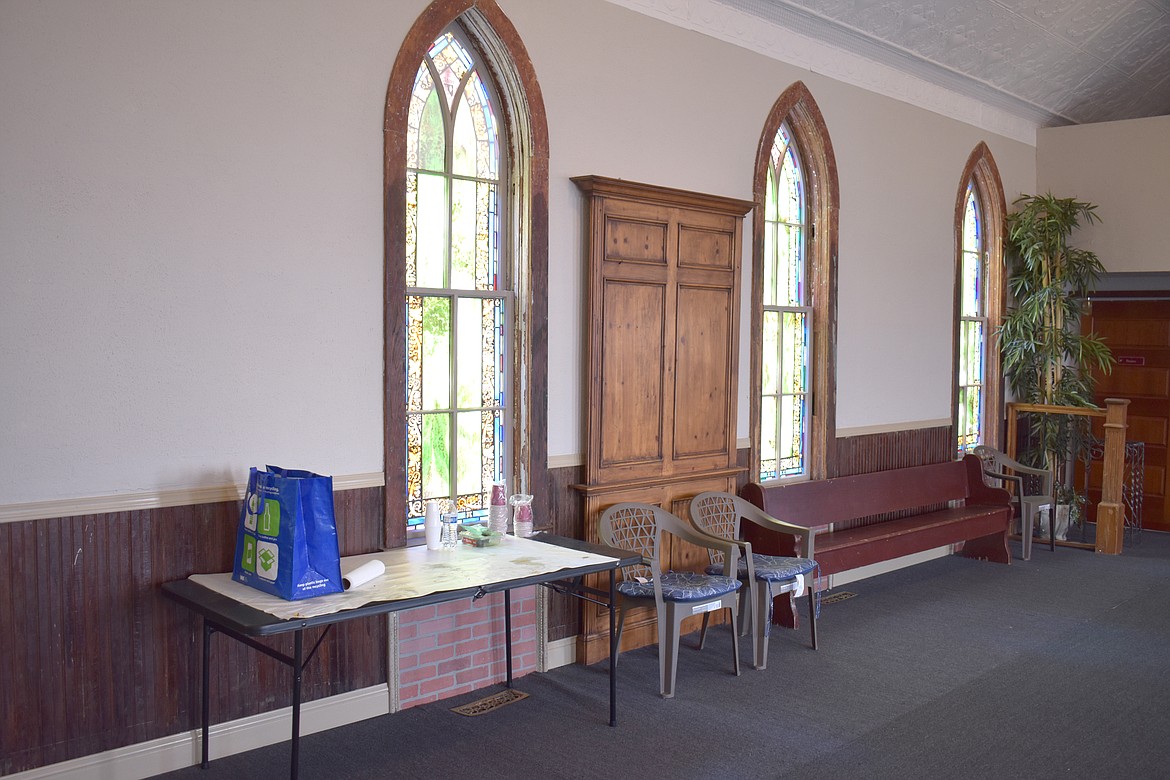
One thing the Moses Lake Islamic Center retained in the former church building is the beautiful stained-glass windows.
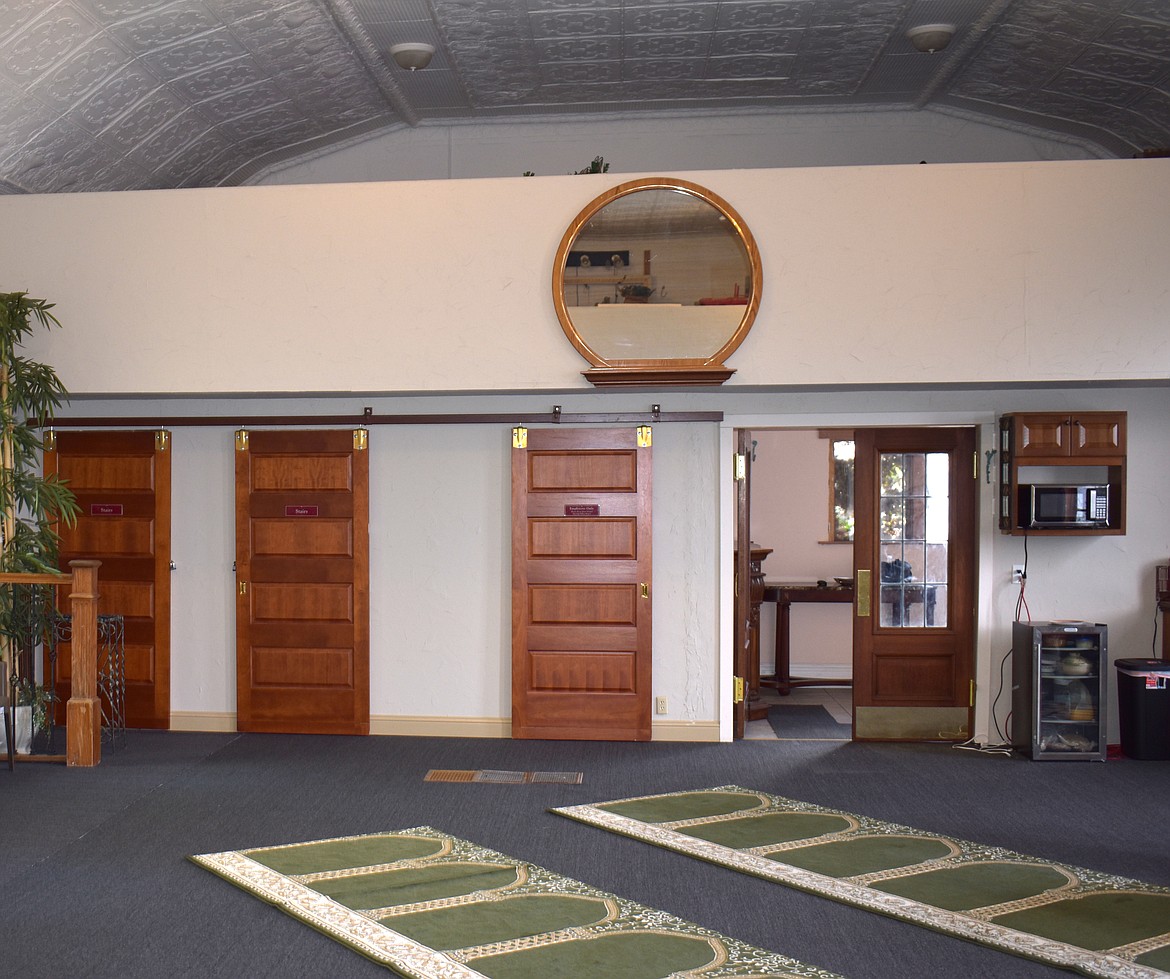
The Moses Lake Islamic Center installed carpet over the original floor in its new building, but retained much of the original woodwork, as well as the steel-tile ceiling. There was a steeple at one time, the building’s owner Gail Adair said, but it was removed decades ago during repairs and never returned.
Joel Martin has been with the Columbia Basin Herald for more than 25 years in a variety of roles and is the most-tenured employee in the building. Martin is a married father of eight and enjoys spending time with his children and his wife, Christina. He is passionate about the paper’s mission of informing the people of the Columbia Basin because he knows it is important to record the history of the communities the publication serves. | May 7, 2024 1:30 AM
MOSES LAKE — The former church building at Third Avenue and Elm Street is once again a house of worship, as the Moses Lake Islamic Center.
“In central Washington state there (were) only three mosques, in Yakima, Tri-Cities and Spokane,” said Abdelnasir Elmalik, one of the regular congregants at the Islamic Center. “But now we have two (more), in Wenatchee and Moses Lake.”
The building was originally a Mennonite church in Ritzville, said Gail Adair, who owns the building with her husband Steve. It was moved around 1950 to its present location. It belonged at one time to the Reorganized Church of Latter-day Saints, now known as the Community of Christ, and served as a community theater for a few years. The Adairs bought it in about 2017.
“We drove by it one day and I don't know, we just kind of fell in love with it, I guess,” she said.
Originally she wanted to turn the building into an antique store, but city regulations made that difficult, so the Adairs rented it out when they could as a wedding and event venue.
“Then one day, it was 7:30 at night, and (a real estate agent) called me and he said that he had this group that would like to rent long-term, and I said ‘We’re not interested,’” she said.
She gave the agent a minimum figure that would have to be met before she would even consider renting, she said, and to her surprise, he came back and said that they were willing to meet it.
“I do a tenant screening report (on potential renters) and they scored very, very high,” she said.
The congregation is mostly made up of Boeing employees working at the Port of Moses Lake, Elmalik said. They have a meditation room at work where they can say their daily prayers five times a day, but they wanted a larger space to gather for Friday prayers, called Jumuʿah. The daily prayers can be done in a group or individually, he explained, but Jumu’ah must be done in a mosque.
“Jumuʿah is like Sunday (worship) for Christians,” Elmalik said.
Jumu’ah has two parts, he said. The first is called khutbah, and it’s something like a 20- or 30-minute sermon, often touching on moral issues. Elmalik gave the example of a khutbah directed at not speaking badly of others behind their backs. Political issues are not raised, Elmalik said, and Adair said she included a prohibition on political activity in the rental agreement.
“(The khutbah) is to remind people and to encourage them to do good things, to be good Muslims,” Elmalik said.
The khutbah is followed by prayers, which last about 10 minutes, he said.
The attendance at Jumu’ah varies, he said, anywhere from 10 to 50 people, depending on work schedules. One of the Boeing workers is an imam, so he leads the prayers.
The building needed some renovations to become a mosque, Adair said. She and Steve redid the roof, the Douglas fir floors and the metal tile ceilings. There was a statue of the Virgin Mary and two statues of lions that had to be removed, due to Islam’s tradition against religious images.
“We tried to remove the lions, but we (had been) so worried that somebody in the neighborhood was going to steal the lions that we (attached) them to the concrete in such a way that we can not get them off the concrete,” Adair said. “So they built a box and covered them.”
The stained glass windows on the west side of the building weren’t a problem, she said, because they didn’t depict any living creatures. The pews were removed and replaced with prayer mats and a lectern. Because a mosque is a sacred space, everybody who enters one is expected to remove their shoes, and Adair said she required her workers to abide by that.
Elmalik, like most of the Boeing workers, is here on a long-term temporary basis, he said. He came to Moses Lake four years ago with his wife and children. Because of the temporary nature of the work, he’s not sure how many people will continue to use the mosque. He’s hopeful, though, that with new industry coming in, more Muslims will find themselves at home in Moses Lake, which will allow them to take part more in the community, which in turn could help people look past the image of Islam they often see in the media.
“Our plan is to have events to help the community, to help other people, to help the neighborhood, (and) to show how Islam is,” he said.
More information about the Moses Lake Islamic Center is available at its website, mlic-wa.org.
Joel Martin may be reached via email at [email protected].
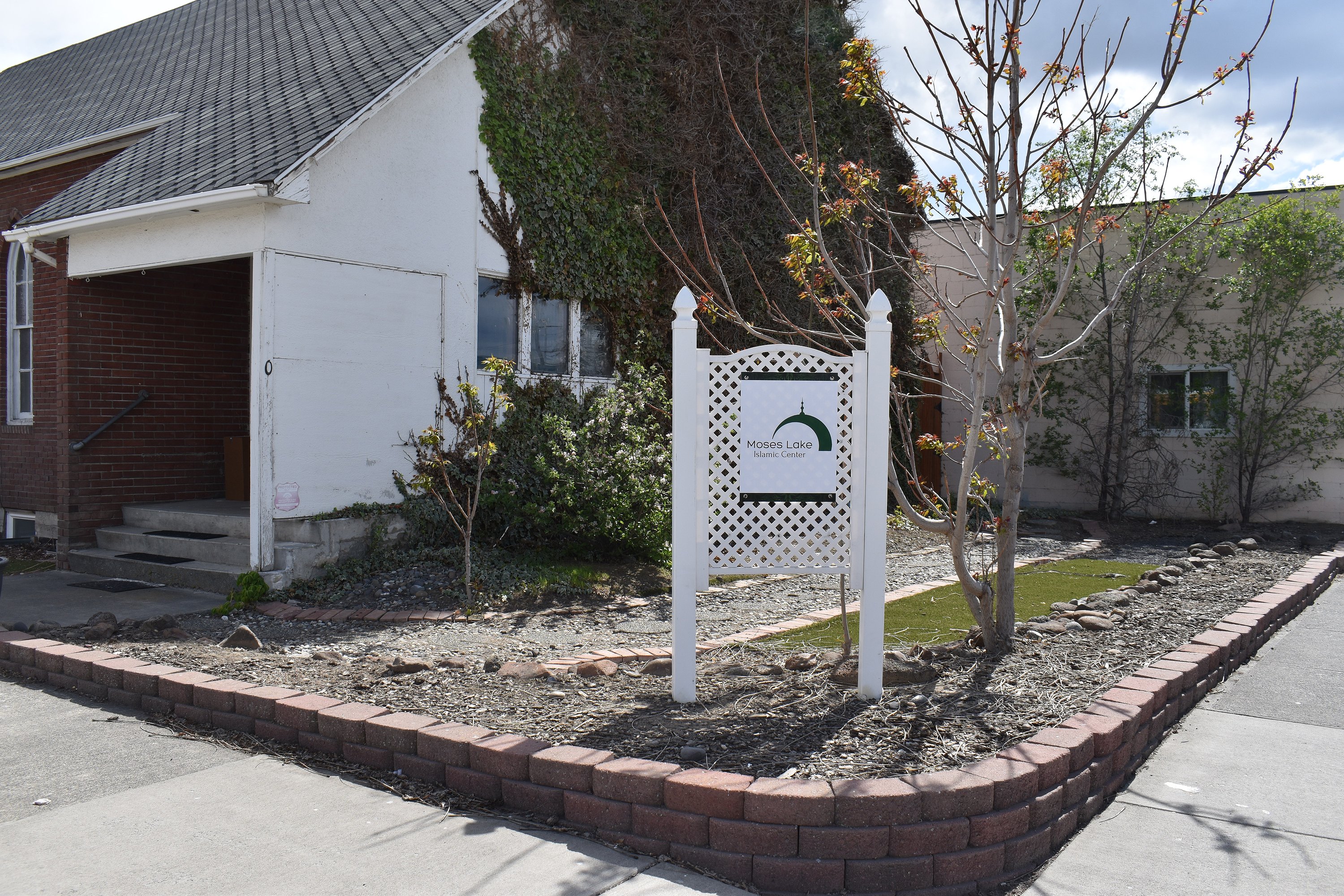 The former church building at Third Avenue and Elm Street in Moses Lake is now the home of the Moses Lake Islamic Center.
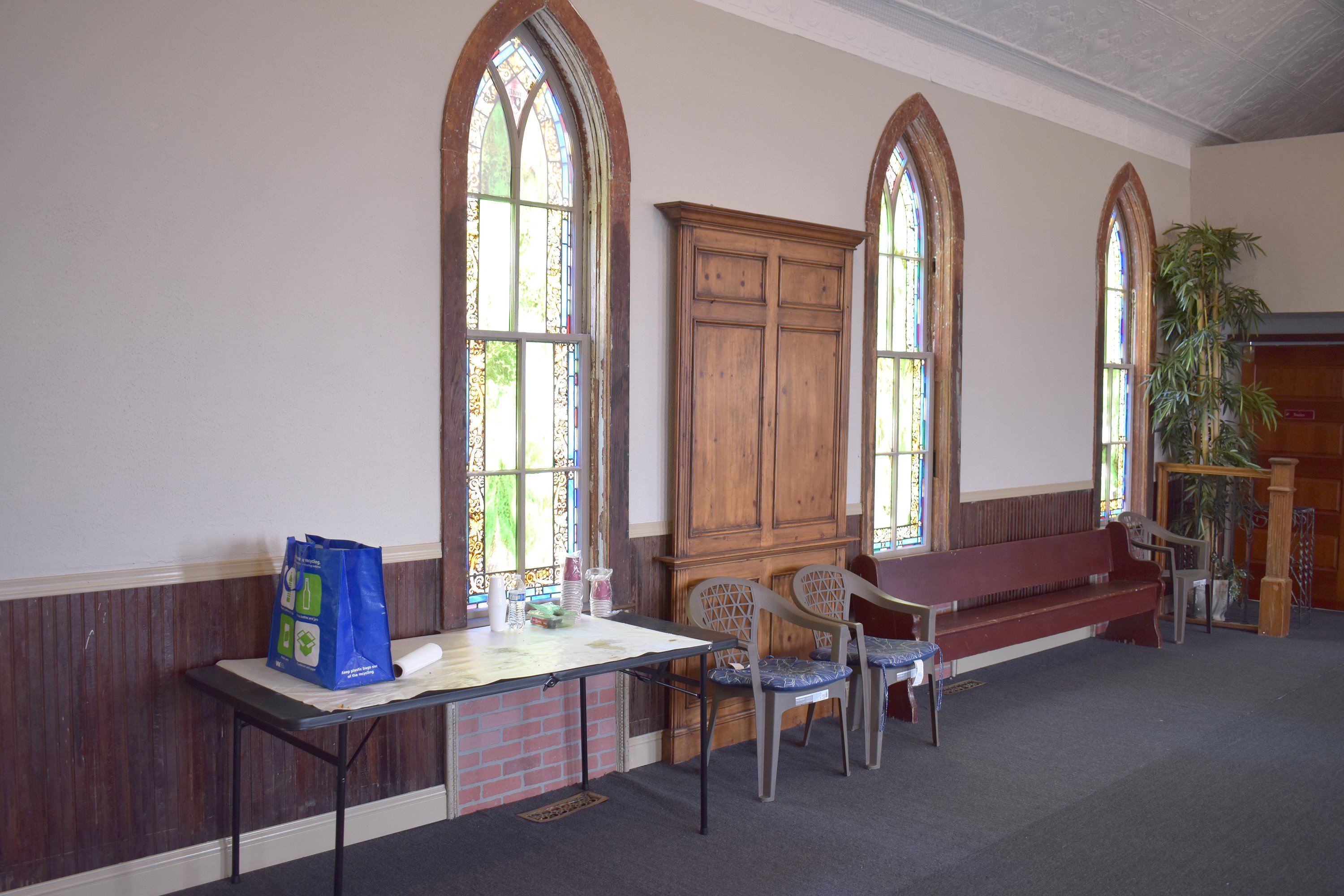 One thing the Moses Lake Islamic Center retained in the former church building is the beautiful stained-glass windows.
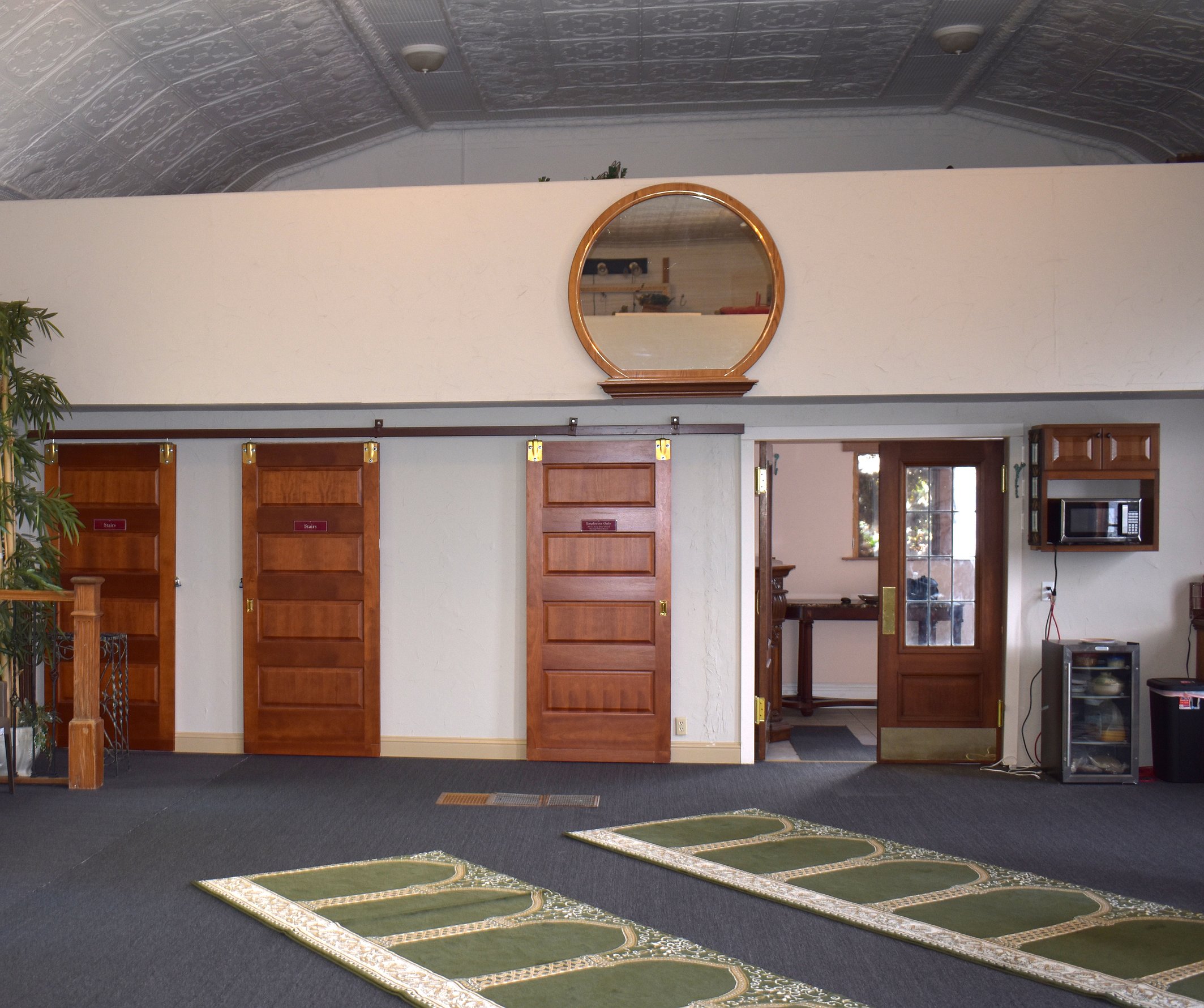 The Moses Lake Islamic Center installed carpet over the original floor in its new building, but retained much of the original woodwork, as well as the steel-tile ceiling. There was a steeple at one time, the building’s owner Gail Adair said, but it was removed decades ago during repairs and never returned.
ARTICLES BY JOEL MARTIN

Endless battle
Noxious Weed Control Board works to keep invasive plants under control
MOSES LAKE — Some of the nastiest plants in Grant County were the topic of a class led by Jay Johnson, a consultant with the Grant County Noxious Weed Control Board, Tuesday. The Noxious Weed Control Board, as its name would suggest, is tasked with keeping weeds under control in Grant County. That’s not a small job; the board’s website lists 129 species of noxious weeds that are found around Grant County. A noxious weed is defined as an invasive, non-native plant that threatens agricultural crops, local ecosystems or fish and wildlife habitat, according to the Noxious Weed Control Board. Washington state law requires that these weeds be identified and their spread kept to a minimum, if not completely eradicated. “We’re one of those agencies a lot of people don’t really understand,” Johnson said. “We’re a county office and … our funding is tax-based assessment. When you get your tax bill and you look down at all the expenses that you pay for, there we are.”

BASIN EVENTS: Oct. 16-24
COLUMBIA BASIN — Whether you feel like shopping, crafting, learning or seeing a show, there’s something happening for you this week in the Basin. Oct. 16 ‘My Family (Mi Familia)’ screening Spanning three generations, “My Family (Mi Familia)” is a heartfelt drama that follows the Sánchez family as they build their lives in East Los Angeles. Through love, hardship, triumph, and sacrifice, the film explores the immigrant experience, the strength of family bonds, and the traditions that connect one generation to the next. Lowrider show and taco truck before the screening. Sponsored by Columbia Basin Allied Arts, EDUBS C/S and the Moses Lake Creative District. $12 per person. Doors open at 6 p.m., film begins at 7 p.m. at the Moses Lake Civic Center Auditorium, 401 S. Balsam St. Tickets and info: www.cba-arts.org.

Moses Lake author encourages women to look beyond church culture norms
MOSES LAKE — A Moses Lake author’s book, “A Christian Woman Striving to Live Her Faith in a Man-Controlled World,” takes aim at the role to which many churches relegate the female half of their congregations. “It’s to encourage women in the faith,” Linda Curran said. “A lot of churches say, ‘Teach Sunday school, do this, do that, but don’t (evangelize.)’" In her book, Curran recounts a time when she moved to a new community and joined a church there. She was surprised to learn that, as a new female member, she had been automatically assigned church cleaning duties. When she questioned it, she wrote, she was met with condescension and her objections were brushed aside. In other churches, she said, women who were capable of teaching were relegated to “women’s ministry.”