
Kaniksu Land Trust receives largest easement in organization history
ERIC WELCH | Hagadone News Network | UPDATED 1 year, 3 months AGO
*This story has been edited to correct an error regarding access to the land along Prichard Creek.
On Aug. 30, Idaho Forest Group and Kaniksu Land Trust put pen to paper to protect nearly 2,000 acres of North Idaho wilderness forever.
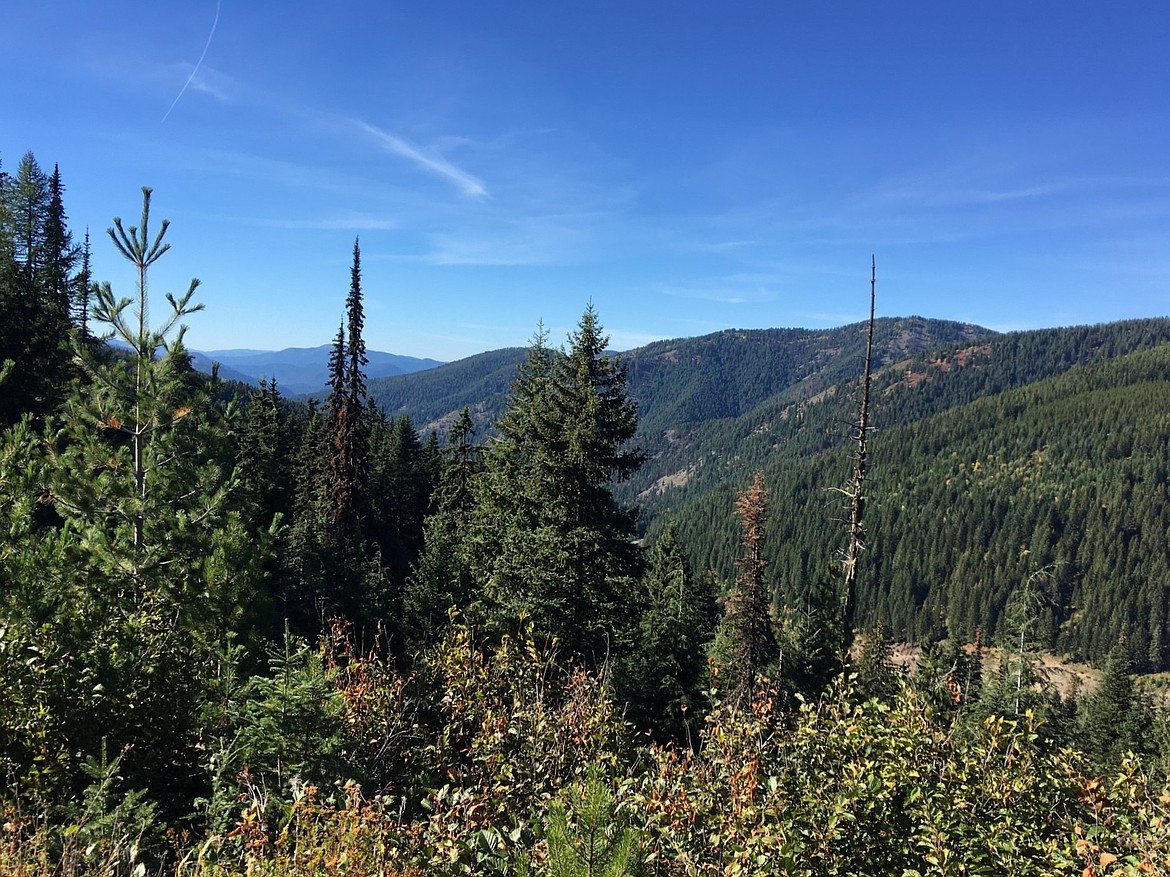
In the deal, Idaho Forest Group donated the development rights for land along Prichard Creek, a tributary of the Coeur d'Alene River, to ensure the land is conserved for generations to come.
“It’s a big deal,” said Regan Plumb, Kaniksu Land Trust conservation director. “To be able to protect almost an entire watershed and make sure that this stream is safe forever is really unique.”
The agreement was conceived four years ago when Idaho Forest Group — a Coeur d'Alene-based lumber company and owner of the Prichard Creek land — approached Kaniksu about gifting an easement for the area.
Now, after years of paperwork and approvals, Kaniksu safeguards the right to develop or significantly subdivide the land — a privilege valued at $3 million.
Importantly, Idaho Forest Group maintains ownership of the land and other rights under the agreement.
“As a landowner, it's as if you have a box of pencils and every pencil represents a different right that you have with respect to your property,” explained Plumb.
In the case of Friday’s agreement, “it's as if you take just one pencil out of your box, and it's the pencil that represents unrestricted development, and you hand it to an organization like a land trust, and the land trust holds onto that pencil forever,” Plumb added.
A landowner who has donated an easement can still live on land, sell it, or pass it on to an heir, but for Prichard Creek, "that one pencil has been retired — taken out of the box,” said Plumb.
While Prichard Creek will never see major development in the future, it has been subject to human impact in the past.
In the early 20th century, mining activity disrupted the ecosystem significantly.
“There was a dredge machine that was six stories tall that worked its way up that creek and dug out and turned over every single stone looking for gold,” said Plumb.
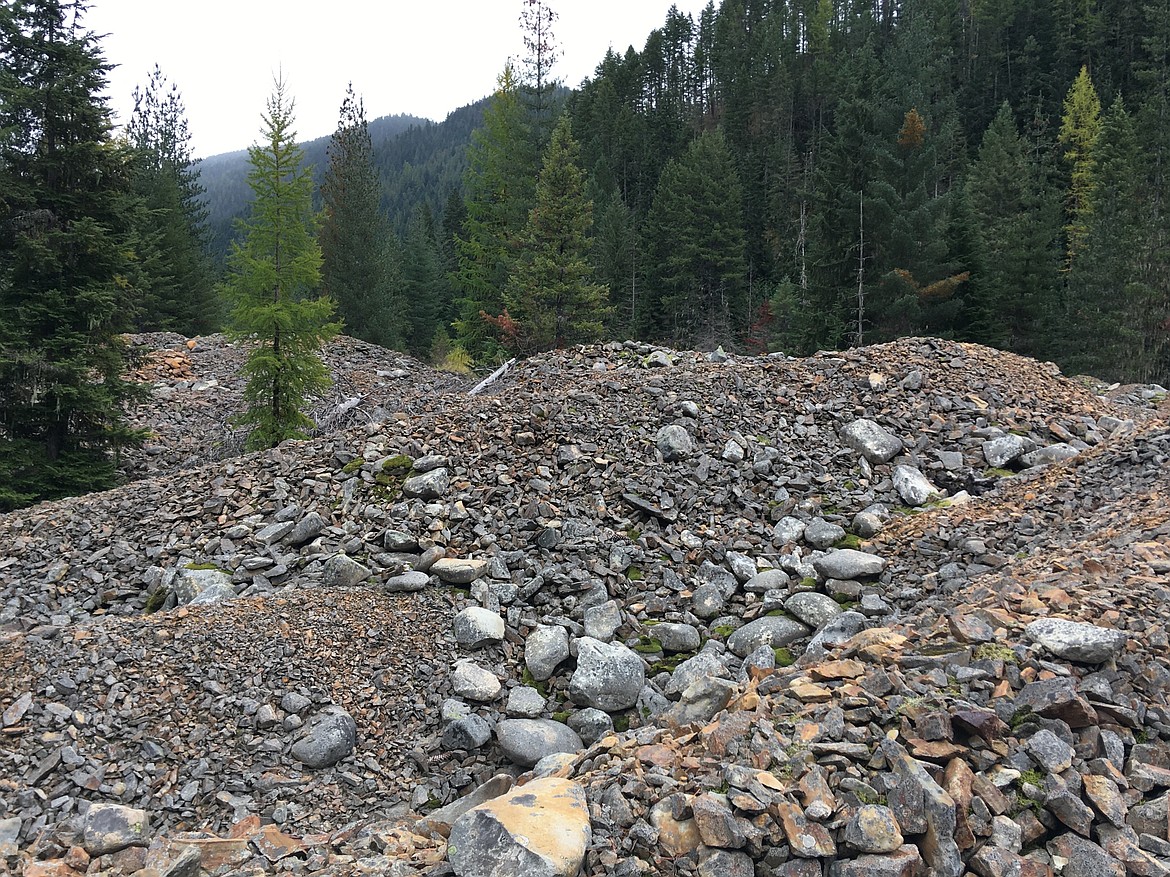
Nearly a century later, the scars of mining persist in the form of long hills of piled debris along the river.
“It's a seriously disturbed landscape,” Plumb said.
With the new agreement officially in place, however, that could change.
“The conservation easement was really a linchpin in that puzzle,” Plumb said of remediation in the area.
“Now that the easement is in place and it's protected, hopefully that's going to open the door for additional conservation efforts to try to restore the creek corridor.”
According to an Idaho Forest Group press release, Trout Unlimited and the Restoration Partnership — a collective of state, federal, and tribal trustees — have already taken steps toward rejuvenating the area.
In the summer of 2023, remediators installed wooden structures in the river and planted vegetation to restore flow and enhance ecosystems. Plumb reported that as a result, beavers have returned to the watershed after decades of absence.
“Beavers are really a keystone species when it comes to riparian corridors because they create wetlands,” Plumb said. “They help to hold water and clean water and create habitats for other species.”
Plumb described the creatures as “wizards of the woods,” and explained that the remediators’ wooden structures have allowed the beavers to begin to manipulate Prichard Creek for the better.
“They found the work that the humans started and they're saying, ‘let us show you how this is really done,’” said Plumb.
Ultimately, remediators hope to recreate a historic habitat that used to be home to bull trout — a threatened and protected species that inhabit cold, clear water.
“Because the creek goes subsurface at a point now, it no longer sustains a year-round population of bull trout,” Plumb explained.
As restoration takes place in the region and the land is allowed to heal, there is no off-road public access to the easement area.
“It's a beautiful valley with mountains on either side and this lovely little stream flowing through it,” said Plumb.
“I'm just really excited to see it brought back to life.”
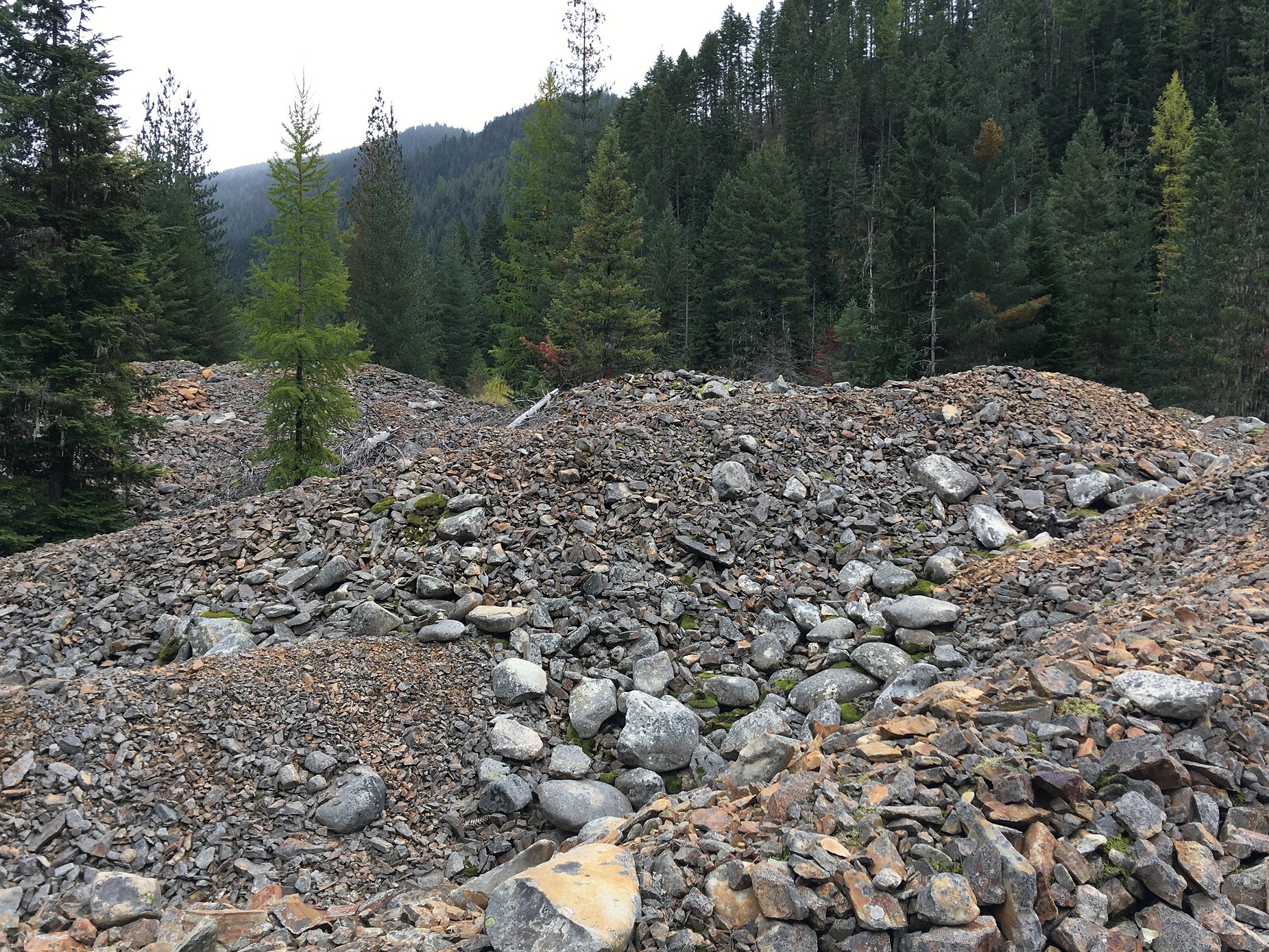 Historic mining in the area disrupted ecosystems significantly, but efforts to remediate Prichard Creek are underway.
ARTICLES BY ERIC WELCH

City personnel, community members discuss options as James E. Russell Center costs exceed revenue
Community planning and development director Jason Welker, who oversees Sandpoint’s parks and recreation programs and facilities, suggested that the city could either maintain its current approach at the facility, shrink the center’s operating hours, install new modular playing surfaces for mixed sports use on some of the courts, or recruit a nonprofit organization to operate the facility.

‘Expressions’ courses fill non-school art void
Teens participating in Gentry’s class practiced printmaking, painting and design to create works including a pop art-inspired self-portrait. “My goal when I'm teaching the kids is to just show them lots of different ways that you can make really cool art. It doesn't have to be just traditional,” she said. “The kind of art they do with me, they get to just express themselves, and it doesn't have to be perfection.”

City of Sandpoint sheds light on sewage incident outcome
On the morning of Feb. 24, an electrical control system failure caused pumps to shut off unexpectedly at Sandpoint’s municipal wastewater treatment plant — a city-owned facility that removes contaminants from sewage before discharging it into the Pend Oreille River.