
Winter prep...
JOEL MARTIN | Hagadone News Network | UPDATED 2 years AGO
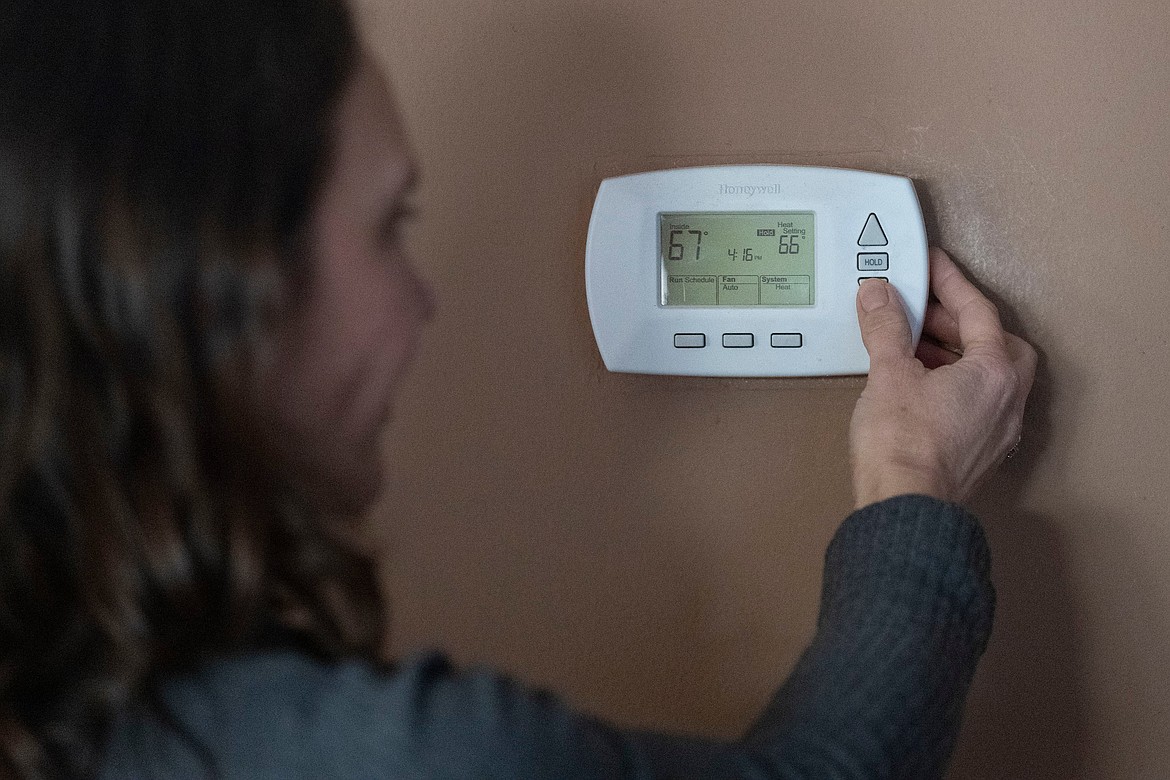
With winter creeping toward us, many people are turning on their heaters for the first time in months, which can lead to a fire if they’re not careful.
JOSE MORENO/TNS
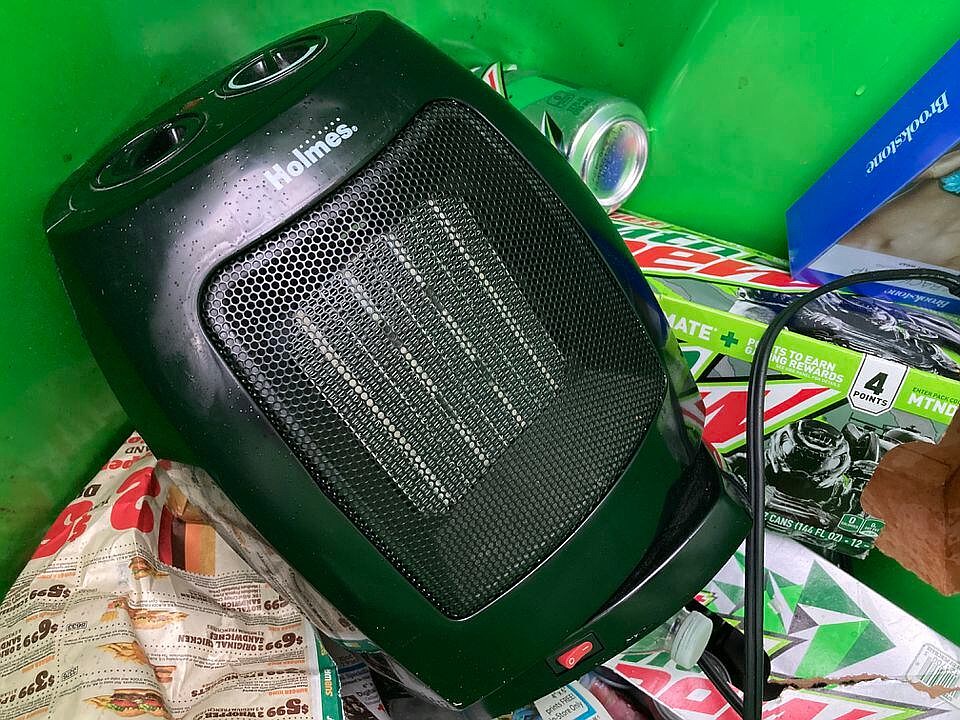
Space heaters can make a good supplement to a home’s heating system, but make suyre the area around them is clear of debris and furniture.
Joel Martin has been with the Columbia Basin Herald for more than 25 years in a variety of roles and is the most-tenured employee in the building. Martin is a married father of eight and enjoys spending time with his children and his wife, Christina. He is passionate about the paper’s mission of informing the people of the Columbia Basin because he knows it is important to record the history of the communities the publication serves. | September 27, 2024 2:55 AM
MOSES LAKE — With the weather cooling off, lots of people will be turning on their heat in the coming weeks for the first time in months. That can bring a risk of fire, according to state and local officials.
According to a 2021 report from the U.S. Fire Administration, heating system fires were the second-leading cause of home fires. Last year in Washington state, there were 192 reported fires and over $12 million in losses resulting from central heating system fires, the fire marshal’s office wrote in a statement. The report included homes heated by natural gas, oil, electricity and heat pumps, according to a statement from the Washington State Fire Marshal’s Office.
Here in the Columbia Basin, where most homes use electrical heat, central heating can cause fires that don’t threaten life or property but can be scary and unpleasant anyway.
“What we see the bulk of is, people haven't changed their filters out so they get dirty from the Basin dirt, and … that can start a fire,” said Grant County Fire District 3 fire marshal Bob Horst. “It's not necessarily something that's going to cause a major fire, but it's pretty scary for people, because being in your central heating system, it pumps that smoke into the whole house.”
Horst added that sort of fire mostly stays contained in the heating unit.
A much greater danger comes from baseboard and space heaters, Horst said.
“There's usually at least one a year, people are using propane heaters inside to try and supplement heat, so you have the carbon monoxide danger from that,” he said. “(Because it’s) a portable heater, sometimes people put them too close to stuff and catch bedding or furniture or things on fire. They're not approved for indoor heating, so it's a combination of the carbon monoxide poisoning and the heat itself.”
Baseboard heaters can also be a hazard, especially the first time they’re turned on for the season.
“Before they turn on their heat for the year, (people should) just make sure couches are pulled away from those,” Horst said. “They forget that there's a wall heater or base heater, and everybody's living life and sometimes those chairs and couches can get pushed up against those throughout the year.”
Folks who use fireplaces, either for heating or for the sheer joy of a crackling fire, should make sure their chimneys have been cleaned out before building their first fire, Horst said.
The State Fire Marshal’s Office suggest these fire safety tips when using central heating systems:
• Furnaces should be inspected, cleaned and serviced every year by a licensed professional to ensure safe and reliable operation.
• Replace or clean filters regularly to ensure proper airflow and to prevent overheating.
• Keep vents and flues unobstructed to ensure proper ventilation and prevent the buildup of carbon monoxide.
• If the pilot light of your gas furnace goes out, allow five minutes or more for the gas to clear, then follow the manufacturer’s instructions for relighting the pilot.
• Install and maintain smoke alarms in every sleeping area and on every level of the building.
• Install and maintain a carbon monoxide detector and regularly check for gas leaks. If you smell gas, turn off the system if possible, and exit the area immediately. Upon exiting, call 911.
• If using portable heaters In lieu of central heating, keep a 3-foot radius clear of children, pets and combustible objects. Ensure the portable heater is equipped with automatic shut off should it get tipped over. Turn off portable heaters and unplug them when leaving the room or going to bed.
 Space heaters can make a good supplement to a home’s heating system, but make suyre the area around them is clear of debris and furniture.
ARTICLES BY JOEL MARTIN

Endless battle
Noxious Weed Control Board works to keep invasive plants under control
MOSES LAKE — Some of the nastiest plants in Grant County were the topic of a class led by Jay Johnson, a consultant with the Grant County Noxious Weed Control Board, Tuesday. The Noxious Weed Control Board, as its name would suggest, is tasked with keeping weeds under control in Grant County. That’s not a small job; the board’s website lists 129 species of noxious weeds that are found around Grant County. A noxious weed is defined as an invasive, non-native plant that threatens agricultural crops, local ecosystems or fish and wildlife habitat, according to the Noxious Weed Control Board. Washington state law requires that these weeds be identified and their spread kept to a minimum, if not completely eradicated. “We’re one of those agencies a lot of people don’t really understand,” Johnson said. “We’re a county office and … our funding is tax-based assessment. When you get your tax bill and you look down at all the expenses that you pay for, there we are.”

BASIN EVENTS: Oct. 16-24
COLUMBIA BASIN — Whether you feel like shopping, crafting, learning or seeing a show, there’s something happening for you this week in the Basin. Oct. 16 ‘My Family (Mi Familia)’ screening Spanning three generations, “My Family (Mi Familia)” is a heartfelt drama that follows the Sánchez family as they build their lives in East Los Angeles. Through love, hardship, triumph, and sacrifice, the film explores the immigrant experience, the strength of family bonds, and the traditions that connect one generation to the next. Lowrider show and taco truck before the screening. Sponsored by Columbia Basin Allied Arts, EDUBS C/S and the Moses Lake Creative District. $12 per person. Doors open at 6 p.m., film begins at 7 p.m. at the Moses Lake Civic Center Auditorium, 401 S. Balsam St. Tickets and info: www.cba-arts.org.

Moses Lake author encourages women to look beyond church culture norms
MOSES LAKE — A Moses Lake author’s book, “A Christian Woman Striving to Live Her Faith in a Man-Controlled World,” takes aim at the role to which many churches relegate the female half of their congregations. “It’s to encourage women in the faith,” Linda Curran said. “A lot of churches say, ‘Teach Sunday school, do this, do that, but don’t (evangelize.)’" In her book, Curran recounts a time when she moved to a new community and joined a church there. She was surprised to learn that, as a new female member, she had been automatically assigned church cleaning duties. When she questioned it, she wrote, she was met with condescension and her objections were brushed aside. In other churches, she said, women who were capable of teaching were relegated to “women’s ministry.”