
Rent stabilization bill makes progress in Olympia
JOEL MARTIN | Hagadone News Network | UPDATED 1 year, 6 months AGO
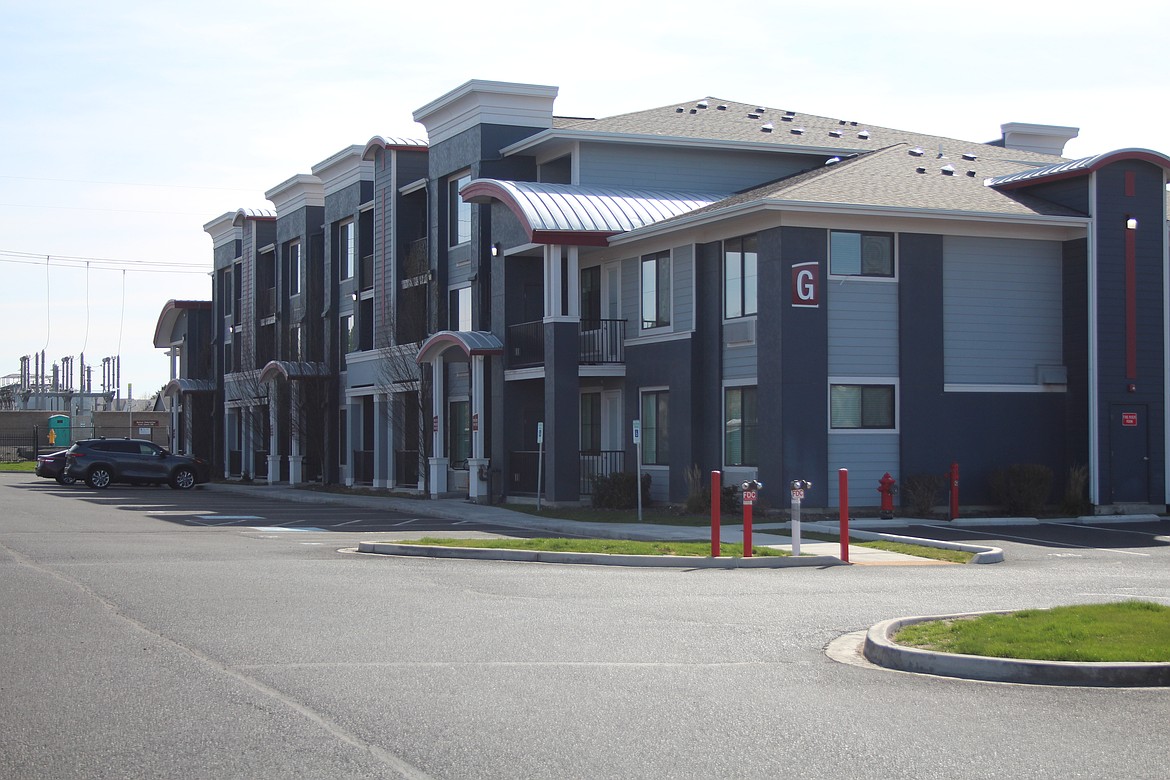
A bill being considered by the Washington Legislature would place limits on rent increases and fees associated with both permanent homes and mobile home lots. Advocates of the bill say it would help stabilize those with limited incomes while opponents are concerned it would reduce investments in Washington housing.
CHERYL SCHWEIZER/COLUMBIABASINHERALD
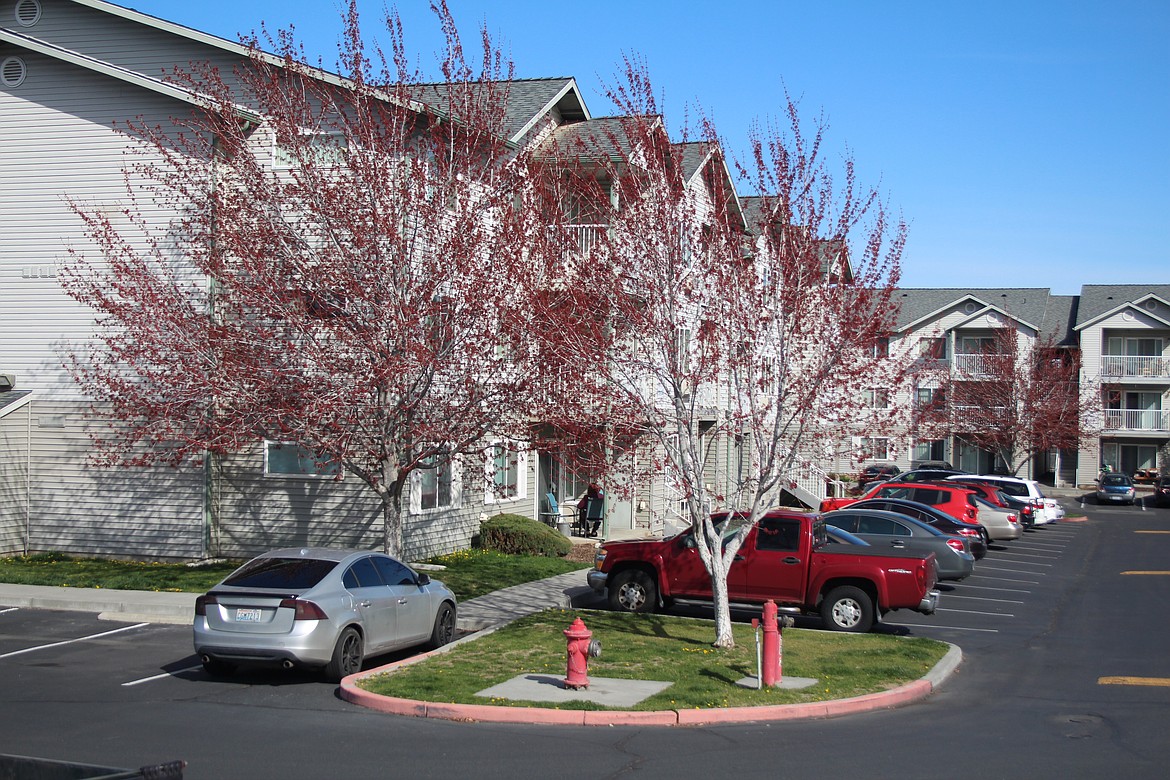
A cap on rent increases and late payment fees are among the provisions of HB 1217, currently under debate in the Washington Legislature.
Joel Martin has been with the Columbia Basin Herald for more than 25 years in a variety of roles and is the most-tenured employee in the building. Martin is a married father of eight and enjoys spending time with his children and his wife, Christina. He is passionate about the paper’s mission of informing the people of the Columbia Basin because he knows it is important to record the history of the communities the publication serves. | April 4, 2025 3:00 AM
OLYMPIA — A Washington bill to limit residential rate increases may have a shot at passing this year, according to its primary sponsor, state Sen. Emily Alvarado, D-Seattle.
“I am very hopeful, and I think there is momentum,” Alvarado said. “I think the bill, where it’s gotten to at this point, is a compromise. I think it’s a balanced approach.”
House Bill 1217 would amend the Residential Landlord-Tenant Act to prohibit landlords from raising rent on a residence within the first year after a tenant moves in, and thereafter from raising the rent by more than 7% a year, or 5% for manufactured or mobile home tenants.
It would also limit move-in fees and security deposits for manufactured home tenants to total no more than one month’s rent, cap late rent payment fees at 1.5% of the monthly rent and prohibit landlords from charging higher rents for month-to-month tenancies than they do for longer leases.
Under existing law, landlords must give written notice at least 60 days in advance if they intend to raise the rent on a residence. HB 1217 would change that to 90 days’ notice. Washington law currently has no limitations on how much rent may be increased.
A similar bill failed to reach a vote in the Senate Ways and Means Committee last year. That bill would have required 180 days’ notice for rent increases over 3%, and capped move-in fees and deposits for residential renters. HB 1217 also contains exemptions for buildings more than 12 years old and rental units operated by a nonprofit or public housing entity.
HB 1217 had a public hearing March 19 before the Senate Housing Committee, in which supporters said the regulation was necessary to keep costs from spiraling out of control, while opponents pointed out that in a housing market where construction already can’t keep up with demand, limiting landlords’ potential revenue will decrease availability even further, discourage investment in housing and unfairly target low-income renters.
“Forty percent of the people in this state are renters or manufactured home owners, and they have zero protections right now about how high their rent can go,” Alvarado said in the public hearing. “As an elected official, I will say that when I'm out talking to community members, the number one issue in this state … is the cost of living. People can't keep up with rent. They can't keep up with groceries, they can't keep up with gas, they can't keep up with childcare. They're working hard; they're trying to retire, and they can't keep up.”
Tina Hammond, a 64-year-old disabled mobile home owner from Spokane, spoke in favor of the bill as well, saying that lot rent for her mobile home had jumped 12% in 2024 which had a serious impact on her quality of life, including her health.
“I'm a mobile home owner since 2019 and I was sorely impacted by a 12% increase I experienced in February 2024,” Hammond said. “I had to stop my medication for three months while I adjusted my budget to accommodate the increase. My adjustment was and is to turn off my heat at night … This winter, my average morning is about 45 degrees. Even with these drastic measures, by the 15th of each month, I only have $5 or $10 remaining in my bank account.”
Emily Thompson, a partner at multifamily housing developer GMD Development in Seattle, said the requirements were too onerous and would prevent owners of rental properties from being able to keep up with their own costs.
“The rental housing market is dealing with deep operational challenges over the last three years,” Thompson said. “Our small portfolio of affordable Washington properties have $2.3 million in unpaid rent, (an) over 100% increase in operating costs and cumulative operating loss of around $4 million. Negative operations destabilize tenants. To further regulate operations right now is to focus on the wrong thing.”
Washington doesn’t have enough capacity or funding for nonprofits to supply all the low- and moderate-income housing needs in the state, Thompson said, which means for-profit developers like GMD are vital to the community.
Chris Rossman, president of the commercial real estate development association NAIOP Washington State, said passage of HB 1217 would mean less investment money coming into the Evergreen State and consequently less ability to build housing.
“When we have these artificial impacts on the free market, a lot of these investment dollars tend to move elsewhere,” Rossman said. “(Investors) want to be able to keep up with rising inflation. We've seen outsized cost increases in our insurance costs, in our labor, in our materials … based on the amount of activity that we've seen in the market. Furthermore, increasing values in the market and property tax impacts have had a very high inflationary impact on operating these housing units.”
HB 1217 passed the House of Representatives on Feb. 10 and the Senate Housing Committee on March 26. The Senate Ways and Means Committee will consider it today.
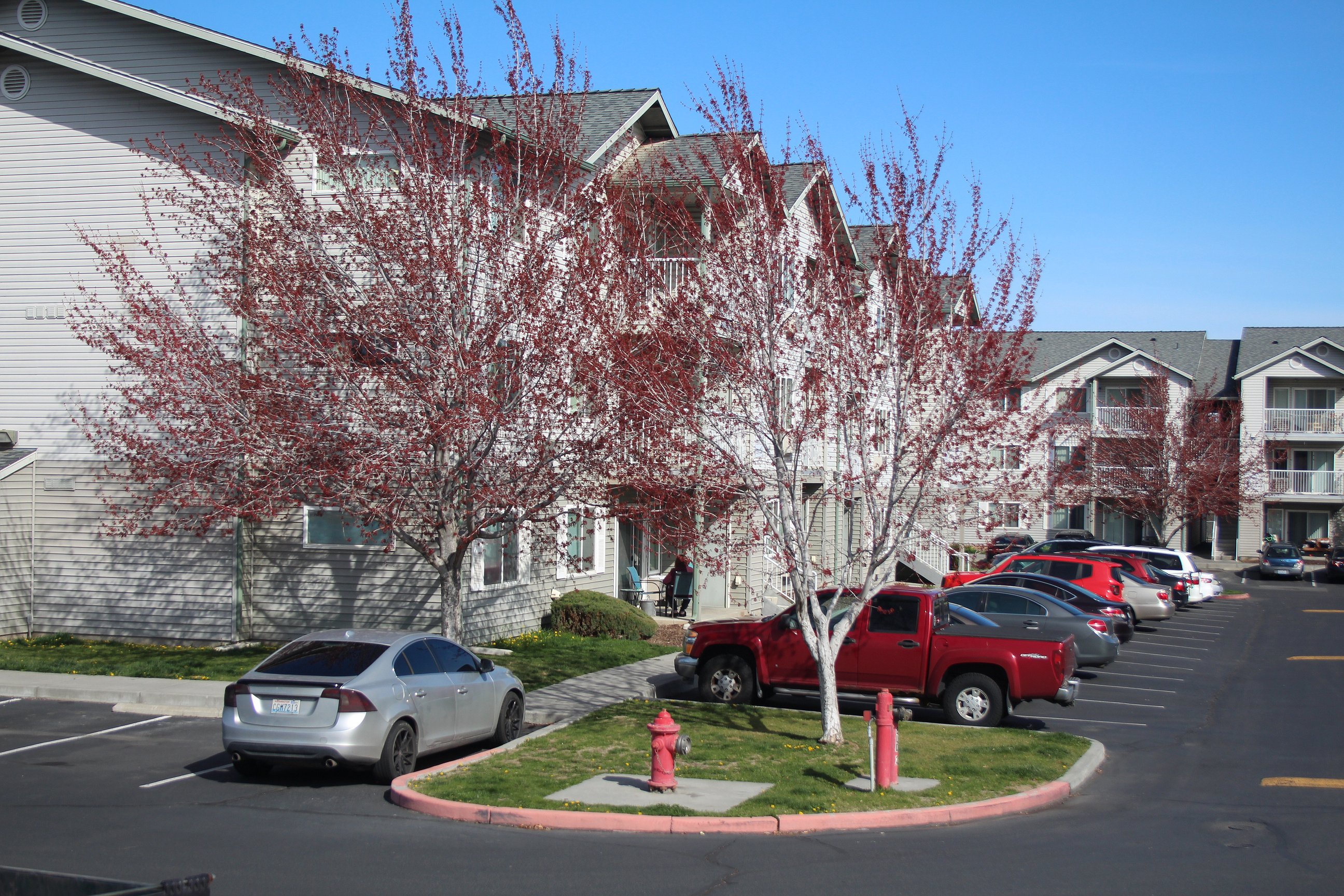 A cap on rent increases and late payment fees are among the provisions of HB 1217, currently under debate in the Washington Legislature.
ARTICLES BY JOEL MARTIN
Endless battle
Noxious Weed Control Board works to keep invasive plants under control
MOSES LAKE — Some of the nastiest plants in Grant County were the topic of a class led by Jay Johnson, a consultant with the Grant County Noxious Weed Control Board, Tuesday. The Noxious Weed Control Board, as its name would suggest, is tasked with keeping weeds under control in Grant County. That’s not a small job; the board’s website lists 129 species of noxious weeds that are found around Grant County. A noxious weed is defined as an invasive, non-native plant that threatens agricultural crops, local ecosystems or fish and wildlife habitat, according to the Noxious Weed Control Board. Washington state law requires that these weeds be identified and their spread kept to a minimum, if not completely eradicated. “We’re one of those agencies a lot of people don’t really understand,” Johnson said. “We’re a county office and … our funding is tax-based assessment. When you get your tax bill and you look down at all the expenses that you pay for, there we are.”

BASIN EVENTS: Oct. 16-24
COLUMBIA BASIN — Whether you feel like shopping, crafting, learning or seeing a show, there’s something happening for you this week in the Basin. Oct. 16 ‘My Family (Mi Familia)’ screening Spanning three generations, “My Family (Mi Familia)” is a heartfelt drama that follows the Sánchez family as they build their lives in East Los Angeles. Through love, hardship, triumph, and sacrifice, the film explores the immigrant experience, the strength of family bonds, and the traditions that connect one generation to the next. Lowrider show and taco truck before the screening. Sponsored by Columbia Basin Allied Arts, EDUBS C/S and the Moses Lake Creative District. $12 per person. Doors open at 6 p.m., film begins at 7 p.m. at the Moses Lake Civic Center Auditorium, 401 S. Balsam St. Tickets and info: www.cba-arts.org.

Moses Lake author encourages women to look beyond church culture norms
MOSES LAKE — A Moses Lake author’s book, “A Christian Woman Striving to Live Her Faith in a Man-Controlled World,” takes aim at the role to which many churches relegate the female half of their congregations. “It’s to encourage women in the faith,” Linda Curran said. “A lot of churches say, ‘Teach Sunday school, do this, do that, but don’t (evangelize.)’" In her book, Curran recounts a time when she moved to a new community and joined a church there. She was surprised to learn that, as a new female member, she had been automatically assigned church cleaning duties. When she questioned it, she wrote, she was met with condescension and her objections were brushed aside. In other churches, she said, women who were capable of teaching were relegated to “women’s ministry.”