
Keeping an eye on the Basin’s at-risk species
CALEB PEREZ | Hagadone News Network | UPDATED 1 year, 2 months AGO
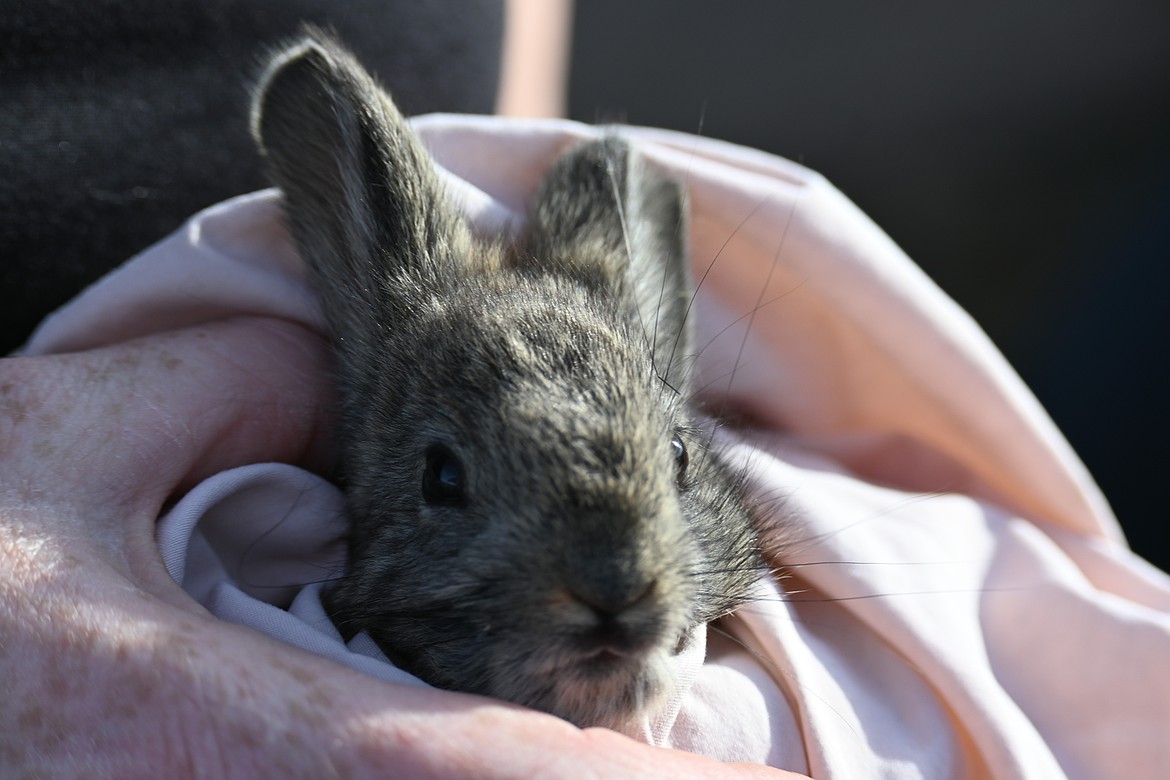
A pygmy rabbit being held by a member of the Washington Department of Fish and Wildlife. The Columbia Basin population of pygmy rabbits in Washington is extremely small and is designated as a Distinct Population Segment for protection under the U.S. Endangered species act according to the WDFW website.
COURTESY PHOTO/WDFW
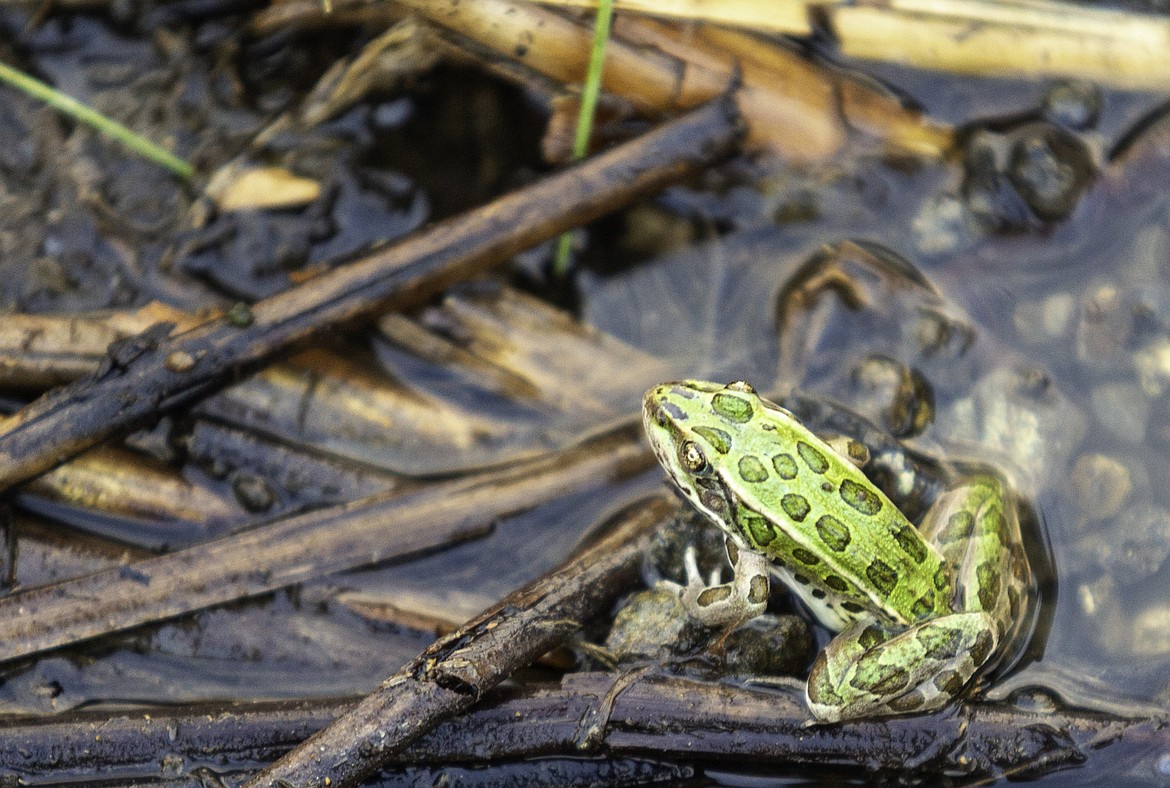
A northern leopard frog sits in a lake in Grant County. The Columbia Basin is the only remaining native population of the species according to the WDFW website.
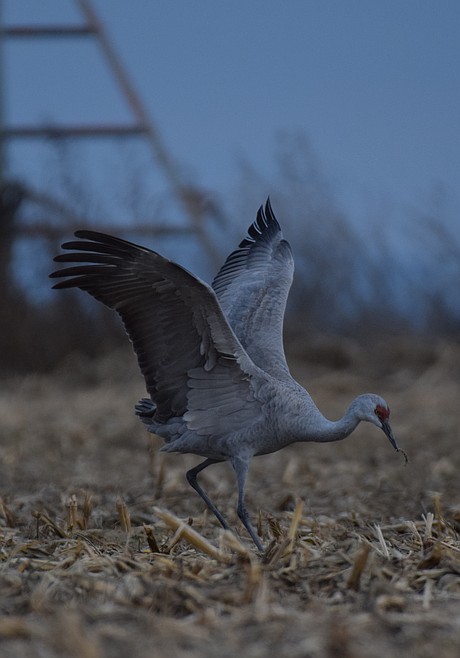
A photo of a sandhill crane in Connell was taken during the Sandhill Crane Festival earlier this year. According to the WDFW over 35,000 lesser sandhill cranes are a subspecies of sandhill crane. While the subspecies is not currently listed as endangered, it is a species of concern due to habitat reliance.
MOSES LAKE – A number of animal species in Washington State are listed as threatened or endangered on the state or federal levels, including species native to the Columbia Basin region, including Grant and Adams counties.
“We protect them on our state land,” said Nicole Jordan from Region 2 of the Washington Department of Fish and Wildlife. “There’s different categories, there’s endangered, protected and threatened, there’s protected and sensitive and there’s just protected in general.”
The endangered species within the Columbia Basin, which include the pygmy rabbit, spring chinook salmon, lesser sandhill crane, northern leopard frog and the ferruginous hawk, said Jordan. There are also several threatened species, including the Columbia sharp-tailed grouse, ground squirrels, bull trout and steelhead salmon as well as protected species such as bald and golden eagles.
“It’s a really huge topic and each of those species has conservation actions associated with their recovery,” she said.
WDFW has created a list on their website with each of the species on the list classified and includes species that are candidates to be in one of the three categories. According to their website, WDFW oversees both the listing and recovery of the species in danger of being lost in the state.
Jordan said some species are listed by the state and federally, such as the gray wolf, which provides both a state and federal conservation plan, and some, such as the grizzly bear, that are managed primarily at the federal level, with state coordination still developing.
There are a variety of factors that lead the animals to become a vulnerable species within an area, with each individual species having unique circumstances, she said.
“Pygmy rabbits, for example, are very sensitive to a lot of factors, and they only eat certain things, and their habitat is degraded, so they’re just driven to the point of being threatened,” said Jordan. “Whereas salmon, like spring chinook, there’s all kinds of factors, migrating to the ocean, ocean temperatures, fishing, hatchery fish outcompeting them. There are all kinds of factors.”
Staying aware of what factors can upset the natural habitats of native species is crucial to the survival of these organisms, she said.
“Wildfires are so impactful to a lot of habitats,” said Jordan. “For example, sharp-tailed grouse, they’re ground nesting and they’re very sensitive to wildfires and their habitat being disturbed.”
Jordan said sometimes the presence of humans in certain areas is enough to upset the natural order of certain species. To combat this, the state will manage areas to be off limits to people either during certain times of year or in general to separate sensitive animals from the disruption that can be caused by human interference.
For pygmy rabbits, Washington has created areas of land called transects where they block of an area of land to study the animals’ populations and how they are doing in the area. This information is then used to make decisions on restoration actions on the rest of the state-managed land, said Jordan.
“It’s really important for people to abide by rules even if it seems silly,” she said. “If you (go off trail) or if you disturb a certain area, you can really mess with very sensitive species and so it’s really important for people to be mindful of how they’re interacting with the outdoors when they’re recreating.”
Staying on trails, roads and designated areas is the best way for people to assist in the conservation efforts being enacted by the WDFW, as any slight disturbance can have a major impact on the ecology, said Jordan.
She said it’s also important when fishing to be knowledgeable about the species you’re catching and what the regulations and limits are for species, whether they are wild or hatchery fish.
“Knowing the rules around it and being mindful of that is really important,” said Jordan.
Jordan said it is important for people in the community to voice any concerns they have about certain wildlife in the area and getting that information to leaders who can effect change. WDFW has a commission and is open to public comment.
She also invites people to research the decisions made by the state for wildlife preservation and address any concerns about those decisions at the management level, rather than going out and breaking the rules.
“If people have concerns or just want their own voice heard, there’s definitely space for them to say that,” she said. “Engaging with the state’s public comment options is just really key, and if people don’t agree with certain things, to voice it.”
The full list of threatened and endangered species in Washington state can be found at wdfw.wa.gov under the species and habitats tab.
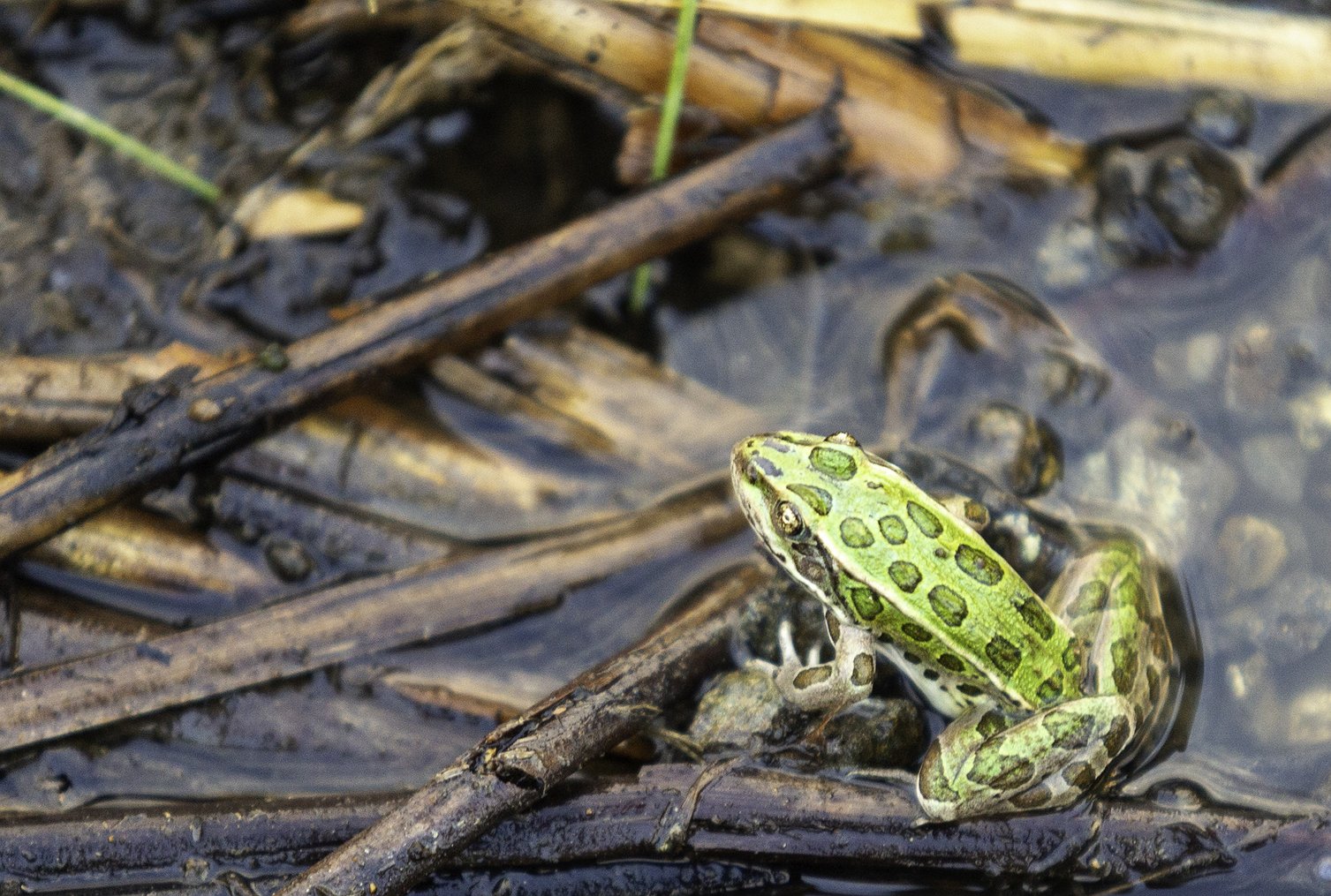 A northern leopard frog sits in a lake in Grant County. The Columbia Basin is the only remaining native population of the species according to the WDFW website.
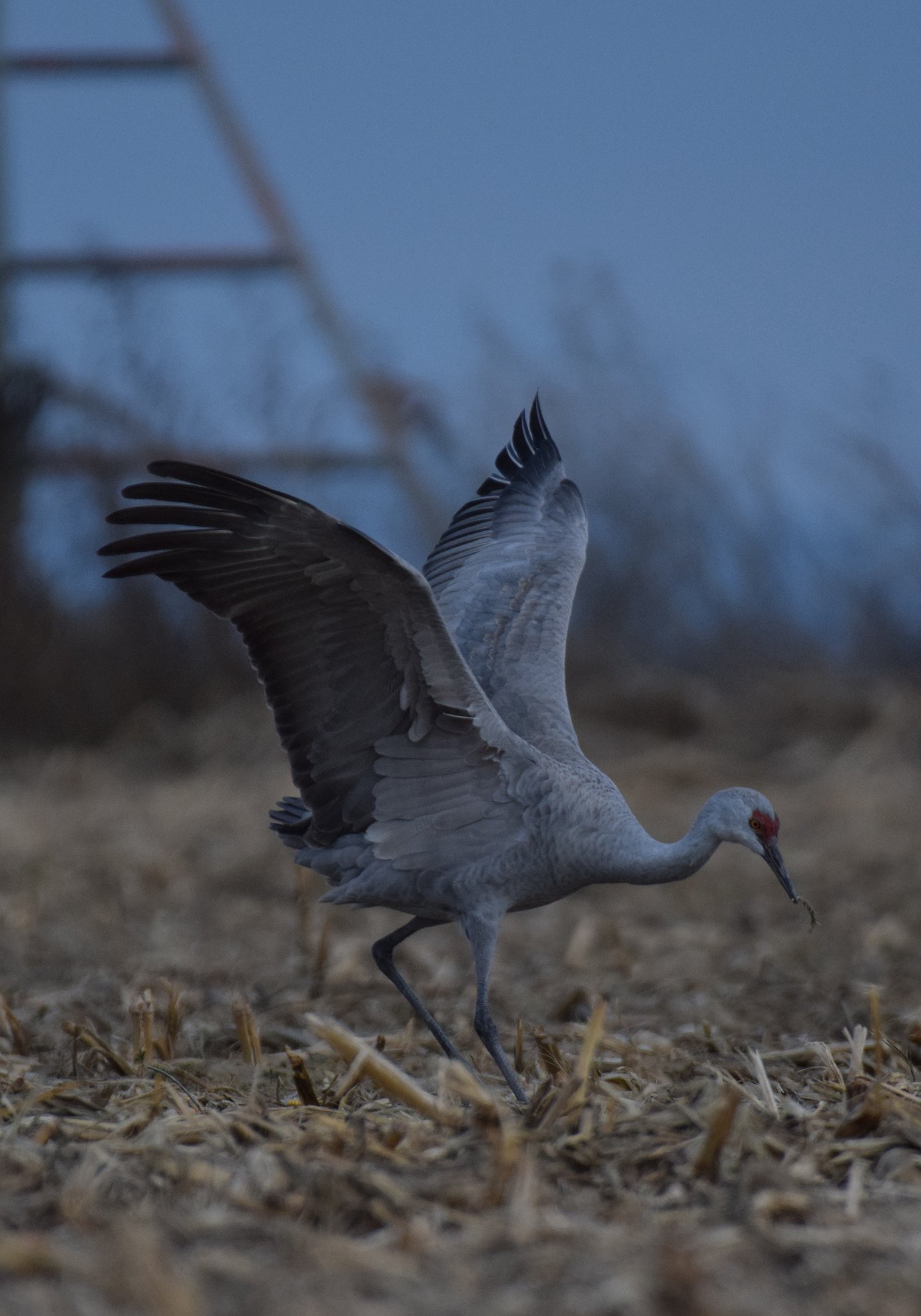 A photo of a sandhill crane in Connell was taken during the Sandhill Crane Festival earlier this year. According to the WDFW over 35,000 lesser sandhill cranes are a subspecies of sandhill crane. While the subspecies is not currently listed as endangered, it is a species of concern due to habitat reliance.
ARTICLES BY CALEB PEREZ

WA COLLEGE SPORTS SCHEDULE: Oct. 15-22, 2026
MOSES LAKE — The college sports world continues to be hot with competition deep in the month of October. See where your favorite teams are heading this week.

Tigers pull off OT victory over Huskies
OTHELLO — The Ephrata Tigers (4-7-2) earned a competitive 3-2 overtime victory on the road against the Othello Huskies (5-6) Tuesday evening. Both teams are now looking to close out the regular season on high notes. “Great game, we had a tough first half trying to match them, they’re so fast up top and they have some really great through balls,” said Tigers Head Coach Gary Keplec. “We had trouble matching that and then we mixed things up in the second half, brought girls in and put girls in different places. We went back out and we challenged them.” The first half was strongly in favor of the Huskies. Othello held control of the ball for much of the time, putting pressure on Tigers goalkeeper junior Aiyana Valle, who made multiple key stops.

Vikings earn road victory over Wenatchee Friday
WENATCHEE — The Big Bend Community College Vikings (5-8) gained a competitive road win over the Wenatchee Valley College Knights (3-17). Both teams were looking to come back from losses, and the Vikings got back in the win column 3-0. “It was very exciting,” said Vikings Head Coach Lindsey Linthicum. “Our girls just came in with a fire in their belly, ready to compete and ready to take on Wenatchee.” The first set showed BBCC’s strength as they had nine total kills. While Wenatchee Valley battled hard, the Vikings gained a 25-20 victory to start the match.