
SNAP cuts create “big gap” in food assistance
EMILY MESSER | Hagadone News Network | UPDATED 7 months AGO
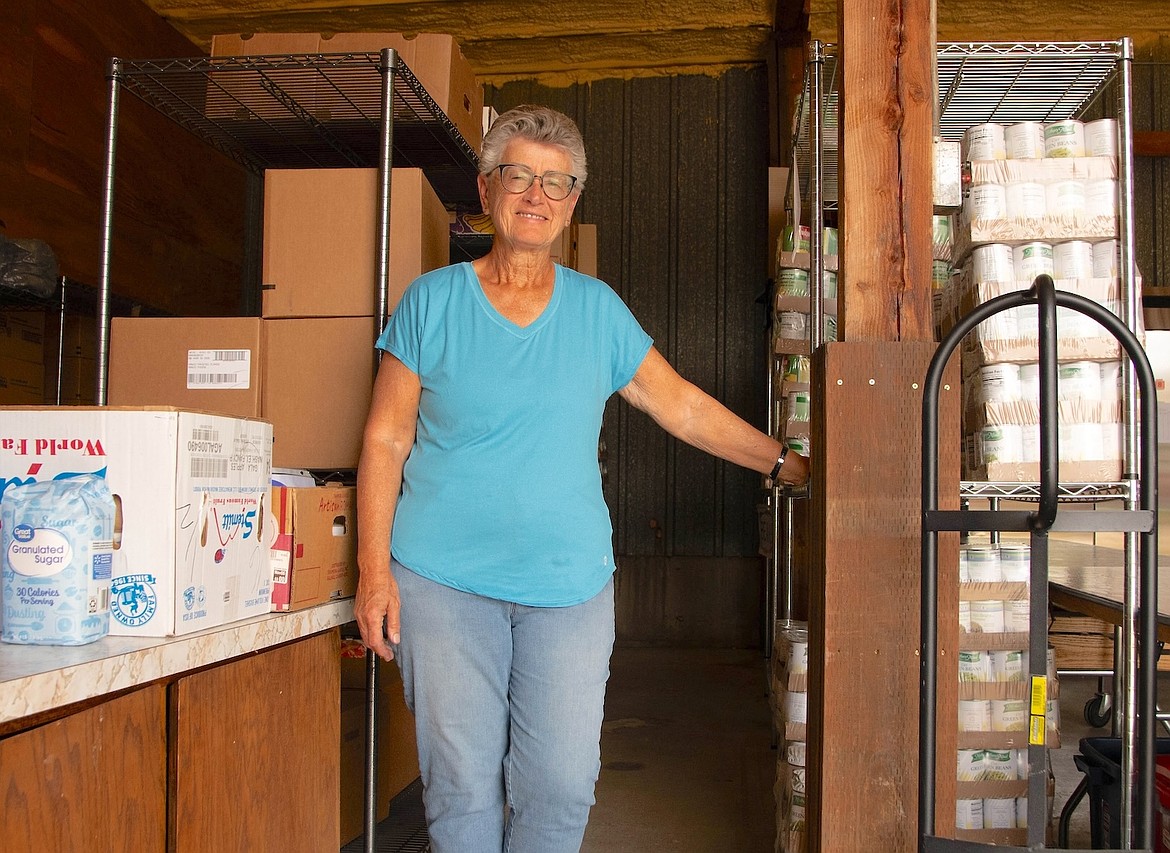
Leah Emerson, the chairman of the Bread Basket, poses July 31 in the warehouse of Ronan's food bank.(Emily Messer/Leader)
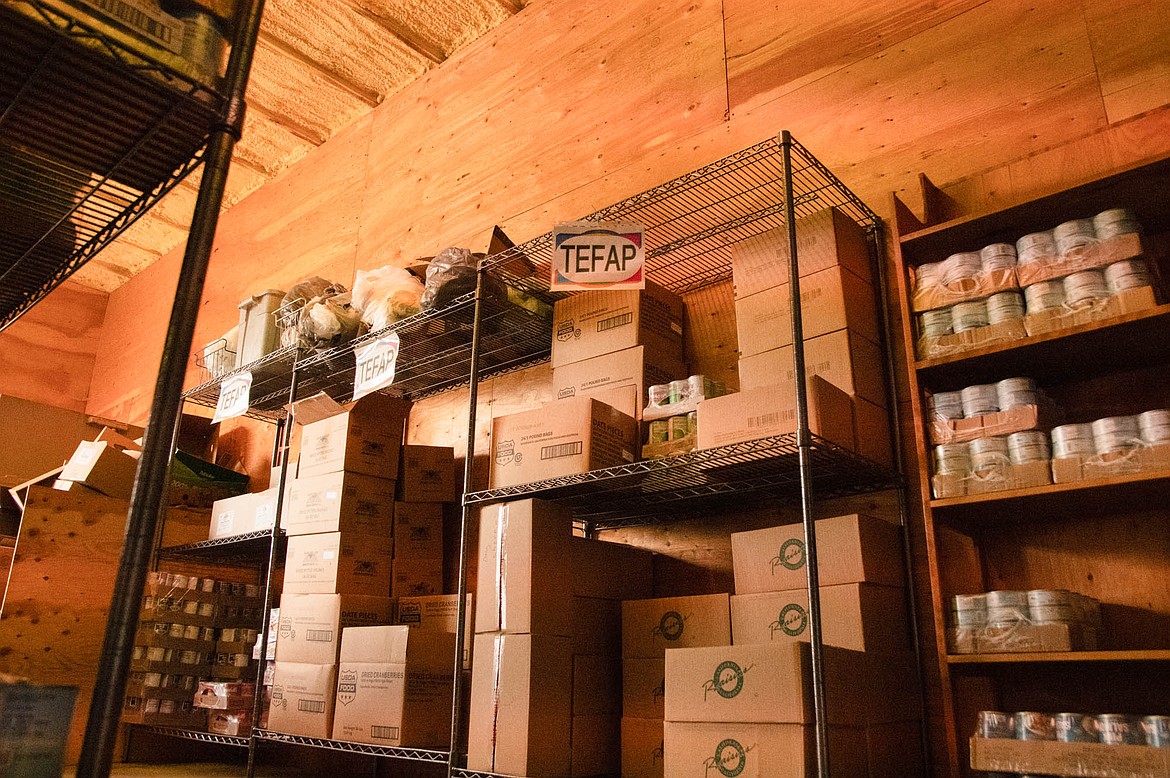
A shelf in the Bread Basket holds the The Emergency Food Assistance Program food which is provided to food pantries for free. (Emily Messer/Leader)
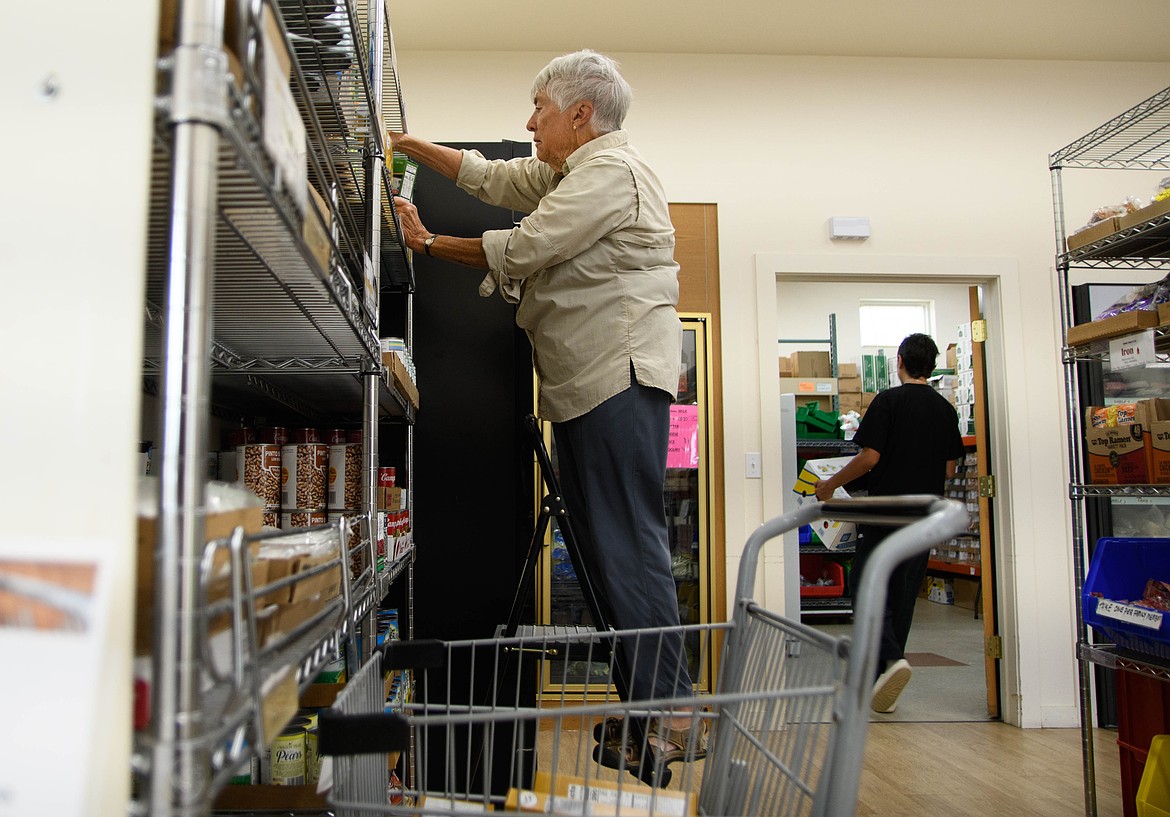
Linda Greenwood, a volunteer at the Polson Loaves & Fish Pantry, stocks shelves on Aug 4.(Emily Messer/Leader)
Emily Messer joined the Lake County Leader in July of 2025 after earning a B.A. degree in Journalism from the University of Montana. Emily grew up on a farm in the rolling hills of southeast Missouri and enjoys covering agriculture and conservation. She's lived in Montana since 2022 and honed her reporter craft with the UM J-School newspaper and internships with the RMEF Bugle Magazine and the Missoulian. At the Leader she covers the St. Ignatius Town Council, Polson City Commission and a variety of business, lifestyle and school news. Contact Emily Messer at [email protected] or 406.883.4343 | August 7, 2025 12:00 AM
The Montana Food Bank Network reports 12,000 Montanans at "immediate risk” for losing Supplemental Nutrition Assistance Program eligibility after the U.S. House passed its reconciliation bill on July 4.
Administrators at the Polson Loaves & Fish Pantry and the Ronan Bread Basket report already seeing increased numbers of people since the beginning of this year and are worried about future impacts as people lose SNAP benefits. In Lake County, almost 17% of households receive SNAP benefits according to the Food Research and Action Center, a national organization that charts participation in federal nutrition programs.
“To some degree it remains to be seen, but the logical conclusion would be that people who have depended on (SNAP) in the past are going to have to find another source and the community food banks are the other source,” Leah Emerson, the chairman of Ronan Bread Basket, said.
The Polson pantry is already serving about 350 families and Mary Martin, the operational manager, said the SNAP cuts are “going to hit us.” While the Polson pantry hasn’t seen an increase yet, Emerson in Ronan said she has seen their numbers jump back to 100 families. Around COVID-19 Emerson said their numbers reached 100 but had decreased over the last few years.
“It's not going to affect us well because the more people that are on the edge are going to have to be coming to us,” Martin said. “Some people have gotten enough to help through the SNAP program and with cutting it, it's just going to put them over the edge. So, we expect a growth in our numbers.”
The Center on Budget and Policy stated this was the “deepest SNAP cut in history” and changes policy and eligibility. The bill will reportedly cut federal nutrition spending by $186 billion over 10 years according to the Congressional Budget Office, which will require Montana to pay more for SNAP benefits. The bill also changes the work requirements to include adults from the ages 55 to 64 and caregivers of children who are 14 or older.
But this isn’t the only impact that the pantries have seen this year. In March the USDA cancelled $500 million worth of food that had been planned for food banks through a program called The Emergency Food Assistance Program (TEFAP).
Based on the financial resources of the people they served in July, the Polson Pantry was able to receive 182 items through TEFAP. This includes things like mixed fruit, various meats and soups. While TEFAP has not been entirely cut, Emerson said the Montana Food Bank Network has been warning them it might go away.
“It's one of the few things that we actually get for free,” Emerson said.
Emerson explained that food pantries buy a lot of their food from the grocery store or can buy wholesale from the Montana Food Bank Network. The Polson pantry is a part of the Network Partnership which has a six-week order and delivery system. Last week the Polson pantry received a $15,000 delivery, which they paid for themselves.
“There's a big misconception in many communities that food banks operate all on donated food, which is so far from the truth,” Emerson said. “We spend thousands and thousands and thousands of dollars every month on food.”
The pantries operate off grants and financial donations, but Emerson explained that it is difficult to find a grant that will allow a pantry to just buy food. Emerson said they really depend on community giving for both food and financial donations.
“So ultimately, we're just going to have to be doing a lot more with a lot less. For every meal a food pantry provides, SNAP delivers nine,” Kira Condon, the advocacy specialist at Montana Food Bank Network said. “SNAP is combating hunger and food pantries are really here to fill a small gap, and we can't fill a gap that big.”
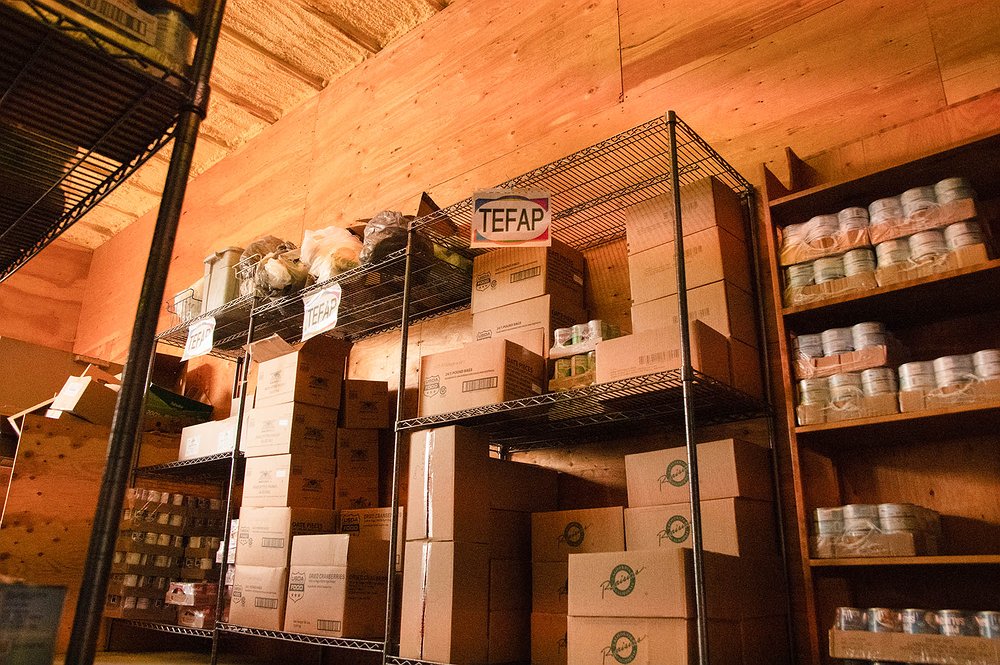 A shelf in the Bread Basket holds the The Emergency Food Assistance Program food which is provided to food pantries for free. (Emily Messer/Leader)
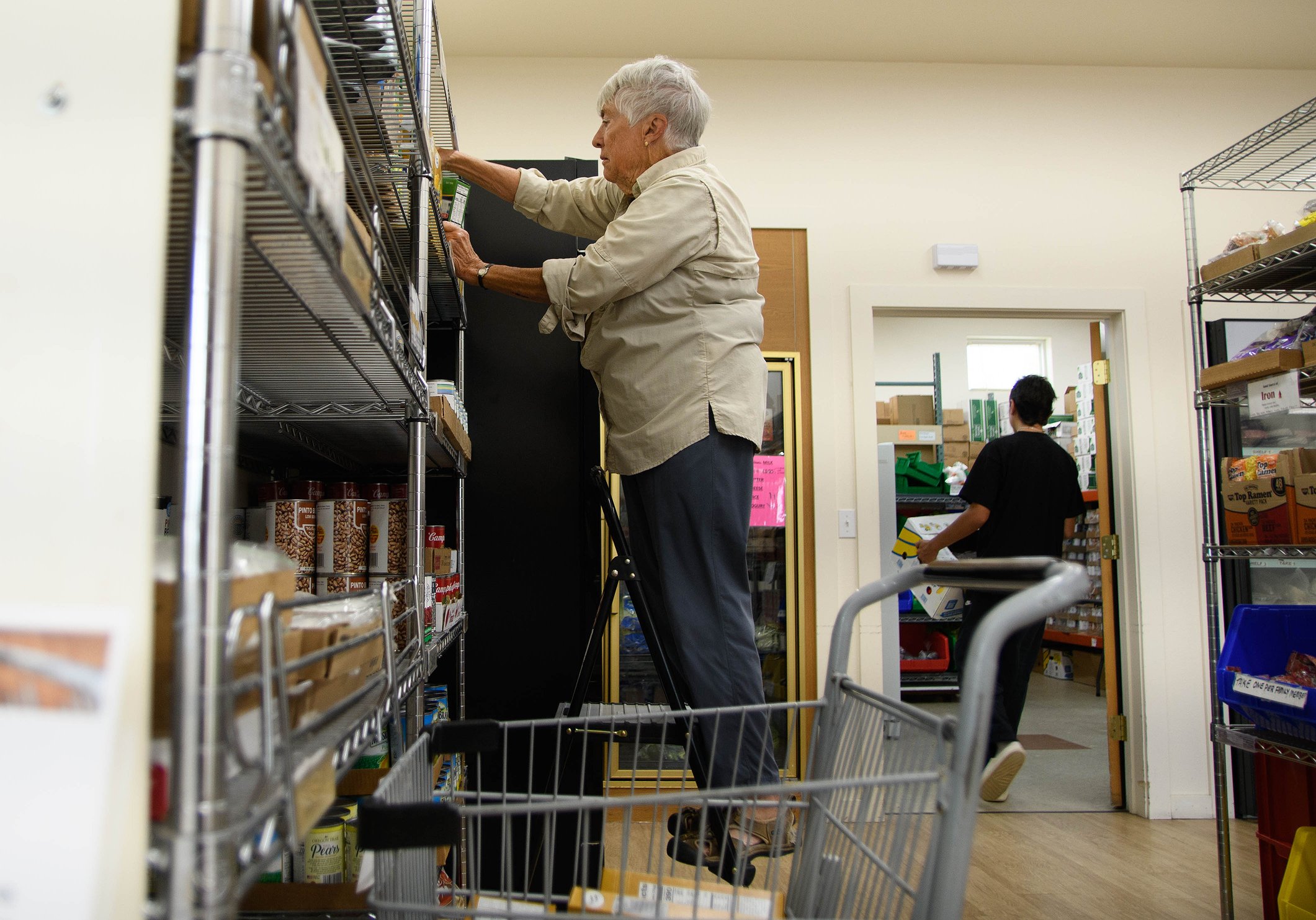 Linda Greenwood, a volunteer at the Polson Loaves & Fish Pantry, stocks shelves on Aug 4. (Emily Messer/Leader)
ARTICLES BY EMILY MESSER

Polson commissioners hear plan for reducing E. coli in Flathead Lake
Representatives from the Flathead Lakers and the Polson Bay Golf Course presented a plan to the Polson City Commission last Wednesday to reduce stormwater runoff, which had caused increased levels of E. coli in Flathead Lake near Boettcher Park.
City Commission finalizes Salt Cafe grant, hears from market vendors
The Polson City Commission council chambers were full of support Monday night for Andrew Perkins, owner of Salt Cafe, who has been awaiting funding from the Tax Increment Finance District grant he received nearly three years ago.

Foundation established for Polson Police
A non-profit called the Polson Police Foundation was launched at the end of 2025 to support the department by contributing to training, officer wellness, critical equipment and community initiatives.