
Invasive weeds threaten Columbia Basin ecosystems
CALEB PEREZ | Hagadone News Network | UPDATED 1 year, 2 months AGO

Yellow Starthistle is a weed recently added to the watchlist by the Grant County Weed board. The weed was first listed by the state in 1988 and is toxic to livestock with horses being the most effected.
COURTESY PHOTO/WASHINGTON STATE NOXIOUS WEED CONTROL BOARD
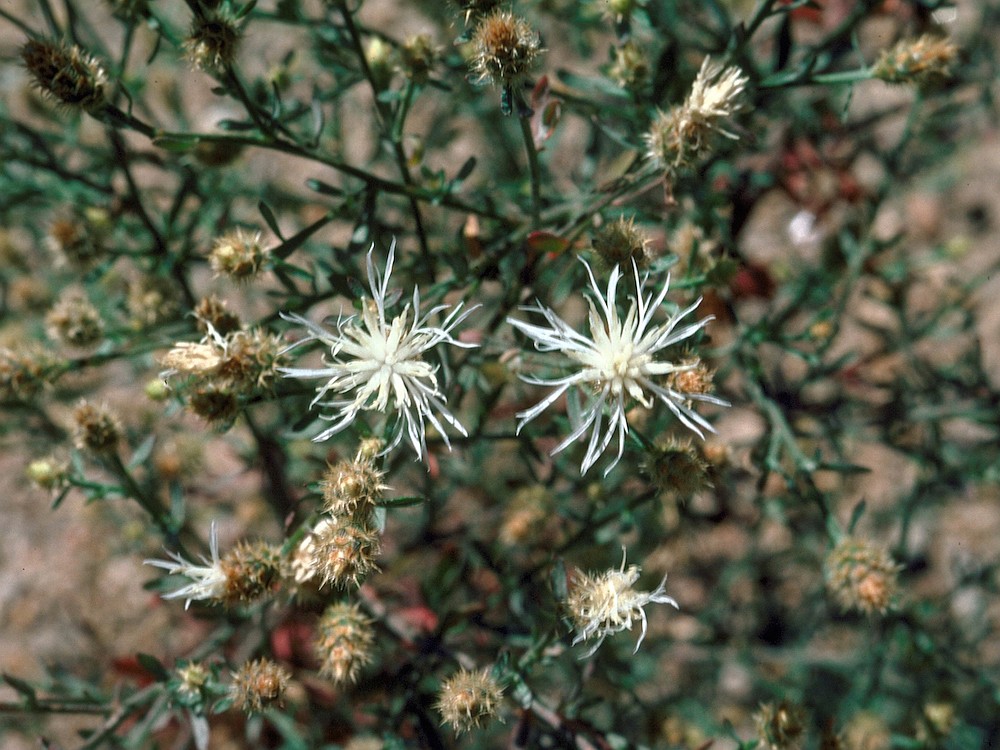
Diffuse Knapweed is one of the many Knapweed species that are invasive to the Columbia Basin area. The plant was first discovered in Grant County in 1988 and is classified as a Class B weed.
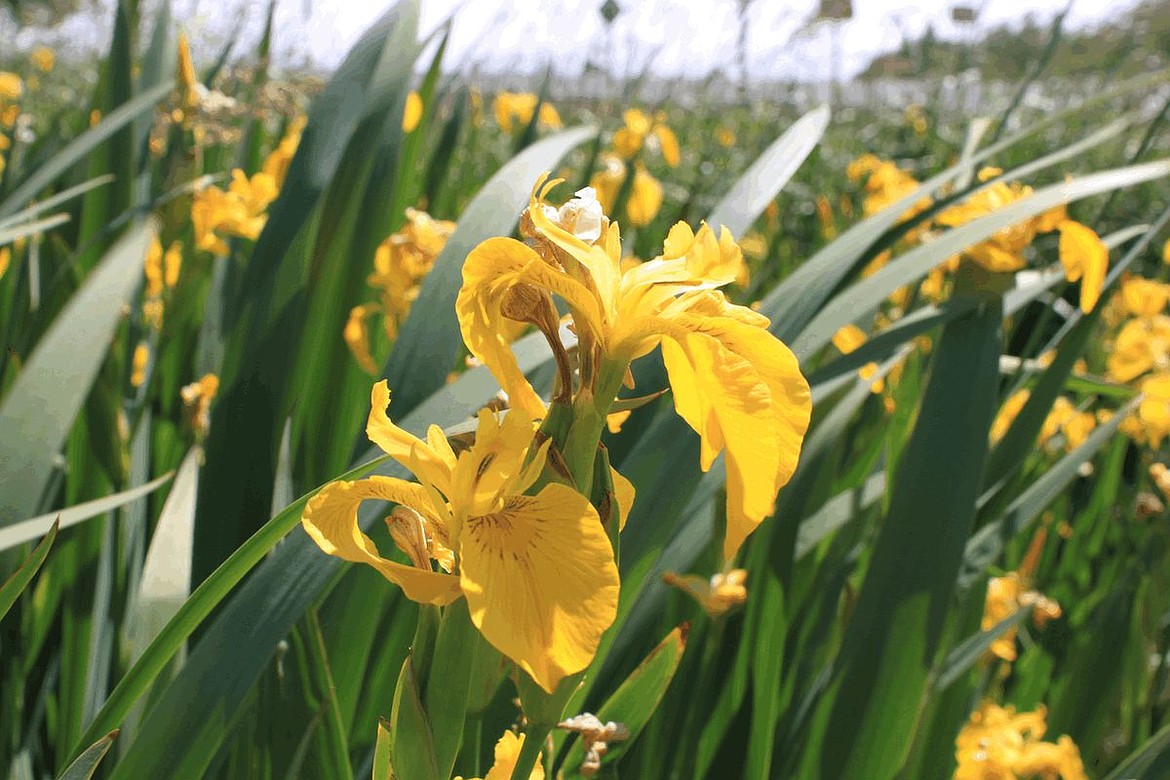
Yellow Flag Iris is a Class C Noxious Weed that was native to Europe and listed in Grant County in 2002. The weed is considered toxic to both humans and livestock and has been a problem in many states and other countries according to the Washington State Noxious Weed Control Board website.
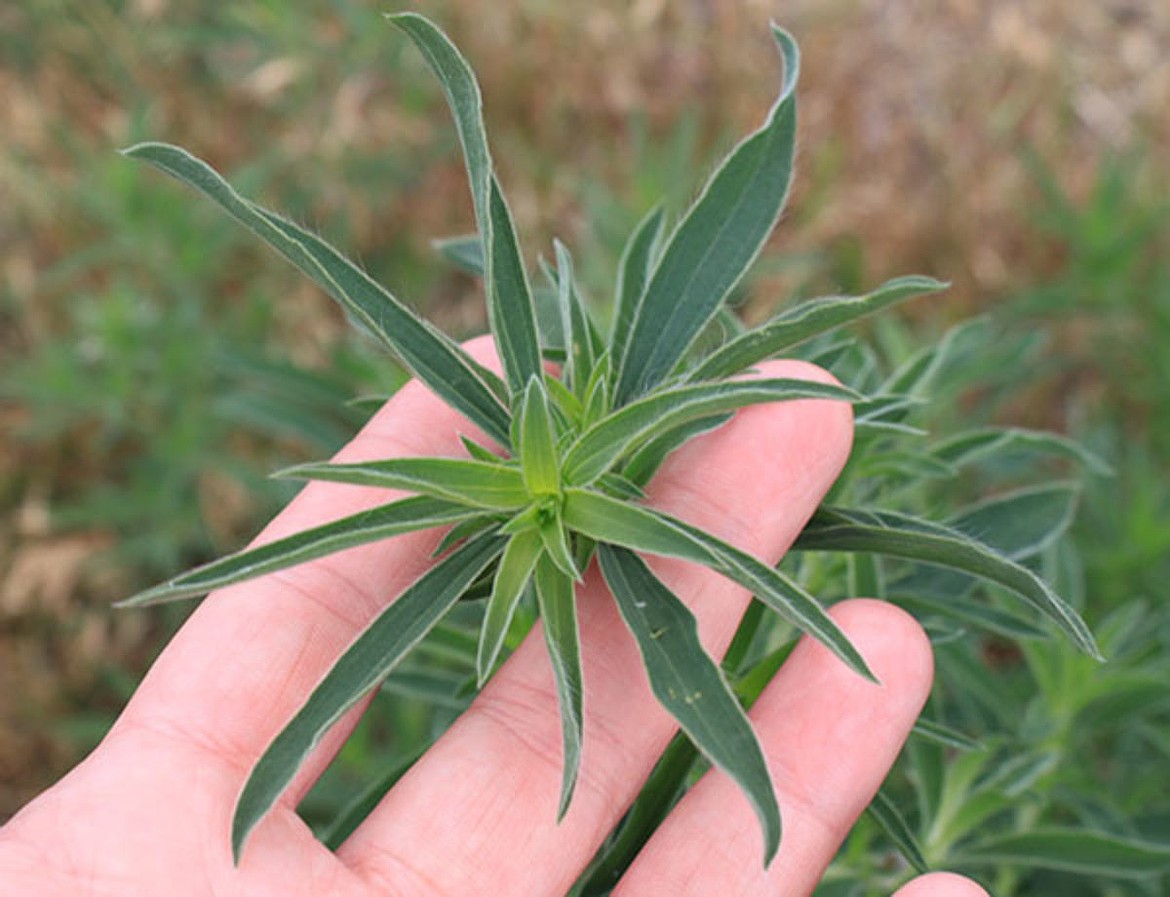
Kochia also known as burning bush, Mexican firebrush and mock cypress, is a Class B weed that was listed in Washington state in 1988. This plant is toxic to livestock and native to Europe and Asia.
MOSES LAKE – The Columbia Basin has become home to a variety of invasive plant species, with the most notorious being noxious weeds.
“Weeds are a big issue,” said Nicole Jordan from the Washington Department of Fish and Wildlife (WDFW). “Letting them go out of control can destroy a lot of habitat for other things.”
Noxious weeds are classified by the Grant County Weed Board as invasive, non-native plants that threaten agricultural crops, local ecosystems or fish and wildlife habitats. The weeds are placed into three different classifications. Class A are non-native species with a limited distribution in Grant County and Washington state, Class B are presently limited to portions of Grant County, and Class C, which are widespread in the county with longterm programs of suppression and control expected.
“They just outcompete native species quickly,” said Jordan.
The GCWB lists each of the invasive species that can be found in the area. Dinah Rouleau, Conservation Director at GCWB, said some of the top plants that have spread throughout the area are Russian Olive, Bull and Canada Thistle, Yellow Flag Iris, Common Reed, Knapweeds and Kochia.
Two other prominent species that Rouleau said are widespread are the Russian Thistle or tumbleweeds and Cheat Grass which is the grass whose seeds latch onto clothing. She said these two plants are great at spreading their seed everywhere and do well in drought environments such as the Columbia Basin.
GCWB has also added two new weeds to the watchlist with Annual Bugloss and Yellow Starthistle. Medusahead and Tree-Of-Heaven are two species that have also been added to the list as recommended for control.
The conditions of the area allow for the noxious weeds that are hardier with roots that go deeper to access water that native plants can’t, said Jordan.
“That’s a big thing, especially in our area, there’s limited water sources,” she said. “A lot of the weeds, their roots go deeper, they’re more resistant to fire sometimes. Cheat Grass will take over and it’s so resilient. It just keeps seeding, and very few things eat cheatgrass, so it just gets out of control quickly and will outcompete all kinds of native grasses.”
Each weed has been brought to the area for a variety of reasons, said Jordan.
“Sometimes people will plant certain things in their garden that are not native, and then those seeds are transplanted; and before you know it there’s a neighborhood full of something that’s not native and it outcompetes other things,” she said.
Jordan said the presence of noxious weeds not only harms native plants but will in turn harm native animal species in the area as habitats are changed and food sources diminish.
“If weeds get out of control, then forage goes away for pygmy rabbits, for example, or deer in the winter,” she said. “When things get kind of out of control, then they outcompete other plant species that are essential for the survival, sometimes of a very sensitive species.”
According to Jordan, the people living around the area should be aware of what plants to look out for in the effort to eliminate these noxious weeds. Once people know what the invasive species are, they can report their presence to the Noxious Weed Control Board.
Rouleau said the best method in combating the spread of noxious weed is to eradicate the plants before they go to seed. She also said to plant natives and give those plants a leg up until they have the chance to outcompete the weeds.
“Most weeds are annual which means they grow faster and go to seed faster,” said Rouleau. “Our perennial natives will overall last longer but grow a bit slower.”
A full list of invasive plant species found in Grant County can be found at grantcountyweedboard.org and information for Adams County can be found on co.adams.wa.us under the Weed Control Board tab.
 Diffuse Knapweed is one of the many Knapweed species that are invasive to the Columbia Basin area. The plant was first discovered in Grant County in 1988 and is classified as a Class B weed.
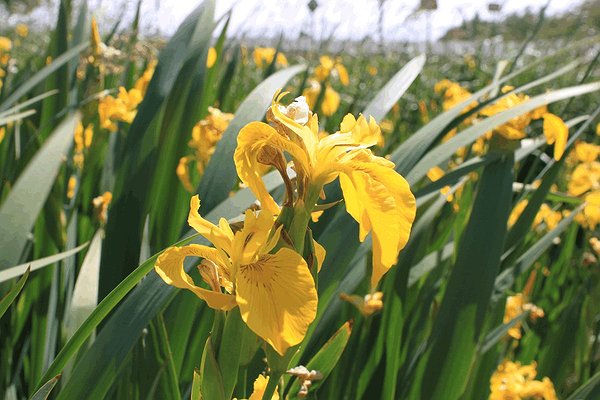 Yellow Flag Iris is a Class C Noxious Weed that was native to Europe and listed in Grant County in 2002. The weed is considered toxic to both humans and livestock and has been a problem in many states and other countries according to the Washington State Noxious Weed Control Board website.
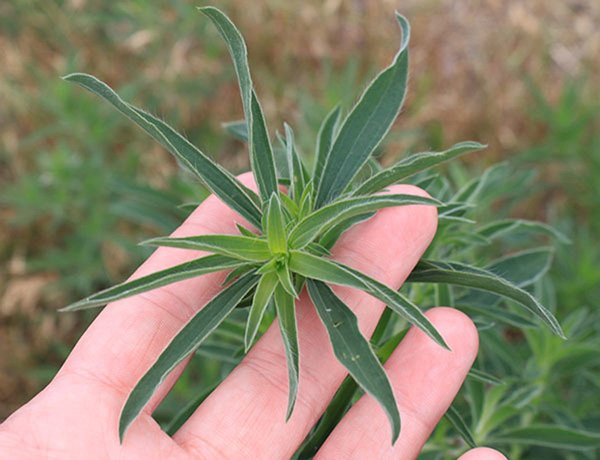 Kochia also known as burning bush, Mexican firebrush and mock cypress, is a Class B weed that was listed in Washington state in 1988. This plant is toxic to livestock and native to Europe and Asia.
ARTICLES BY CALEB PEREZ

WA COLLEGE SPORTS SCHEDULE: Oct. 15-22, 2026
MOSES LAKE — The college sports world continues to be hot with competition deep in the month of October. See where your favorite teams are heading this week.

Tigers pull off OT victory over Huskies
OTHELLO — The Ephrata Tigers (4-7-2) earned a competitive 3-2 overtime victory on the road against the Othello Huskies (5-6) Tuesday evening. Both teams are now looking to close out the regular season on high notes. “Great game, we had a tough first half trying to match them, they’re so fast up top and they have some really great through balls,” said Tigers Head Coach Gary Keplec. “We had trouble matching that and then we mixed things up in the second half, brought girls in and put girls in different places. We went back out and we challenged them.” The first half was strongly in favor of the Huskies. Othello held control of the ball for much of the time, putting pressure on Tigers goalkeeper junior Aiyana Valle, who made multiple key stops.

Vikings earn road victory over Wenatchee Friday
WENATCHEE — The Big Bend Community College Vikings (5-8) gained a competitive road win over the Wenatchee Valley College Knights (3-17). Both teams were looking to come back from losses, and the Vikings got back in the win column 3-0. “It was very exciting,” said Vikings Head Coach Lindsey Linthicum. “Our girls just came in with a fire in their belly, ready to compete and ready to take on Wenatchee.” The first set showed BBCC’s strength as they had nine total kills. While Wenatchee Valley battled hard, the Vikings gained a 25-20 victory to start the match.