
Hanford Reach turns 25
JOEL MARTIN | Hagadone News Network | UPDATED 1 year, 2 months AGO
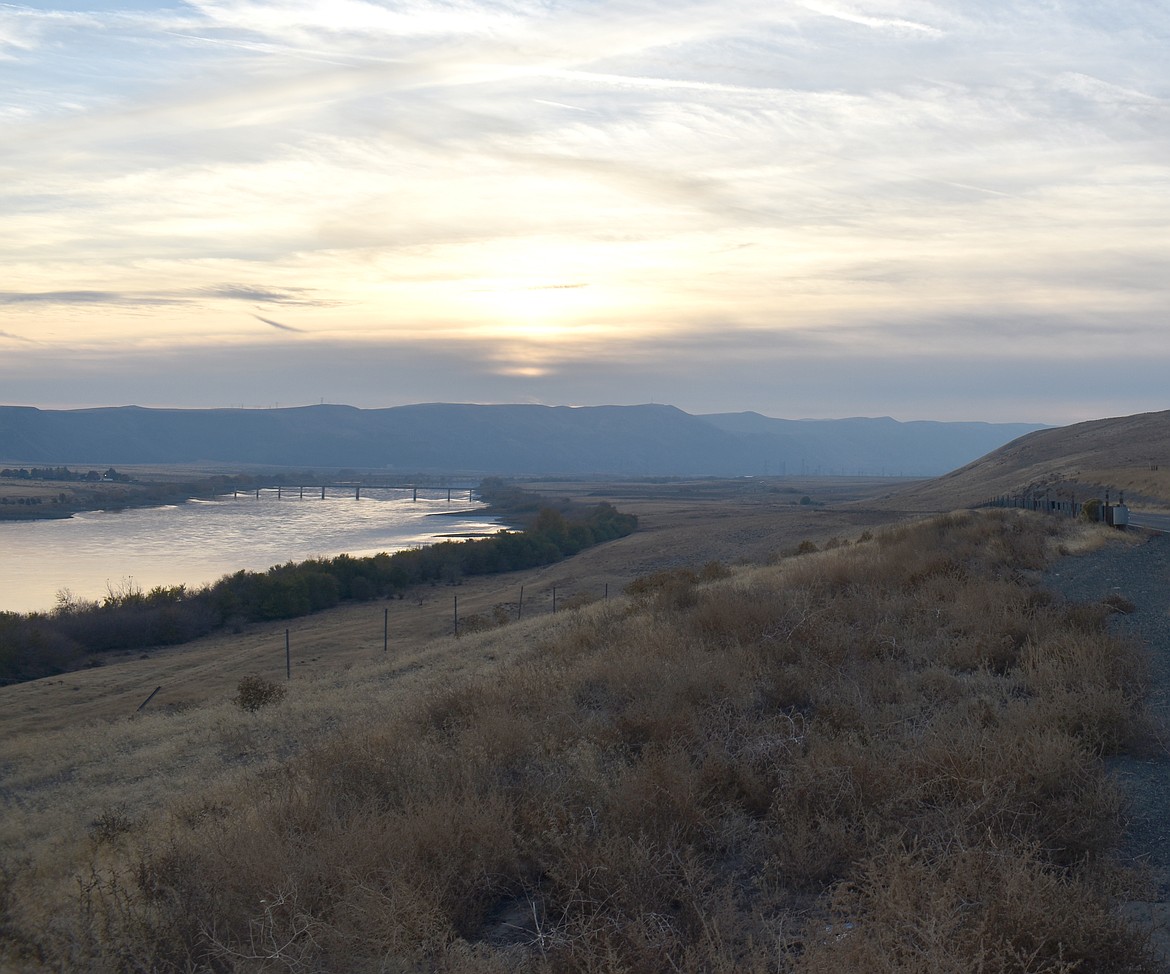
The 196,000-acre Hanford Reach National Monument marked its 25th anniversary Wednesday.
FILE PHOTO
Joel Martin has been with the Columbia Basin Herald for more than 25 years in a variety of roles and is the most-tenured employee in the building. Martin is a married father of eight and enjoys spending time with his children and his wife, Christina. He is passionate about the paper’s mission of informing the people of the Columbia Basin because he knows it is important to record the history of the communities the publication serves. | August 12, 2025 1:10 AM
RICHLAND — Sen. Patty Murray visited the Hanford Reach on Wednesday to mark the 25th anniversary of the Reach’s designation as a national monument.
“Even though a lot has changed over the last 25 years, still one thing that hasn’t changed,” she said. “The Hanford Reach. And that’s a testament, not just to the huge victory we won that day, but also to the hard work that this community has done every year since to continue preserving and protecting the Hanford Reach.”
The Hanford Reach comprises 196,000 acres along last free-flowing stretch of the Columbia River. The reach was designated a national monument in 2000 under President Bill Clinton. Wednesday’s ceremonies were organized by the Hanford Reach Citizens Committee and took place at the REACH museum in Richland.
Murray has a family history with the Hanford region, she said.
“My own heritage is here,” Murray said. “My grandfather came to this region back in the early 1900s and my dad grew up here. I remember talking about that with (the late conservationist) Rich Steele, on my first boat trip up the Reach, and about how unique this place is, with so much history and nature all packed in one scenic river. It’s a place where, as historian Richard White once noted, abundant wildlife thrives ‘in the shadows of the reactors and processing plants.’ Not to mention the significant Tribal history as well.”
The Hanford Reach National Monument harbors ecosystems increasingly rare throughout the American West and is home to habitats including riparian corridors, riverine expanses, and upland shrub-steppe, according to a statement from Murray’s office. It supports an extraordinary array of life: 44 species of fish including threatened and endangered salmon and trout, 40 mammals, 246 birds, four amphibians, nine reptiles and more than 1,600 invertebrates. Sagebrush-dependent species like the burrowing owl, sage sparrow, loggerhead shrike, ferruginous hawk, black-tailed jackrabbit, and sagebrush lizard find refuge here, while the expanse of native plant communities — unmatched elsewhere in the Columbia Basin — includes rare species like Umtanum desert buckwheat and White Bluffs bladderpod, found nowhere else on earth.
“The Hanford Reach’s more than a dozen culturally and ecologically significant islands, along with the largest fall Chinook salmon spawning area in the Pacific Northwest, underscore the region’s vital importance to both nature and people,” Murray’s office wrote. “Indigenous communities have called this area home since time immemorial, and their connection to the land continues to shape conservation efforts.”
The Wanapum, Yakama Nation, Confederated Tribes of the Colville, Confederated Tribes of the Umatilla Reservation, and Nez Perce Indigenous peoples fished and hunted in the lands around the Reach from time immemorial, according to the Washington state history site HistoryLink. European settlement in that area was sparse and sporadic until World War II, when the area was evacuated to make room for the Manhattan Project, which built the atomic bombs that ended the war. The dams that were built on the river in the postwar decades stopped the free flow of the river, except for the 51 miles between Priest Rapids and McNary dams.
“The heart of what makes this place special has been protected,” Murray said. “It still offers dramatic views and clear waters. It still inspires awe and invites reflection. You can still hear the splashing of salmon and steelhead, you can still hear the songs of birds. You can still see an eagle spread its wings or a blue heron standing watch over the water … For 51 glorious miles, the Columbia River still flows free, and wild.”
ARTICLES BY JOEL MARTIN

Endless battle
Noxious Weed Control Board works to keep invasive plants under control
MOSES LAKE — Some of the nastiest plants in Grant County were the topic of a class led by Jay Johnson, a consultant with the Grant County Noxious Weed Control Board, Tuesday. The Noxious Weed Control Board, as its name would suggest, is tasked with keeping weeds under control in Grant County. That’s not a small job; the board’s website lists 129 species of noxious weeds that are found around Grant County. A noxious weed is defined as an invasive, non-native plant that threatens agricultural crops, local ecosystems or fish and wildlife habitat, according to the Noxious Weed Control Board. Washington state law requires that these weeds be identified and their spread kept to a minimum, if not completely eradicated. “We’re one of those agencies a lot of people don’t really understand,” Johnson said. “We’re a county office and … our funding is tax-based assessment. When you get your tax bill and you look down at all the expenses that you pay for, there we are.”

BASIN EVENTS: Oct. 16-24
COLUMBIA BASIN — Whether you feel like shopping, crafting, learning or seeing a show, there’s something happening for you this week in the Basin. Oct. 16 ‘My Family (Mi Familia)’ screening Spanning three generations, “My Family (Mi Familia)” is a heartfelt drama that follows the Sánchez family as they build their lives in East Los Angeles. Through love, hardship, triumph, and sacrifice, the film explores the immigrant experience, the strength of family bonds, and the traditions that connect one generation to the next. Lowrider show and taco truck before the screening. Sponsored by Columbia Basin Allied Arts, EDUBS C/S and the Moses Lake Creative District. $12 per person. Doors open at 6 p.m., film begins at 7 p.m. at the Moses Lake Civic Center Auditorium, 401 S. Balsam St. Tickets and info: www.cba-arts.org.

Moses Lake author encourages women to look beyond church culture norms
MOSES LAKE — A Moses Lake author’s book, “A Christian Woman Striving to Live Her Faith in a Man-Controlled World,” takes aim at the role to which many churches relegate the female half of their congregations. “It’s to encourage women in the faith,” Linda Curran said. “A lot of churches say, ‘Teach Sunday school, do this, do that, but don’t (evangelize.)’" In her book, Curran recounts a time when she moved to a new community and joined a church there. She was surprised to learn that, as a new female member, she had been automatically assigned church cleaning duties. When she questioned it, she wrote, she was met with condescension and her objections were brushed aside. In other churches, she said, women who were capable of teaching were relegated to “women’s ministry.”