
Invasive animals pose risks to the Basin
CALEB PEREZ | Hagadone News Network | UPDATED 7 months, 2 weeks AGO
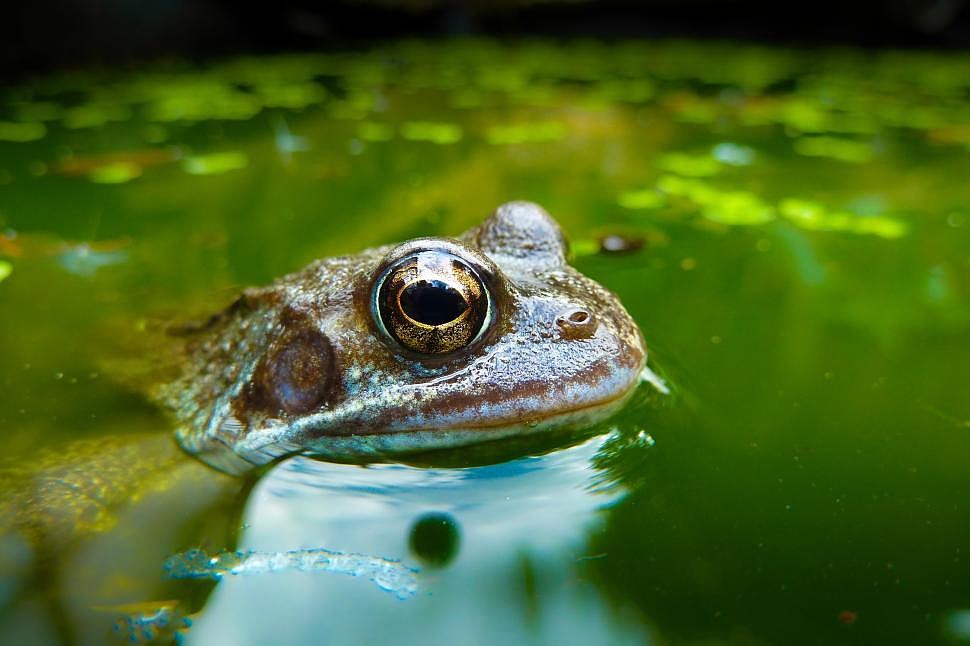
One of the many invasive species that have entered the Columbia Basin is the bullfrog. This species has entered the area through aquariums, pet trades and possibly after science classes and released into the wild and will eat practically anything they can catch including other amphibians that might be endangered in the area.
COURTESY PHOTO/WASHINGTON INVASIVE SPECIES COUNCIL
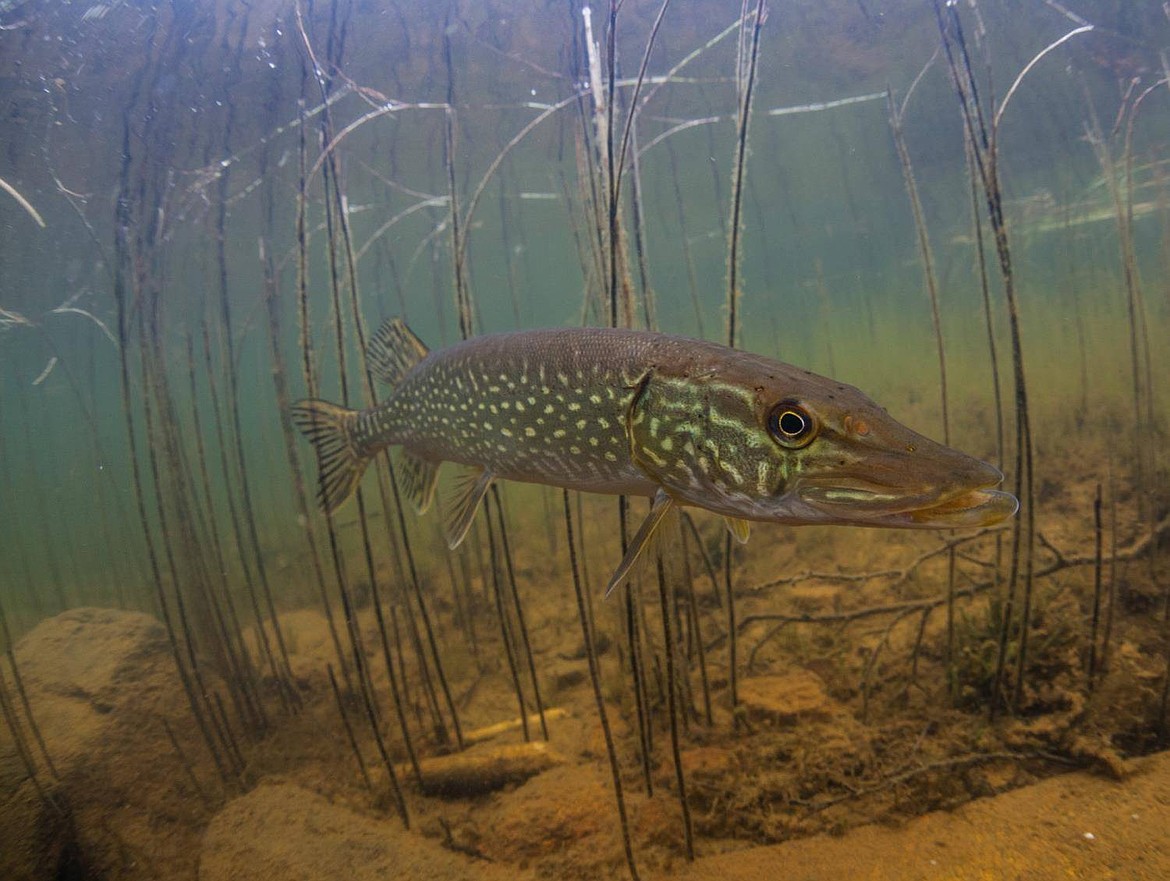
Northern Pike are an invasive species that are threatening waters just outside of the Columbia Basin. Nicole Jordan from the WDFW said the pike are very aggressive and are detrimental to the native salmon and other fish populations.
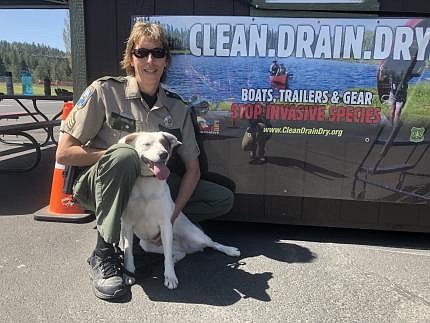
The Washington Department of Fish and Wildlife has enlisted the help of Puddles, a rescue dog who joined the team last year and has been trained to sniff out invasive species such as zebra and quagga mussels. Invasive mussel species have entered local waterways through the hulls of boats coming out of waters where the mussels originate from.
MOSES LAKE — The Washington Invasive Species Council has 29 animals and insects listed on their site as priority invasive species that have either found themselves at home in the state or are of concern around the country. The Columbia Basin has become home to a number of these species.
“Just making sure if there are invasive species to try and keep them under control and to report when you do see (an invasive species),” said Washington Department of Fish and Wildlife Region 2 Communication Contact Nicole Jordan.
Some of the main invasive species that have entered the Basin are Japanese beetles, triploid checkered whiptail, European honeybees, northern crayfish and bullfrogs. Northern Pike is another species of concern just outside the Basin due to its devastating effects on native salmon populations and has been introduced in other areas in Eastern Washington, such as the Pend Oreille River, Spokane River, Lake Roosevelt and some lakes in Spokane County, according to the council.
The WDFW website identifies invasive species as something introduced to an area outside of its native range that negatively impacts the economy, environment and health. These species will outcompete native species, can negatively impact utility, agriculture and tourism industries, damage property and endanger people and ruin natural habitats.
Jordan said such species find their way in a variety of ways, but the most common is human introduction. In the case of the Columbia Basin, quagga mussels typically will latch onto the hulls of boats coming out of waters in Oregon and California and could be deposited into the local waterways once the boat enters the water. Watercraft inspection stations are the result of the need to monitor such accidental migrations. It’s a step toward helping boaters avoid causing problems.
“It’s not like they’re doing something intentionally, but it’s just that the invasives are on for the ride and humans are just doing their thing,” she said. “It’s just the interaction of species that were not part of the system that they are migrating to or have been deposited in, and they just outcompete other things.”
Quagga and zebra mussels are species of concern as they have already entered waters in Idaho. While there are none currently in Washington waters, the WDFW has early detection programs in place to ensure that the species do not invade local waters.
Upon discovery of an invasive species, Jordan advises that people report the finding and then take the steps to properly remove the animal from the area. She said that due to the nature of how wildlife works, it is essential that the public notifies the WDFW of where invasive species have been found so they can be properly addressed.
WDFW is also working to educate people on the causes and effects of invasive species in an area and putting in place the tools to prevent the species from spreading. For mussels, there have been aquatic invasive species monitoring stations set up for people to clean their hull and monitor what’s on it and report on it.
“Just educating people and people just paying attention and reporting when they do see something,” said Jordan. “It literally takes everybody’s compliance and awareness to address invasive species.”
A full list of priority invasive animal and plant species being monitored by the Washington State Invasive Species Council and links to report sightings can be found at invasivespecies.wa.gov.
 Northern Pike are an invasive species that are threatening waters just outside of the Columbia Basin. Nicole Jordan from the WDFW said the pike are very aggressive and are detrimental to the native salmon and other fish populations.
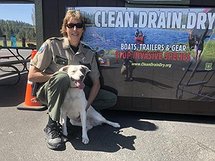 The Washington Department of Fish and Wildlife has enlisted the help of Puddles, a rescue dog who joined the team last year and has been trained to sniff out invasive species such as zebra and quagga mussels. Invasive mussel species have entered local waterways through the hulls of boats coming out of waters where the mussels originate from.
ARTICLES BY CALEB PEREZ
Knights secure road victory over Cougars
WARDEN — The Royal Knights (3-1-2) earned a 5-2 road victory against the Warden Cougars (2-4) in a South Central Athletic Conference matchup Tuesday evening. Knights Head Coach Jens Jensen said this win was great in getting the team back on track after a tough stretch of games prior.
District sets timeline for Ephrata High roof project
EPHRATA — A timeframe on the roof replacement at Ephrata High School was discussed at the Ephrata School District board meeting Monday evening.

Cougars sweep Eagles and LMU in weekend matches
PULLMAN — The Washington State Cougars earned a pair of team victories as they defended their home court over the weekend, sweeping both the Eastern Washington Eagles and Loyola Marymount University.