
The importance of reporting bear conflicts
By Dillon Tabish | Bigfork Eagle | UPDATED 1 year, 1 month AGO
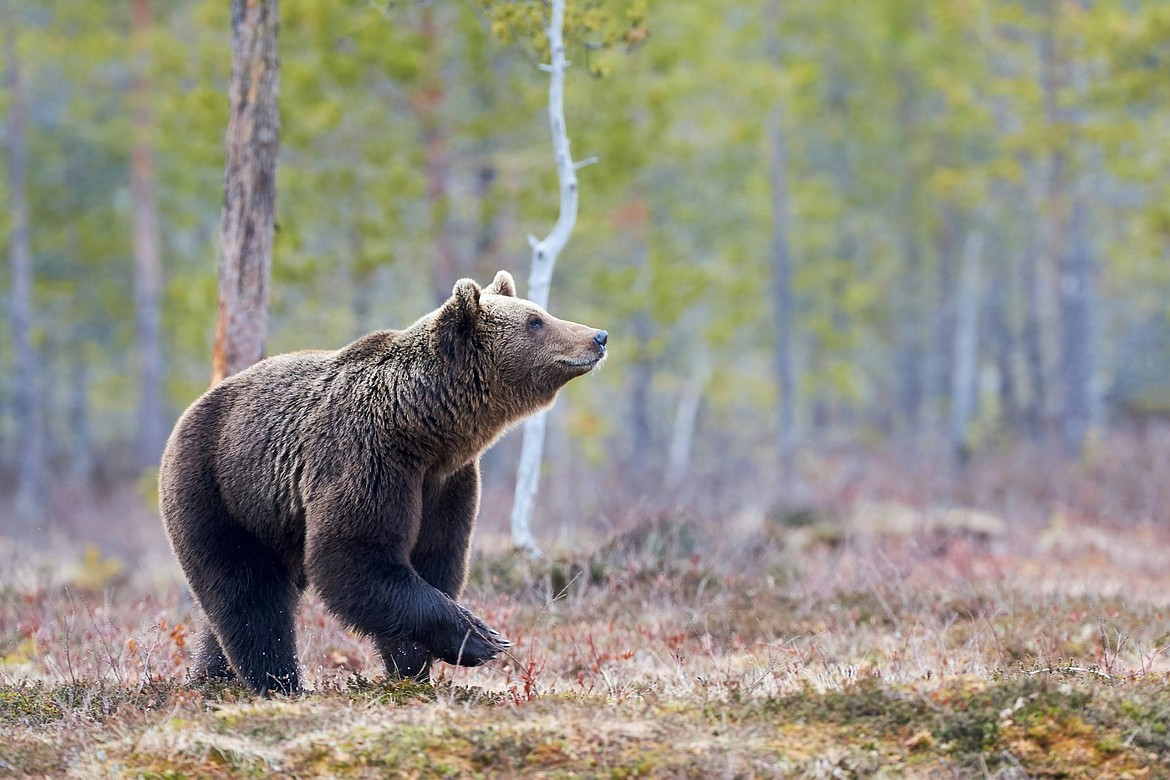
A grizzly bear. (Courtesy/Swan Valley Connections)
In summertime, we all know what to do if we see smoke in the forest – report it. Quick detection helps fire crews respond swiftly and keep the fire from growing into a bigger problem.
It’s the same for bear conflict specialists. The sooner they know about a problem involving a bear, the better chance they have addressing it before it becomes worse for everyone.
Living in Montana, we share our landscapes with wildlife. Encounters between humans and bears come with the territory here. However, when these situations escalate into conflicts, prompt reporting to Montana Fish, Wildlife & Parks (FWP) is critical. Waiting for the problem to resolve itself often leads to worse outcomes for both people and bears, while early reporting opens the door to effective solutions.
FWP has staff ready to respond, and their expertise can prevent conflicts from spiraling out of control. Bears are intelligent, adaptable creatures driven by survival instincts. A bear that finds an easy meal, like unsecured trash, pet food, or a poorly stored cooler, will likely return. This is a conflict that only worsens if not addressed properly. What starts as a single incident can quickly become a pattern, putting people, property, and the bear itself at risk. By the time a bear becomes conditioned to human food sources, it may require more drastic intervention, including relocation or, in some cases when the problem is too severe, euthanasia.
Early reporting allows FWP to step in before the situation escalates, protecting both human safety and wildlife. FWP’s bear management specialists are trained to handle conflicts with practical solutions tailored to the situation. When you report a bear sighting or conflict, FWP can assess the situation and implement measures like securing attractants, installing electric fencing, or using non-lethal deterrents to discourage the bear from returning.
Some Montanans hesitate to report bear conflicts, fearing it will automatically lead to the bear’s death. This is a misconception. FWP’s primary goal is to manage wildlife in ways that protect people and keep bears wild. By reporting early, you give FWP specialists the chance to intervene before a bear becomes too habituated, increasing the likelihood of a positive outcome for everyone. Waiting too long often limits these options, as a bear that repeatedly associates humans with food becomes a greater safety risk.
Don’t wait for a bear conflict to “fix itself.” It rarely does. Instead, call your local FWP office or visit their website to report conflicts promptly. Early action is the key to solutions that work for everyone — human and bear alike.
FWP recently debuted a new Grizzly Bear Conflict Dashboard as a resource for information on where FWP staff are helping landowners and communities with conflicts and the types of conflicts people are experiencing. View the dashboard online at https://fwp.mt.gov/conservation/wildlife-management/bear.
Dillon Tabish is regional communication and education program manager for Montana Fish, Wildlife and Parks. This column was coordinated by Swan Valley Bear Resources, a collaborative group that promotes coexistence between humans and bears, and provides resources to anyone in the Bigfork and Ferndale communities.