
Regardless of rainfall, Lake County still impacted by drought
EMILY MESSER | Hagadone News Network | UPDATED 6 months, 3 weeks AGO
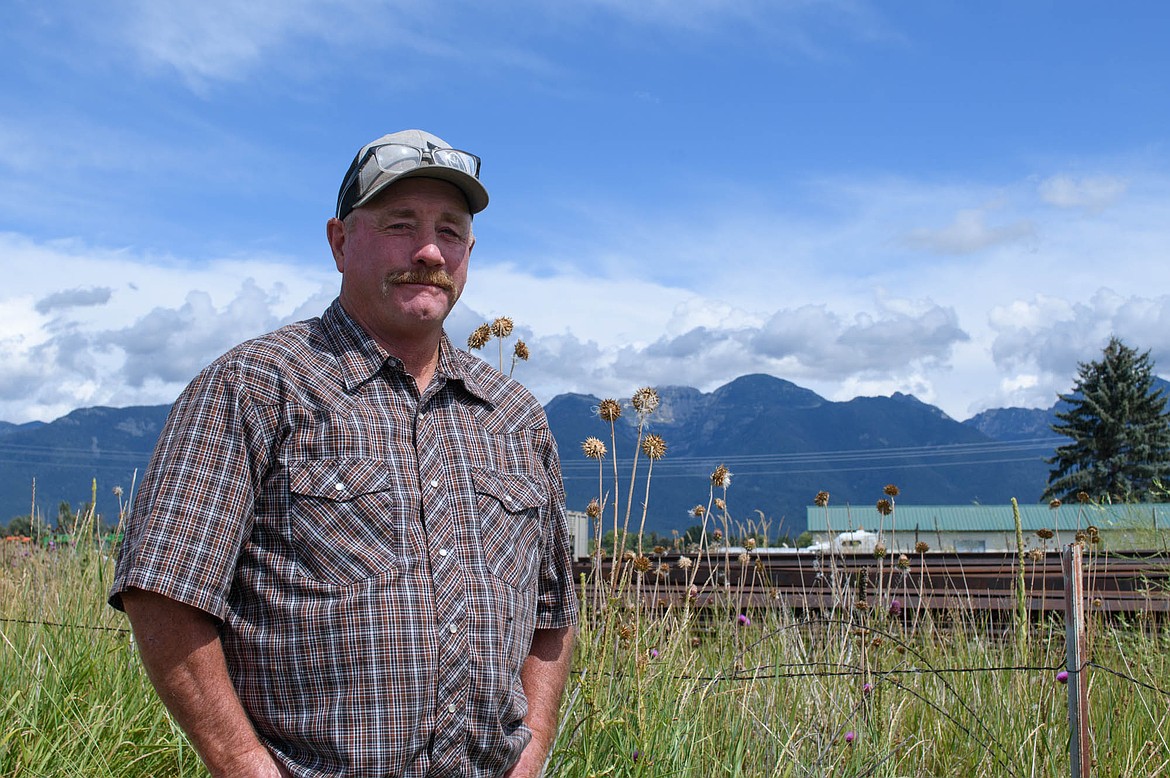
Paul Guenzler stands in front of the Mission Mountains near his lease land in Ronan on Aug. 7. (Emily Messer/Leader)
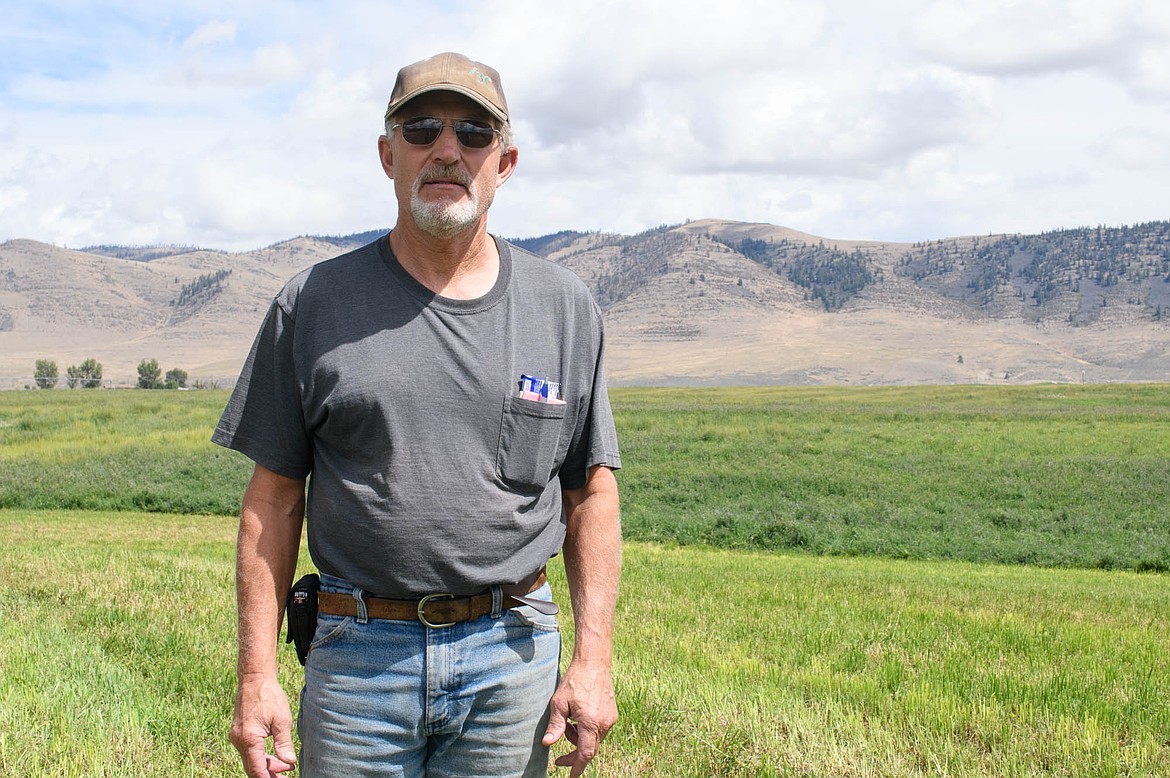
Bruce White stands in front of the field near Hot Springs where he has focused his watering efforts this summer. (Emily Messer/Leader)
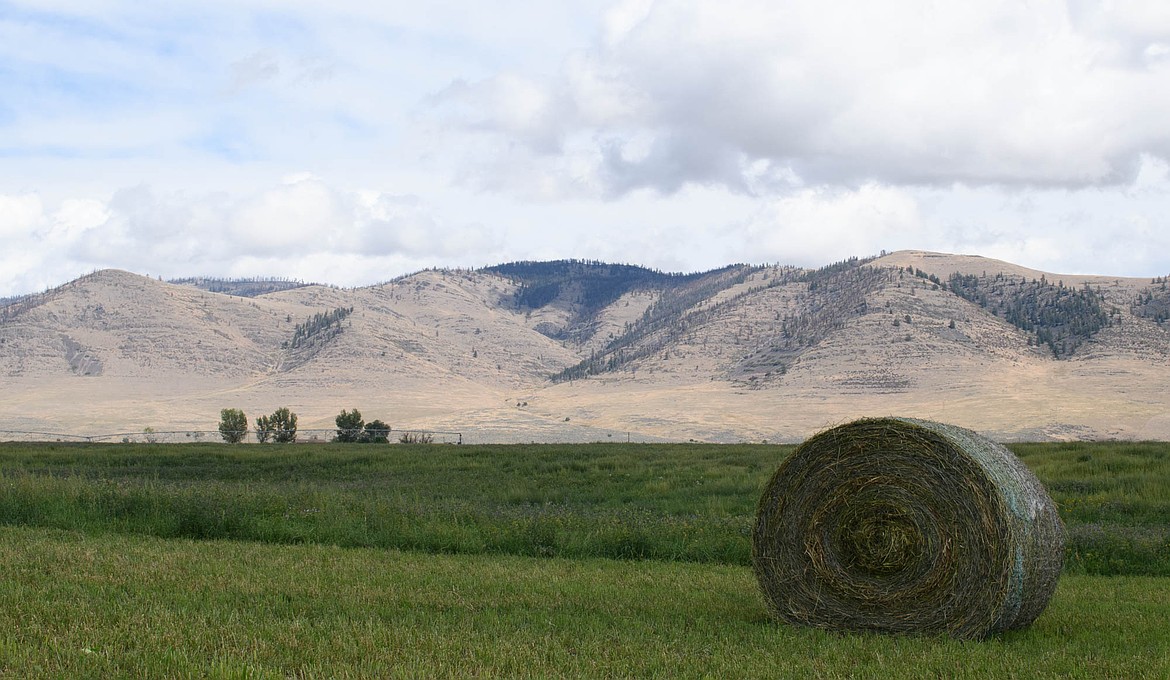
The field behind Bruce White’s house, where he has focused his irrigation water to save pasture for his cattle on Aug. 7. (Emily Messer/Leader)
Emily Messer joined the Lake County Leader in July of 2025 after earning a B.A. degree in Journalism from the University of Montana. Emily grew up on a farm in the rolling hills of southeast Missouri and enjoys covering agriculture and conservation. She's lived in Montana since 2022 and honed her reporter craft with the UM J-School newspaper and internships with the RMEF Bugle Magazine and the Missoulian. At the Leader she covers the St. Ignatius Town Council, Polson City Commission and a variety of business, lifestyle and school news. Contact Emily Messer at [email protected] or 406.883.4343 | August 14, 2025 12:00 AM
The USDA has declared Lake County in a natural disaster area due to drought, regardless of the nearly 12 inches of precipitation hitting both Ronan and St. Ignatius since the beginning of the year.
But not every agriculture producer in Lake County is reaping the benefits of the summer rainfall and snowpack melt. Bruce White, a cattle rancher in Hot Springs, thought last year was the worst he’s seen but describes this year as even more challenging.
“I've been here 44 years, doing this full time and I've never seen it this dry, not even close to this dry,” White said.
White runs his cattle on about 700 acres in Lake and Sanders County and said as the storms come over the mountain range they divide and pass over his property. According to the National Weather Service rain gauge, the Hot Springs area received just over four inches of rain since the beginning of the year, leaving little rainfall for pastures or crops.
White has sold hay for most of his cattle ranching career but over the last two years, he’s had to buy hay to survive. He was selling 700-800 tons of hay every year but this year he predicts he’ll need to buy 400-500 tons.
White explained that the snowpack is down, but the long-term issue is the maintenance of the Flathead Indian Irrigation Project canals within the Hot Springs area. White said a number of the canals are old concrete structures that need “serious upgrades.”
“In their defense, it needs more than what they can just do with a couple of crews,” said White, who is also the Flathead Project commissioner of district five. “I mean, it needs new infrastructure.”
White explained irrigation water has been on a “steady decline.” He’s gone from being able to run his pivot 25-30 days a year to only eight or nine over the past few years.
White pointed to the back field that he’s currently haying and said he has focused his irrigation water in that area to be able to maintain pasture for his cattle. This is a method he said most other ranchers around him have adopted to survive.
Ben Montgomery, the Supervisory District Conservationist at the USDA Ronan Field Office, explained that the hot temperatures in May and June along with little rainfall caused the snowpack to melt quickly. This caused lower irrigation later in the summer months, Montgomery said.
“The problem with that is that it doesn't provide a lot of time for irrigation to occur late into the summer. Oftentimes the irrigation allocations for folks are reduced if it comes off too early,” Montgomery said. “Our main production here is in grass and hay forage crops and so the peak production for pasture here is May and June.”
‘Our safety nets are the tall mountains’
But ranchers in the Mission Valley are doing better. Paul Guenzler, who runs a cattle operation and horse breeding program in the Ronan area, said the Mission Mountain snowmelt and spring moisture has made it a pretty decent year.
“But right here in the Mission Valley, so Charlo, Ronan, Polson area, we're pretty lucky,” Guenzler said. “Because the Mission Mountains are tall and they collect a lot of snow up high, which can be stored and melts later in the season and comes out throughout the summer to fill the reservoirs and lakes compared to other areas that are dependent on only low-level snow.”
Guenzler, who chairs district three of the Flathead Indian Irrigation Project, explained that in the last few years there has been less low-level snowpack. While this impacts the Mission Valley by causing irrigation water to start in June instead of May, he said it affects areas like Hot Springs more due to that area’s lower elevation mountains.
“I mean, water is everything. It makes the grass grow, makes the hay grow, the crops grow and that in turn feeds the cattle,” Guenzler said.
Guenzler said the Flathead Indian Irrigation Project predicts irrigation water to last until Sept. 1.
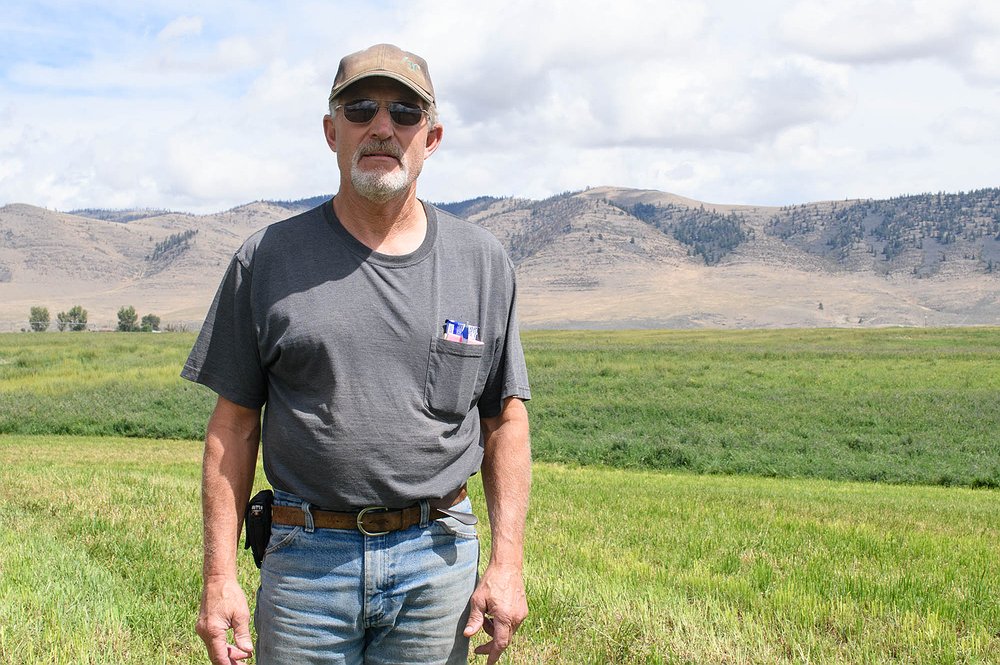 Bruce White stands in front of the field near Hot Springs where he has focused his watering efforts this summer. (Emily Messer/Leader)
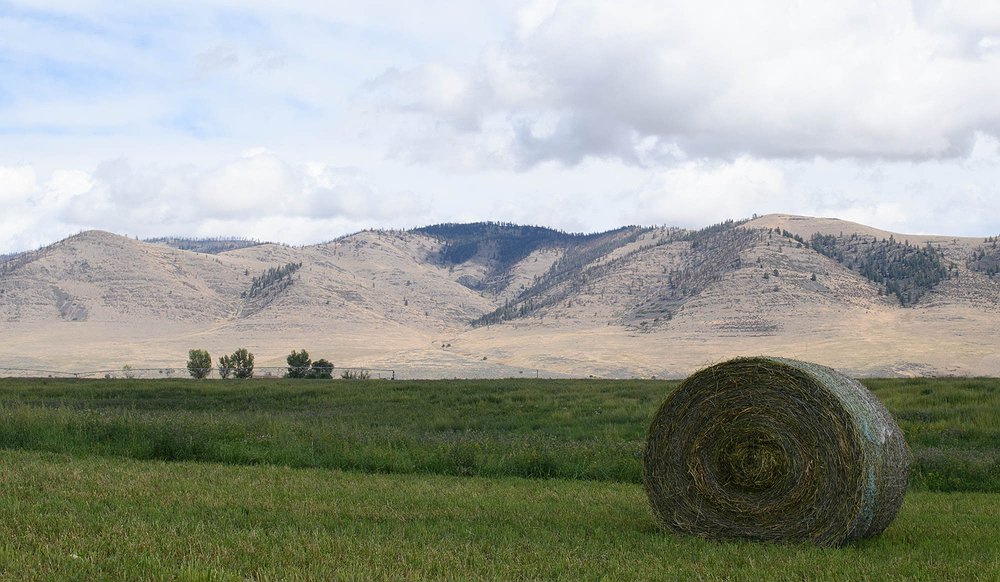 The field behind Bruce White’s house, where he has focused his irrigation water to save pasture for his cattle on Aug. 7. (Emily Messer/Leader)
ARTICLES BY EMILY MESSER

Polson commissioners hear plan for reducing E. coli in Flathead Lake
Representatives from the Flathead Lakers and the Polson Bay Golf Course presented a plan to the Polson City Commission last Wednesday to reduce stormwater runoff, which had caused increased levels of E. coli in Flathead Lake near Boettcher Park.
City Commission finalizes Salt Cafe grant, hears from market vendors
The Polson City Commission council chambers were full of support Monday night for Andrew Perkins, owner of Salt Cafe, who has been awaiting funding from the Tax Increment Finance District grant he received nearly three years ago.

Foundation established for Polson Police
A non-profit called the Polson Police Foundation was launched at the end of 2025 to support the department by contributing to training, officer wellness, critical equipment and community initiatives.