
‘If you give it water, it’ll grow’
JOEL MARTIN | Hagadone News Network | UPDATED 6 months, 2 weeks AGO
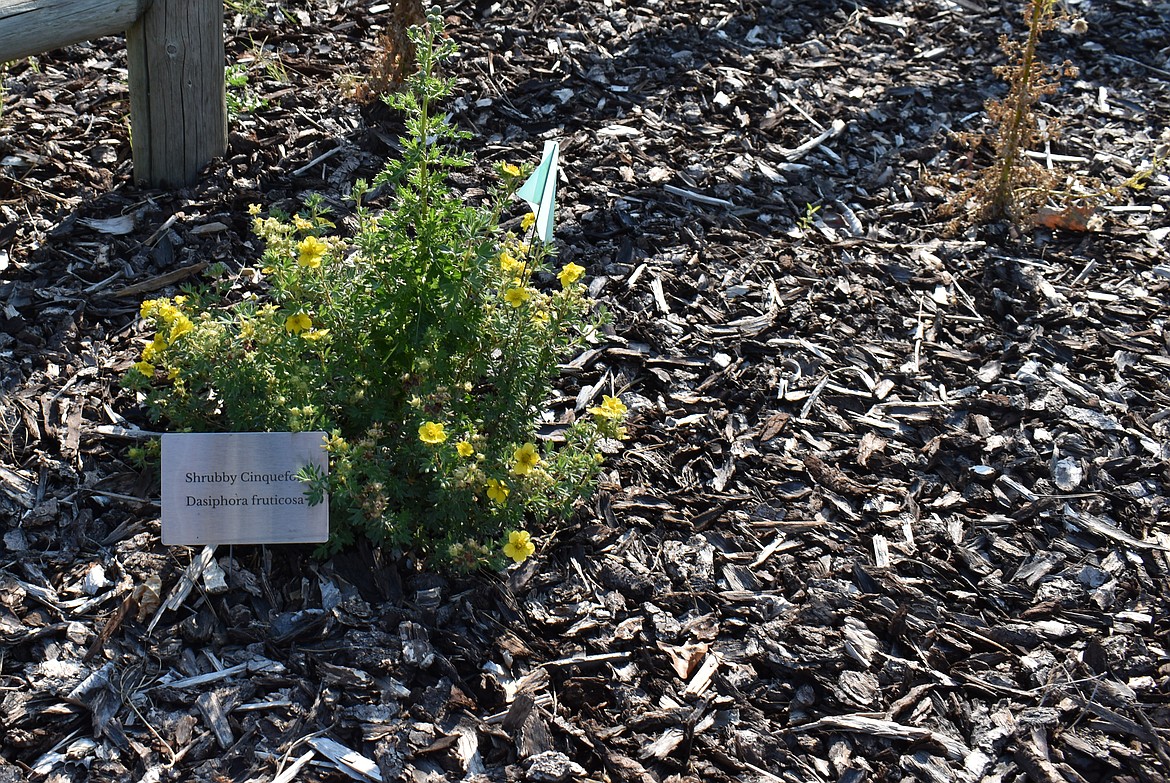
The Heritage Garden at Lower Peninsula Park has examples of plants that grow well near the lake shore with very little water.
JOEL MARTIN/COLUMBIA BASIN HERALD
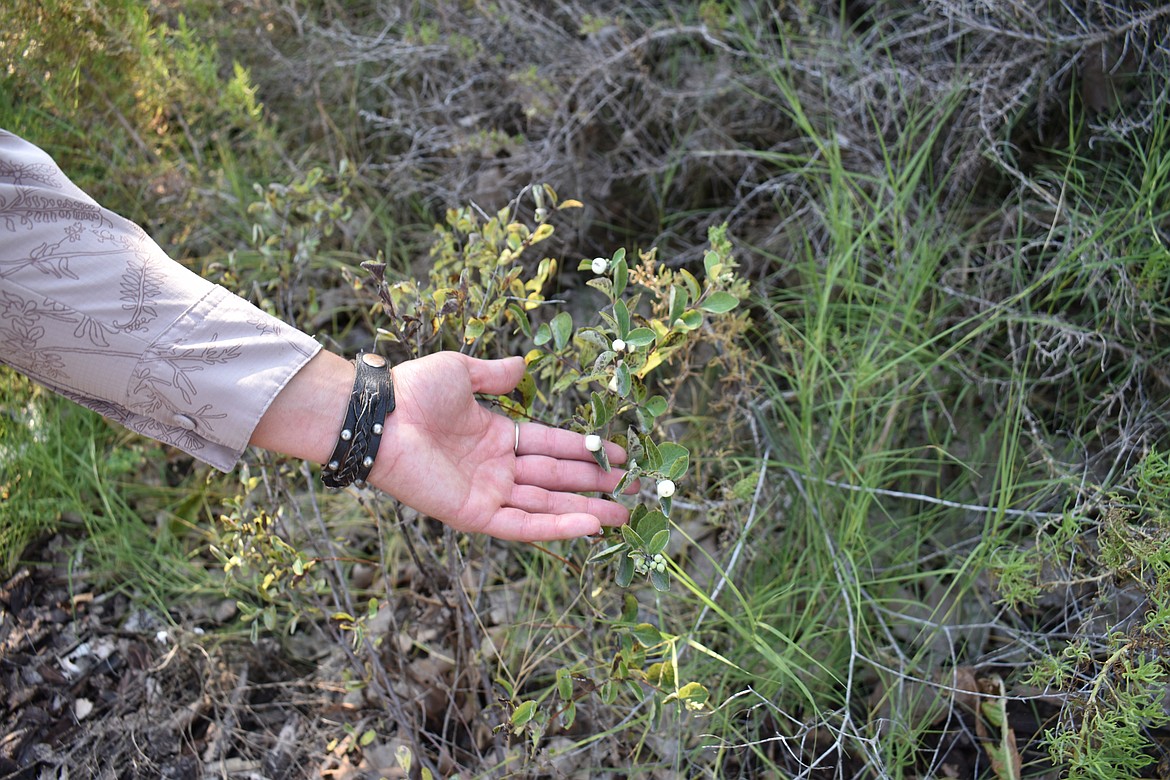
Plants like snowberries grow well along the shore of Moses Lake, and are attractive as well, according to the Columbia Basin Conservation District.
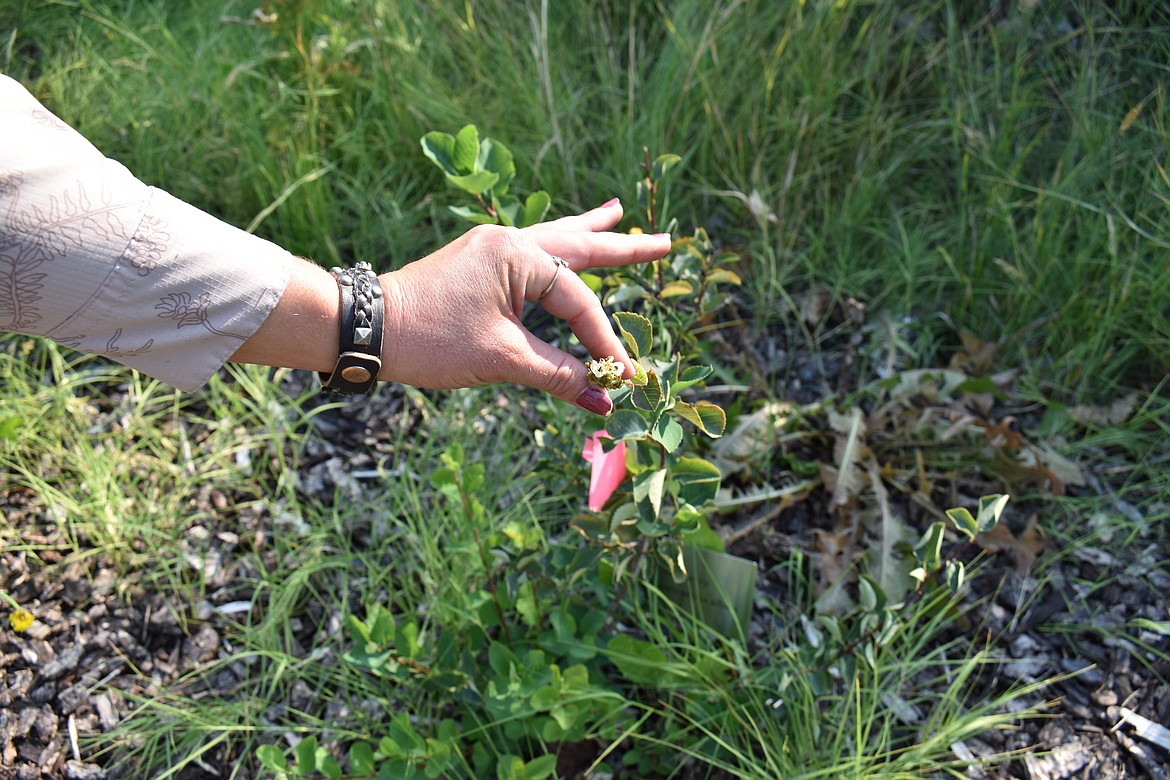
The Pacific ninebark isn’t native to the Basin, strictly speaking, but it grows in the Cascades and does well right at the edge of the water in our climate as well.
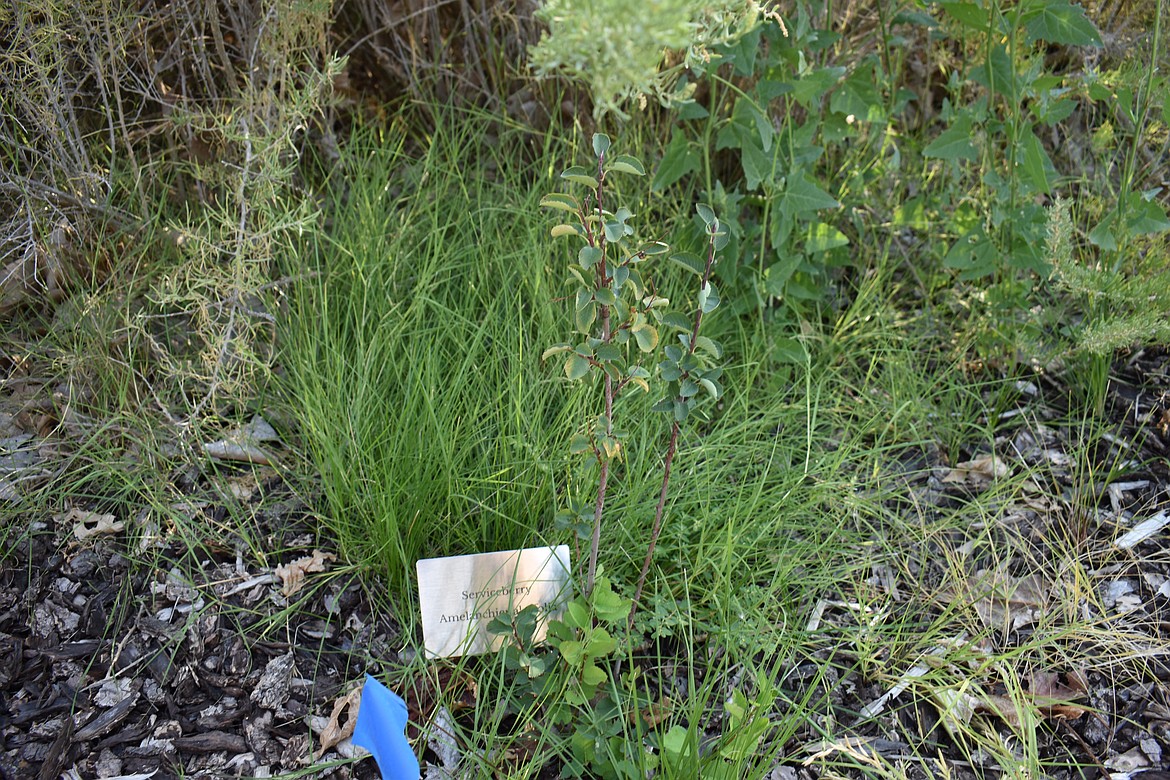
This serviceberry plant isn’t bearing any fruit now, but next year it will have purple-black fruit that makes good jam.
Joel Martin has been with the Columbia Basin Herald for more than 25 years in a variety of roles and is the most-tenured employee in the building. Martin is a married father of eight and enjoys spending time with his children and his wife, Christina. He is passionate about the paper’s mission of informing the people of the Columbia Basin because he knows it is important to record the history of the communities the publication serves. | August 22, 2025 1:00 AM
MOSES LAKE — The plants that grow naturally around Moses Lake are great to plant on purpose for landscaping as well, according to local experts.
“A lot of the riparian plants, especially the shrubs and trees, they’re not as flashy with color,” said Columbia Basin Conservation District Education and Outreach Program Manager Kaley Wisher. “They’ve got deep roots. They’re going to hold on. And if you’re having a bad weather year, those plants will persist.”
Moses Lake has more than 120 miles of shoreline, according to the city of Moses Lake, and much of that is in residents’ backyards. The Heritage Garden at Lower Peninsula Park is an example of what homeowners could plant along the edge of the lake in lieu of the conventional lawn grass, according to Wisher. Some of those plants are prettier and more durable than imported ones, she said.
“Snowberry is one of my favorites, because it doesn’t need a sign to announce itself,” Wisher said. “It’s exactly like it sounds, and it’s a great one for wildlife and pollinators. I have seen it growing in low elevations with water, and it’s like a tree. I’ve seen it in upland areas, and it’s like a little tiny shrub or teeny, tiny bush. I’ve seen it up in alpine areas, and the leaves are like half the size (of the ones in the Heritage Garden). I’ve seen it along shorelines … It is a very diverse plant. It can survive in a lot of different climates.”
Serviceberry grows well along the lake shore as well, Wisher said.
“Serviceberry gets big,” she said. “It’s very much a tree. And (it has) berries you can eat.”
The small red fruits make good jelly and jam, according to the University of Minnesota Extension website.
For a splash of color, Wisher suggested golden currant.
“That one smells absolutely amazing when it’s in bloom,” Wisher said. “It’s got a yellow flower and you’ll hear it buzzing with all those pollinators. It’s a good one for color, and it’s got those deep roots that will persist.”
Some of the plants that thrive along the water line shouldn’t be there, Wisher said, and planting native plants is a good way to replace them.
“I’d love to get more blue flag iris and milkweed and some other native plants that grow right up against the water’s edge, because we have noxious weeds like yellow flag iris that look very pretty,” Wisher said. “(People) are like, ‘Oh, it’s pretty. I like that. I want to keep it.’ It’s a noxious weed, the city will come after it.”
Blue flag iris is much smaller than the yellow flag, Wisher said, but once yellow flag gets established, it takes over and pushes out the blue flag iris, as well as many other plants. Native plants can compete in the long run, said CBCD Conservation Director Dinah Rouleau, but they need a little help getting established first.
“Once they get their elbows in, they’re going to do better than what doesn’t belong,” Rouleau said. “With your annuals, like your weeds, they’re meant to have their whole lifespan be in a year, so they grow faster. They put the seed out and they’re done. (Whereas) these perennials, they’re a lot more slow growing because they’re in it for the long haul.”
Native plants, with their deep roots designed to drag moisture out of desert soil, serve to stem erosion on the lake shore and to filter chemicals out of stormwater, Wisher and Rouleau said.
Native plants also tie in with the CBCD’s Urban Water Initiative Program, Rouleau said.
“You don’t have to get rid of your lawn, but there’s a lot of ways to be more sustainable with your water, which helps with your water bill,” she said. “We’re here to show that there are so many different arms to the conservation district, so folks can come here and see all their options.”
“A lot of folks in the city have talked about, ‘Oh, my water bill has gotten so high, I need to do something,’” Wisher said.
The definition of a native plant isn’t always cut-and-dried, Wisher said; “native” could mean the plant has been in the region for centuries or for millennia. Also, the garden highlights plants that are native to all of Washington, not just the Basin’s shrub-steppe climate.
“A lot of our riparian plants are actually more native to the soggier side,” she said. “We’re technically in a desert here, but for landowners along the shore or in shadier areas, (those plants) do well out here. Like ninebark, you can find that more toward the Cascade Mountains. That one’s not 100% (native) like it’s always been in Moses Lake, but it’s native to Washington. If you give it water, it’ll grow.
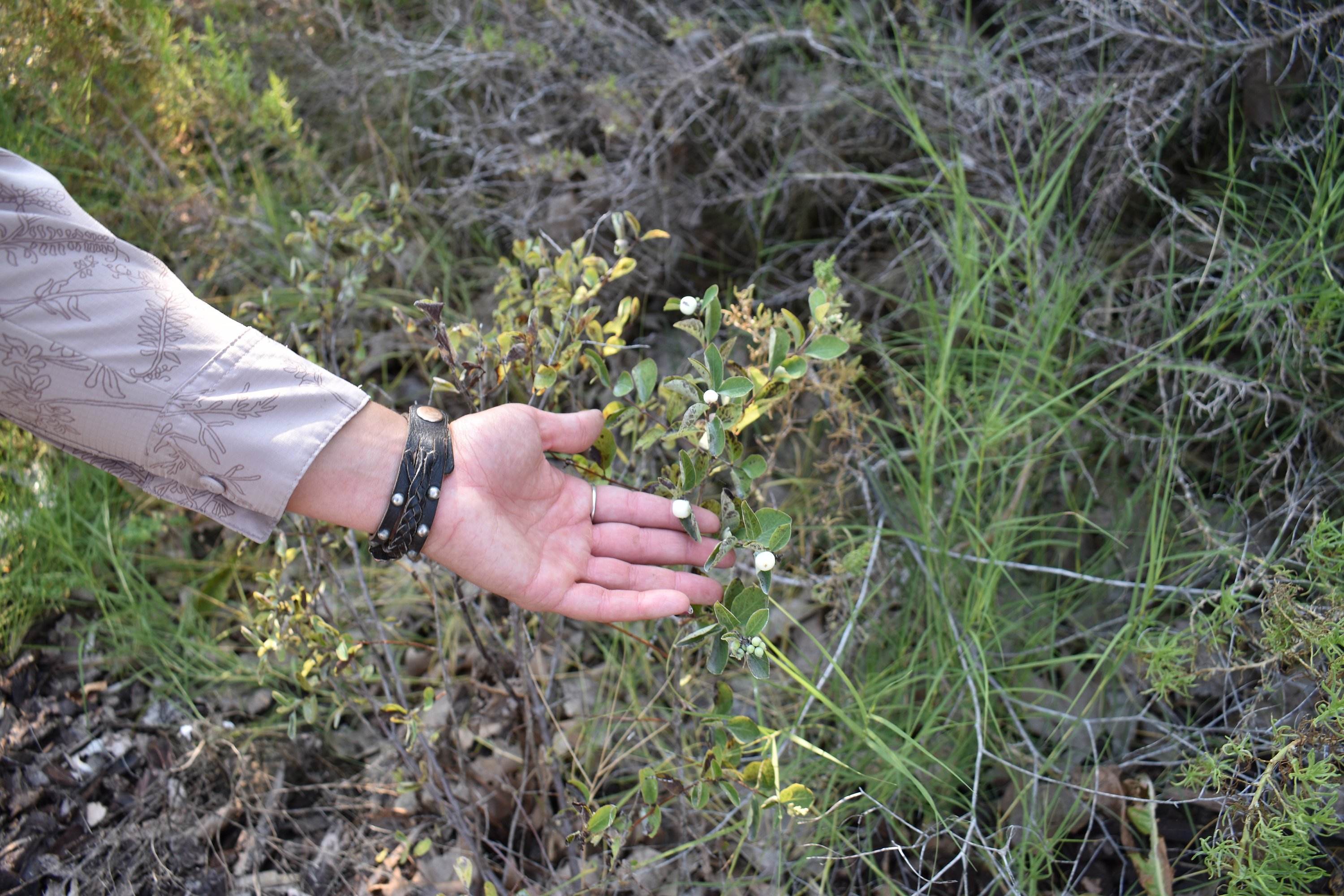 Plants like snowberries grow well along the shore of Moses Lake, and are attractive as well, according to the Columbia Basin Conservation District.
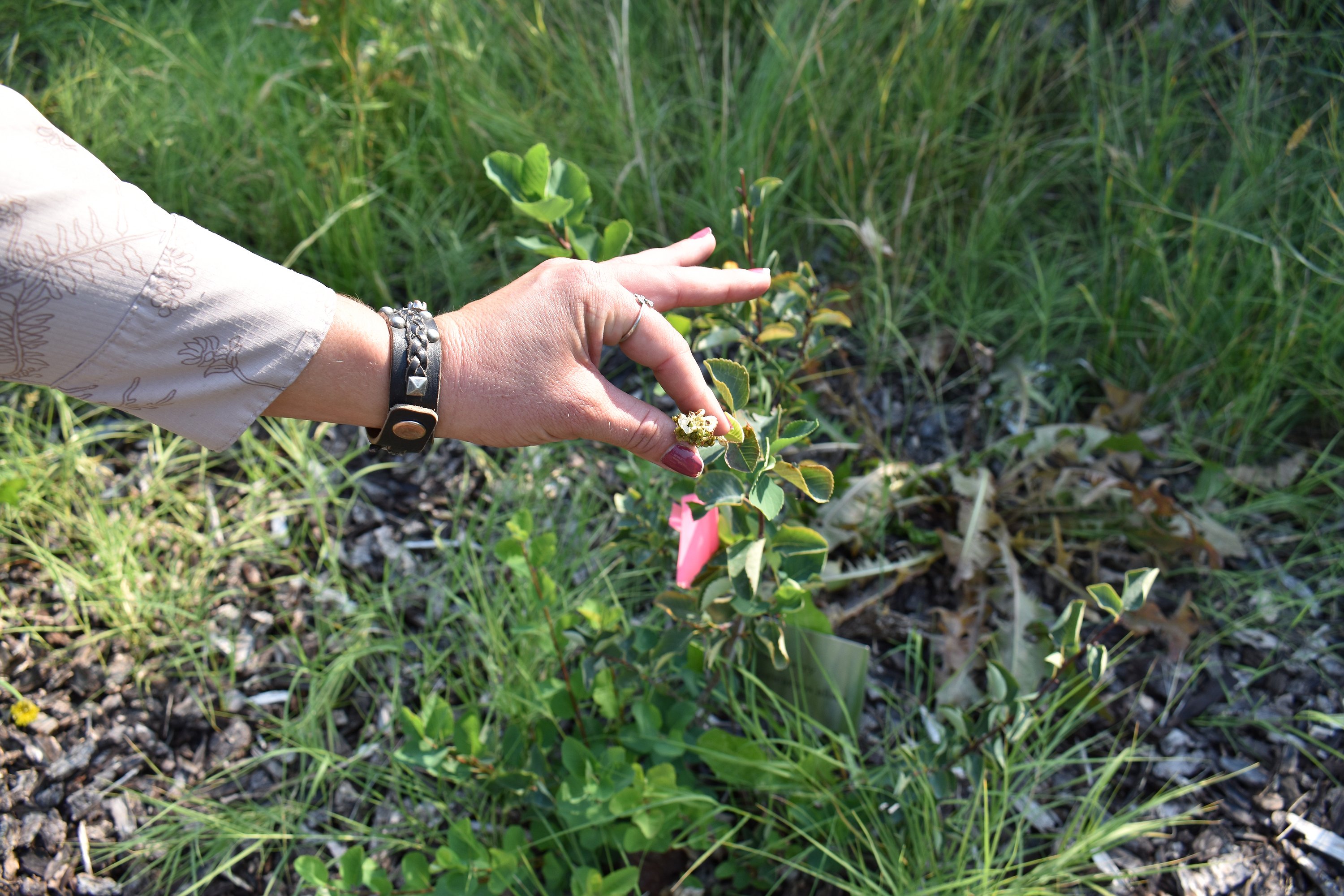 The Pacific ninebark isn’t native to the Basin, strictly speaking, but it grows in the Cascades and does well right at the edge of the water in our climate as well.
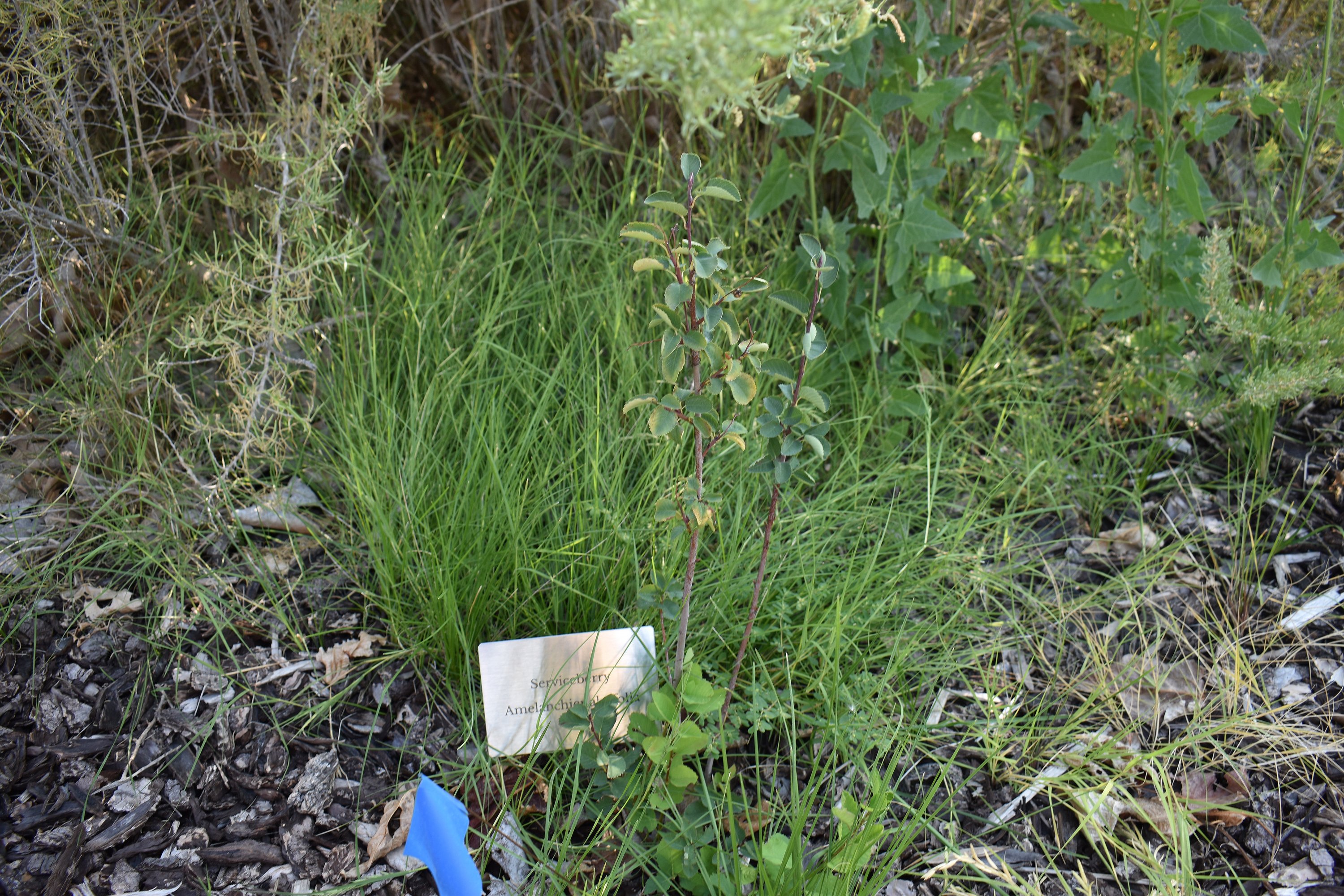 This serviceberry plant isn’t bearing any fruit now, but next year it will have purple-black fruit that makes good jam.
ARTICLES BY JOEL MARTIN
Space Burger booth open March 13-15
MOSES LAKE — Those who can’t wait for the Grant County Fair can get their Space Burger fix next weekend, according to an announcement from the Lioness Club of Moses Lake. The iconic Grant County sandwiches will be available at the Grant County Fairgrounds March 13-15, according to the announcement. There is no admission fee to get into the fairgrounds that weekend.
SENIOR EVENTS: March 2026
COLUMBIA BASIN — Plays, art shows, auctions and more await seniors in the Columbia Basin this month. Here are some opportunities to get out and about in March.
Valentine’s Day cards flood Brookdale Hearthstone with love
MOSES LAKE — Residents at Brookdale Hearthstone Assisted Living in Moses Lake got Valentine’s Day greetings from across the country last month. “I believe that the only states we have not received (cards from) yet are Vermont and Maine,” Lifestyle Director Imelda Broyles said Feb. 24. “We keep receiving new cards every single day. They have not stopped. My residents are in awe with every single one of the cards that we’ve been receiving.” The Hearts Across America project started as a way for children in school classrooms to exchange Valentine’s Day cards with classes in other states or even countries, but the idea has expanded to senior living facilities, according to the project’s social media.