
Kalispell’s PFAS response demands transparency
Daily Inter Lake | Daily Inter-Lake | UPDATED 7 months, 1 week AGO
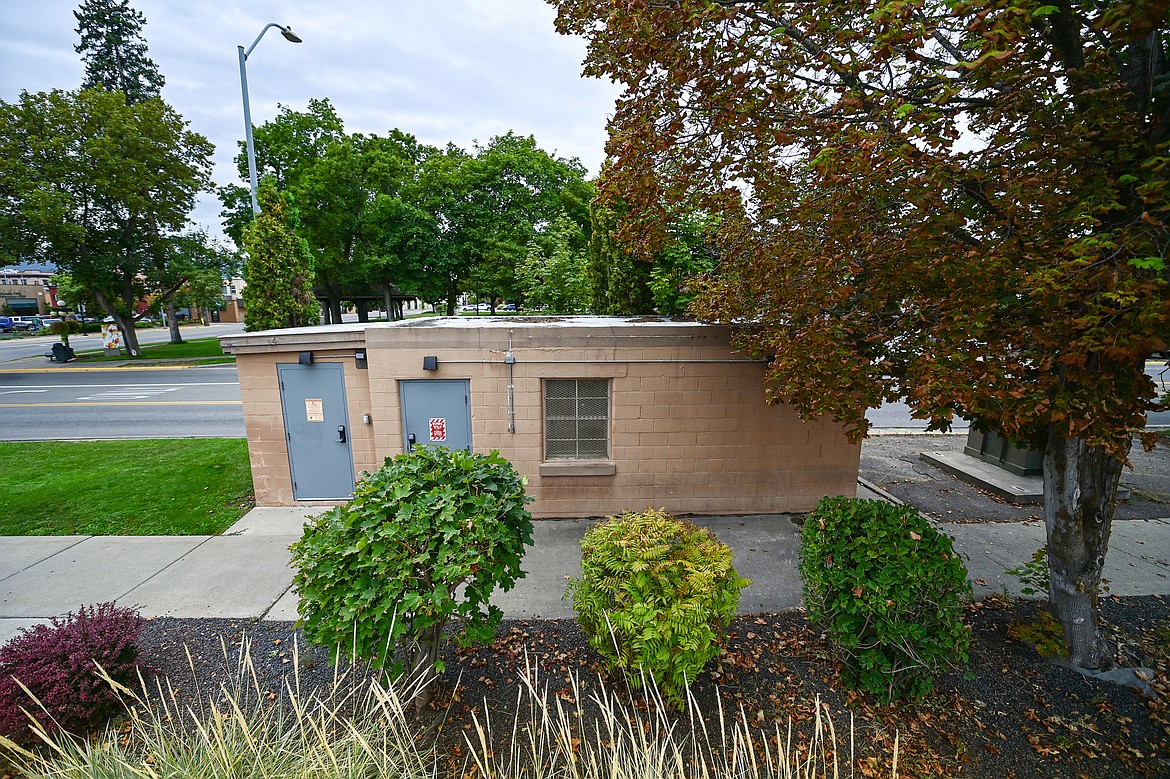
The Depot Well building near Depot Park in Kalispell on Thursday, Aug. 28. (Casey Kreider/Daily Inter Lake)
Casey Kreider
There was no telling whether anything would come from a records request.
But it was necessary to help answer a question that hadn’t yet been asked: Why did Kalispell wait nearly two years to release a public notice about forever chemicals in the city’s drinking water?
The Daily Inter Lake had previously reported on the city’s efforts to mitigate PFAS, which included installing a treatment system at the Grandview Wells site and eventually replacing that well and the Armory Well altogether.
Internal records, however, promised insight into what transpired before such extensive construction projects became necessary. The city’s website already listed test results dating back to 2022, but records could reveal more than just numbers.
In September 2024, the Inter Lake submitted a request to City Hall for all internal emails regarding the treatment and sampling of PFAS chemicals at Kalispell’s well sites, spanning from the first detection in March 2022 through March 1, 2024, when the public notice was finally released.
Before City Hall could release the public documents, the newspaper was required to pay a $540 fee. After biting the bullet, the city sent over a folder containing roughly 250 files.
The documents were not in chronological order, and many were duplicates or irrelevant to the story. Still, several offered a behind-the-scenes look at conversations within the Public Works Department and discussions between city officials and the Montana Department of Environmental Quality about how to address the PFAS issue.
Combing through the files one by one, a timeline began to take shape.
Intertwined with the city’s response were federal health advisories, regulations and funding that influenced Kalispell’s mitigation strategy.
By winter, it was time to sit down with city officials and ask the tough question that had prompted the investigation.
Then-City Manager Doug Russell, Public Works Director Susie Turner and Water Resource Manager Joe Schrader agreed to be interviewed about Kalispell’s efforts to eliminate PFAS and explain why the public notice was published when it was.
Their responses all centered on the same point: No one knew the exact extent of contamination in the early stages of the PFAS discovery.
What is certain, however, is that many months of internal communication between city leaders about the findings took place before the public was formally notified — and only after the statewide Daily Montanan newsroom revealed the findings.
Residents should expect nothing less than broad transparency from government agencies about public health issues. Unfortunately, in this instance, it appears Kalispell officials opted to keep their discovery of forever chemicals out of the spotlight until a news report forced their hand.
Still, further reporting was needed to understand how Kalispell’s experience compared with other water systems across the country working to decontaminate their water supplies.
Throughout the spring, the Inter Lake spoke with public water system managers nationwide, who emphasized the high cost and time-consuming nature of battling PFAS. Interviews revealed that many systems are pursuing class-action lawsuits against PFAS manufacturers to recoup expenses.
To better understand the risks posed by the chemicals, expert insight was also sought.
Dan Jones, founder and director of Michigan State University’s PFAS analytical laboratory, helped put the issue into perspective. While any level of PFAS can be harmful, Jones noted that other cities have reported far higher detections than Kalispell.
To their credit, Kalispell officials have gone above and beyond in their efforts to ensure the water delivered to homeowners’ faucets is clean and free of forever chemicals. They have tapped into crucial federal grants to fund the upgrade and replacement of well sites and continue to monitor water quality to stay ahead of any new detections.
Water experts are only beginning to understand the extent of forever chemicals and how they might affect public health. As we learn more about the pollutants every day, city officials and water districts across the valley must keep transparency top of mind. It’s far better to offer residents an open look at what’s happening with their water supply than to try to protect them from the unknown.