
Experts warn of threats to Lake Coeur d’Alene
KAYE THORNBRUGH | Hagadone News Network | UPDATED 1 year, 1 month AGO
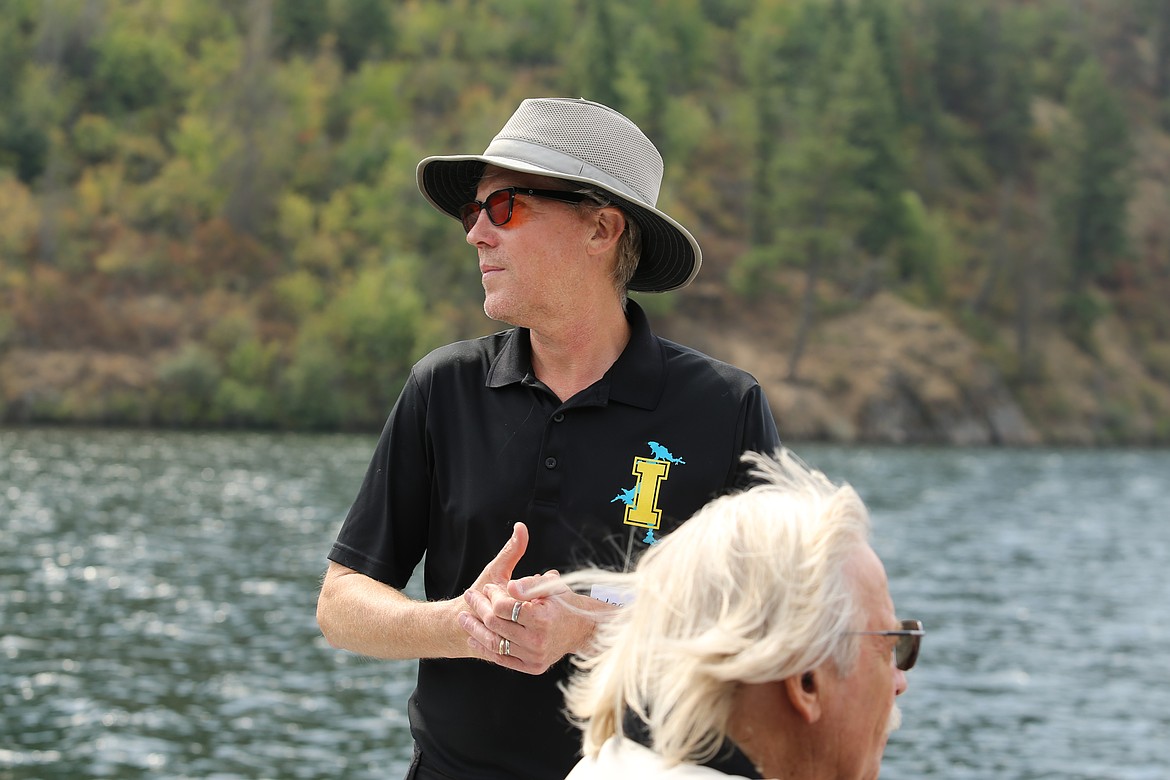
Mike Wood, Outreach and Education Coordinator for the University of Idaho Water Resources Research Institute, joined other experts and community stakeholders for a tour of Lake Coeur d'Alene and discussion about its health.
KAYE THORNBRUGH/Press
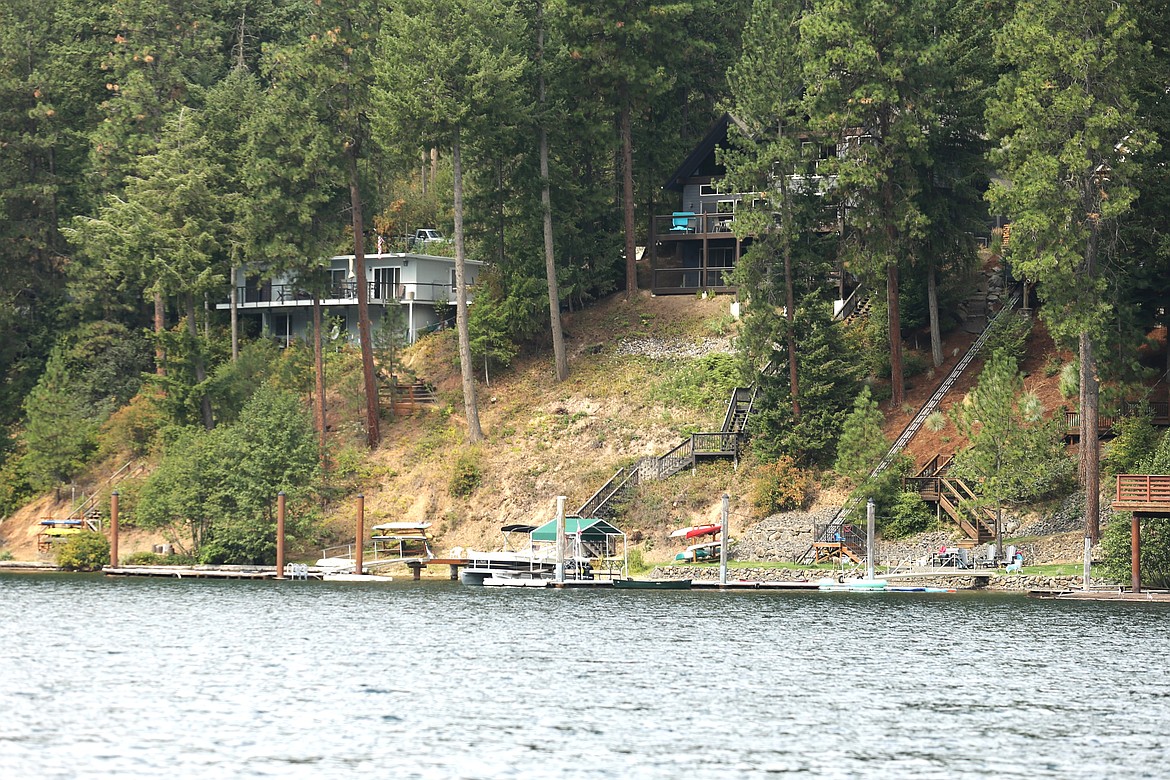
Residences line the shores of Lake Coeur d'Alene.
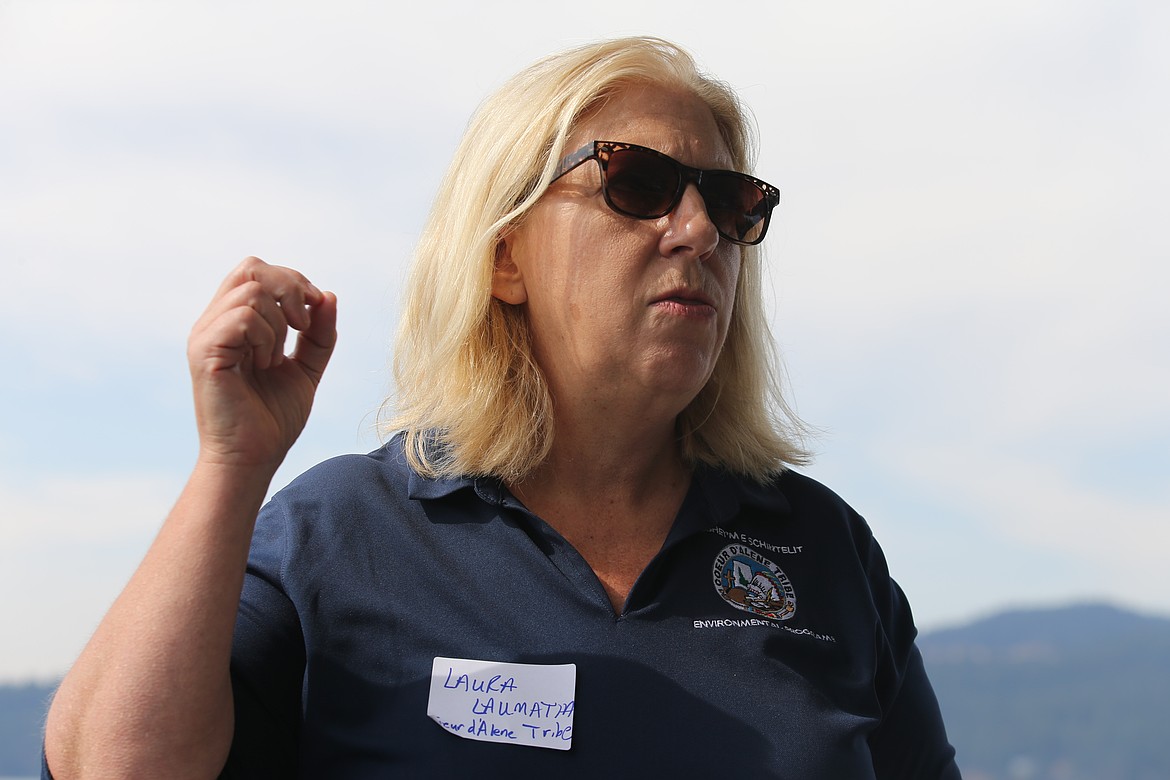
Laura Laumatia, environmental programs manager for the Coeur d’Alene Tribe, said rising water temperatures and other factors are impacting the health of Lake Coeur d'Alene.
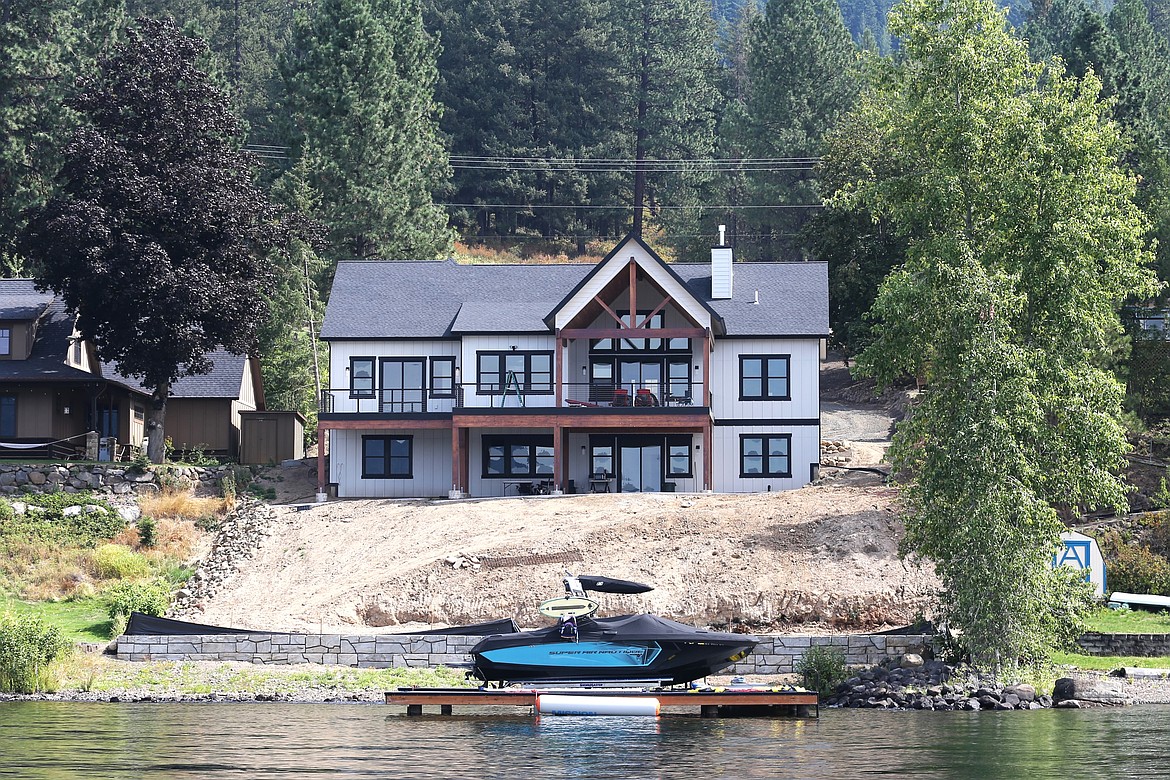
Development is one of several factors impacting water quality in Lake Coeur d'Alene.
Kaye Thornbrugh is a second-generation Kootenai County resident who has been with the Coeur d’Alene Press for six years. She primarily covers Kootenai County’s government, as well as law enforcement, the legal system and North Idaho College. | August 31, 2025 1:09 AM
COEUR d’ALENE — From the docks at Mowry State Park, a spot accessible by boat within the boundaries of the Coeur d’Alene Reservation, one can look out on Cave Bay and see dozens of structures on the shores of Lake Coeur d’Alene.
It’s a good place to get perspective on the impact of development, deforestation, rising temperatures and historic mining activities on the health of Lake Coeur d’Alene.
“The lake is at a precipice,” said Laura Laumatia, environmental programs manager for the Coeur d’Alene Tribe. “It may look blue and wonderful, but there’s a lot of concern for its future health. That future health affects all of us in economic, environmental and cultural ways.”
Laumatia was one of a dozen experts and community stakeholders who sailed Lake Coeur d’Alene on Monday to discuss the lake’s health. The Kootenai Environmental Alliance’s Waterkeeper program organized the outing.
Historic mining activities in the Coeur d’Alene Basin led to widespread metals contamination from the South Fork of the Coeur d’Alene River to Lake Coeur d’Alene and on to the Spokane River. Remediation efforts have been occurring since the 1980s, but the work continues.
In Lake Coeur d’Alene, contaminated lakebed sediments deposited from the historic mining activities remain a major concern.
“We have highly toxic metals across the entire lakebed,” said Craig Cooper, senior limnologist with the Idaho Department of Environmental Quality.
So long as the lake’s levels of dissolved oxygen from top to bottom stay high, the metals are expected to remain in place, according to IDEQ. But increased nutrients are entering the lake from the surrounding watershed, resulting in low oxygen levels that allow the heavy metals in the lake bottom to resolubilize into overlying water.
“You can bring metals out of sediments just by changing the acidity,” Cooper said. “Every summer, it comes out of the sediments.”
Laumatia has worked for the Coeur d’Alene Tribe for 21 years, including seven years as the lake management plan coordinator. Her passion for environmental health is apparent, from her words to the tattoo of the Lorax on her inner forearm.
Community members frequently ask her where the “tipping point” is for the lake’s health.
“I would argue that, in the southern lake, we have already passed that,” she said. “We are well past that tipping point.”
In the lake’s southern waters, Laumatia said harmful blue-green algae blooms have become an annual occurrence due to warming lake temperatures. Under certain conditions, blue-green algae can produce toxins that affect human health and the environment.
Each decade, the lake water gets warmer. Cooper said the last time people ice skated on Lake Coeur d’Alene was 1987.
“It doesn’t happen anymore,” he said.
The effects of rising temperature are most obvious in the southern part of the lake, Cooper said.
“A lot of bad things are happening down in the southern lake that aren’t yet happening here,” he said. “It’s a bellwether of what could happen if the lake gets warm enough.”
Stan Covey, who sits on the board of the Coeur d’Alene Lakeshore Property Owners Association, expressed concern about the increasing popularity of wakesurfing on the lake.
“The damage those boats are doing not only to personal property owners but to our shorelines is devastating,” he said. “Absolutely devastating.”
No-wake zones within 200 feet of shoreline, docks, piers and people are insufficient, he said. Waves created even 700 feet from shore don’t dissipate fully and those waves erode the shoreline.
“The wave’s still going to hit the shoreline somewhere,” Covey said. “We’ve got to do something. I get really emotional about this. It kills me.”
One of the biggest obstacles to improving the health of the lake is funding. In 2019, when the Coeur d’Alene Tribe pulled out of the longstanding lake management plan, Laumatia said no money had been earmarked for lake protection.
In 2021, Idaho Gov. Brad Little allocated $2 million for projects that reduce phosphorus loading into Lake Coeur d’Alene, plus $35 million in American Rescue Plan Act funds the following year. That money made a huge difference, Cooper said, funding research and projects like stormwater management improvements in Kellogg and Coeur d’Alene.
But there’s more work to be done — and at a time when federal funding and federal employees are being cut, it’s uncertain if the necessary people and funding will be there.
“Continued investment in the people who can provide you trusted information is critical and right now, we’ve cut those numbers,” Cooper said. “At the federal level, we’ve lost staff. We’ve lost a decade of people.”
The scientists with the Environmental Protection Agency who studied the swans dying in the lower Coeur d’Alene River Basin because of historic mining waste and gathered the data on the river that impacts Lake Coeur d’Alene are no longer employed due to federal cuts, he said.
Laumatia said it’s not too late to protect Lake Coeur d’Alene.
But as the Lorax warned, “Unless someone like you cares a whole awful lot, nothing is going to get better. It’s not.”
“We may have reached tipping points in some places, but there is still a collective ability to act and make a difference and stop us from driving that car right off a cliff,” Laumatia said. “But once you take a lake past that tipping point, it doesn’t return. We need more action.”
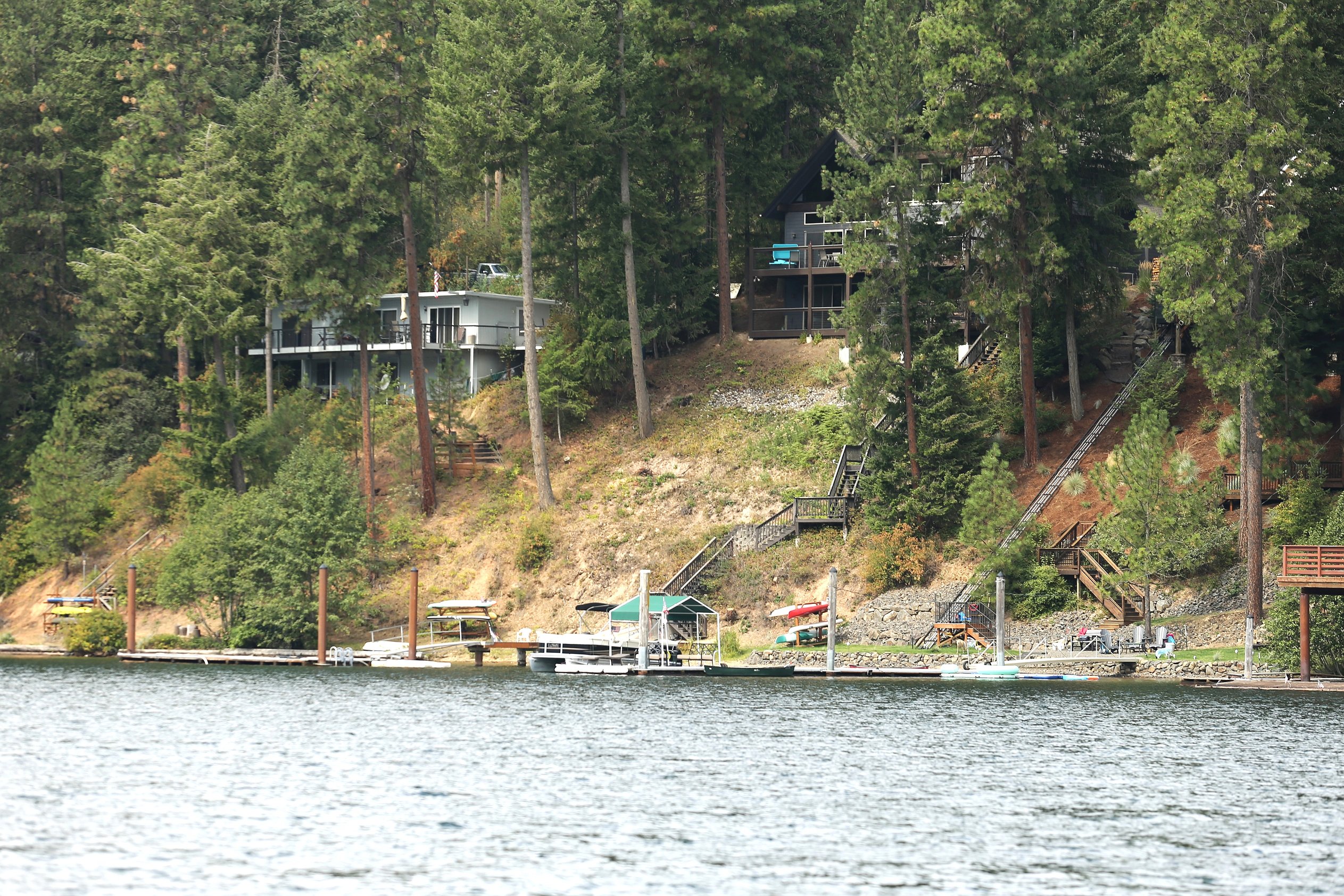 Residences line the shores of Lake Coeur d'Alene.
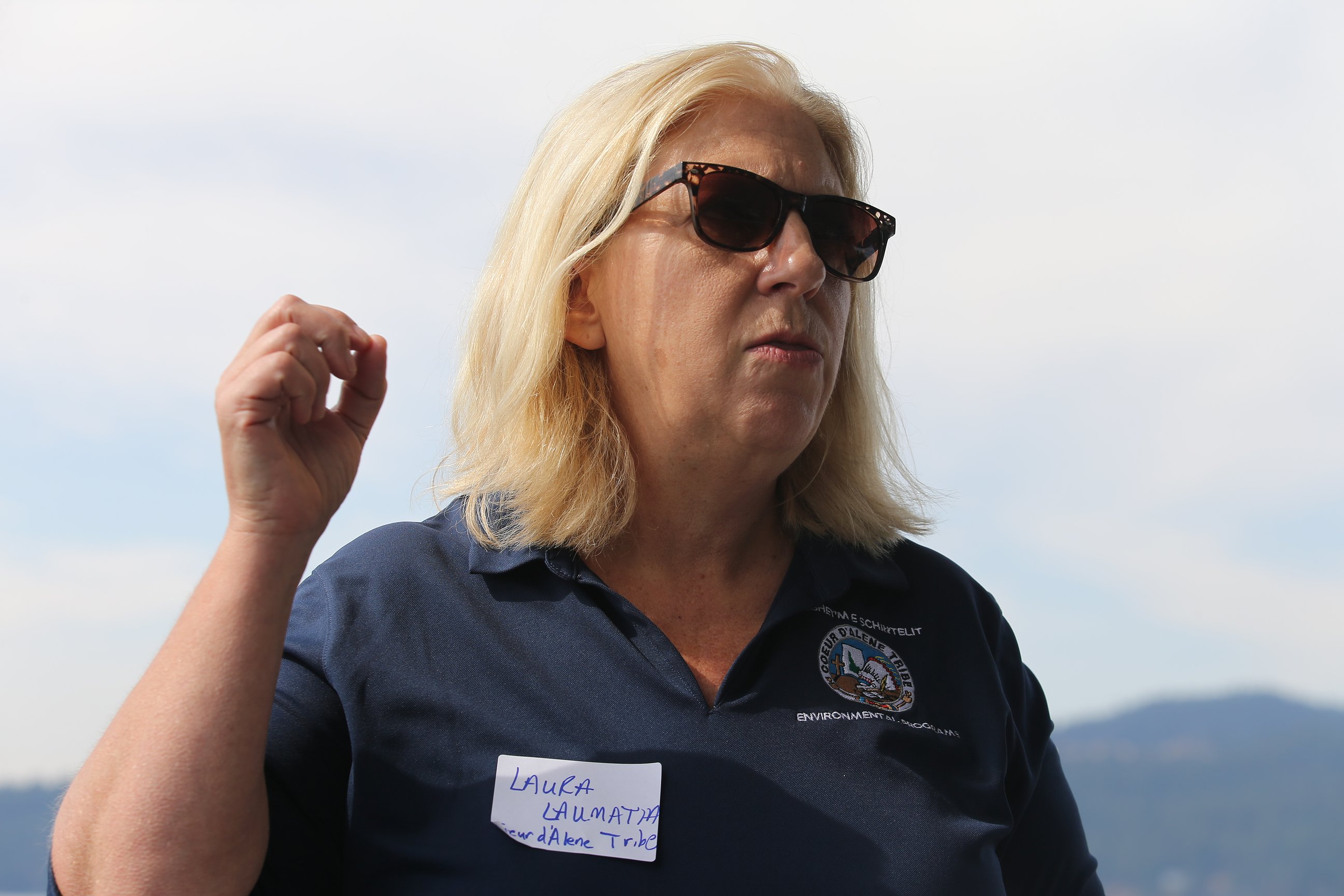 Laura Laumatia, environmental programs manager for the Coeur d’Alene Tribe, said rising water temperatures and other factors are impacting the health of Lake Coeur d'Alene.
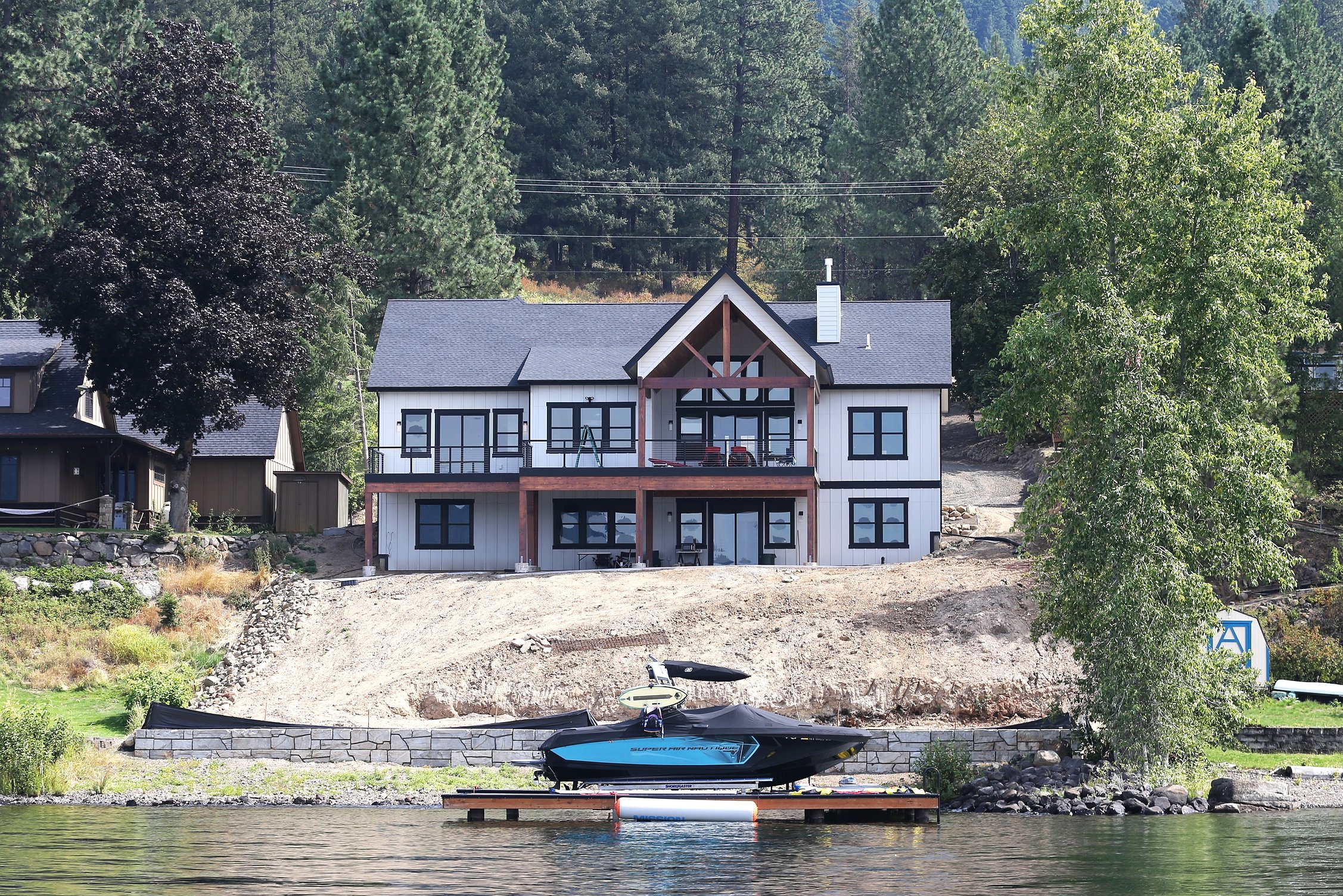 Development is one of several factors impacting water quality in Lake Coeur d'Alene.
ARTICLES BY KAYE THORNBRUGH

Stateline shooter pleads guilty to manslaughter
A DoorDash driver who fatally shot a pedestrian during a road rage incident near Stateline Speedway has pleaded guilty to voluntary manslaughter, though whether a judge will accept the pretrial settlement offer in the case remains to be seen.
Stateline shooter pleads guilty to manslaughter
Prosecutors originally charged Edsel Johnson with first-degree murder
A DoorDash driver who fatally shot a pedestrian during a road rage incident near Stateline Speedway has pleaded guilty to voluntary manslaughter, though whether a judge will accept the pretrial settlement offer in the case remains to be seen.

Kootenai County history revealed
Community members get close-up look at time capsule contents
Liz Boutin is no stranger to historical artifacts. A museum professional and fine artist, Boutin said she's handled Egyptian and Greek items that date back to antiquity. But she had a new experience this summer, after local historical preservationists retrieved a 100-year time capsule from inside the outer wall of the old Kootenai County courthouse.