
Mini-farm for sale has deep Grant County roots
JOEL MARTIN | Hagadone News Network | UPDATED 10 months, 2 weeks AGO
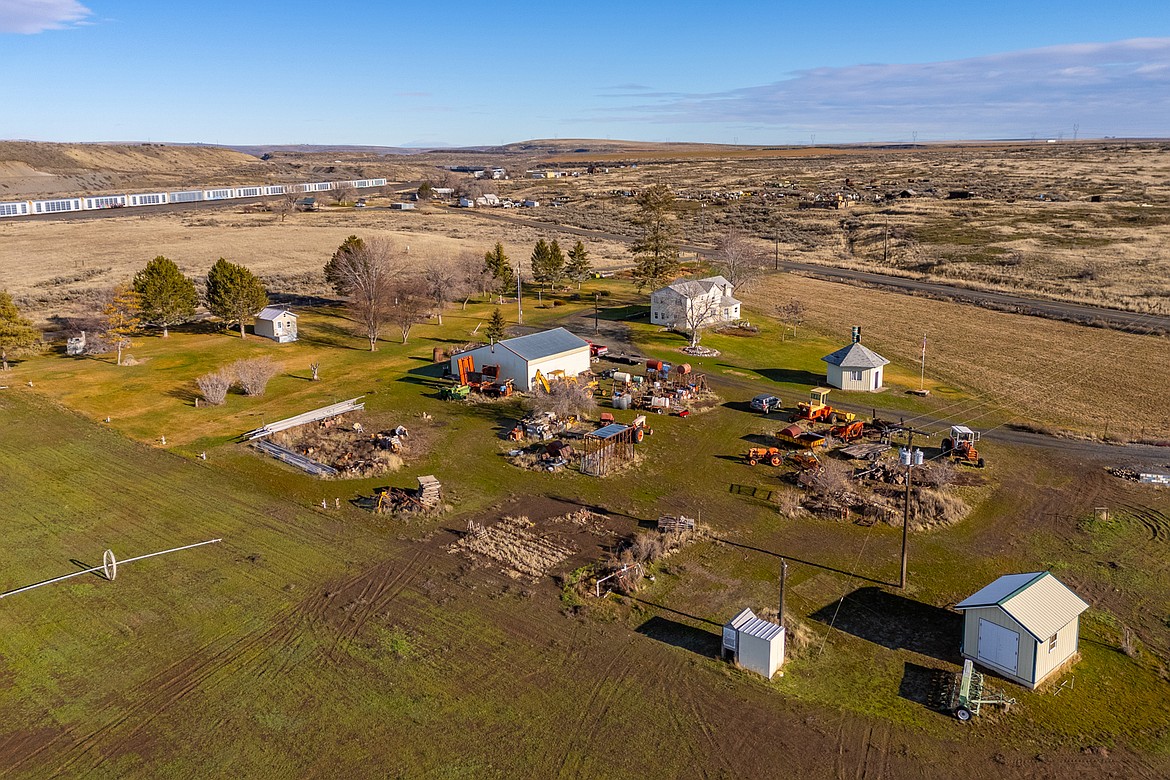
This 25-plus-acre mini-farm east of Soap Lake includes a three-bedroom house, two outbuildings with electricity and heating systems, and a 1,500-square-foot shop.
COURTESY PHOTO/ANNA VAN DIEST
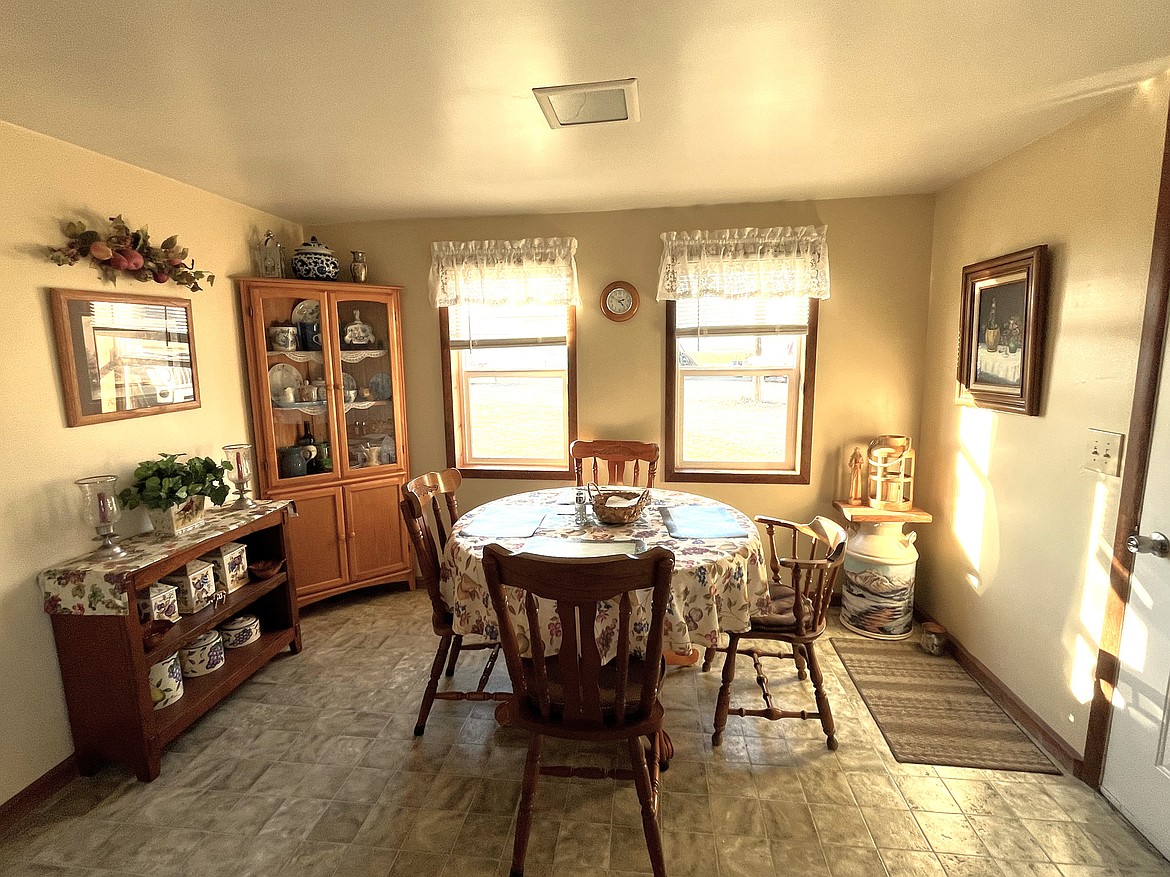
The house on the mini-farm on the site of the former town of Adrian was built in the 1930s and has been with the same family ever since.
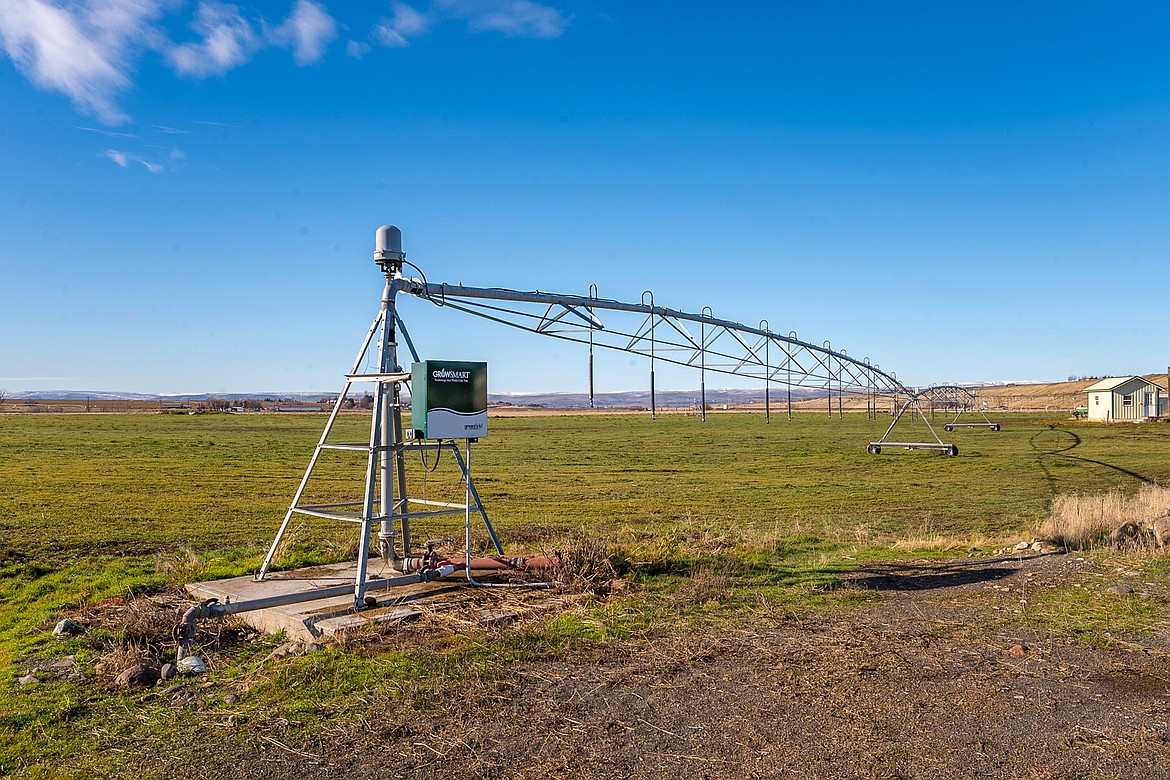
The mini-farm for sale where the town of Adrian used to be comes with its own wells, one for domestic use and one for irrigation.
Joel Martin has been with the Columbia Basin Herald for more than 25 years in a variety of roles and is the most-tenured employee in the building. Martin is a married father of eight and enjoys spending time with his children and his wife, Christina. He is passionate about the paper’s mission of informing the people of the Columbia Basin because he knows it is important to record the history of the communities the publication serves. | December 5, 2025 1:00 AM
SOAP LAKE — There’s a little piece of history in the mini-farm for sale east of Soap Lake.
“It’s been with the same owner since the 1930s,” said Anna Van Diest of Moses Lake Realty Group, who is listing the 25.19-acre property at 20226 NE Adrian Road, just south of SR 28. The well, still in use, was dug in 1931, she added, more than two decades before the Columbia Basin Project brought irrigation water to the Basin.
There’s not much left now of the town of Adrian, but if things had gone a little differently in 1910, the Grant County Courthouse might have been located where the farm now stands. When Grant County was formed out of the eastern part of Douglas County in 1909, the city of Ephrata, then just over 300 people, was named the county seat. The people of Adrian got up a petition the following year to grab the county seat away, according to the Washington history site historylink.org, but were defeated in a 945-802 vote. A few remnants of the town and the railroad cutoff nearby are still visible from the road or in aerial photos.
The 1,939-square-foot residence is a two-story, three-bedroom house, and there are two outbuildings with electricity and heat that are almost like auxiliary dwelling units, Van Diest said. There’s also a 1,500-square-foot shop.
But the big draw, Van Diest said, is the land. There’s a domestic well and an irrigation well, and the property comes with the water rights, she said, which isn’t common these days. There are productive cherry and apple trees for a homeowner who would like to make their own pies, she said. And there are more than 21 acres of land with pivot irrigation that can grow just about anything that thrives in the Basin’s climate, including livestock.
“With the future economics, having the ability to raise your own beef and eggs – we know how expensive eggs are – and using that land as a resource, maybe it could help offset some of the economic challenges,” she said.
The property has been on the market for most of a year, with several price reductions, according to the listing on Realtor.com. It was originally listed at $719,889 and is now listed for $585,000.
“A hobby farm has a small audience,” Van Diest said. “It’s so unique that it’s tough to obtain a loan. And not a lot of people realize the amount of work that goes into hobby farms.”
To offset that, Van Diest said, the seller is offering a $15,000 credit at closing that can be used for upgrades or toward loan costs.
The appeal of the property is also in its location, Van Diest said, nestled in a little space between two ridges.
“It’s got some breathtaking views,” Van Diest said. “I love the Adrian Valley. (It’s) just unique topography. There are some plateaus and rock formations, and little canyons and coulees. It’s one of my favorite landscapes in Grant County.”
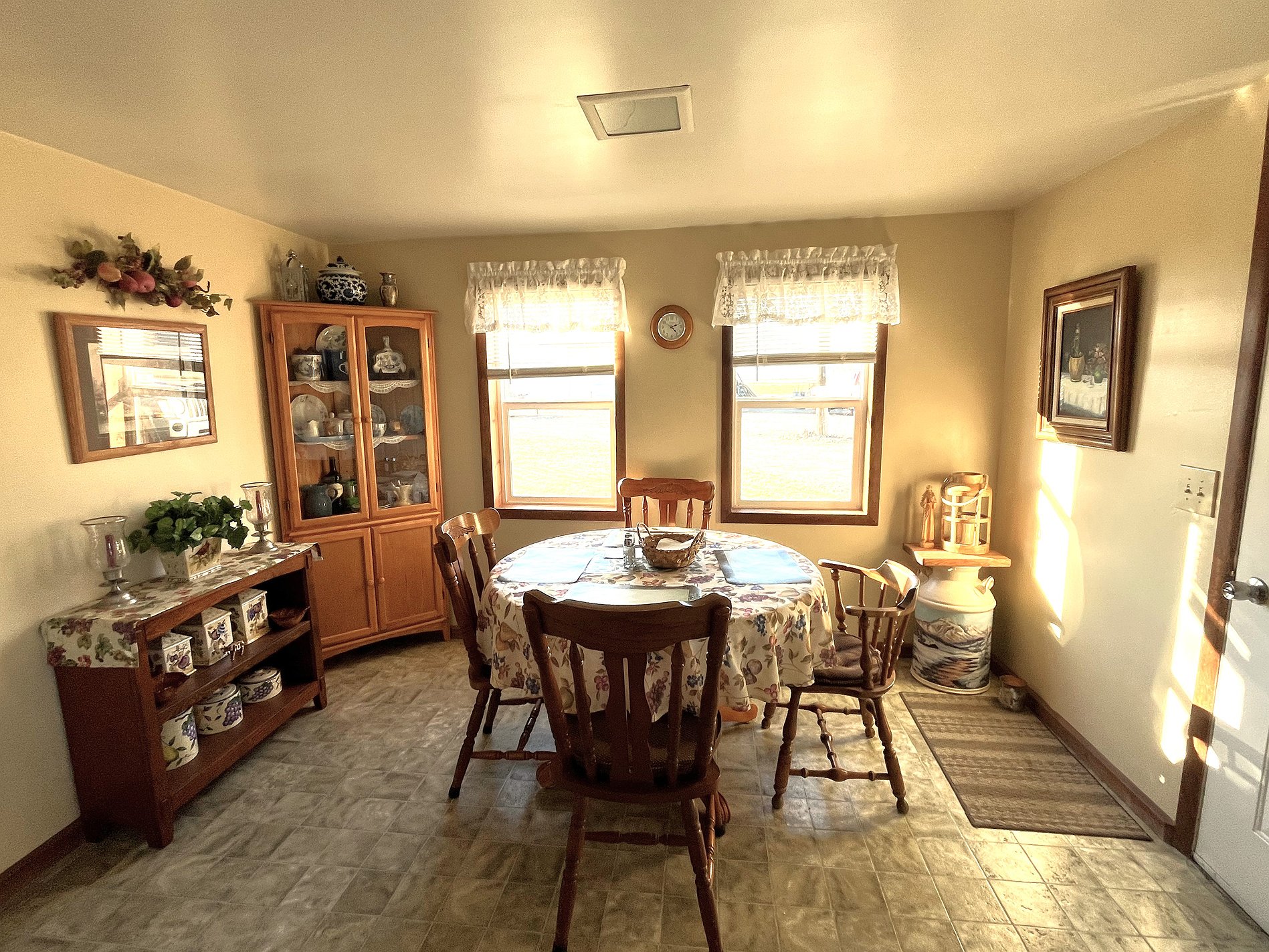 The house on the mini-farm on the site of the former town of Adrian was built in the 1930s and has been with the same family ever since.
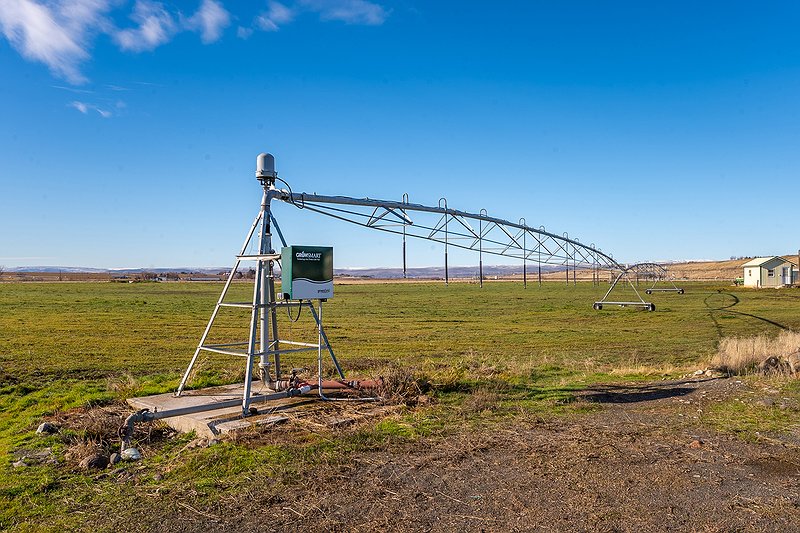 The mini-farm for sale where the town of Adrian used to be comes with its own wells, one for domestic use and one for irrigation.
ARTICLES BY JOEL MARTIN

Endless battle
Noxious Weed Control Board works to keep invasive plants under control
MOSES LAKE — Some of the nastiest plants in Grant County were the topic of a class led by Jay Johnson, a consultant with the Grant County Noxious Weed Control Board, Tuesday. The Noxious Weed Control Board, as its name would suggest, is tasked with keeping weeds under control in Grant County. That’s not a small job; the board’s website lists 129 species of noxious weeds that are found around Grant County. A noxious weed is defined as an invasive, non-native plant that threatens agricultural crops, local ecosystems or fish and wildlife habitat, according to the Noxious Weed Control Board. Washington state law requires that these weeds be identified and their spread kept to a minimum, if not completely eradicated. “We’re one of those agencies a lot of people don’t really understand,” Johnson said. “We’re a county office and … our funding is tax-based assessment. When you get your tax bill and you look down at all the expenses that you pay for, there we are.”

BASIN EVENTS: Oct. 16-24
COLUMBIA BASIN — Whether you feel like shopping, crafting, learning or seeing a show, there’s something happening for you this week in the Basin. Oct. 16 ‘My Family (Mi Familia)’ screening Spanning three generations, “My Family (Mi Familia)” is a heartfelt drama that follows the Sánchez family as they build their lives in East Los Angeles. Through love, hardship, triumph, and sacrifice, the film explores the immigrant experience, the strength of family bonds, and the traditions that connect one generation to the next. Lowrider show and taco truck before the screening. Sponsored by Columbia Basin Allied Arts, EDUBS C/S and the Moses Lake Creative District. $12 per person. Doors open at 6 p.m., film begins at 7 p.m. at the Moses Lake Civic Center Auditorium, 401 S. Balsam St. Tickets and info: www.cba-arts.org.

Moses Lake author encourages women to look beyond church culture norms
MOSES LAKE — A Moses Lake author’s book, “A Christian Woman Striving to Live Her Faith in a Man-Controlled World,” takes aim at the role to which many churches relegate the female half of their congregations. “It’s to encourage women in the faith,” Linda Curran said. “A lot of churches say, ‘Teach Sunday school, do this, do that, but don’t (evangelize.)’" In her book, Curran recounts a time when she moved to a new community and joined a church there. She was surprised to learn that, as a new female member, she had been automatically assigned church cleaning duties. When she questioned it, she wrote, she was met with condescension and her objections were brushed aside. In other churches, she said, women who were capable of teaching were relegated to “women’s ministry.”