
Infrastructure expansion increases demand for specialized transport services
Amy Kang | Daily Inter-Lake | UPDATED 9 months, 2 weeks AGO
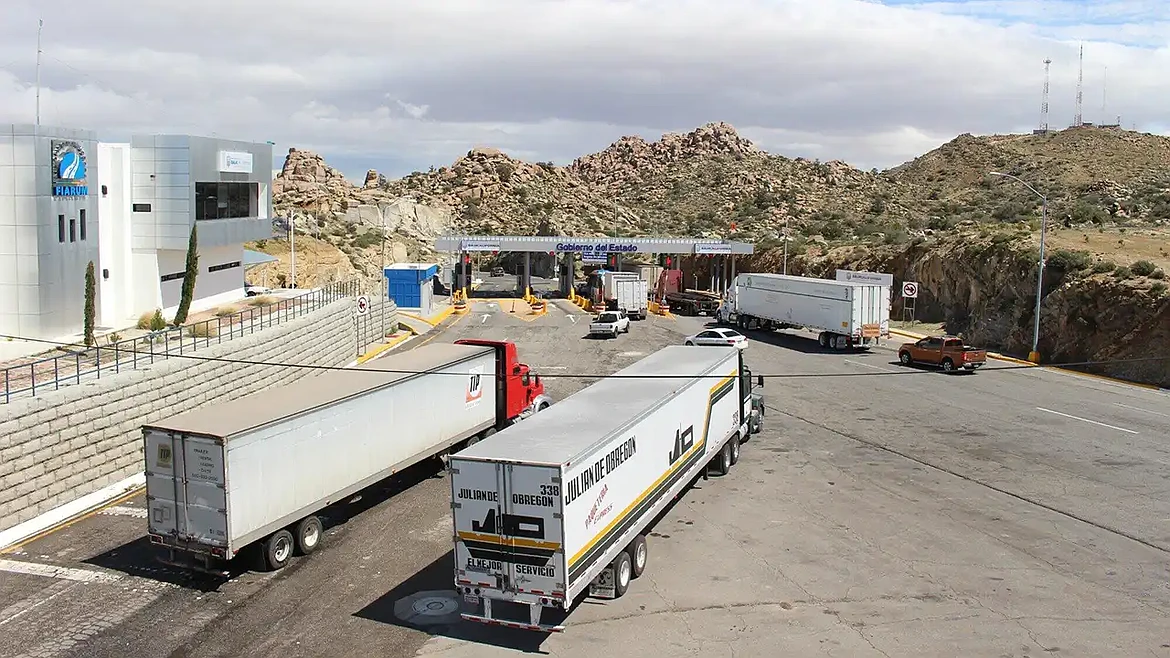
Infrastructure expansion increases the scale of production and accessibility to newer markets. With the expansion of infrastructure, you can expect to see a higher demand for efficient and reliable transport services.
Global X ETFs reports that about half of the evaluated infrastructure categories scored a grade of D. This grade shows that there is a need for bigger investments into U.S. infrastructure development.
Expansion in logistics will keep cargo moving and supply chains competitive. If you invest in infrastructure upgrades, you can expect specialized transport growth.
What Is the Expansion of Infrastructure?
Infrastructure expansion is the growth of physical systems that encourage urban development. These systems include:
- Utilities
- Public services
- Transportation
- Communication networks
As these systems develop, you will notice a shift in the growing populations and where they live. Infrastructure development is an important part of accommodating these changing needs.
What Is the Impact of Transportation Infrastructure?
Transportation infrastructure operates in three categories: core, operational, and geographical. Let's deeply explore the infrastructure development impact on transportation.
Core Impacts
If you invest in transportation infrastructure, you can expect an improvement in terminals and modal capacity. With this capacity, you get access to more economic opportunities.
Your economy will be able to move a lot of passengers and freight, creating economies of scale. An increase in the movement also fuels higher economic output levels.
Transport developments make travel and shipping more affordable. It lowers the cost per trip if you're hiring reliable equipment movers. As a result, transportation makes up a smaller portion of the final price of your goods.
Operational Impacts
Good infrastructure saves time, leading to economic advantages. Specialized transport growth allows freight and passengers to reach their destinations on time. The economic advantages of time improvements are multi-dimensional.
First, passengers and freight will arrive at their destinations faster. Quick arrivals mean you spend a little time on the road and more time being productive. If you're transporting freight, fast delivery reduces the cost of goods sitting idle in transit.
When cargo and passengers arrive on time, businesses can coordinate their supply chains and production schedules well. As a result, transportation assets are used much more efficiently.
Geographical Impacts
Access to a wider market base is a common economic benefit once transport infrastructure expands. Inputs like raw materials become easily available for an economy. Also, outputs like finished goods have a bigger market.
Greater accessibility also means the growth of the tourism sector and commercial transactions. Expansion in logistics makes certain locations more valuable. Sites near key transport links, like railway stations and ports, become prime spots for business due to a demand for transport services.
What's the Future of Transportation Services?
The future of transportation involves moving into new, smarter modes of transport and infrastructure needed to support them. From connected roads to EVs, these innovations are changing how goods and people move. Here are transport industry trends you can expect in the future:
AI Will Shape Smart Mobility Systems
AI is part of the evolution in transportation. You can expect adaptive traffic management systems that adjust traffic signals, reducing congestion.
A shift will also take place in commercial transportation. Commercial fleets are using AI to:
- Modify operations
- Catch maintenance issues early
- Automate dispatch in real time
Self-driving trucks for long distances and automated local delivery systems will also reduce operating expenses. Additionally, they will make shipments arrive faster for customers.
Electrification of Transportation Will Become Mainstream
As per IEA, nearly 1 in 4 vehicles sold globally this year is set to be electric. For fleets, the change is happening even faster, especially in urban logistics. As a result, you will notice the growth of charging infrastructure to match the demand for EVs.
Cities like Amsterdam and Singapore are already making the changes by investing in energy storage systems and charging networks. These innovations are helping reduce charging costs as we move into the future.
Regulations on Autonomous and Connected Vehicles
Autonomous vehicles (AVs) and connected vehicles are technological innovations you should watch out for. However, its launch isn't certain. Regulations will decide how fast these vehicles are seen on the road.
Leaders in the transport industry are working closely with governments to ensure AVs meet data governance policies and safety standards. Here is what is already happening:
- Germany is the first country to fully approve driverless, Level 4 AVs under set conditions
- In the U.S., the NHTSA offers the AV 4.0 framework for testing and deploying AVs
- Singapore uses a regulatory sandbox in its Road Traffic Act to allow AV trials on public roads
Moving to fully driverless cars will depend on how these policies move AVs from the pilot stage to mainstream adoption.
Frequently Asked Questions
What Are The Factors Affecting Transport Demand?
Demand for transportation will depend on the income you and your family receive. If you're from a high-income household, you're likely to travel more compared to people in low-income households.
Rising fuel costs also reduce the rate of movement. As a result, you will notice that traffic decreases when fuel costs increase. People will also look for alternative modes of transportation.
An increase in population also increases transport demand. With more people, you can expect them to schedule more trips.
How to Manage Transport Infrastructure?
The increasing demand for transport services can place a strain on the infrastructure. To ensure systems work efficiently for a long time, we need to invest in transport infrastructures. Managing logistics systems starts with proper financing.
Financing the construction and maintenance of transport infrastructures can help boost resilience and capacity. Governments are often the primary source of funding in the transport industry.
What Are the Two Ways to Manage an Existing Transportation Infrastructure?
You can manage an existing transportation infrastructure through two approaches. First, consistent maintenance will ensure the current system operates safely and efficiently.
Second, structures will occasionally need replacement or new construction over time. These strategies will make your transport systems reliable and functional.
Fast Track Infrastructure Expansion for Better Transport Systems
The future of transportation relies on good infrastructure. With well-implemented infrastructure expansion, we can expect reliable and efficient modes of movement on land, air, and sea. The demand for specialized transport systems also ensures cleaner, smarter, and more sustainable movement.
Subscribe to our newsletter to get more infrastructural tips.
This article was prepared by an independent contributor and helps us continue to deliver quality news and information.