
Fleet safety trends your company can't afford to overlook in 2026
April D. Lee | Daily Inter-Lake | UPDATED 3 months, 2 weeks AGO
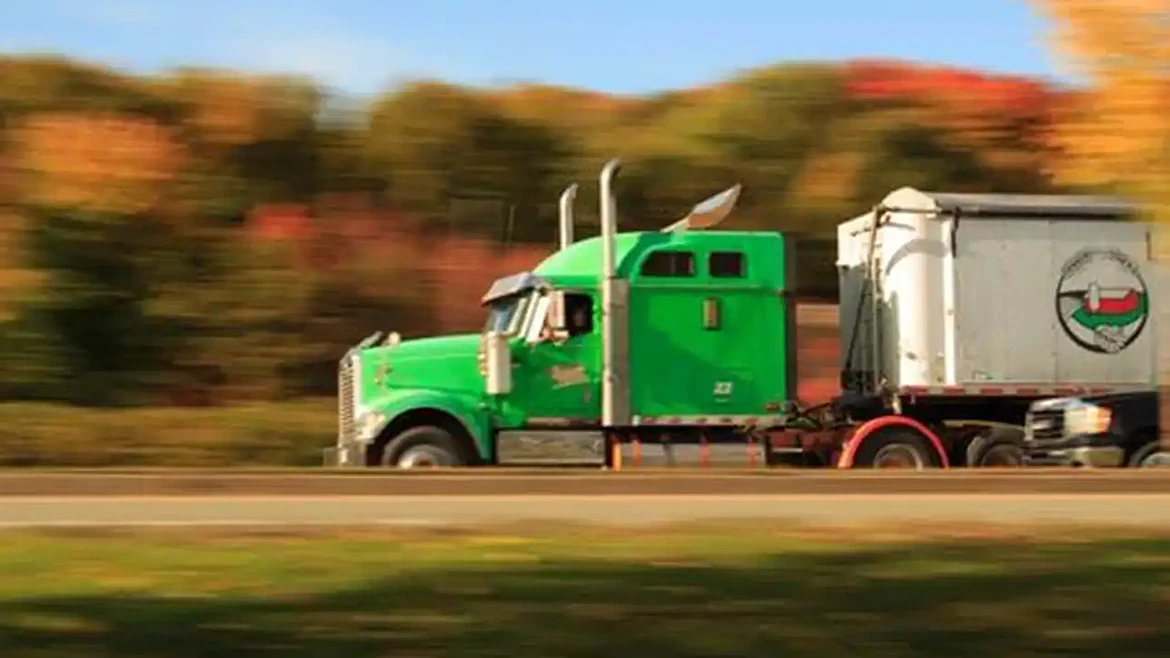
The main safety trends for fleets during 2026 will concentrate on technological advancements, policy compliance, and people-oriented risk management strategies. Companies have to meet requirements for responsible business practices, data transparency, and safety strategies. Strong fleet safety protects drivers while controlling costs and leading to enduring operational stability.
Fleets now face increased operational difficulties because insurance costs have increased while organizations have to comply with new regulations and operate their vehicles with advanced systems. Leaders understand that their business success and financial performance directly relate to their safety achievement standards. The failure to adopt new safety developments creates increased operational disruptions and higher exposure to potential dangers.
Organizations recognize how driver conduct affects technology and official rules. This is one of the factors that has increased the importance of fleet safety. Organizations dedicate their resources to the improvement of road safety and operational stability by implementing new safety protocols.
Why Has Fleet Safety Become a Non-Negotiable Priority?
Safety moved from a compliance task to a business-critical function. Rising accident costs, public accountability, and workforce expectations increased pressure on fleet operators. Insurance carriers and regulators now expect documented safety programs supported by data.
Organizations operating commercial vehicles in and around Kalispell, MT, face:
- Winter driving risks
- Rural road conditions
- Longer response times
Proactive safety strategies reduce exposure and protect drivers navigating these challenges daily.
How Does Technology Influence Fleet Safety Outcomes?
Technology reshapes how risks are identified and corrected. Telematics, predictive analytics, and connected vehicle systems provide visibility into driving behavior and vehicle health. Managers can address risks before incidents occur.
Modern tools support the future of fleet safety by shifting focus from reactive reporting to proactive prevention. Data-driven insight improves:
- Coaching
- Accountability
- Compliance across fleets of all sizes
Emerging Fleet Safety Trends Shaping 2026
Fleet leaders entering 2026 face a rapidly shifting risk landscape shaped by technology, regulation, and driver expectations. Understanding the forces behind these changes helps organizations prepare for the safety trends redefining modern fleet operations.
AI and Predictive Risk Management
Artificial intelligence now supports early risk detection. Systems analyze the following:
- Driving patterns
- Vehicle diagnostics
- Environmental conditions
Alerts flag unsafe behaviors and maintenance issues.
Predictive tools align with emerging fleet technologies by identifying trends across:
- Routes
- Drivers
- Vehicles
Fleets using predictive safety tools report fewer accidents and lower insurance claims.
One example includes an AI-enabled commercial truck camera system with GPS tracking integrated into fleet oversight platforms.
Advanced Driver Assistance Systems Become Standard
Vehicle safety innovations continue to evolve. Automatic emergency braking, lane-keeping assistance, and blind-spot detection expand across commercial fleets. These tools support drivers in high-risk scenarios.
Adoption of vehicle safety innovations reduces human error, which remains a leading cause of fleet incidents. Fleet managers increasingly select vehicles based on safety ratings and technology features rather than price alone.
Safety Programs Focus on Driver Wellness
Driver well-being influences performance behind the wheel. Fatigue, stress, and health issues increase incident risk. Fleet programs now include wellness education and scheduling practices that support rest and recovery.
A focus on wellness complements corporate safety guidelines by addressing root causes of unsafe behavior. Health-focused safety cultures improve driver engagement and retention.
Fleet Management Strategies 2026 Emphasize Accountability
Accountability now sits at the center of modern fleet operations as organizations rely on measurable performance and documented standards. Clear expectations, supported by real-time data, help fleet leaders enforce safety policies consistently across:
- Drivers
- Vehicles
- Routes
Policy Alignment and Real-Time Enforcement
Written safety policies hold limited value without enforcement. Fleets now link policies to real-time data and corrective action. Managers receive alerts when violations occur.
These fleet management strategies in 2026 ensure consistent standards across drivers and routes. Accountability improves when expectations remain clear and measurable.
Common policy updates include:
- Speed threshold monitoring
- Seat belt compliance tracking
- Harsh braking and acceleration alerts
Training Evolves From Annual to Continuous
Annual safety training no longer meets modern risk demands. Continuous coaching supported by data improves outcomes. Drivers receive targeted feedback based on actual performance.
Micro-training sessions address specific behaviors. Short learning modules reinforce safety habits without disrupting operations.
Sustainability and Safety Become Linked Goals
Sustainability and safety increasingly operate as connected priorities rather than separate initiatives. Fleet leaders now recognize that efficient operations, responsible resource use, and risk reduction often rely on the same driving behaviors and management decisions.
Fuel Efficiency Supports Safer Driving
Efficient driving behaviors often align with safer practices. Smooth acceleration, steady speeds, and reduced idling lower risk exposure. Fleet leaders link fuel efficiency goals with safety metrics.
Smart fleets view sustainability as part of the future of fleet safety. Reduced fuel consumption also lowers operating costs and environmental impact.
Electrification Introduces New Safety Considerations
Electric and hybrid vehicles introduce unique safety needs. High-voltage systems require specialized training. Emergency response planning becomes essential.
Fleet operators in Montana evaluate infrastructure readiness and driver education before adopting new vehicle types.
Frequently Asked Questions
How Can Small Fleets Improve Fleet Safety Without Large Budgets?
Small fleets can improve safety through a focused strategy rather than expensive technology. Clear policies, consistent coaching, and basic telematics create meaningful impact.
Driver engagement plays a key role. When drivers understand expectations and receive regular feedback, risk decreases.
Partnerships with insurers and safety organizations may provide training resources. Incremental improvements often deliver strong results over time.
What Role Does Company Culture Play in Fleet Safety Success?
Culture shapes daily behavior more than written rules. Open communication encourages drivers to report concerns without fear. Recognition programs reinforce positive behavior.
A strong safety culture aligns with corporate safety guidelines while adapting to real-world conditions. Culture-driven safety programs often outperform technology-only approaches.
How Should Fleets Prepare for Future Safety Regulations?
Preparation starts with monitoring industry trends and regulatory updates. Fleets should document safety practices and maintain accurate records.
Technology adoption supports compliance readiness. Training programs should remain flexible.
Collaboration with legal and insurance partners ensures alignment. Proactive preparation reduces disruption when regulations change.
Stay Informed With Trusted Local Coverage
Fleet safety remains a defining issue for companies operating across the region. Trends shaping 2026 emphasize technology integration, driver well-being, and accountability. Organizations that adapt early reduce risk and strengthen operational resilience.
Continue exploring our website for more industry insights, helpful guides, and the latest news updates.
This article was prepared by an independent contributor which helps us continue delivering quality content to our audiences.