
County, Tribes still wrangling with state for PL 280 money
KRISTI NIEMEYER | Hagadone News Network | UPDATED 3 months AGO
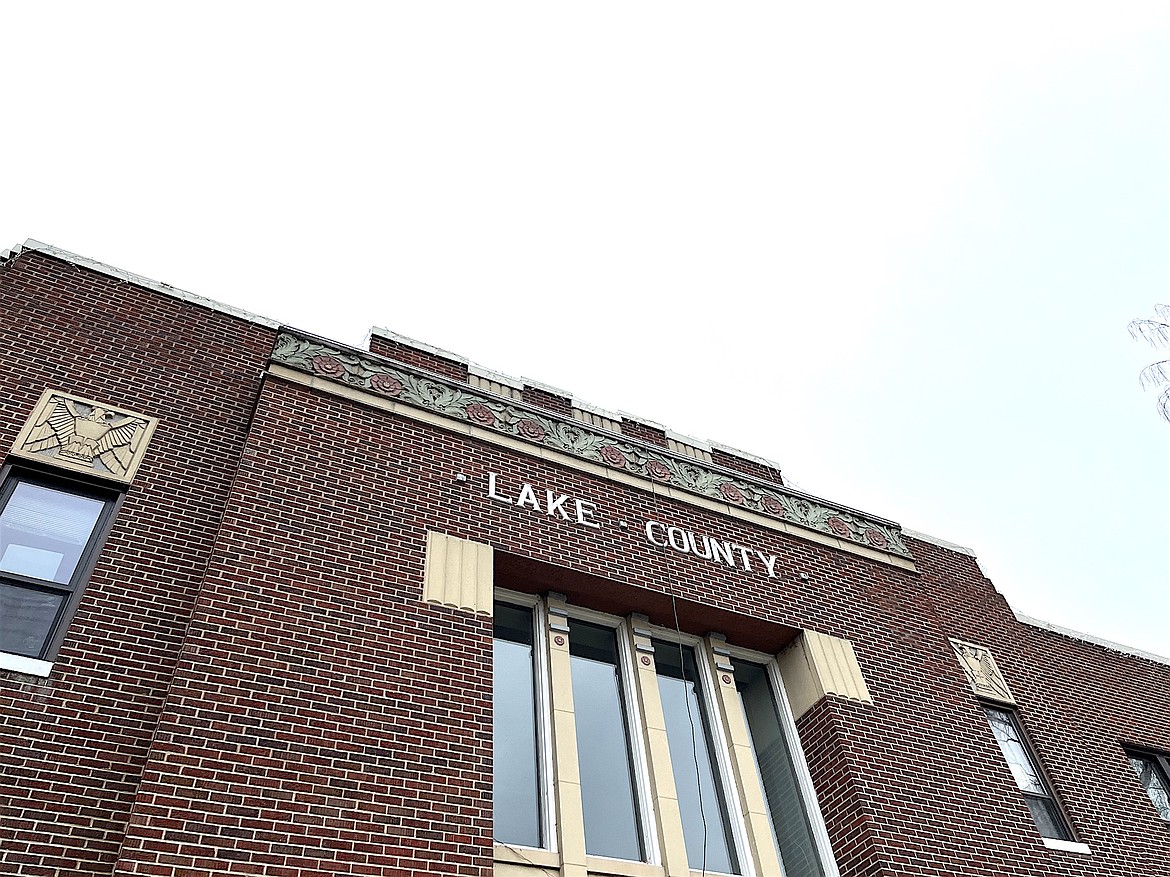
Lake County Courthouse
Kristi Niemeyer is editor of the Lake County Leader. She learned her newspaper licks at the Mission Valley News and honed them at the helm of the Ronan Pioneer and, eventually, as co-editor of the Leader until 1993. She later launched and published Lively Times, a statewide arts and entertainment monthly (she still publishes the digital version), and produced and edited State of the Arts for the Montana Arts Council and Heart to Heart for St. Luke Community Healthcare. Reach her at [email protected] or 406-883-4343. | December 24, 2025 11:00 PM
Funding for Public Law 280 – the federal legislation that governs how felonies involving tribal members are prosecuted on the Flathead Reservation – continues to evade Lake County and the Confederated Salish and Kootenai Tribes, which have yet to secure a promised payment of $1.25 million apiece from the State of Montana.
Senate Bill 393, passed by the 2025 Legislature and signed by Gov. Greg Gianforte, authorized the state to provide $6 million over the biennium to Lake County and the Confederated Salish and Kootenai Tribes to work out financial and jurisdictional issues involving PL 280. The agreement was signed more than six decades ago by the State of Montana, CSKT and Lake County (as well as Sanders, Missoula and Flathead counties).
Lake County has long maintained that it spends more than it can afford to investigate, prosecute and house tribal members accused of felonies. Since 2017, county commissioners have sought reimbursement from the state, and were repeatedly rebuffed by the Legislature and the courts.
The commissioners also attempted to pull out of the agreement, but were thwarted by Gov. Gianforte, who has lauded PL 280 as “a model” for law enforcement on Indian reservations, but denies the state has any responsibility to help pay for it.
SB 393, introduced by Sen. Greg Hertz during the 2025 session, seemed to break that impasse when it was signed into law last spring.
The first step mandated by the bill required the county to rescind three resolutions passed in 2022 and 2023, signaling their intent to withdraw from the agreement. That was accomplished early last June, which allowed the state to make initial payments of $250,000 to the county and Tribes.
According to Lake County Commissioner Gale Decker, the next step was to craft a Memorandum of Understanding with the Tribes, intended to outline how both governments would spend their remittance from the state, which amounts to $1.25 million apiece this fiscal year and $1.5 million next year.
Attorneys from both tribal and county governments worked on the draft, then, Decker says, county and tribal leaders “put the finishing touches on it” and sent it to the governor in September.
In a letter dated Oct. 28, Lt. Gov. Kristen Juras sent proposed additions and edits to the draft agreement that would establish procedures to submit approved expenditures to the state for reimbursement. The revised document also repeatedly emphasizes that the goal of the “one-time-only” legislation is for the county and Tribes to find a way to continue to implement Public Law 280 while ensuring its “economic sustainability through county and tribal resources” … “without ongoing funding from the State.”
“The main sticking point right now is what Lake County is going to do with our share of the money,” said Lake County Attorney James Lapotka, who has met with Juras several times. “I’m confident that we will get past this hurdle by working with the governor's office and the Tribes.”
CSKT spokesperson Rob McDonald said the Tribes are also looking forward to the pending payment. "We’re ready to move forward," he said. "We’ve just completed a strategic plan to further increase our court’s capacity to take on more responsibilities. This funding will help us get there faster."
He was also philosophical about the delay in reaching an agreement with the governor's office. "This is a complex topic and it deserves to be done right and sometimes that takes time," he said Tuesday.
According to Decker, the county had hoped to submit receipts for the additional costs it incurs in prosecuting felonies involving tribal members, which have averaged from $180,000 to $220,000 a month. It’s been tracking and submitting invoices to the Department of Justice since 2024.
However, he said the governor’s office has made it clear that Gianforte has other expectations of how the county's $1.5 million will be spent.
“He wants details of how we will use the money in the future to sustain our ability to remain in the agreement,” Decker said.
Other uses for the PL 280 funding could include offsetting costs related to renovation of the Lake County Jail, housed in the basement of the courthouse. Making the detention center safer and expanding its capacity are ongoing issues for the county, spurred by inmate lawsuits.
Another possibility would be to update the 911 dispatch center, which serves the entire county, including tribal police, city and county law enforcement and fire departments.
The Tribes, on the other hand, are planning to use the money to expand infrastructure related to their increasing caseload.
"We’ve been focused on this expansion of duties for many years and are excited to move ahead on our end," McDonald said.
As Tribes step up prosecutions, county's costs drop
On a positive note, Decker believes discussions over the MOU have led to a greater understanding between the county and Tribes regarding the future of PL 280, and the costs associated with felony prosecutions. He said the Tribes are continuing to assume more jurisdiction over non-violent felonies, while the county continues to prosecute “the really nasty ones,” such as felony assault, murder and kidnapping.
Lapotka says tribal efforts to prosecute more drug-related felonies have resulted in a diminished caseload for the county attorney’s office. In 2022, his office dealt with 87 referrals or citations for criminal possession of dangerous drugs by tribal members, and 246 drug possession cases overall. In 2024, they handled 23 cases of drug possession involving tribal members out of 90 overall.
“I suspect this year it will be lower,” he said.
He also noted that incidents of drug seizures and drug crime are currently down locally and across the state. “It’s more difficult to track trends for more serious crimes because the hard numbers are quite small,” he added. In Lake County, theft cases dropped from 28 in 2022 to 20 last year, and assaults with a weapon went from 17 to 11.
According to Decker, all this means the county’s expenses related to PL 280 have started to level off, and might even be headed downward.
“I think things have gotten better,” he said. "As time-consuming and contentious as it's been, it seems like we're maybe moving in the right direction."
ARTICLES BY KRISTI NIEMEYER

Scholarship helps mother of two reach for college degree
For Taurie Matt, higher education offers a path to building a better life for her family. A recent scholarship from the Gianforte Family Foundation is helping her stay in school without drawing down her family’s resources.

Jig Jam: Cherry Valley students learn about music from The McDades
The McDades, a Canadian quintet that claimed the 2007 JUNO Award for Best Roots/Traditional Album, weren’t at all daunted by their audience of Cherry Valley students last Thursday.

Former Polson man files complaint against library alleging ADA violation
Former Polson resident Michael Ross has lodged a civil complaint in U.S. District Court in Missoula, accusing the North Lake County Library and its director, Abbi Dooley, of violating the Americans with Disabilities Act.